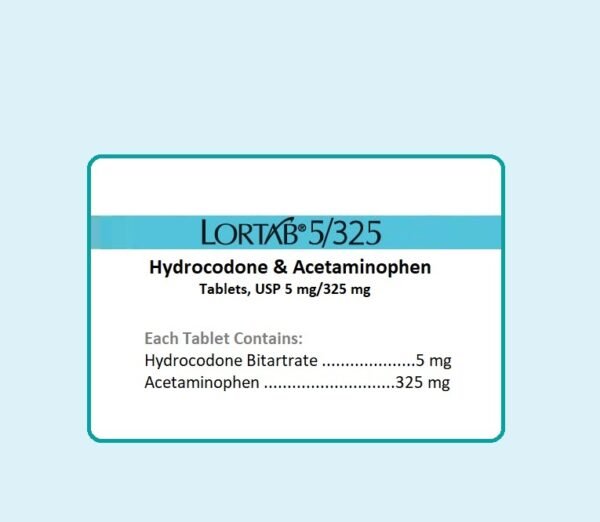
Hydrocodone acetaminophen (Lortab, Norco) Pills contain two medications for the relief of mild to moderate pain and fever.
Hydrocodone acetaminophen Uses:
-
Pain management:
- It is used in the management of pain severe enough to require an opioid analgesic and for which alternative treatments are insufficient.
- Limitations of use:
- Generally, 3 days or less of treatment with the lowest effective dose is preferred for acute pain and rarely should use exceed 7 days.
- For chronic pain, nonpharmacologic and nonopioid pharmacologic treatments are first-line therapy and opioid prescriptions should be accompanied by established goals for pain and function and a discussion with the candidate for risks and benefits.
Hydrocodone acetaminophen Dose in Adults
Hydrocodone acetaminophen Dose in Pain management: Oral:
Note: Pain relief and adverse events should be analyzed frequently. Individually titrate to a dose that provides adequate analgesia and minimizes adverse reactions. The use of higher starting doses in patients who are not opioid-tolerant might cause fatal respiratory depression.
-
Dosage ranges (based on specific product labeling):
- Hydrocodone is used as 2.5 to 10 mg every 4 to 6 hours as required with the maximum dose of hydrocodone that can be limited by the acetaminophen content of the specific product.
- The dose of acetaminophen should be limited to less than 4 g/day.
- The use of the lowest effective dose is recommended.
-
Discontinuation of therapy:
- When stopping chronic opioid therapy, the dose should be gradually tapered down.
- An optimal universal tapering schedule for all patients has not been established.
- The proposed schedules range from slow i.e 10% reductions per week to rapid i.e 25% to 50% reduction every few days.
- Tapering schedules should be individualized to minimize opioid withdrawal while considering patient-specific goals and concerns as well as the pharmacokinetics of the opioid being tapered.
- An even slower taper might be appropriate in patients who have been receiving opioids for a long duration (eg, years), particularly in the final stage of tapering, whereas more rapid tapers might be appropriate in patients experiencing severe adverse events.
- observe carefully for signs & symptoms of withdrawal.
- If the patient displays withdrawal symptoms, consider slowing the taper schedule. Alterations might include increasing the interval between the dose reductions, decreasing the amount of daily dose reduction, pausing the taper and reinitiating when the patient is ready, or coadministration of an alpha-2 agonist (eg, clonidine) to blunt withdrawal symptoms.
- Continue to offer nonopioid analgesics as required for pain management during the taper. Consider nonopioid adjunctive treatments for withdrawal symptoms (eg, GI complaints, and muscle spasm) as indicated.
Hydrocodone acetaminophen Dose in Childrens
It is important to note that doses are based on hydrocodone. Titrate up to appropriate analgesic effect.
Hydrocodone acetaminophen Dose for pain relief in opioid-naive patients:
-
Infants, Children, and Adolescents: Limited data available in infants and children <2 years:
- The Maximum daily dose of acetaminophen should be limited to less than 75 mg/kg/day in less than or equal to 5 divided doses and not to exceed 4000 mg/day and possibly less in patients with hepatic impairment or ethanol use.
-
Patient weight:
- <50 kg:
- It is given orally with the usual initial dose of Hydrocodone 0.1-0.2 mg/kg/dose every 4-6 hours.
- In infants, reduced doses and close monitoring should be considered due to possible increased sensitivity to respiratory depressant effects. It should be used with caution in infants.
- ≥50 kg:
- It is given orally with the usual initial dose of Hydrocodone 5-10 mg every 4-6 hours
- <50 kg:
-
Pregnancy Risk Factor C
- [US Boxed Warning]: Long-term opioid use during pregnancy can cause neonatal withdrawal syndrome.
- This condition can be fatal if it is not treated as per the protocols of neonatologists.
- Pregnant women who are required to use opioids for prolonged periods of time should be informed about the risks of neonatal opioid withdrawal syndrome.
- They also need to be provided with the necessary treatment.
- Opioids can cross the placenta.
Use of hydrocodone or acetaminophen during breastfeeding
- Breast milk can secrete hydrocodone and acetaminophen.
- According to literature, when deciding whether to continue or stop breastfeeding during therapy, it should consider the risks of infant exposure, the benefits to the infant and the benefits to the mother.
- See individual agents.
Dose in Kidney Disease:
- There are no specific dose adjustments given in the literature.
- Caution should be exercised.
- Therapy should be started with lower doses and monitored closely.
Dose in Liver disease:
- There are no specific dosage adjustments provided in the manufacturer's labeling.
- Caution should be exercised.
- Therapy should be started with lower doses and monitored closely.
Side effects of Hydrocodone acetaminophen:
-
Cardiovascular:
- Bradycardia
- Cardiac Arrest
- Circulatory Shock
- Hypotension
-
Central Nervous System:
- Anxiety
- Clouding Of Consciousness
- Coma
- Dizziness
- Drowsiness
- Drug Dependence
- Dysphoria
- Euphoria
- Fear
- Lethargy
- Malaise
- Mental Deficiency
- Mood Changes
- Sedation
- Stupor
-
Dermatologic:
- Cold And Clammy Skin
- Diaphoresis
- Pruritus
- Skin Rash
-
Endocrine & Metabolic:
- Hypoglycemic Coma
-
Gastrointestinal:
- Abdominal Pain
- Constipation
- Gastric Distress
- Heartburn
- Nausea
- Occult Blood In Stools
- Peptic Ulcer
- Vomiting
-
Genitourinary:
- Nephrotoxicity
- Ureteral Spasm
- Urinary Retention
-
Hematologic & Oncologic:
- Agranulocytosis
- Hemolytic Anemia
- Iron Deficiency Anemia
- Prolonged Bleeding Time
- Thrombocytopenia
-
Hepatic:
- Hepatic Necrosis
- Hepatitis
-
Hypersensitivity:
- Hypersensitivity Reaction
-
Neuromuscular & Skeletal:
- Vesicle Sphincter Spasm
-
Otic:
- Hearing Loss (Chronic Overdose)
-
Renal:
- Renal Tubular Necrosis
-
Respiratory:
- Airway Obstruction
- Apnea
- Dyspnea
- Respiratory Depression (Dose Related)
Contraindications to Hydrocodone acetaminophen:
- Hypersensitivity reactions, including anaphylaxis of hydrocodone, Acetaminophen or any component, are an absolute contraindication.
- Respiratory depression is a serious problem.
- Acute or severe bronchial asthma in an unmonitored setting, or without resuscitative devices.
- Paralytic ileus, GI obstruction and other gastrointestinal problems are all possible.
- It is rare to see evidence of cross-reactivity between opioids and allergenic opioids.
- Cross-sensitivity is possible due to similarities in pharmacologic reactions.
- Consider an opioid that comes from an alternate structural class (e.g., phenylpiperidine or diphenylheptane).
Warnings and precautions
-
CNS depression:
- CNS depression can result, which could lead to mental or physical impairments.
- It is important to warn patients about tasks that require mental alertness, such as driving or operating machinery.
-
Constipation
- Patients with unstable angina or post-myocardial injury may experience constipation from hydrocodone.
- To reduce constipation, consider preventive measures such as stool softeners or increased fiber.
-
Hepatotoxicity: [US Boxed Warning]
- Acetaminophen has been linked to cases of acute liver disease, sometimes leading to liver transplantation and death.
- Most of the cases of liver injury are associated with the use of acetaminophen at doses that exceed >4 g/day and often involve more than one acetaminophen-containing product.
- Preexisting liver disease and alcohol consumption are both risk factors that increase greatly.
- Some patients have suffered liver damage from chronic daily doses of alcohol in their adult lives.
-
Hypersensitivity and anaphylactic reactions
- Acetaminophen has been linked to anaphylactic and hypersensitivity reactions.
- If you experience symptoms of an allergic reaction or hypersensitivity, stop using Acetaminophen immediately.
-
Hypotension
- Use of it can lead to severe hypotension, orthostatic hypotension, and syncope.
- Patients with hypovolemia, heart disease (including acute MI), and drugs that can exaggerate hypotensive effects such as phenothiazines and general anesthetics should be cautious.
- After dose titration or initiation, monitor for hypotension symptoms.
- Patients with circulatory shock should not use this product.
-
Phenanthrene hypersensitivity:
- Patients with hypersensitivity reactions to other opioid agonists phenanthrene derivatives (codeine/hydromorphone, levorphanol/oxycodone, and oxymorphone) should be cautious.
-
Respiratory depression [US Boxed Warning]
- It is possible to develop severe, life-threatening or fatal respiratory depression.
- Monitor your respiratory health closely, especially when you are initiating or increasing the dose.
- The sedating effects of opioids can be exacerbated by carbon dioxide retention due to opioid-induced respiratory depression.
-
Reactions to skin:
- Acetaminophen can cause severe and possibly fatal skin reactions, such as Stevens-Johnson syndrome, acute generalized exanthematous pustulsis, and toxic epidermal necrolysis.
- If severe reactions occur, you should not treat them.
-
Conditions abdominales:
- It can make it difficult to diagnose or follow the clinical course of acute abdominal conditions.
- Patients with intestinal motility disorders should be cautious. This could cause constipation, or obstructive intestinal disease.
- It is not recommended for use in the presence of GI obstruction or paralytic ileus.
-
Adrenocortical Insufficiency
- Patients with adrenocortical impairment, including Addison disease, should be cautious.
- Long-term opioid abuse can lead to secondary hypogonadism. This could cause infertility, sexual dysfunction, mood disorders, and osteoporosis.
-
Insufficiency of the biliary tract:
- Patients with acute pancreatitis or biliary dysfunction should be cautious. Opioids could cause constriction in the sphincter Oddi.
-
CNS depression/coma:
- Patients with impaired consciousness and coma should not use it.
- These patients are more susceptible to the intracranial effects CO retention.
-
Delirium tremens:
- Patients with delirium-tremens should be used with caution.
-
Use of ethanol:
- Patients with alcoholic liver disease should be cautious.
- Drinking more than three alcoholic drinks per week may increase your risk of liver damage.
-
G6PD deficiency:
- Acetaminophen should be used with caution for patients suffering from a G6PD deficiency.
-
Head trauma
- Patients with intracranial injuries, intracranial lesion or elevated intracranial pressure should exercise caution. An exaggerated elevation in ICP could occur.
-
Hepatic impairment
- Patients with hepatic impairment should be cautious.
-
Mental health conditions
- Patients with mental health conditions such as depression, anxiety disorders, and post-traumatic stress disorder should be cautious when using opioids for chronic pain.
- There is a greater risk of opioid overdose and opioid use disorder. It is important to have regular and strict monitoring.
-
Obesity:
- Patients who are obese or morbidly so should exercise caution.
-
Prostatic hyperplasia/urinary restriction:
- Patients with prostatic hyperplasia or urinary stricture should be cautious.
-
Psychosis:
- Patients with toxic psychosis should be treated with caution.
-
Renal impairment
- Patients with impaired renal function should not use it.
-
Respiratory disease
- Patients with severe chronic obstructive lung disease (or cor pulmonale) should be cautious when using opioids.
- Also, it is important to monitor for respiratory depression in patients who have a significantly decreased respiratory reserve, hypoxia or hypercapnia or those with preexisting respiratory depression.
- Even at therapeutic doses, critical respiratory depression can occur.
- These patients should consider non-opioid alternatives.
- Patients with severe or acute bronchial asthma should not use it in an unmonitored environment or without resuscitative equipment.
-
Seizures:
- Patients with seizure disorders should be cautious. It may cause or exacerbate seizures.
-
Sleep-disordered breathing
- Patients with sleep-disordered breathing risk factors, such as HF or obesity, should be treated with opioids.
- Patients with severe or moderate sleep-disordered breathing should avoid opioids
-
Thyroid dysfunction:
- Patients with thyroid dysfunction should exercise caution.
Hydrocodone and acetaminophen (paracetamol): Drug Interaction
|
Risk Factor C (Monitor therapy) |
|
|
Alizapride |
May enhance the CNS depressant effect of CNS Depressants. |
|
Amphetamines |
May enhance the analgesic effect of Opioid Agonists. |
|
Anticholinergic Agents |
May enhance the adverse/toxic effect of Opioid Agonists. Specifically, the risk for constipation and urinary retention may be increased with this combination. |
|
Aprepitant |
May increase the serum concentration of CYP3A4 Substrates (High risk with Inhibitors). |
|
Bosentan |
May decrease the serum concentration of CYP3A4 Substrates (High risk with Inducers). |
|
Brimonidine (Topical) |
May enhance the CNS depressant effect of CNS Depressants. |
|
Bromopride |
May enhance the CNS depressant effect of CNS Depressants. |
|
Busulfan |
Acetaminophen may increase the serum concentration of Busulfan. |
|
Cannabidiol |
May enhance the CNS depressant effect of CNS Depressants. |
|
Cannabis |
May enhance the CNS depressant effect of CNS Depressants. |
|
CarBAMazepine |
May increase the metabolism of Acetaminophen. This may 1) diminish the effect of acetaminophen; and 2) increase the risk of liver damage. |
|
Chlorphenesin Carbamate |
May enhance the adverse/toxic effect of CNS Depressants. |
|
Clofazimine |
May increase the serum concentration of CYP3A4 Substrates (High risk with Inhibitors). |
|
CYP2D6 Inhibitors (Strong) |
May decrease serum concentrations of the active metabolite(s) of HYDROcodone. Specifically, concentrations of hydromorphone may be decreased. |
|
CYP3A4 Inducers (Moderate) |
May decrease the serum concentration of HYDROcodone. |
|
CYP3A4 Inducers (Strong) |
May decrease the serum concentration of HYDROcodone. |
|
CYP3A4 Inhibitors (Moderate) |
May increase the serum concentration of HYDROcodone. |
|
CYP3A4 Inhibitors (Strong) |
May increase the serum concentration of HYDROcodone. |
|
Dapsone (Topical) |
May enhance the adverse/toxic effect of Methemoglobinemia Associated Agents. |
|
Deferasirox |
May decrease the serum concentration of CYP3A4 Substrates (High risk with Inducers). |
|
Desmopressin |
Opioid Agonists may enhance the adverse/toxic effect of Desmopressin. |
|
Dimethindene (Topical) |
May enhance the CNS depressant effect of CNS Depressants. |
|
Diuretics |
Opioid Agonists may enhance the adverse/toxic effect of Diuretics. Opioid Agonists may diminish the therapeutic effect of Diuretics. |
|
Dronabinol |
May enhance the CNS depressant effect of CNS Depressants. |
|
Duvelisib |
May increase the serum concentration of CYP3A4 Substrates (High risk with Inhibitors). |
|
Erdafitinib |
May decrease the serum concentration of CYP3A4 Substrates (High risk with Inducers). |
|
Erdafitinib |
May increase the serum concentration of CYP3A4 Substrates (High risk with Inhibitors). |
|
Flucloxacillin |
May enhance the adverse/toxic effect of Acetaminophen. Specifically, the risk for high anion gap metabolic acidosis may be increased. |
|
Fosaprepitant |
May increase the serum concentration of CYP3A4 Substrates (High risk with Inhibitors). |
|
Fosnetupitant |
May increase the serum concentration of CYP3A4 Substrates (High risk with Inhibitors). |
|
Fosphenytoin-Phenytoin |
May decrease the serum concentration of Acetaminophen. Specifically, serum concentrations of acetaminophen may be decreased (leading to decreased efficacy), but the formation of the toxic N-acetyl-p-benzoquinone imine (NAPQI) metabolite may be increased (leading to increased hepatotoxicity). |
|
Gastrointestinal Agents (Prokinetic) |
Opioid Agonists may diminish the therapeutic effect of Gastrointestinal Agents (Prokinetic). |
|
Imatinib |
Acetaminophen may enhance the hepatotoxic effect of Imatinib. |
|
Isoniazid |
May enhance the adverse/toxic effect of Acetaminophen. |
|
Ivosidenib |
May decrease the serum concentration of CYP3A4 Substrates (High risk with Inducers). |
|
Kava Kava |
May enhance the adverse/toxic effect of CNS Depressants. |
|
Larotrectinib |
May increase the serum concentration of CYP3A4 Substrates (High risk with Inhibitors). |
|
Local Anesthetics |
Methemoglobinemia Associated Agents may enhance the adverse/toxic effect of Local Anesthetics. Specifically, the risk for methemoglobinemia may be increased. |
|
Lofexidine |
May enhance the CNS depressant effect of CNS Depressants. Management: Drugs listed as exceptions to this monograph are discussed in further detail in separate drug interaction monographs. |
|
Magnesium Sulfate |
May enhance the CNS depressant effect of CNS Depressants. |
|
MetyraPONE |
May increase the serum concentration of Acetaminophen. More importantly, by inhibiting the conjugative metabolism of acetaminophen, metyrapone may shift the metabolism towards the oxidative route that produces a hepatotoxic metabolite. |
|
MetyroSINE |
CNS Depressants may enhance the sedative effect of MetyroSINE. |
|
Minocycline |
May enhance the CNS depressant effect of CNS Depressants. |
|
Mipomersen |
Acetaminophen may enhance the hepatotoxic effect of Mipomersen. |
|
Nabilone |
May enhance the CNS depressant effect of CNS Depressants. |
|
Netupitant |
May increase the serum concentration of CYP3A4 Substrates (High risk with Inhibitors). |
|
Nitric Oxide |
May enhance the adverse/toxic effect of Methemoglobinemia Associated Agents. Combinations of these agents may increase the likelihood of significant methemoglobinemia. Management: Monitor patients for signs of methemoglobinemia (e.g., hypoxia, cyanosis) when nitric oxide is used in combination with other agents associated with development of methemoglobinemia. Avoid lidocaine/prilocaine. |
|
Pegvisomant |
Opioid Agonists may diminish the therapeutic effect of Pegvisomant. |
|
Phenylephrine (Systemic) |
Acetaminophen may increase the serum concentration of Phenylephrine (Systemic). |
|
Piribedil |
CNS Depressants may enhance the CNS depressant effect of Piribedil. |
|
Pramipexole |
CNS Depressants may enhance the sedative effect of Pramipexole. |
|
Prilocaine |
Methemoglobinemia Associated Agents may enhance the adverse/toxic effect of Prilocaine. Combinations of these agents may increase the likelihood of significant methemoglobinemia. Management: Monitor patients for signs of methemoglobinemia (e.g., hypoxia, cyanosis) when prilocaine is used in combination with other agents associated with development of methemoglobinemia. Avoid lidocaine/prilocaine in infants receiving such agents. |
|
Ramosetron |
Opioid Agonists may enhance the constipating effect of Ramosetron. |
|
ROPINIRole |
CNS Depressants may enhance the sedative effect of ROPINIRole. |
|
Rotigotine |
CNS Depressants may enhance the sedative effect of Rotigotine. |
|
Rufinamide |
May enhance the adverse/toxic effect of CNS Depressants. Specifically, sleepiness and dizziness may be enhanced. |
|
Sarilumab |
May decrease the serum concentration of CYP3A4 Substrates (High risk with Inducers). |
|
Selective Serotonin Reuptake Inhibitors |
CNS Depressants may enhance the adverse/toxic effect of Selective Serotonin Reuptake Inhibitors. Specifically, the risk of psychomotor impairment may be enhanced. |
|
Serotonin Modulators |
Opioid Agonists may enhance the serotonergic effect of Serotonin Modulators. This could result in serotonin syndrome. Exceptions: Nicergoline. |
|
Siltuximab |
May decrease the serum concentration of CYP3A4 Substrates (High risk with Inducers). |
|
Simeprevir |
May increase the serum concentration of CYP3A4 Substrates (High risk with Inhibitors). |
|
Sodium Nitrite |
Methemoglobinemia Associated Agents may enhance the adverse/toxic effect of Sodium Nitrite. Combinations of these agents may increase the likelihood of significant methemoglobinemia. |
|
Succinylcholine |
May enhance the bradycardic effect of Opioid Agonists. |
|
Tetrahydrocannabinol |
May enhance the CNS depressant effect of CNS Depressants. |
|
Tetrahydrocannabinol and Cannabidiol |
May enhance the CNS depressant effect of CNS Depressants. |
|
Tocilizumab |
May decrease the serum concentration of CYP3A4 Substrates (High risk with Inducers). |
|
Vitamin K Antagonists (eg, warfarin) |
Acetaminophen may enhance the anticoagulant effect of Vitamin K Antagonists. This appears most likely with daily acetaminophen doses exceeding 1.3 or 2 g/day for multiple consecutive days. |
|
Risk Factor D (Consider therapy modification) |
|
|
Alvimopan |
Opioid Agonists may enhance the adverse/toxic effect of Alvimopan. This is most notable for patients receiving long-term (i.e., more than 7 days) opiates prior to alvimopan initiation. Management: Alvimopan is contraindicated in patients receiving therapeutic doses of opioids for more than 7 consecutive days immediately prior to alvimopan initiation. |
|
Blonanserin |
CNS Depressants may enhance the CNS depressant effect of Blonanserin. |
|
Chlormethiazole |
May enhance the CNS depressant effect of CNS Depressants. Management: Monitor closely for evidence of excessive CNS depression. The chlormethiazole labeling states that an appropriately reduced dose should be used if such a combination must be used. |
|
CNS Depressants |
May enhance the CNS depressant effect of HYDROcodone. Management: Avoid concomitant use of hydrocodone and benzodiazepines or other CNS depressants when possible. These agents should only be combined if alternative treatment options are inadequate. If combined, limit the dosages and duration of each drug. |
|
Dabrafenib |
May decrease the serum concentration of CYP3A4 Substrates (High risk with Inducers). Management: Seek alternatives to the CYP3A4 substrate when possible. If concomitant therapy cannot be avoided, monitor clinical effects of the substrate closely (particularly therapeutic effects). |
|
Dasatinib |
Acetaminophen may enhance the hepatotoxic effect of Dasatinib. Dasatinib may increase the serum concentration of Acetaminophen. |
|
Droperidol |
May enhance the CNS depressant effect of CNS Depressants. Management: Consider dose reductions of droperidol or of other CNS agents (eg, opioids, barbiturates) with concomitant use. Exceptions to this monograph are discussed in further detail in separate drug interaction monographs. |
|
Enzalutamide |
May decrease the serum concentration of CYP3A4 Substrates (High risk with Inducers). Management: Concurrent use of enzalutamide with CYP3A4 substrates that have a narrow therapeutic index should be avoided. Use of enzalutamide and any other CYP3A4 substrate should be performed with caution and close monitoring. |
|
Flunitrazepam |
CNS Depressants may enhance the CNS depressant effect of Flunitrazepam. |
|
Lorlatinib |
May decrease the serum concentration of CYP3A4 Substrates (High risk with Inducers). Management: Avoid concurrent use of lorlatinib with any CYP3A4 substrates for which a minimal decrease in serum concentrations of the CYP3A4 substrate could lead to therapeutic failure and serious clinical consequences. |
|
Methotrimeprazine |
CNS Depressants may enhance the CNS depressant effect of Methotrimeprazine. Methotrimeprazine may enhance the CNS depressant effect of CNS Depressants. Management: Reduce adult dose of CNS depressant agents by 50% with initiation of concomitant methotrimeprazine therapy. Further CNS depressant dosage adjustments should be initiated only after clinically effective methotrimeprazine dose is established. |
|
MiFEPRIStone |
May increase the serum concentration of CYP3A4 Substrates (High risk with Inhibitors). Management: Minimize doses of CYP3A4 substrates, and monitor for increased concentrations/toxicity, during and 2 weeks following treatment with mifepristone. Avoid cyclosporine, dihydroergotamine, ergotamine, fentanyl, pimozide, quinidine, sirolimus, and tacrolimus. |
|
Mitotane |
May decrease the serum concentration of CYP3A4 Substrates (High risk with Inducers). Management: Doses of CYP3A4 substrates may need to be adjusted substantially when used in patients being treated with mitotane. |
|
Monoamine Oxidase Inhibitors |
May enhance the adverse/toxic effect of HYDROcodone. Management: Consider alternatives to this combination when possible. |
|
Nalmefene |
May diminish the therapeutic effect of Opioid Agonists. Management: Avoid the concomitant use of nalmefene and opioid agonists. Discontinue nalmefene 1 week prior to any anticipated use of opioid agonistss. If combined, larger doses of opioid agonists will likely be required. |
|
Naltrexone |
May diminish the therapeutic effect of Opioid Agonists. Management: Seek therapeutic alternatives to opioids. See full drug interaction monograph for detailed recommendations. |
|
Ombitasvir, Paritaprevir, and Ritonavir |
May increase the serum concentration of HYDROcodone. Management: Reduce the hydrocodone dose by 50% during concurrent use of ombitasvir, paritaprevir, and ritonavir; monitor closely for both analgesic effectiveness and for signs of toxicity or withdrawal. |
|
Ombitasvir, Paritaprevir, Ritonavir, and Dasabuvir |
May increase the serum concentration of HYDROcodone. Management: Reduce the hydrocodone dose by 50% during concurrent use of ombitasvir, paritaprevir, ritonavir, and dasabuvir; monitor closely for both analgesic effectiveness and for signs of toxicity or withdrawal. |
|
OxyCODONE |
CNS Depressants may enhance the CNS depressant effect of OxyCODONE. Management: Avoid concomitant use of oxycodone and benzodiazepines or other CNS depressants when possible. These agents should only be combined if alternative treatment options are inadequate. If combined, limit the dosages and duration of each drug. |
|
Perampanel |
May enhance the CNS depressant effect of CNS Depressants. Management: Patients taking perampanel with any other drug that has CNS depressant activities should avoid complex and high-risk activities, particularly those such as driving that require alertness and coordination, until they have experience using the combination. |
|
PHENobarbital |
May enhance the CNS depressant effect of HYDROcodone. PHENobarbital may decrease the serum concentration of HYDROcodone. Management: Avoid use of hydrocodone and phenobarbital when possible. Monitor for respiratory depression/sedation. Because phenobarbital is also a strong CYP3A4 inducer, monitor for decreased hydrocodone efficacy and withdrawal if combined. |
|
Pitolisant |
May decrease the serum concentration of CYP3A4 Substrates (High risk with Inducers). Management: Combined use of pitolisant with a CYP3A4 substrate that has a narrow therapeutic index should be avoided. Other CYP3A4 substrates should be monitored more closely when used with pitolisant. |
|
Primidone |
May enhance the CNS depressant effect of HYDROcodone. Primidone may decrease the serum concentration of HYDROcodone. Management: Avoid use of hydrocodone and primidone when possible. Monitor for respiratory depression/sedation. Because primidone is also a strong CYP3A4 inducer, monitor for decreased hydrocodone efficacy and withdrawal if combined. |
|
Probenecid |
May increase the serum concentration of Acetaminophen. Probenecid may also limit the formation of at least one major non-toxic metabolite, possibly increasing the potential for formation of the toxic NAPQI metabolite. |
|
Sincalide |
Drugs that Affect Gallbladder Function may diminish the therapeutic effect of Sincalide. Management: Consider discontinuing drugs that may affect gallbladder motility prior to the use of sincalide to stimulate gallbladder contraction. |
|
Sodium Oxybate |
May enhance the CNS depressant effect of CNS Depressants. Management: Consider alternatives to combined use. When combined use is needed, consider minimizing doses of one or more drugs. Use of sodium oxybate with alcohol or sedative hypnotics is contraindicated. |
|
SORAfenib |
Acetaminophen may enhance the hepatotoxic effect of SORAfenib. SORAfenib may increase the serum concentration of Acetaminophen. |
|
St John's Wort |
May decrease the serum concentration of CYP3A4 Substrates (High risk with Inducers). Management: Consider an alternative for one of the interacting drugs. Some combinations may be specifically contraindicated. Consult appropriate manufacturer labeling. |
|
Stiripentol |
May increase the serum concentration of CYP3A4 Substrates (High risk with Inhibitors). Management: Use of stiripentol with CYP3A4 substrates that are considered to have a narrow therapeutic index should be avoided due to the increased risk for adverse effects and toxicity. Any CYP3A4 substrate used with stiripentol requires closer monitoring. |
|
Suvorexant |
CNS Depressants may enhance the CNS depressant effect of Suvorexant. Management: Dose reduction of suvorexant and/or any other CNS depressant may be necessary. Use of suvorexant with alcohol is not recommended, and the use of suvorexant with any other drug to treat insomnia is not recommended. |
|
Tapentadol |
May enhance the CNS depressant effect of CNS Depressants. Management: Avoid concomitant use of tapentadol and benzodiazepines or other CNS depressants when possible. These agents should only be combined if alternative treatment options are inadequate. If combined, limit the dosages and duration of each drug. |
|
Zolpidem |
CNS Depressants may enhance the CNS depressant effect of Zolpidem. Management: Reduce the Intermezzo brand sublingual zolpidem adult dose to 1.75 mg for men who are also receiving other CNS depressants. No such dose change is recommended for women. Avoid use with other CNS depressants at bedtime; avoid use with alcohol. |
|
Risk Factor X (Avoid combination) |
|
|
Alcohol (Ethyl) |
May enhance the CNS depressant effect of HYDROcodone. Alcohol (Ethyl) may increase the serum concentration of HYDROcodone. Management: Patients using the Zohydro ER brand of extended-release hydrocodone must not consume alcohol or alcohol-containing products due to possibly fatal outcomes. Other hydrocodone products are also expected to interact, but to a less significant degree. |
|
Azelastine (Nasal) |
CNS Depressants may enhance the CNS depressant effect of Azelastine (Nasal). |
|
Bromperidol |
May enhance the CNS depressant effect of CNS Depressants. |
|
Conivaptan |
May increase the serum concentration of CYP3A4 Substrates (High risk with Inhibitors). |
|
Eluxadoline |
Opioid Agonists may enhance the constipating effect of Eluxadoline. |
|
Fusidic Acid (Systemic) |
May increase the serum concentration of CYP3A4 Substrates (High risk with Inhibitors). |
|
Idelalisib |
May increase the serum concentration of CYP3A4 Substrates (High risk with Inhibitors). |
|
Opioids (Mixed Agonist / Antagonist) |
May diminish the analgesic effect of Opioid Agonists. Management: Seek alternatives to mixed agonist/antagonist opioids in patients receiving pure opioid agonists, and monitor for symptoms of therapeutic failure/high dose requirements (or withdrawal in opioid-dependent patients) if patients receive these combinations. |
|
Orphenadrine |
CNS Depressants may enhance the CNS depressant effect of Orphenadrine. |
|
Oxomemazine |
May enhance the CNS depressant effect of CNS Depressants. |
|
Palbociclib |
May increase the serum concentration of CYP3A4 Substrates (High risk with Inhibitors). |
|
Paraldehyde |
CNS Depressants may enhance the CNS depressant effect of Paraldehyde. |
|
Thalidomide |
CNS Depressants may enhance the CNS depressant effect of Thalidomide. |
Monitoring parameters:
- It can be used to relieve pain, improve respiratory and mental health, and lower blood pressure.
- Bowel function.
- The signs and symptoms of abuse, misuse, or addiction.
- Signs and symptoms of hypogonadism/hypoadrenalism
Alternate suggestions: Chronic pain is a long-term treatment that does not involve active cancer treatment or end-of life care.
- Assess the benefits and risks of opioid therapy within one to four weeks after treatment initiation. Dose increases are also considered.
- Patients at higher risk for overdose or those with opioid addiction should be re-evaluated every three months.
- Prior to initiating treatment, it is preferable to have your urine tested for drug use.
- Re-checking should occur at least once a year (includes prescription drugs and illegal drugs of abuse).
- Clinicians should review the state prescription drug monitoring program data prior to therapy initiation, and every three months thereafter (frequency ranges from every prescription to every 3 month).
How to administer Hydrocodone acetaminophen (Lortab, Norco)?
I may be taken without regard to meals.
Mechanism of action of Hydrocodone acetaminophen (Lortab, Norco):
Hydrocodone
- Binds to the CNS's opiate receptors, altering pain perception and response.
- It reduces the symptoms of cough in the medullary centre. It causes generalized CNS depression.
Acetaminophen
- The CNS activates descending serotonergic inhibitory channels in the CNS, which are not yet fully understood.
- Smith 2009 suggests that there may also be interactions with other nociceptive system (Smith 2009).
- The hypothalamic heat-regulating centre is inhibited, which produces antipyresis.
You can also contact individual agents.
Acetaminophen:
- Refer to the Acetaminophen monograph.
Hydrocodone:
- Metabolism:
- It is a liver-friendly organism.
- O-demethylation via primarily CYP2D6 and hydromorphone (major active metabolite having a 10-to 33-fold or more than a 100-fold greater binding affinity for mu-opioid receptors than hydrocodone);
- N-demethylation via CYP3A4 is to norhydrocodone, the major metabolite; and 40% metabolism/clearance takes place via non-CYP pathways including 6-ketosteroid decrease to 6-alpha-hydrocol or 6-betahydrocol and other elimination pathways (eg fecal and biliary, renal, renal).
- Half-life elimination:
- ~4 hours
- Time to peak, serum:
- ~1 hour
- Excretion:
- Urine (26% of a single dose in 72 hours, with ~12% as unchanged drug, 5% as norhydrocodone, 4% as conjugated hydrocodone, 3% as 6-hydrocodol, and 0.21% as conjugated 6-hydromorphol.
International Brands of Hydrocodone acetaminophen:
- Hycet
- Lorcet
- Lorcet HD
- Lorcet Plus
- Lortab
- Norco
- Verdrocet
- Vicodin
- Vicodin ES
- Vicodin HP
- Xodol 10/300
- Xodol 5/300
- Xodol 7.5/300
- Zamicet
- Hycodone
- Kodone
- Sinalgen
Hydrocodone acetaminophen Brand Names in Pakistan:
No Brands Available in Pakistan.
.png)