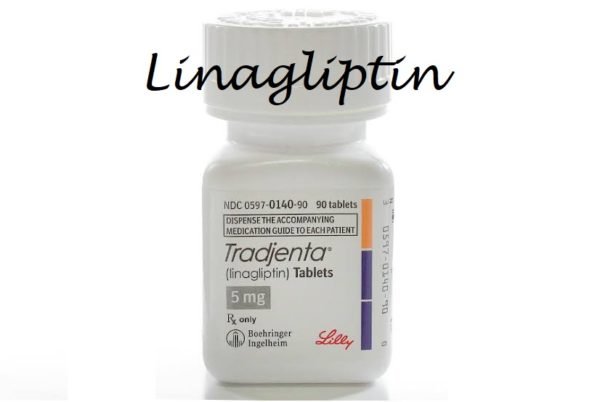
Linagliptin belongs to the class of drugs called DPP-4 inhibitors. It is available in the international market as Tradjenta, Trajenta, and others. Linagliptin like other DPP-4 inhibitors is used as an adjunct to diet and exercise in the management of Diabetes Mellitus Type 2 (as monotherapy or in combination with metformin). Because linagliptin is excreted via the biliary tract, it is considered safe in patients with hepatic or renal impairment. Studies have compared it with other gliptins and found to be equally safe and an effective drug for the treatment of diabetes mellitus type 2. It has also been launched recently as a triple combination pill by the brand name of TRIJARDY XR. TRIJARDY XR is a combination of Empagliflozin, Linagliptin, and extended-release metformin.
Linagliptin Vs Sitagliptin (Januvia and Tradjenta):
Linagliptin |
Sitagliptin |
|
|
Brands |
Tradjenta | Januvia |
|
Bioavailability |
30% | 87% |
|
Half-life elimination |
12 hours | 12.4 hours |
|
Time to peak serum concentration |
1.5 hours | 1 – 4 hours |
|
Excretion |
80% in the feces | 87% in the urine |
|
Safety in renal disease |
Safe in renal disease. One study found an improvement in kidney function after the patients were switched from sitagliptin to linagliptin [Ref]. | Requires dose adjustment if the eGFR is less than 45 ml/min |
|
Usual dose |
5 mg once daily | 50 – 100 mg once daily |
|
Efficacy |
Same as sitagliptin. | Same as linagliptin |
| However, one Chinese study found a greater improvement in the Fasting and postprandial glucose levels with linagliptin compared to sitagliptin or vildagliptin [Ref]. | ||
|
Effects on LDL-C and fatty liver |
Significantly improved compared to sitagliptin [Ref] | |
Linagliptin dose in Adults
Linagliptin dose in the treatment of Type 2 Diabetes Mellitus:
- 5 mg orally once a day.
Concomitant use of linagliptin with insulin and/or insulin secretagogues (like sulfonylureas):
-
- Reduction in the dose of sulfonylurea and insulin may be required.
Dose in children:
It is not recommended for use in children.
Linagliptin use in pregnancy: C
- Pregnancy is not recommended for Linagliptin.
- An increased chance of adverse maternal and fetal outcomes is associated with uncontrolled diabetes during pregnancy.
- These include preeclampsia and diabetic ketoacidosis.
- Before and during pregnancy, blood sugars should be within the target ranges.
- Pregnancy is a time when insulin and metformin are the most preferred antidiabetic medications.
Use while breastfeeding
- It is unknown whether linagliptin is excreted into breastmilk.
- It is important to weigh the benefits and risks of drug use during lactation.
Dose in Renal disease:
Adjustment in the dose in not necessary in kidney disease.
Dose in liver disease:
Adjustment in the dose in not necessary in liver disease.
Linagliptin Side Effects:
-
Endocrine & metabolic:
- Hypoglycemia
- Increased uric acid
-
Gastrointestinal:
- Increased serum lipase
-
Respiratory:
- Nasopharyngitis
- Cough
-
Dermatologic:
- Urticaria
-
Neuromuscular & skeletal:
- Myalgia
-
Respiratory:
- Bronchoconstriction
Linagliptin Contraindications:
- Exfoliative conditions, bronchial hyperreactivity, and urticaria may all be signs that you have severe allergic reactions.
- Use for Type 1 diabetics
Warnings & Precautions
- Arthralgia
- This can cause severe pain in the joints and arthralgia.
- Arthralgias may develop within a matter of hours or for as long as two decades after treatment has been initiated.
- The symptoms can disappear if the treatment is stopped but could return if the treatment is restarted.
- Bullous pemphigoid
- Liningriptin has been associated with bullous eruptions, bullous pemphigoid and other cases of bullous pemphigoid.
- Patients should report any blisters or eruptions.
- Patients should discontinue receiving treatment and see a dermatologist.
- A discontinuation of a drug could lead to improvements.
- Hypersensitivity reactions
- Severe allergic reactions are possible.
- Many patients experience allergic reactions within three to six months of receiving therapy.
- Stop using the medication immediately if you experience an allergic reaction.
- Patients with angioedema due to DPP-4 inhibitors need to be advised.
- Pancreatitis
- DPP-4 may cause pancreatitis.
- Patients should be monitored closely for symptoms and signs of pancreatitis.
- Patients with past pancreatitis should be cautious about using this drug.
- Bariatric Surgery
- Absorption modified:
- Bariatric surgery can alter the absorption and transport processes of drugs.
- Lininguliptin's therapeutic efficacy for bariatric surgery patients
- DPP-4 Inhibitors have been well tolerated by patients with diabetes who have undergone bariatric surgery.
- It is important to monitor for symptoms such as hypoglycemia and pancreatitis in patients.
- The endogenous secretion of glucagon-like prostasterone-1 (GLP-1), may rise after gastric bypass or sleeve gastrectomy.
- Absorption modified:
- Cardiovascular disease
- Heart Failure has been linked with DPP-4 inhibitors
- Liningriptin safety was proven in the CARMELINA study in patients with atherosclerotic heart disease [ Refer].
- The ADA recommends that patients with heart failure use DPP-4 inhibitors, but not Saxagliptin.
Linagliptin: Drug Interaction
|
Risk Factor C (Monitor therapy) |
|
|
Alpha-Lipoic Acid |
May enhance the hypoglycemic effect of Antidiabetic Agents. |
|
Androgens |
May enhance the hypoglycemic effect of Blood Glucose Lowering Agents. Exceptions: Danazol. |
|
Angiotensin-Converting Enzyme Inhibitors |
Dipeptidyl Peptidase-IV Inhibitors may enhance the adverse/toxic effect of Angiotensin-Converting Enzyme Inhibitors. Specifically, the risk of angioedema may be increased. |
|
Antihepaciviral Combination Products |
May increase the serum concentration of LinaGLIPtin. |
|
Bosentan |
May decrease the serum concentration of CYP3A4 Substrates (High risk with Inducers). |
|
CYP3A4 Inducers (Moderate) |
May decrease the serum concentration of CYP3A4 Substrates (High risk with Inducers). |
|
Deferasirox |
May decrease the serum concentration of CYP3A4 Substrates (High risk with Inducers). |
|
Direct Acting Antiviral Agents (HCV) |
May enhance the hypoglycemic effect of Antidiabetic Agents. |
|
Erdafitinib |
May decrease the serum concentration of CYP3A4 Substrates (High risk with Inducers). |
|
Erdafitinib |
May increase the serum concentration of P-glycoprotein/ABCB1 Substrates. |
|
Guanethidine |
May enhance the hypoglycemic effect of Antidiabetic Agents. |
|
Hyperglycemia-Associated Agents |
May diminish the therapeutic effect of Antidiabetic Agents. |
|
Hypoglycemia-Associated Agents |
Antidiabetic Agents may enhance the hypoglycemic effect of Hypoglycemia-Associated Agents. |
|
Ivosidenib |
May decrease the serum concentration of CYP3A4 Substrates (High risk with Inducers). |
|
Maitake |
May enhance the hypoglycemic effect of Blood Glucose Lowering Agents. |
|
Monoamine Oxidase Inhibitors |
May enhance the hypoglycemic effect of Blood Glucose Lowering Agents. |
|
Pegvisomant |
May enhance the hypoglycemic effect of Blood Glucose Lowering Agents. |
|
P-glycoprotein/ABCB1 Inhibitors |
May increase the serum concentration of Pglycoprotein/ABCB1 Substrates. P-glycoprotein inhibitors may also enhance the distribution of pglycoprotein substrates to specific cells/tissues/organs where p-glycoprotein is present in large amounts (e.g., brain, T-lymphocytes, testes, etc.). |
|
Prothionamide |
May enhance the hypoglycemic effect of Blood Glucose Lowering Agents. |
|
Quinolones |
May enhance the hypoglycemic effect of Blood Glucose Lowering Agents. Quinolones may diminish the therapeutic effect of Blood Glucose Lowering Agents. Specifically, if an agent is being used to treat diabetes, loss of blood sugar control may occur with quinolone use. |
|
Ranolazine |
May increase the serum concentration of P-glycoprotein/ABCB1 Substrates. |
|
Ritodrine |
May diminish the therapeutic effect of Antidiabetic Agents. |
|
Ritonavir |
May increase the serum concentration of LinaGLIPtin. |
|
Salicylates |
May enhance the hypoglycemic effect of Blood Glucose Lowering Agents. |
|
Sarilumab |
May decrease the serum concentration of CYP3A4 Substrates (High risk with Inducers). |
|
Selective Serotonin Reuptake Inhibitors |
May enhance the hypoglycemic effect of Blood Glucose Lowering Agents. |
|
Siltuximab |
May decrease the serum concentration of CYP3A4 Substrates (High risk with Inducers). |
|
Thiazide and Thiazide-Like Diuretics |
May diminish the therapeutic effect of Antidiabetic Agents. |
|
Tocilizumab |
May decrease the serum concentration of CYP3A4 Substrates (High risk with Inducers). |
|
Risk Factor D (Consider therapy modification) |
|
|
CYP3A4 Inducers (Strong) |
May decrease the serum concentration of LinaGLIPtin. Management: Strongly consider using an alternative to any strong CYP3A4 inducer in patients who are being treated with linagliptin. If this combination is used, monitor patients closely for evidence of reduced linagliptin effectiveness. |
|
Dabrafenib |
May decrease the serum concentration of CYP3A4 Substrates (High risk with Inducers). Management: Seek alternatives to the CYP3A4 substrate when possible. If concomitant therapy cannot be avoided, monitor clinical effects of the substrate closely (particularly therapeutic effects). |
|
Enzalutamide |
May decrease the serum concentration of CYP3A4 Substrates (High risk with Inducers). Management: Concurrent use of enzalutamide with CYP3A4 substrates that have a narrow therapeutic index should be avoided. Use of enzalutamide and any other CYP3A4 substrate should be performed with caution and close monitoring. |
|
Insulins |
Dipeptidyl Peptidase-IV Inhibitors may enhance the hypoglycemic effect of Insulins. Management: Consider a decrease in insulin dose when initiating therapy with a dipeptidyl peptidase-IV inhibitor and monitor patients for hypoglycemia. |
|
Lorlatinib |
May decrease the serum concentration of CYP3A4 Substrates (High risk with Inducers). Management: Avoid concurrent use of lorlatinib with any CYP3A4 substrates for which a minimal decrease in serum concentrations of the CYP3A4 substrate could lead to therapeutic failure and serious clinical consequences. |
|
Mitotane |
May decrease the serum concentration of CYP3A4 Substrates (High risk with Inducers). Management: Doses of CYP3A4 substrates may need to be adjusted substantially when used in patients being treated with mitotane. |
|
P-glycoprotein/ABCB1 Inducers |
May decrease the serum concentration of LinaGLIPtin. Management: Strongly consider using an alternative to any strong P-glycoprotein inducer in patients who are being treated with linagliptin. If this combination is used, monitor patients closely for evidence of reduced linagliptin effectiveness. |
|
Sulfonylureas |
Dipeptidyl Peptidase-IV Inhibitors may enhance the hypoglycemic effect of Sulfonylureas. Management: Consider a decrease in sulfonylurea dose when initiating therapy with a dipeptidyl peptidase-IV inhibitor and monitor patients for hypoglycemia. |
|
Risk Factor X (Avoid combination) |
|
|
Lasmiditan |
May increase the serum concentration of P-glycoprotein/ABCB1 Substrates. |
Monitor:
- Patients with low glycemic control should be monitored every three months.
- Monitor your glucose
- Be aware of signs and symptoms.
- Check your heart for signs or symptoms of heart disease.
How to administer Linagliptin (Tradjenta)?
It may be taken with or without food.
Linagliptin (Tradjenta) Mechanism of action:
- It inhibits dipeptidyl protease 4 (DPP-4). The DPP-4 enzymes activate insulin hormones (glucagon-like peptide-1 [GLP-1] and glucose-dependent, insulinotropic peptide[GIP].
- Though hormones called Incretin are released throughout a day, they rise after meals.
- DPP-4 inhibition results in an increase in active incretin.
- They also reduce glucagon secretion from pancreatic alpha cells.
- A decrease in glucagon causes a decrease of glucose hepatic sugar production.
- You can resell 70% to 80% off the drug.
Protein-boundIs concentration dependent? It isn't widely used.MetabolizedIt has a bioavailability of approximately 30% The half-life of the drug is approximately 12 hours TheTime to reach maximum serum concentrationIt takes approximately 1.5 hours. Feces excrete 80% from the drug.
Linagliptin Brands Names (International):
- Tradjenta
- Glitin
- Glucoliptin
- Ligatin
- Linajenta
- Linax
- Lino
- Prevaglip
- Tradjenta
- Trajenta
- Traneta
- Trayenta
- Trazenta
Each 5 mg tablet of Tradjenta (linagliptin) costs: $ 18.49
Linagliptin brand names in Pakistan:
It is not currently available in Pakistan.
.png)


