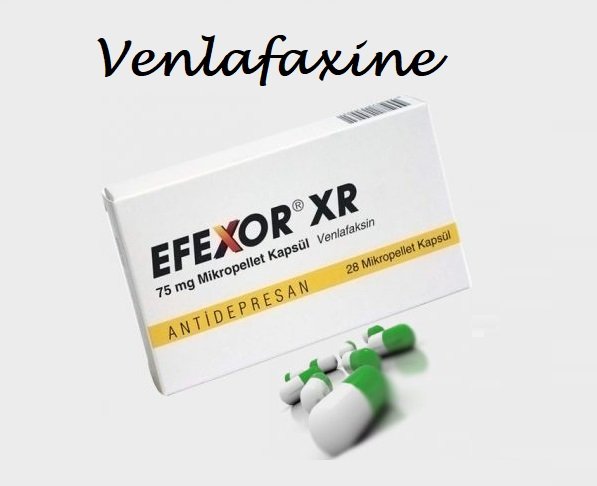
Venlafaxine (Effexor) is a selective serotonin and norepinephrine reuptake inhibitor with little effect on dopamine receptors.
It is indicated for the treatment of the following conditions:
-
Generalized anxiety disorder (extended-release capsules only)
-
Unipolar Major depressive disorder
-
Panic disorder with or without agoraphobia (extended-release capsules only)
-
Use in Social anxiety disorder or social phobia (extended-release capsules and tablets only)
-
Off Label Usage of Venlafaxine in Adults include:
-
Prevention of Episodic migraine
-
Narcolepsy along with cataplexy
-
Obsessive-compulsive disorder
-
Posttraumatic stress disorder
-
Premenstrual dysphoric disorder
-
Vasomotor symptoms with menopause
-
Neuropathic pain associated with diabetes mellitus
-
Venlafaxine (Effexor) dose in Adults
Episodic migraine prevention as off-label use:
- Extended-release:
- Initially, it is given 37.5 mg orally once a day for 3 days
- Then it is increased based on response and tolerability by 75 mg increments to a target dose of 75 to 150 mg once a day.
Generalized anxiety disorder:
- Extended-release:
- Initially, it is given 37.5 - 75 mg orally once a day
- In patients who are initiated at 37.5 mg once daily, increase it to 75 mg once daily after 4 to 7 days
- Then it can be increased by ≤75 mg/day increments at intervals of ≥4 days as tolerated by the patient
- The usual dosage is 75 to 225 mg once daily
- The maximum dose is 225 mg/day.
Major Unipolar depressive disorder:
- Extended-release:
- Initially 37.5 to 75 mg orally once daily is given
- In patients who are started at 37.5 mg once a day then it can be increased to 75 mg once daily after 4 to 7 days
- Then it may be increased in increments of ≤75 mg/day at intervals of ≥4 days based on response and tolerability (slower increase every 2 to 4 weeks are appropriate in less clinically urgent situations)
- Usual dosage is 75 to 225 mg once daily
- Some physicians use more rapid titrations (every 48 - 72 hrs) in combination with an antipsychotic (eg, quetiapine) for patients with psychotic features .
- Immediate-release:
- Initially, 37.5 to 75 mg/day is given orally
- Daily doses more than 37.5 mg are administered in 2 or 3 divided doses
- Then it may be increased in increments of ≤75 mg/day at intervals of ≥4 days based on response and tolerability by patients
- The usual dosage is 75 to 375 mg/day
- The maximum dose is 375 mg/day.
Dose in the treatment of Narcolepsy with cataplexy (off-label):
- Immediate release and extended-release:
- Some physicians suggest doses of 37.5 to 75 mg orally twice a day (immediate-release) or 37.5 to 150 mg once a day (extended release).
- It should be initiated at a low dose and slowly increased based on response and tolerability.
Off label dosage in the treatment of Neuropathic pain associated with diabetes mellitus :
- Extended-release:
- Initially 37.5 mg or 75 mg orally once daily is given
- Then increase by 75 mg each week to a maximum dosage of 225 mg once a day based on tolerance and effect.
Off label dosage as an alternative agent in the treatment of Obsessive-compulsive disorder :
It is used as an alternative for patients with limited or no response to SSRI therapy.
- Immediate release and extended-release:
- Initially 75 mg orally once a day is given for extended-release
- It can be also given 75 mg/day in 3 divided doses for immediate release
- Increase in dose is done as of 75 mg every 2 weeks to 225 mg/day.
- A further increase is based on response and tolerability up to 350 mg/day
Dosage in the treatment of Panic disorder:
- Extended-release:
- Initially, 37.5 mg orally once daily for 7 days is given
- Then it may be increased to 75 mg once daily after 7 days
- Then it may be increased by ≤75 mg/day increments at intervals of ≥7 days
- The usual dosage is 75 to 225 mg once daily
- The maximum dose is 225 mg/day.
Off label Dosage in the treatment of Posttraumatic stress disorder:
- Extended-release:
- Initially 37.5 mg orally once daily is given
- Then increase is based on response and tolerability by ≤75 mg/day increments at intervals of ≥4 days up to 300 mg once in 24 hours.
Off label Dosage as an alternative agent in the treatment of Premenstrual dysphoric disorder :
Continuous daily dosing regimen: Oral:
- Extended-release:
- 37.5 mg orally once daily is given initially
- Over the first month, increase to a usual effective dose of 75 mg once a day
- In subsequent menstrual cycles, further increases in dose (eg, in 37.5 mg increments per menstrual cycle) up to 150 mg/day could be necessary for some patients for optimal response.
Dosage in the treatment of Social anxiety disorder:
- Extended-release:
- Initially 37.5 mg orally once daily is given
- Usually, it is increased to 75 mg/day after 1 to 2 weeks.
- Then it may be continued to increase in increments of 75 mg each week based on response and tolerability up to 225 mg once a day
- The initial and maximum dose is 75 mg/day.
Off label Dosage in the treatment of Vasomotor symptoms associated with menopause (alternative agent):
An alternative for patients unable or not willing to take estrogen.
- Immediate release and extended-release:
- Initially 37.5 mg orally once daily is given
- Then it may be increased after ≥1 week based on response and tolerability to 75 mg once daily for extended-release
- It can also be increased to 75 mg/day in 2 to 3 divided doses for immediate release
- Dosing conversion:
- Patients given a therapeutic dose with venlafaxine immediate-release can be switched to venlafaxine ER at the nearest equivalent dose (mg/day).
- Following the formulation switch, individual dosage adjustments can be necessary.
- Discontinuation of therapy:
- Treatment should be gradually tapered off over 2 - 4 weeks to lessen withdrawal symptoms and detect any new symptoms.
- Patients with a prior history of withdrawal symptoms upon discontinuation and those on long-acting antidepressants especially those on high doses should be advised a more gradual tapering regimen.
- If the patient’s symptoms reappear, restart the previous dose on which the patient was stable and then start tapering more slowly.
-
Switching antidepressants:
There are 2 strategies :
- Cross-titration (gradually discontinuing the 1st antidepressant while at the same time gradually increasing the new antidepressant)
- Direct switch (abruptly discontinuing the 1st antidepressant and then starting the new antidepressant at an equivalent dose or lower dose and increasing it slowly).
- Cross-titration:
- This method is usually followed especially when venlafaxine or the other antidepressant has been used for more than 2 – 4 weeks.
- One drug is gradually tapered while the dose of the other drug is increased gradually at the same time.
- Direct switch:
- The direct switch is the abrupt discontinuation of one drug and initiating the other drug at an equivalent dose.
- This method may be appropriate in cases where the drug has been used for less than 1 – 2 weeks or when the drug is discontinued because of the adverse effects.
- Cross-titration:
-
Switching to or from an MAOI:
At least a 14 days drug-free interval should be allowed when switching from an MAOI to venlafaxine and vice versa. - Cross titration is contraindicated when switching from an MAOI to an SSRI and vice versa.
Venlafaxine (Effexor) Dose in Childrens
Attention-deficit hyperactivity disorder (ADHD):
- Children and Adolescents 8 to <17 years:
- Immediate release:
- Initially 12.5 mg orally is given with plan to titrate
- In children weighing <40 kg, it should be increased by 12.5 mg/week to maximum daily dose of 50 mg/day in 2 divided doses
- In children weighing ≥40 kg, it should be increased by 25 mg/week to a maximum daily dose of 75 mg/day in 3 divided doses
- Immediate release:
Dosage in the treatment of Autism spectrum disorders:
- Children ≥ 3 years and Adolescents:
- Oral:
- Immediate release:
- The initial dose of 12.5 mg/day is given once daily at breakfast
- It is then gradually titrated based on clinical response and side effects
- The dosage range is 6.25 to 50 mg/day
Dose in the treatment of Depression:
- Children ≥7 years and Adolescents ≤17 years:
- Due to increased concerns for suicide, venlafaxine should be given in those pediatric patients with major depression who do not respond to fluoxetine or sertraline.
- Immediate release:
- Dosage is initiated at 12.5 mg once a day orally for 3 days
- It is then increased to 12.5 mg twice daily for 3 day
- Followed by 12.5 mg given 3 times/day
- For adolescents 13 to 17 years
- Dosage is initiated at 25 mg once daily for 3 days
- It is then increased to 25 mg twice daily for 3 days
- It is followed by 25 mg given 3 times/day
- Immediate release:
-
Discontinuation of therapy:
- Upon stopping antidepressant therapy, gradually lower the dose to minimize the incidence of withdrawal symptoms and allowing detection of re-emerging symptoms.
- APA and NICE guidelines advise tapering therapy over at least several weeks with consideration to the half-life of the antidepressant
- Antidepressants with a shorter half-life may be needed to be tapered more conservatively.
- Additionally, for long-term treated patients, WFSBP guidelines recommend tapering over 4 to 6 months.
- If intolerable withdrawal symptoms start following a dose reduction, consider restarting the previously prescribed dose and/or lower dose at a more gradual rate
-
MAO inhibitor recommendations:
- Switching to or from an MAO inhibitor required to treat psychiatric disorders:
- Allow 2 weeks to pass between discontinuing an MAO inhibitor intended to treat psychiatric disorders and starting venlafaxine.
- Allow 1 week to elapse between discontinuing venlafaxine and starting of an MAO inhibitor intended to treat psychiatric disorders.
-
Use with other MAO inhibitors (linezolid or IV methylene blue):
- Do not start venlafaxine in patients receiving linezolid or IV methylene blue.
- If urgent treatment with linezolid or IV methylene blue is needed in a patient already using venlafaxine and potential benefits outweigh potential risks, stop venlafaxine promptly and give linezolid or IV methylene blue.
- Monitor for serotonin syndrome for 1 week or until 24 hours after the last dose of linezolid or IV methylene blue, whichever comes first.
- Venlafaxine can be resumed 24 hours after the last dose of linezolid or IV methylene blue.
Pregnancy Risk Factor C
- Some animal reproduction studies have shown adverse events.
- Venlafaxine, and its active metabolite ODV, can cross the placenta.
- Based on the available data, there has been no evidence of an increase in teratogenic effects following venlafaxine administration during pregnancy.
- There is a greater chance of spontaneous abortion.
- Case reports involving maternal use of venlafaxine during pregnancy have shown neonatal seizures and neonatal abstinence symptoms.
- The newborn may experience non-teratogenic effects from SSRI/SNRI late in the third trimester. These include respiratory distress, cyanosis and seizures, temperature instability. vomiting. hypoglycemia. Hypertonia. hyperreflexia. jitteriness. irritability. tremor.
- Symptoms may be caused by toxicity of SNRIs or a discontinuation syndrome. They can also be consistent with serotonin syndrome that is associated with treatment.
- Some pharmacokinetic parameters may need to be modified due to pregnancy-induced physiological changes. Reduced efficacy in women should be monitored.
- ACOG recommends that therapy with SSRIs and SNRIs during pregnancy should be individualized
- The clinical expertise of the mental healthcare provider, obstetrician and primary health care provider should all be used to treat depression in pregnancy.
- The American Psychiatric Association states that medication treatment can have side effects and should be considered in conjunction with other treatments.
- Women who have stopped antidepressant medication during pregnancy or who are at high risk of postpartum depression can resume their medications after delivery.
Use of venlafaxine while breastfeeding
- Breast milk contains venlafaxine as well as the active metabolite ODV.
- The RID should be less than 10%. In general, breastfeeding can be accepted. Some sources mention that breastfeeding should not be considered if psychotropic agents have a RID of less than 5%.
- Infant serum also contained ODV and Venlafaxine.
- Mothers who have been prescribed psychotropic medication should monitor their infants daily for any changes in sleep, feeding, behavior, or infant growth.
- When deciding whether to stop or continue breastfeeding during therapy, it is important to consider the risks to infants, the benefits to the infant and the benefits to the mother.
- Agents other than venlafaxine should be used when a woman is breastfeeding and the antidepressant is being started for the first time.
- If there are no contraindications, women who have been successfully treated with venlafaxine in pregnancy can continue to use it while breastfeeding.
Venlafaxine (Effexor) dose in Kidney Disease:
- Extended-release
- CrCl 30 - 89 mL/minute
- You can reduce your daily dose by 25% to half.
- CrCl 30mL/minute
- You can reduce your daily total dose by at least 50%
- Hemodialysis
- You can reduce your daily total dose by at least 50%
- Instant-release
- GFR 10 to 70% mL/minute
- You can reduce your daily total dose by 25%
- GFR 10mL/minute
- The manufacturer's labeling does not contain any dosage adjustments (hasn't been studied); please use caution.
- Hemodialysis
- Reducing daily intake by 50%
- GFR 10 to 70% mL/minute
- CrCl 30 - 89 mL/minute
Venlafaxine (Effexor) Dose in Liver Disease:
- Mild to moderate liver impairment (Child Puugh class A or B)
- Reduce daily total dose by 50%
- Severe hepatic impairment (Child Puugh class C).
- Patients with cirrhosis should reduce their daily total dose by at least 50%
Actual frequency may be dependent upon formulation and/or indication.
Common Side Effects of Venlafaxine (Effexor) Include:
- Central Nervous System:
- Insomnia
- Dizziness
- Drowsiness
- Dermatologic:
- Diaphoresis
- Gastrointestinal:
- Nausea
- Xerostomia
- Neuromuscular & Skeletal:
- Weakness
Less Common Side Effects of Venlafaxine Include:
- Cardiovascular:
- Vasodilation
- Hypotension
- Orthostatic Hypotension
- Syncope
- Tachycardia
- Increased Blood Pressure
- Central Nervous System:
- Nervousness
- Yawning
- Anorgasmia
- Abnormal Dreams
- Paresthesia
- Agitation
- Akathisia
- Apathy
- Chills
- Confusion
- Depersonalization
- Hallucination
- Hypertonia
- Manic Reaction
- Myoclonus
- Seizure
- Dermatologic:
- Alopecia
- Ecchymoses
- Pruritus
- Skin Photosensitivity
- Skin Rash
- Urticaria
- Endocrine & Metabolic:
- Orgasm Abnormal
- Decreased Libido
- Hypercholesterolemia
- Hypermenorrhea
- Weight Gain
- Weight Loss
- Gastrointestinal:
- Anorexia
- Constipation
- Diarrhea
- Vomiting
- Bruxism
- Dysgeusia
- Gastrointestinal Hemorrhage
- Genitourinary:
- Ejaculatory Disorder
- Impotence
- Abnormal Uterine Bleeding
- Urinary Frequency
- Urinary Incontinence
- Urinary Retention
- Urination Disorder
- Neuromuscular & Skeletal:
- Tremor
- Ophthalmic:
- Visual Disturbance
- Accommodation Disturbance
- Mydriasis
- Otic:
- Tinnitus
Frequency Not Defined:
- Cardiovascular:
- Hypertension
- Increased Pulse
- Central Nervous System:
- Suicidal Ideation
- Endocrine & Metabolic:
- Increased Serum Triglycerides
- Hematologic & Oncologic:
- Hematoma
- Petechia
- Respiratory:
- Epistaxis
Contraindication to Venlafaxine Include:
- Allergy reactions to venlafaxine and any component of this formulation
- Use of MAOIs to treat psychiatric disorders simultaneously or within 14 days after stopping the MAOI;
- Within 7 days of stopping venlafaxine, initiate MAOI to treat mental disorders
- Patients receiving IV methyleneblue or linezolid should be started.
Warnings and precautions
- Anxiety and insomnia
- An increase in anxiety, nervousness and insomnia can be a result.
- Bleeding Risk:
- Use of anticoagulants such as warfarin, aspirin, NSAIDs, or other anticoagulants can cause platelet aggregation to be impaired, which can increase the risk of bleeding events.
- Bleeding caused by SSRI/SNRI use can range from minor bruising and epistaxis up to life-threatening hemorhage.
- Depression in the CNS:
- It is unlikely to cause impairments in motor or cognitive performance.
- It is important to exercise caution when operating dangerous machinery or driving.
- Dyslipidemia
- It can cause significant increases in serum total cholesterol or triglycerides.
- Long-term monitoring is necessary
- Fractures
- Antidepressant treatment has been shown to reduce bone fractures.
- Fragility fractures are possible in patients with undiagnosed bone pains, point tenderness or bruising.
- Hypertension
- There have been reports of dose-related spikes in diastolic and systolic blood pressure.
- Keep your blood pressure under control. If you notice persistent increases, reduce or stop taking the medication.
- Ocular effects
- It can cause mild pupillary dilation, which can in some cases lead to narrow-angle glaucoma.
- You might consider examining patients who haven't had an iridectomy to reduce narrow-angle glaucoma risks.
- Events in the pulmonary system:
- Rare cases of interstitial lung disease or eosinophilic pneumonia have been reported.
- This could manifest as chest pain, progressive dyspnea or cough.
- It may be necessary to have a prompt evaluation and possibly stop the therapy.
- Serotonin syndrome
- Serotonin syndrome, a potentially fatal condition, is associated with the use and abuse of serotonin.SSRIs. Patients who have the following symptoms should be suspect:
- Mental status changes (hallucinations and agitations, delirium and coma).
- autonomic instability: sweating, resting bradycardia/ tachycardia and changes in blood pressure
- Neurological features (rigidity and tremor, seizures and myoclonus).
- Gastrointestinal symptoms such as nausea, diarrhea, and vomiting can include:
- Sexual dysfunction
- It can cause or exacerbate sexual dysfunction.
- SIADH and Hyponatremia
- It could lead to reversible SIADH caused by hyponatremia.
- Seizures may result from sodium levels below 120 mEq/l
- The elderly and diuretics-addicted patients are at greatest risk for hyponatremia.
- Anorectic effects and weight loss
- Both pediatric and adult patients have experienced dose-dependent weight loss.
- Cardiovascular disease
- It can cause an increase in blood pressure and tachycardia.
- It is important to control hypertension before venlafaxine can be started.
- Patients with a history of myocardial injury, CVD, unstable or hyperthyroidism should be cautious.
- The dose of hypertensive effects is related and increases are usually modest (12-15 mm Hg diastolic).
- Hepatic impairment
- Be careful
- Plasma concentrations are higher and clearance is lower.
- It is advised to reduce dosage.
- Hypomania and mania:
- This could lead to hypomania or mania in bipolar disorder patients. Patients with bipolar disorder shouldn't be treated in monotherapy.
- Patients with depressive symptoms need to be evaluated for bipolar disorder.
- This includes details about family history, suicide attempts, bipolar disorder, depression, and other mental disorders.
- It has not been approved by the FDA for treatment of bipolar disorder.
- Renal impairment
- Be careful
- Plasma concentrations are higher and renal clearance is lower.
- It is advised to reduce dosage.
- Seizure disorders
- Patients with a history of seizure disorders should be cautious.
- Seizure sufferers should be treated immediately.
Venlafaxine: Drug Interaction
|
Agents with Antiplatelet Properties (e.g., P2Y12 inhibitors, NSAIDs, SSRIs, etc.) |
May enhance the antiplatelet effect of other Agents with Antiplatelet Properties. |
|
Ajmaline |
May increase the serum concentration of CYP2D6 Substrates (High risk with Inhibitors). |
|
Alpha2-Agonists |
Serotonin/Norepinephrine Reuptake Inhibitors may diminish the antihypertensive effect of Alpha2-Agonists. Exceptions: Apraclonidine. |
|
Anticoagulants |
Agents with Antiplatelet Properties may enhance the anticoagulant effect of Anticoagulants. Exceptions: Bemiparin; Enoxaparin; Heparin. |
|
Antiemetics (5HT3 Antagonists) |
May enhance the serotonergic effect of Serotonin Modulators. This could result in serotonin syndrome. |
|
Antipsychotic Agents |
Serotonin Modulators may enhance the adverse/toxic effect of Antipsychotic Agents. Specifically, serotonin modulators may enhance dopamine blockade, possibly increasing the risk for neuroleptic malignant syndrome. Antipsychotic Agents may enhance the serotonergic effect of Serotonin Modulators. This could result in serotonin syndrome. |
|
Apixaban |
Agents with Antiplatelet Properties may enhance the adverse/toxic effect of Apixaban. Specifically, the risk for bleeding may be increased. Management: Carefully consider risks and benefits of this combination and monitor closely. |
|
Aprepitant |
May increase the serum concentration of CYP3A4 Substrates (High risk with Inhibitors). |
|
ARIPiprazole |
CYP2D6 Inhibitors (Weak) may increase the serum concentration of ARIPiprazole. Management: Monitor for increased aripiprazole pharmacologic effects. Aripiprazole dose adjustments may or may not be required based on concomitant therapy and/or indication. Consult full interaction monograph for specific recommendations. |
|
Aspirin |
Serotonin/Norepinephrine Reuptake Inhibitors may enhance the antiplatelet effect of Aspirin. |
|
Bosentan |
May decrease the serum concentration of CYP3A4 Substrates (High risk with Inducers). |
|
Brexanolone |
Serotonin/Norepinephrine Reuptake Inhibitors may enhance the CNS depressant effect of Brexanolone. |
|
Cephalothin |
|
|
CloBAZam |
May increase the serum concentration of CYP2D6 Substrates (High risk with Inhibitors). |
|
Clofazimine |
May increase the serum concentration of CYP3A4 Substrates (High risk with Inhibitors). |
|
Collagenase (Systemic) |
Agents with Antiplatelet Properties may enhance the adverse/toxic effect of Collagenase (Systemic). Specifically, the risk of injection site bruising and/or bleeding may be increased. |
|
CYP2D6 Inhibitors (Moderate) |
May decrease the metabolism of CYP2D6 Substrates (High risk with Inhibitors). |
|
CYP3A4 Inducers (Moderate) |
May decrease the serum concentration of CYP3A4 Substrates (High risk with Inducers). |
|
CYP3A4 Inhibitors (Moderate) |
May decrease the metabolism of CYP3A4 Substrates (High risk with Inhibitors). |
|
Dabigatran Etexilate |
Agents with Antiplatelet Properties may enhance the anticoagulant effect of Dabigatran Etexilate. Agents with Antiplatelet Properties may increase the serum concentration of Dabigatran Etexilate. This mechanism applies specifically to clopidogrel. Management: Carefully consider risks and benefits of this combination and monitor closely; Canadian labeling recommends avoiding prasugrel or ticagrelor. |
|
Dasatinib |
May enhance the anticoagulant effect of Agents with Antiplatelet Properties. Management: Drugs listed as exceptions to this monograph are discussed in further detail in separate drug interaction monographs. |
|
Deferasirox |
May decrease the serum concentration of CYP3A4 Substrates (High risk with Inducers). |
|
Deoxycholic Acid |
Agents with Antiplatelet Properties may enhance the adverse/toxic effect of Deoxycholic Acid. Specifically, the risk for bleeding or bruising in the treatment area may be increased. |
|
Duvelisib |
May increase the serum concentration of CYP3A4 Substrates (High risk with Inhibitors). |
|
Edoxaban |
Agents with Antiplatelet Properties may enhance the adverse/toxic effect of Edoxaban. Specifically, the risk of bleeding may be increased. |
|
Erdafitinib |
May decrease the serum concentration of CYP3A4 Substrates (High risk with Inducers). |
|
Erdafitinib |
May increase the serum concentration of CYP3A4 Substrates (High risk with Inhibitors). |
|
Fat Emulsion (Fish Oil Based) |
May enhance the adverse/toxic effect of Agents with Antiplatelet Properties. |
|
Fosaprepitant |
May increase the serum concentration of CYP3A4 Substrates (High risk with Inhibitors). |
|
Fosnetupitant |
May increase the serum concentration of CYP3A4 Substrates (High risk with Inhibitors). |
|
Glucosamine |
May enhance the antiplatelet effect of Agents with Antiplatelet Properties. |
|
Ibritumomab Tiuxetan |
Agents with Antiplatelet Properties may enhance the adverse/toxic effect of Ibritumomab Tiuxetan. Both agents may contribute to impaired platelet function and an increased risk of bleeding. |
|
Ibrutinib |
May enhance the adverse/toxic effect of Agents with Antiplatelet Properties. |
|
Imatinib |
May increase the serum concentration of CYP2D6 Substrates (High risk with Inhibitors). |
|
Indinavir |
Venlafaxine may decrease the serum concentration of Indinavir. |
|
Inotersen |
May enhance the antiplatelet effect of Agents with Antiplatelet Properties. |
|
Ioflupane I 123 |
Serotonin/Norepinephrine Reuptake Inhibitors may diminish the diagnostic effect of Ioflupane I 123. |
|
Ivosidenib |
May decrease the serum concentration of CYP3A4 Substrates (High risk with Inducers). |
|
Larotrectinib |
May increase the serum concentration of CYP3A4 Substrates (High risk with Inhibitors). |
|
Limaprost |
May enhance the antiplatelet effect of Agents with Antiplatelet Properties. |
|
Lumefantrine |
May increase the serum concentration of CYP2D6 Substrates (High risk with Inhibitors). |
|
Metaxalone |
May enhance the serotonergic effect of Serotonin Modulators. This could result in serotonin syndrome. |
|
Methylphenidate |
May enhance the adverse/toxic effect of Serotonin Modulators. Specifically, the risk of serotonin syndrome or serotonin toxicity may be increased. |
|
Multivitamins/Fluoride (with ADE) |
May enhance the antiplatelet effect of Agents with Antiplatelet Properties. |
|
Multivitamins/Minerals (with ADEK, Folate, Iron) |
May enhance the antiplatelet effect of Agents with Antiplatelet Properties. |
|
Multivitamins/Minerals (with AE, No Iron) |
May enhance the antiplatelet effect of Agents with Antiplatelet Properties. |
|
Netupitant |
May increase the serum concentration of CYP3A4 Substrates (High risk with Inhibitors). |
|
Nonsteroidal Anti-Inflammatory Agents (Nonselective) |
Serotonin/Norepinephrine Reuptake Inhibitors may enhance the antiplatelet effect of Nonsteroidal Anti-Inflammatory Agents (Nonselective). |
|
Obinutuzumab |
Agents with Antiplatelet Properties may enhance the adverse/toxic effect of Obinutuzumab. Specifically, the risk of serious bleeding-related events may be increased. |
|
Omega-3 Fatty Acids |
May enhance the antiplatelet effect of Agents with Antiplatelet Properties. |
|
Opioid Agonists |
May enhance the serotonergic effect of Serotonin Modulators. This could result in serotonin syndrome. |
|
Palbociclib |
May increase the serum concentration of CYP3A4 Substrates (High risk with Inhibitors). |
|
Panobinostat |
May increase the serum concentration of CYP2D6 Substrates (High risk with Inhibitors). |
|
Peginterferon Alfa-2b |
May decrease the serum concentration of CYP2D6 Substrates (High risk with Inhibitors). Peginterferon Alfa-2b may increase the serum concentration of CYP2D6 Substrates (High risk with Inhibitors). |
|
Pentosan Polysulfate Sodium |
May enhance the adverse/toxic effect of Agents with Antiplatelet Properties. Specifically, the risk of bleeding may be increased by concurrent use of these agents. |
|
Pentoxifylline |
May enhance the antiplatelet effect of Agents with Antiplatelet Properties. |
|
Perhexiline |
CYP2D6 Inhibitors (Weak) may increase the serum concentration of Perhexiline. |
|
Perhexiline |
CYP2D6 Substrates (High risk with Inhibitors) may increase the serum concentration of Perhexiline. Perhexiline may increase the serum concentration of CYP2D6 Substrates (High risk with Inhibitors). |
|
Propafenone |
May increase the serum concentration of Venlafaxine. Management: Monitor for increased venlafaxine levels/adverse effects (e.g., hallucinations, agitation, confusion) with propafenone initiation/dose increase. Conversely, monitor for decreased venlafaxine levels with profapenone discontinuation/dose decrease. |
|
Prostacyclin Analogues |
May enhance the antiplatelet effect of Agents with Antiplatelet Properties. |
|
QuiNINE |
May increase the serum concentration of CYP2D6 Substrates (High risk with Inhibitors). |
|
Rivaroxaban |
Agents with Antiplatelet Properties may enhance the anticoagulant effect of Rivaroxaban. Management: Carefully consider risks and benefits of this combination and monitor closely; Canadian labeling recommends avoiding prasugrel or ticagrelor. |
|
Salicylates |
Agents with Antiplatelet Properties may enhance the adverse/toxic effect of Salicylates. Increased risk of bleeding may result. |
|
Sarilumab |
May decrease the serum concentration of CYP3A4 Substrates (High risk with Inducers). |
|
Serotonin Modulators |
May enhance the adverse/toxic effect of other Serotonin Modulators. The development of serotonin syndrome may occur. Exceptions: Nicergoline; Tedizolid. |
|
Siltuximab |
May decrease the serum concentration of CYP3A4 Substrates (High risk with Inducers). |
|
Simeprevir |
May increase the serum concentration of CYP3A4 Substrates (High risk with Inhibitors). |
|
Solriamfetol |
Venlafaxine may enhance the hypertensive effect of Solriamfetol. |
|
Tedizolid |
May enhance the serotonergic effect of Serotonin Modulators. This could result in serotonin syndrome. |
|
Thrombolytic Agents |
Agents with Antiplatelet Properties may enhance the anticoagulant effect of Thrombolytic Agents. |
|
Tocilizumab |
May decrease the serum concentration of CYP3A4 Substrates (High risk with Inducers). |
|
TraMADol |
Serotonin Modulators may enhance the adverse/toxic effect of TraMADol. The risk of seizures may be increased. TraMADol may enhance the serotonergic effect of Serotonin Modulators. This could result in serotonin syndrome. |
|
Vitamin E (Systemic) |
May enhance the antiplatelet effect of Agents with Antiplatelet Properties. |
|
Vitamin K Antagonists (eg, warfarin) |
Venlafaxine may enhance the adverse/toxic effect of Vitamin K Antagonists. Specifically, the risk for bleeding may be increased. |
|
Voriconazole |
May enhance the adverse/toxic effect of Venlafaxine. Voriconazole may increase the serum concentration of Venlafaxine. |
|
Risk Factor D (Consider therapy modification) |
|
|
Abiraterone Acetate |
May increase the serum concentration of CYP2D6 Substrates (High risk with Inhibitors). Management: Avoid concurrent use of abiraterone with CYP2D6 substrates that have a narrow therapeutic index whenever possible. When concurrent use is not avoidable, monitor patients closely for signs/symptoms of toxicity. |
|
Alcohol (Ethyl) |
May enhance the adverse/toxic effect of Serotonin/Norepinephrine Reuptake Inhibitors. Specifically, risks of psychomotor impairment may be enhanced. Alcohol (Ethyl) may enhance the hepatotoxic effect of Serotonin/Norepinephrine Reuptake Inhibitors. Particularly duloxetine and milnacipran. Management: Patients receiving serotonin/norepinephrine reuptake inhibitors (SNRIs) should be advised to avoid alcohol. Monitor for increased psychomotor impairment and hepatotoxicity in patients who consume alcohol during treatment with SNRIs. |
|
Alpha-/Beta-Agonists |
Serotonin/Norepinephrine Reuptake Inhibitors may enhance the tachycardic effect of Alpha-/Beta-Agonists. Serotonin/Norepinephrine Reuptake Inhibitors may enhance the vasopressor effect of Alpha-/Beta-Agonists. |
|
Asunaprevir |
May increase the serum concentration of CYP2D6 Substrates (High risk with Inhibitors). |
|
Bemiparin |
Agents with Antiplatelet Properties may enhance the anticoagulant effect of Bemiparin. Management: Avoid concomitant use of bemiparin with antiplatelet agents. If concomitant use is unavoidable, monitor closely for signs and symptoms of bleeding. |
|
CYP2D6 Inhibitors (Strong) |
May decrease the metabolism of CYP2D6 Substrates (High risk with Inhibitors). |
|
CYP3A4 Inducers (Strong) |
May increase the metabolism of CYP3A4 Substrates (High risk with Inducers). Management: Consider an alternative for one of the interacting drugs. Some combinations may be specifically contraindicated. Consult appropriate manufacturer labeling. |
|
CYP3A4 Inhibitors (Strong) |
May decrease the metabolism of CYP3A4 Substrates (High risk with Inhibitors). |
|
Dabrafenib |
May decrease the serum concentration of CYP3A4 Substrates (High risk with Inducers). Management: Seek alternatives to the CYP3A4 substrate when possible. If concomitant therapy cannot be avoided, monitor clinical effects of the substrate closely (particularly therapeutic effects). |
|
Dacomitinib |
May increase the serum concentration of CYP2D6 Substrates (High risk with Inhibitors). Management: Avoid concurrent use of dacomitinib with CYP2D6 subtrates that have a narrow therapeutic index. |
|
Enoxaparin |
Agents with Antiplatelet Properties may enhance the anticoagulant effect of Enoxaparin. Management: Discontinue antiplatelet agents prior to initiating enoxaparin whenever possible. If concomitant administration is unavoidable, monitor closely for signs and symptoms of bleeding. |
|
Enzalutamide |
May decrease the serum concentration of CYP3A4 Substrates (High risk with Inducers). Management: Concurrent use of enzalutamide with CYP3A4 substrates that have a narrow therapeutic index should be avoided. Use of enzalutamide and any other CYP3A4 substrate should be performed with caution and close monitoring. |
|
Heparin |
Agents with Antiplatelet Properties may enhance the anticoagulant effect of Heparin. Management: Decrease the dose of heparin or agents with antiplatelet properties if coadministration is required. |
|
Herbs (Anticoagulant/Antiplatelet Properties) (eg, Alfalfa, Anise, Bilberry) |
May enhance the adverse/toxic effect of Agents with Antiplatelet Properties. Bleeding may occur. Management: Avoid combination when possible. If used, monitor more closely for evidence of bleeding. Discontinue herbal products with anticoagulant or antiplatelet actions 2 weeks prior to surgical, dental, or invasive procedures. |
|
Linezolid |
May enhance the serotonergic effect of Serotonin/Norepinephrine Reuptake Inhibitors. This could result in serotonin syndrome. Management: Consider alternatives to this combination whenever possible, and discontinue serotonin/norepinephrine reuptake inhibitors (SNRIs) prior to administration of linezolid. |
|
Linezolid |
May enhance the serotonergic effect of Serotonin Modulators. This could result in serotonin syndrome. Management: Due to a risk of serotonin syndrome/serotonin toxicity, discontinue serotonin modulators 2 weeks prior to the administration of linezolid. If urgent initiation of linezolid is needed, discontinue serotonin modulators immediately and monitor closely. |
|
Lorlatinib |
May decrease the serum concentration of CYP3A4 Substrates (High risk with Inducers). Management: Avoid concurrent use of lorlatinib with any CYP3A4 substrates for which a minimal decrease in serum concentrations of the CYP3A4 substrate could lead to therapeutic failure and serious clinical consequences. |
|
Metoclopramide |
May enhance the adverse/toxic effect of Serotonin/Norepinephrine Reuptake Inhibitors. Management: Seek alternatives to this combination when possible. Monitor patients receiving metoclopramide with serotonin/norepinephrine reuptake inhibitors for signs of extrapyramidal symptoms, neuroleptic malignant syndrome, and serotonin syndrome. |
|
MiFEPRIStone |
May increase the serum concentration of CYP3A4 Substrates (High risk with Inhibitors). Management: Minimize doses of CYP3A4 substrates, and monitor for increased concentrations/toxicity, during and 2 weeks following treatment with mifepristone. Avoid cyclosporine, dihydroergotamine, ergotamine, fentanyl, pimozide, quinidine, sirolimus, and tacrolimus. |
|
Mitotane |
May decrease the serum concentration of CYP3A4 Substrates (High risk with Inducers). Management: Doses of CYP3A4 substrates may need to be adjusted substantially when used in patients being treated with mitotane. |
|
Pitolisant |
May decrease the serum concentration of CYP3A4 Substrates (High risk with Inducers). Management: Combined use of pitolisant with a CYP3A4 substrate that has a narrow therapeutic index should be avoided. Other CYP3A4 substrates should be monitored more closely when used with pitolisant. |
|
St John's Wort |
May decrease the serum concentration of CYP3A4 Substrates (High risk with Inducers). Management: Consider an alternative for one of the interacting drugs. Some combinations may be specifically contraindicated. Consult appropriate manufacturer labeling. |
|
Stiripentol |
May increase the serum concentration of CYP3A4 Substrates (High risk with Inhibitors). Management: Use of stiripentol with CYP3A4 substrates that are considered to have a narrow therapeutic index should be avoided due to the increased risk for adverse effects and toxicity. Any CYP3A4 substrate used with stiripentol requires closer monitoring. |
|
TraZODone |
Venlafaxine may enhance the serotonergic effect of TraZODone. This could result in serotonin syndrome. |
|
Risk Factor X (Avoid combination) |
|
|
Bromopride |
May enhance the adverse/toxic effect of Serotonin/Norepinephrine Reuptake Inhibitors. |
|
Conivaptan |
May increase the serum concentration of CYP3A4 Substrates (High risk with Inhibitors). |
|
Dapoxetine |
May enhance the adverse/toxic effect of Serotonin Modulators. |
|
Fusidic Acid (Systemic |
May increase the serum concentration of CYP3A4 Substrates (High risk with Inhibitors). |
|
Idelalisib |
May increase the serum concentration of CYP3A4 Substrates (High risk with Inhibitors). |
|
Iobenguane Radiopharmaceutical Products |
Serotonin/Norepinephrine Reuptake Inhibitors may diminish the therapeutic effect of Iobenguane Radiopharmaceutical Products. Management: Discontinue all drugs that may inhibit or interfere with catecholamine transport or uptake for at least 5 biological half-lives before iobenguane administration. Do not administer these drugs until at least 7 days after each iobenguane dose. |
|
Methylene Blue |
Serotonin/Norepinephrine Reuptake Inhibitors may enhance the serotonergic effect of Methylene Blue. This could result in serotonin syndrome. |
|
Methylene Blue |
May enhance the serotonergic effect of Serotonin Modulators. This could result in serotonin syndrome. |
|
Monoamine Oxidase Inhibitors |
May enhance the serotonergic effect of Serotonin/Norepinephrine Reuptake Inhibitors. This may cause serotonin syndrome. While methylene blue and linezolid are expected to interact via this mechanism, management recommendations differ from other monoamine oxidase inhibitors. Refer to monographs specific to those agents for details. Exceptions: Linezolid; Methylene Blue; Tedizolid. |
|
Urokinase |
Agents with Antiplatelet Properties may enhance the anticoagulant effect of Urokinase. |
Monitor:
- Patients with high blood pressure, particularly those with high baselines, should have their blood pressure regularly checked.
- This may result in a 4-9 beats per minute increase in your heart rate
- Cholesterol
- Monitoring mental health for signs of depression, suicide ideation, anxiety, social functioning and mania (especially when therapy is just beginning or when the doses are being increased or decreased), and panic attacks and other symptoms.
- Be aware of signs and symptoms such as hyponatremia and serotonin syndrome.
- Children should be monitored for height and weight
- Monitor intraocular pressure (for patients at high risk for acute narrow-angle or raised ocular pressure)
How to administer Venlafaxine (Effexor)?
- Oral: Take with food.
Extended-release formulations:
- You can give either the morning or evening at the same time every day.
- Take a capsule or tablet in one swallow.
- Do not cut, chop, crush or place in water.
- The contents of the capsule can also be sprinkled onto a spoonful applesauce and taken immediately, without needing to chew.
- To ensure that the pellets are fully swallowed, you can add a glass water to your bowl.
Mechanism of action of Venlafaxine:
- O-desmethylvenlafaxine, its active metabolite, and Venlafaxine are potent inhibitors neuronal norepinephrine/serotonin reuptake as well as weak inhibitors for dopamine reuptake.
- O-desmethylvenlafaxine, Venlafaxine, and Venlafaxine do not have significant activity in muscarinic Cholinergic, H-histaminergic, and alpha-adrenergic.
Absorption: Oral: >=92% The extended-release formulation absorbs slower than the immediate-release formulation.
Protein bindingVenlafaxine 27% + 2%, ODV 30 + 12%
It is metabolized by the liverCYP2D6 to O-desmethylvenlafaxine, the active metabolite (ODV), and other less active metabolites N,O,didesmethylvenlafaxine.
BioavailabilityAbout 45% of oral drug users are women.
Eliminating half-life:
- 5+- 2 hours (immediate release)
- 10.7 +-3.2 hours (extended release)
- ODV: 11 +- 2 Hours (immediate release).
- Extended-release: 12.5 hours +- 3 hours
- Extended with cirrhosis (venlafaxine - 30%; ODV - 60%)
- Renal impairment (venlafaxine: 50%; ODV:: 40%)
- During dialysis (venlafaxine, 180%; ODV:
Time required to reach peak serum concentration:
- Instant release formulation: 2 hours; ODV: 3-4 hours
- Extended-release formulation of Venlafaxine: 6.3 + 2.3 hours ODV: 11.6 + 2.9 hours
Most excretion occurs viaUrine (87%)
- 5% of the total dosage as an unchanged drug
- 29% of the total ODV is unconjugated
- Conjugated ODV accounts for 26% of total dose
- 27% of the total dosage is excreted in minor inactive metabolites
Clearance:
Adults with cirrhosisClearance reduced by nearly 50%. ODV Clearance decreased by almost 30% Adults with severe cirrhosis are more likely to be diagnosed.Venlafaxine Clearance: It has fallen by nearly 90% Adults with kidney impairment (GFR:10 to 70 mL/minute).Clearance for Venlafaxine is reduced by nearly 24%; ODV Clearance remains the same as normal subjects Dialysis for adultsClearance sales fell by nearly 57%. ODV: Clearance sales declined by almost 56%.
International Brands of Venlafaxine:
- Altven
- Alventa
- Ansifix SR
- Avenfax XR
- Blossom
- Calmdown
- Cofexor XL ER
- Delvena
- Deprevix
- Dobupal
- Easyfor SR
- Efectin
- Efectin EP
- Efectin ER
- Efexiva
- Efexor
- Efexor Depot
- Efexor ER
- Efexor XL
- Efexor XR
- Efexor-Exel
- Effexor
- Effexor SR
- Effexor XR
- Elafax
- Elafax XR
- Enlafax-XR
- Evaxiner
- Evaxiner XR
- Faxine
- Faxnerva
- Idixor
- Ireven
- Lafax
- Lanvexin
- Levensa SR
- Maxine
- Neurofax SR
- Nevola
- Rafax XR
- Rudomel XL
- Sesaren XR
- Trevilor
- Trewilor
- Valosine
- Valosine SR
- Vandral Retard
- Vaxor
- Vedixal
- Velapax
- Velaxin
- Venax
- Venex
- Venexor
- Venexor XR
- Venexor XR SR
- Veniz XR
- Veniz-XR
- Venla
- VenlaBlue XL
- Venlafact SR
- Venlalic XL
- Venlasand
- Venlax
- Venlax Retard
- Venlax XR
- Venlaxer
- Venlaxor
- Venlift OD 75
- Venlify OD
- Venlor XR
- Venorion
- Vensir
- Vensir XL
- Ventaxin OR
- Venxor
- Viepax
- Viepax XR
- ACT Venlafaxine XR
- APO-Venlafaxine XR
- Auro-Venlafaxine XR
- DOM-Venlafaxine XR
- Effexor XR
- GD-Venlafaxine XR
- M-Venlafaxine XR
- MYLAN-Venlafaxine XR
- PMS-Venlafaxine XR
- RAN-Venlafaxine XR
- RIVA-Venlafaxine XR
- SANDOZ Venlafaxine XR
- TEVA-Venlafaxine XR
- Venlafaxine XR
Venlafaxine brands in Pakistan:
|
Venlafaxine (Hcl) [Tabs 50 Mg] |
|
| Amfax | Amson Vaccines & Pharma (Pvt) Ltd. |
| Efexiv | Panacea Pharmaceuticals |
| Efexor | Pfizer Laboratories Ltd. |
| Faxidep | Saydon Pharmaceutical Industries (Pvt) Ltd. |
| Faxine | Amarant Pharmaceuticals (Pvt) |
| Faxine | Semos Pharmaceuticals (Pvt) Ltd. |
| Nalfax | Dyson Research Laboratories |
| Peofax | Helix Pharma (Private) Limited |
| Pracit | Glitz Pharma |
| Snri | Semos Pharmaceuticals (Pvt) Ltd. |
| U-Safex | Usawa Pharmaceuticals |
| Usafex | Usawa Pharmaceuticals |
| Velax | The Schazoo Laboratories Ltd. |
| Venexine | Tagma Pharma (Pvt) Ltd. |
| Venxor F | Ferroza International Pharmaceuticals (Pvt) Ltd. |
| Vexine | Fassgen Pharmaceuticals |
| Vexor | Global Pharmaceuticals |
|
Venlafaxine (Hcl) [Tabs 75 Mg] |
|
| Amfax Xr | Amson Vaccines & Pharma (Pvt) Ltd. |
| Efexiv | Panacea Pharmaceuticals |
| Efexor | Pfizer Laboratories Ltd. |
| Peofax | Helix Pharma (Private) Limited |
| Pracit | Glitz Pharma |
| Relaxine | Candid Pharmaceuticals |
| U-Safex | Usawa Pharmaceuticals |
| Usafex | Usawa Pharmaceuticals |
| Velax | The Schazoo Laboratories Ltd. |
| Velax Xr | The Schazoo Laboratories Ltd. |
| Venxor F | Ferroza International Pharmaceuticals (Pvt) Ltd. |
| Vexor | Global Pharmaceuticals |
| Vexor-Xr | Vision Pharmacueticals |
| Vinoxa | Wilshire Laboratories (Pvt) Ltd. |
|
Venlafaxine (Hcl) [Tabs 75 Mg] |
|
| Amfax Xr | Amson Vaccines & Pharma (Pvt) Ltd. |
| Efexiv | Panacea Pharmaceuticals |
| Efexor | Pfizer Laboratories Ltd. |
| Peofax | Helix Pharma (Private) Limited |
| Pracit | Glitz Pharma |
| Relaxine | Candid Pharmaceuticals |
| U-Safex | Usawa Pharmaceuticals |
| Usafex | Usawa Pharmaceuticals |
| Velax | The Schazoo Laboratories Ltd. |
| Velax Xr | The Schazoo Laboratories Ltd. |
| Venxor F | Ferroza International Pharmaceuticals (Pvt) Ltd. |
| Vexor | Global Pharmaceuticals |
| Vexor-Xr | Vision Pharmacueticals |
| Vinoxa | Wilshire Laboratories (Pvt) Ltd. |
|
Venlafaxine (Hcl) [Tabs 37.5 Mg] |
|
| Amfax | Amson Vaccines & Pharma (Pvt) Ltd. |
| Efexiv | Panacea Pharmaceuticals |
| Efexor | Pfizer Laboratories Ltd. |
| Enpress | Bryon Pharmaceuticals (Pvt) Ltd. |
| Faxidep | Saydon Pharmaceutical Industries (Pvt) Ltd. |
| Intefred | Friends Pharma (Pvt) Ltd |
| Nalfax | Dyson Research Laboratories |
| Peofax | Helix Pharma (Private) Limited |
| Pracit | Glitz Pharma |
| U-Safex | Usawa Pharmaceuticals |
| Usafex | Usawa Pharmaceuticals |
| Vanaxin | Hansel Pharmacueutical Pvt (Ltd) |
| Vela | Kurative Pak (Pvt) Ltd |
| Velax | The Schazoo Laboratories Ltd. |
| Venalax | Standpharm Pakistan (Pvt) Ltd. |
| Vendep | Danas Pharmaceuticals (Pvt) Ltd |
| Venice | Medisure Laboratories Pakistan (Pvt.) Ltd. |
| Vexine | Fassgen Pharmaceuticals |
| Vexor | Global Pharmaceuticals |
|
Venlafaxine (Hcl) [Tabs Sr 75 Mg] |
|
| Xexor | Mass Pharma (Private) Limited |
| Zaxine | Mass Pharma (Private) Limited |
|
Venlafaxine (Hcl) [Tabs Sr 37.5 Mg] |
|
| Faxine | Semos Pharmaceuticals (Pvt) Ltd. |
|
Venlafaxine (Hcl) [Caps 75 Mg] |
|
| Efexor Xr | Pfizer Laboratories Ltd. |
| Efexze Xr | Z-Jans Pharmaceutical (Pvt) Ltd. |
| Faxine | Amarant Pharmaceuticals (Pvt) |
| Snri | Semos Pharmaceuticals (Pvt) Ltd. |
| Tifin Xr | Aptcure Private Limited |
| Veflex | Neutro Pharma (Pvt) Ltd. |
| Vela Xr | Kurative Pak (Pvt) Ltd |
| Venice Xr | Medisure Laboratories Pakistan (Pvt.) Ltd. |
| Venlaxine Sr | Medera Pharmaceuticals (Pvt) Ltd. |
| Vinoxa Xr | Wilshire Laboratories (Pvt) Ltd. |
| Xifexin Xr | Noa Hemis Pharmaceuticals |
|
Venlafaxine (Hcl) [Caps 150 Mg] |
|
| Efexor Xr | Pfizer Laboratories Ltd. |
|
Venlafaxine (Hcl) [Caps Sr 75 Mg] |
|
| Enpress | Bryon Pharmaceuticals (Pvt) Ltd. |
| Faxine | Semos Pharmaceuticals (Pvt) Ltd. |
| Venalax | Standpharm Pakistan (Pvt) Ltd. |
.png)


