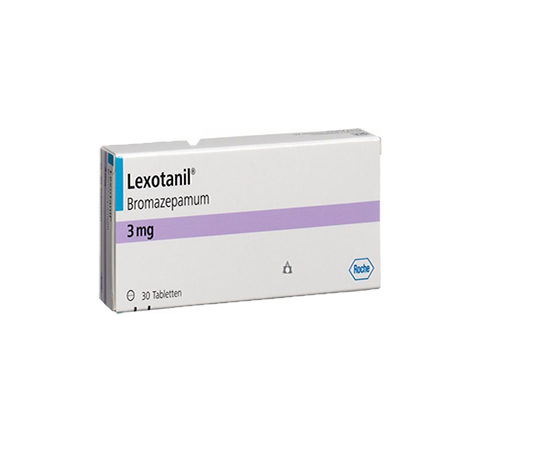
Bromazepam inhibits neuronal excitability by increasing the permeability of chloride ions via binding to GABA receptors.
It is used in the short-term treatment of severe and symptomatic anxiety.
Bromazepam Dose in Adults
Dose in the treatment of Anxiety:
- 6 - 18 mg/day orally in divided doses initially.
- The optimal dosage range is 6 - 30 mg/day.
- The patient should be reassessed within one week to extend or discontinue the medicine.
- Emaciated patients should be given the lowest possible dose i.e. 3 mg in divided doses based on the response to treatment and tolerance.
Bromazepam Dose in Childrens
- Not recommended.
Pregnancy Risk Factor: C
- The fetus may be adversely affected by benzodiazepines. There may be an increase in the chance of fetal malformations of the heart, cleft lips and cleft palate if used in the first trimester.
- It can cause hypothermia, hypotonia and respiratory depression in the last part of pregnancy.
Bromazepam use during breastfeeding:
- It is not recommended to be used during lactation.
- Use of it during breastfeeding can cause neonatal drowsiness or lethargy and weight loss.
Bromazepam Dose in Renal Disease:
- The manufacturer has not recommended any dose adjustment in patients with renal disease.
- Treatment shoulld be initiated in a low dose and titrated cautiously.
Bromazepam dose in Liver disease:
- Mild to moderate impairment:
- Treatment may be initiated as a low dose, however, th manufacturer does not recommend any dose adjustment in patients with mild to moderate liver disease.
- Severe impairment:
- Use is contraindicated.
Frequency not defined:
- Central nervous system:
- Ataxia
- Dizziness
- Drowsiness
- Drug abuse
Contraindication to Bromazepam include:
- Allergy reactions to bromazepam or other benzodiazepines or any component of this formulation
- Myasthenia gravis
- Narrow-angle glaucoma
- Hepatic impairment severe
- Grave respiratory disease
- Sleep apnea
Warnings and Precautions
- Anterograde amnesia:
- Its use could cause anterograde amnesia.
- CNS depression:
- CNS depression can result, which may cause impairment of mental or physical abilities.
- Other CNS depressants, such as psychoactive medication or ethanol, may increase these effects.
- The drug should be used with caution by patients who are required to drive or operate heavy machinery.
- Paradoxical reactions
- Sometimes, patients may experience paradoxical reactions such as hyperactivity or aggressive behavior.
- Activities that are sleep-related:
- Sleep-related activities such as sleep-driving, cooking and eating food, and making phone calls while asleep have been reported with benzodiazepines overdose.
- Depression
- Patients with depression should avoid its use.
- Use of drugs:
- Patients who have a history of substance abuse or severe alcoholism should be cautious.
- Bromazepam may cause tolerance, psychological dependence, or physical dependence.
- Patients who have a history of substance abuse or severe alcoholism should be cautious.
- Hepatic impairment
- Patients with hepatic impairment need to use it with caution. Dose adjustment may be required.
- It is contraindicated for severe hepatic impairment.
- Renal impairment
- Patients with impaired renal function should be cautious when using it. Dose adjustment may be required.
- Respiratory disease:
- It can cause respiratory depression.
- It should be used with caution in patients with preexisting chronic respiratory diseases and those who are using CNS depressants.
- It is not recommended for severe respiratory diseases.
Bromazepam (United States: Not available): Drug Interaction
|
Abiraterone Acetate |
May increase the serum concentration of CYP1A2 Substrates (High risk with Inhibitors). |
|
Alcohol (Ethyl) |
CNS Depressants may enhance the CNS depressant effect of Alcohol (Ethyl). |
|
Alizapride |
May enhance the CNS depressant effect of CNS Depressants. |
|
Brexanolone |
CNS Depressants may enhance the CNS depressant effect of Brexanolone. |
|
Brimonidine (Topical) |
May enhance the CNS depressant effect of CNS Depressants. |
|
Bromopride |
May enhance the CNS depressant effect of CNS Depressants. |
|
Cannabidiol |
May enhance the CNS depressant effect of CNS Depressants. |
|
Cannabis |
May enhance the CNS depressant effect of CNS Depressants. |
|
Chlorphenesin Carbamate |
May enhance the adverse/toxic effect of CNS Depressants. |
|
CNS Depressants |
May enhance the adverse/toxic effect of other CNS Depressants. |
|
CYP1A2 Inhibitors (Moderate) |
May decrease the metabolism of CYP1A2 Substrates (High risk with Inhibitors). |
|
Deferasirox |
May increase the serum concentration of CYP1A2 Substrates (High risk with Inhibitors). |
|
Dimethindene (Topical) |
May enhance the CNS depressant effect of CNS Depressants. |
|
Doxylamine |
May enhance the CNS depressant effect of CNS Depressants. Management: The manufacturer of Diclegis (doxylamine/pyridoxine), intended for use in pregnancy, specifically states that use with other CNS depressants is not recommended. |
|
Dronabinol |
May enhance the CNS depressant effect of CNS Depressants. |
|
Esketamine |
May enhance the CNS depressant effect of CNS Depressants. |
|
Fosphenytoin |
Benzodiazepines may increase the serum concentration of Fosphenytoin. Shortterm exposure to benzodiazepines may not present as much risk as chronic therapy. |
|
HydrOXYzine |
May enhance the CNS depressant effect of CNS Depressants. |
|
Kava Kava |
May enhance the adverse/toxic effect of CNS Depressants. |
|
Lofexidine |
May enhance the CNS depressant effect of CNS Depressants. Management: Drugs listed as exceptions to this monograph are discussed in further detail in separate drug interaction monographs. |
|
Magnesium Sulfate |
May enhance the CNS depressant effect of CNS Depressants. |
|
Melatonin |
May enhance the sedative effect of Benzodiazepines. |
|
MetyroSINE |
CNS Depressants may enhance the sedative effect of MetyroSINE. |
|
Minocycline |
May enhance the CNS depressant effect of CNS Depressants. |
|
Mirtazapine |
CNS Depressants may enhance the CNS depressant effect of Mirtazapine. |
|
Nabilone |
May enhance the CNS depressant effect of CNS Depressants. |
|
Obeticholic Acid |
May increase the serum concentration of CYP1A2 Substrates (High risk with Inhibitors). |
|
Peginterferon Alfa-2b |
May increase the serum concentration of CYP1A2 Substrates (High risk with Inhibitors). |
|
Phenytoin |
Benzodiazepines may increase the serum concentration of Phenytoin. Short-term exposure to benzodiazepines may not present as much risk as chronic therapy. |
|
Piribedil |
CNS Depressants may enhance the CNS depressant effect of Piribedil. |
|
Pramipexole |
CNS Depressants may enhance the sedative effect of Pramipexole. |
|
ROPINIRole |
CNS Depressants may enhance the sedative effect of ROPINIRole. |
|
Rotigotine |
CNS Depressants may enhance the sedative effect of Rotigotine. |
|
Rufinamide |
May enhance the adverse/toxic effect of CNS Depressants. Specifically, sleepiness and dizziness may be enhanced. |
|
Selective Serotonin Reuptake Inhibitors |
CNS Depressants may enhance the adverse/toxic effect of Selective Serotonin Reuptake Inhibitors. Specifically, the risk of psychomotor impairment may be enhanced. |
|
Teduglutide |
May increase the serum concentration of Benzodiazepines. |
|
Tetrahydrocannabinol |
May enhance the CNS depressant effect of CNS Depressants. |
|
Tetrahydrocannabinol and Cannabidiol |
May enhance the CNS depressant effect of CNS Depressants. |
|
Trimeprazine |
May enhance the CNS depressant effect of CNS Depressants. |
|
Yohimbine |
May diminish the therapeutic effect of Antianxiety Agents. |
|
Risk Factor D (Consider therapy modification) |
|
|
Blonanserin |
CNS Depressants may enhance the CNS depressant effect of Blonanserin. |
|
Buprenorphine |
|
|
Chlormethiazole |
May enhance the CNS depressant effect of CNS Depressants. Management: Monitor closely for evidence of excessive CNS depression. The chlormethiazole labeling states that an appropriately reduced dose should be used if such a combination must be used. |
|
Cimetidine |
May increase the serum concentration of Bromazepam. Management: Consider use of bromazepam with an H2-antagonist that is not a potent CYP inhibitor (e.g., ranitidine) or alternatively, consider use of cimetidine with a benzodiazepine that does not undergo oxidative metabolism (e.g., lorazepam). |
|
CloZAPine |
Benzodiazepines may enhance the adverse/toxic effect of CloZAPine. Management: Consider decreasing the dose of (or possibly discontinuing) benzodiazepines prior to initiating clozapine. |
|
Droperidol |
May enhance the CNS depressant effect of CNS Depressants. Management: Consider dose reductions of droperidol or of other CNS agents (eg, opioids, barbiturates) with concomitant use. Exceptions to this monograph are discussed in further detail in separate drug interaction monographs. |
|
Flunitrazepam |
CNS Depressants may enhance the CNS depressant effect of Flunitrazepam. |
|
FluvoxaMINE |
May increase the serum concentration of Bromazepam. Management: With concomitant fluvoxamine, consider use of a benzodiazepine that does not undergo oxidative metabolism (e.g., lorazepam). If bromazepam is initiated in patients receiving fluvoxamine, monitor closely for increased bromazepam levels/adverse effects. |
|
HYDROcodone |
CNS Depressants may enhance the CNS depressant effect of HYDROcodone. Management: Avoid concomitant use of hydrocodone and benzodiazepines or other CNS depressants when possible. These agents should only be combined if alternative treatment options are inadequate. If combined, limit the dosages and duration of each drug. |
|
Methadone |
Benzodiazepines may enhance the CNS depressant effect of Methadone. Management: Clinicians should generally avoid concurrent use of methadone and benzodiazepines when possible; any combined use should be undertaken with extra caution. |
|
Methotrimeprazine |
CNS Depressants may enhance the CNS depressant effect of Methotrimeprazine. Methotrimeprazine may enhance the CNS depressant effect of CNS Depressants. Management: Reduce adult dose of CNS depressant agents by 50% with initiation of concomitant methotrimeprazine therapy. Further CNS depressant dosage adjustments should be initiated only after clinically effective methotrimeprazine dose is established. |
|
Opioid Agonists |
CNS Depressants may enhance the CNS depressant effect of Opioid Agonists. Management: Avoid concomitant use of opioid agonists and benzodiazepines or other CNS depressants when possible. These agents should only be combined if alternative treatment options are inadequate. If combined, limit the dosages and duration of each drug. |
|
OxyCODONE |
CNS Depressants may enhance the CNS depressant effect of OxyCODONE. Management: Avoid concomitant use of oxycodone and benzodiazepines or other CNS depressants when possible. These agents should only be combined if alternative treatment options are inadequate. If combined, limit the dosages and duration of each drug. |
|
Perampanel |
May enhance the CNS depressant effect of CNS Depressants. Management: Patients taking perampanel with any other drug that has CNS depressant activities should avoid complex and high-risk activities, particularly those such as driving that require alertness and coordination, until they have experience using the combination. |
|
Suvorexant |
CNS Depressants may enhance the CNS depressant effect of Suvorexant. Management: Dose reduction of suvorexant and/or any other CNS depressant may be necessary. Use of suvorexant with alcohol is not recommended, and the use of suvorexant with any other drug to treat insomnia is not recommended. |
|
Tapentadol |
May enhance the CNS depressant effect of CNS Depressants. Management: Avoid concomitant use of tapentadol and benzodiazepines or other CNS depressants when possible. These agents should only be combined if alternative treatment options are inadequate. If combined, limit the dosages and duration of each drug. |
|
Theophylline Derivatives |
May diminish the therapeutic effect of Benzodiazepines. |
|
Vemurafenib |
May increase the serum concentration of CYP1A2 Substrates (High risk with Inhibitors). Management: Consider alternatives to such combinations whenever possible, particularly if the CYP1A2 substrate has a relatively narrow therapeutic index. Drugs listed as exceptions to this monograph are discussed in separate drug interaction monographs. |
|
Zolpidem |
CNS Depressants may enhance the CNS depressant effect of Zolpidem. Management: Reduce the Intermezzo brand sublingual zolpidem adult dose to 1.75 mg for men who are also receiving other CNS depressants. No such dose change is recommended for women. Avoid use with other CNS depressants at bedtime; avoid use with alcohol. |
|
Risk Factor X (Avoid combination) |
|
|
Azelastine (Nasal) |
CNS Depressants may enhance the CNS depressant effect of Azelastine (Nasal). |
|
Bromperidol |
May enhance the CNS depressant effect of CNS Depressants. |
|
OLANZapine |
May enhance the adverse/toxic effect of Benzodiazepines. Management: Avoid concomitant use of parenteral benzodiazepines and IM olanzapine due to risks of additive adverse events (e.g., cardiorespiratory depression). Olanzapine prescribing information provides no specific recommendations regarding oral administration. |
|
Orphenadrine |
CNS Depressants may enhance the CNS depressant effect of Orphenadrine. |
|
Oxomemazine |
May enhance the CNS depressant effect of CNS Depressants. |
|
Paraldehyde |
CNS Depressants may enhance the CNS depressant effect of Paraldehyde. |
|
Sodium Oxybate |
Benzodiazepines may enhance the CNS depressant effect of Sodium Oxybate. |
|
Thalidomide |
CNS Depressants may enhance the CNS depressant effect of Thalidomide. |
Monitor:
- Respiratory functions
- Cardiovascular status
- Mental status changes
- Periodic CBC
- Liver function tests
How to take Bromazepam?
- It may be taken with or without food, however, absorption is reduced when taken with food.
Mechanism of action of Bromazepam:
- GABA inhibitory effects are enhanced by benzodiazepines.
- They increase the permeability to chloride ions within the central nervous system, including the limbic and reticular activating systems.
- The change of chloride ions causes hyperpolarization and stabilization in excitable neurons.
- Benzodiazepines don't bind to GABA-B receptors, and the effect is mainly due to GABA-A receptors.
Absorption is reduced when taken with meals. 70% of the drug is protein-bound and is metabolized by the liver via hydroxylation and glucuronidation. It has been abioavailability60% to ahalf-life eliminationThe average time is 20 hours.
TheTime to reach peak plasma concentrationIt takes less than 2 hours. It isexcretedPrimarily via urine
Bromazepam International Brands:
- APO-Bromazepam
- Lectopam [DSC]
- MED Bromazepam
- TEVA-Bromazepam
- Akamon
- Anxyl
- Anxyrex
- Benedorm
- Brazepam
- Bromatop
- Bromazanil
- Bromaze
- Bromazepam-Eurogenerics
- Bromazin
- Bromidem
- Brominter
- Bropam
- Calmepam
- Durazanil
- Gityl
- Lekotam
- Lexatin
- Lexaurin
- Lexavrin
- Lexilium
- Lexopam
- Lexostad
- Lexotan
- Lexotanil
- Lexotanol
- Lexzepam
- Nervan
- Octanyl
- Otedram
- Quietiline
- Rem
- Sedamax
- Seniran
- Somalium
- Tenil
- Totasedan
- Tredum
- Zepam
Bromazepam brands in Pakistan:
|
Bromazepam [Tabs 3 Mg] |
|
| Amaze | Bryon Pharmaceuticals (Pvt) Ltd. |
| Amzee | Bloom Pharmaceuticals (Pvt) Ltd. |
| Anxit | Atco Laboratories Limited |
| Anxolite | Epla Laboratories (Pvt) Ltd. |
| Anxoten | Shafaz Pharma International (Pvt) Ltd. |
| Anzonil | Global Pharmaceuticals |
| Brexotanil | Dosaco Laboratories |
| Brexxel | High - Q International |
| Brodan | Danas Pharmaceuticals (Pvt) Ltd |
| Brolite | Standpharm Pakistan (Pvt) Ltd. |
| Broma | Pharmacare Laboratories (Pvt) Ltd. |
| Bromalex | Indus Pharma (Pvt) Ltd. |
| Bromazemed | Medifine Laboratories |
| Bromazepam | Shifa Laboratories.(Pvt) Ltd. |
| Bromed | Medicraft Pharmaceuticals (Pvt) Ltd. |
| Bromota | Orta Labs. (Pvt) Ltd. |
| Bromotop | Xenon Pharmaceuticals (Pvt) Ltd. |
| Bropam | Gray`S Pharmaceuticals |
| Broz | Universal Pharmaceuticals (Pvt) Ltd |
| Brozam | Bio Labs (Pvt) Ltd. |
| Brozap | Valor Pharmaceuticals |
| Brozinil | Umersons |
| Brozit | Star Laboratories (Pvt) Ltd. |
| Calmease | Wilsons Pharmaceuticals |
| Cope | Dr. Raza Pharma (Private) Limited |
| Durazanil | Tabros Pharma |
| E-Ze | Genix Pharma (Pvt) Ltd |
| Exelza | Z-Jans Pharmaceutical (Pvt) Ltd. |
| Exonil | Aries Pharmaceuticals (Pvt) Ltd |
| Freedom | Libra Pharmaceuticals (Pvt) Ltd |
| Laxil | Panacea Pharmaceuticals |
| Leadopam | Leads Pharma (Pvt) Ltd |
| Lexapam | Sharex Laboratories (Pvt.) Ltd. |
| Lexilium | Sami Pharmaceuticals (Pvt) Ltd. |
| Lexotanil | Roche Pakistan Ltd. |
| Lorival | Chas. A. Mendoza |
| Mazimax | Nova Med Pharmaceuticals |
| Moodi | Saydon Pharmaceutical Industries (Pvt) Ltd. |
| Niquil | Himont Pharmaceuticals (Pvt) Ltd. |
| Pazam | Global Pharmaceuticals |
| Rekotnil | Reko Pharmacal (Pvt) Ltd. |
| Relaxin | Macter International (Pvt) Ltd. |
| Relaxital | Nabiqasim Industries (Pvt) Ltd. |
| Romaiz | Lowitt Pharmaceuticals (Pvt) Ltd |
| Romelex | Helicon Pharmaceutek Pakistan (Pvt) Ltd. |
| Sakoon | Cirin Pharmaceuticals (Pvt) Ltd. |
| Sedonil | Adamjee Pharmaceuticals (Pvt) Ltd. |
| Sonaril | Rakaposhi Pharmaceutical (Pvt) Ltd. |
| Tensium | Werrick Pharmaceuticals |
| Tojina | Agp (Private) Ltd. |
| Tranconil | Geofman Pharmaceuticals |
| Utanil | Unexo Labs (Pvt) Ltd. |
| Xytinil | Platinum Pharmaceuticals (Pvt.) Ltd. |
|
Bromazepam [Tabs 6 Mg] |
|
| Brodan | Danas Pharmaceuticals (Pvt) Ltd |
| Broma | Pharmacare Laboratories (Pvt) Ltd. |
| Broz | Universal Pharmaceuticals (Pvt) Ltd |
| Calmease | Wilsons Pharmaceuticals |
| E-Ze | Genix Pharma (Pvt) Ltd |
| Laxil | Panacea Pharmaceuticals |
| Lexotanil | Roche Pakistan Ltd. |
| Mazimax | Nova Med Pharmaceuticals |
|
Bromazepam [Tabs 1.5 Mg] |
|
| Brodan | Danas Pharmaceuticals (Pvt) Ltd |
| Sedonil | Adamjee Pharmaceuticals (Pvt) Ltd. |
| Yazd | Wilshire Laboratories (Pvt) Ltd. |
.png)


