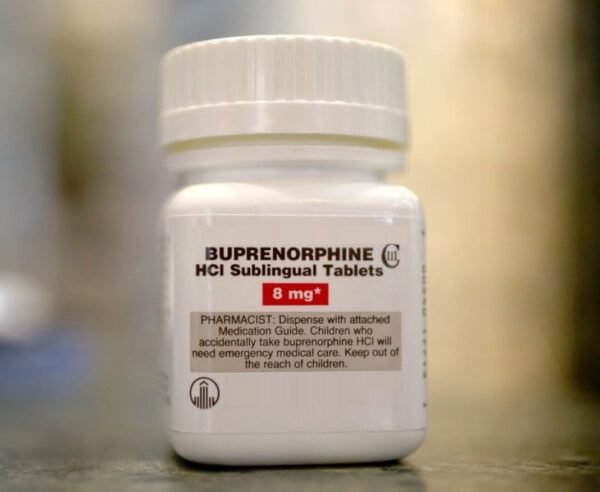
Buprenorphine is an opioid analgesic that is 25 to 40 times more potent and long-lasting than morphine. It is used to treat the following medical conditions:
-
Treatment of moderate to severe opioid use disorder
-
For the treatment of opioid dependence in patients who have achieved and sustained prolonged clinical stability on low to moderate doses (of transmucosal buprenorphine) for 3 months or longer.
-
For the management of severe pain that requires long term round the clock opioid treatment (for which alternative treatment options are not adequate)
-
Off Label Use of Buprenorphine in Adults include:
- For the treatment of Opioid withdrawal in heroin-dependent hospitalized patients
- Perineural anesthesia
Buprenorphine Dose in Adults
Note: Buprenorphine 8 mg sublingual tablet = buprenorphine/naloxone 8 mg/2 mg sublingual film = buprenorphine/naloxone 4.2 mg/0.7 mg buccal film = buprenorphine/naloxone 5.7 mg/1.4 mg sublingual tablet.
Dose in the treatment of moderate to severe Acute pain:
- Immediate-release injection:
- 0.3 mg Intramuscular or as a slow intravenous injection every 6 - 8 hours as needed
- The dose may be repeated every half to one hour if needed.
-
Use in the treatment of moderate to severe Chronic pain:
Buccal film:
-
Opioid-naive patients and opioid-non-tolerant patients:
- 75 mcg once a day or every 12 hours (if tolerated) for at least 4 days, then increase the dose to 150 mcg every 12 hours.
- 75 mcg once a day or every 12 hours (if tolerated) for at least 4 days, then increase the dose to 150 mcg every 12 hours.
Conversion from other opioids to buprenorphine:
- With the initiation of buprenorphine treatment, other round-the-clock opioids should be discontinued.
- The patient's current opioids should be tapered to no more than 30 mg oral morphine sulfate equivalents daily.
- Patients who were receiving a daily dose of less than 30 mg of oral morphine equivalents:
- 75 mcg once a day or every 12 hours
- Patients who were receiving a daily dose of 30 - 89 mg of oral morphine equivalents:
- 150 mcg every 12 hours
- Patients who were receiving a daily dose of 90 - 160 mg of oral morphine equivalents:
- 300 mcg every 12 hours
- Patients who were receiving a daily dose of more than 160 mg of oral morphine equivalents:
- Consider the use of alternative analgesia as buprenorphine buccal film may not provide adequate analgesia.
- Consider the use of alternative analgesia as buprenorphine buccal film may not provide adequate analgesia.
Conversion from methadone:
- Dose titration in opioid-naive or opioid-experienced patients:
- Individually titrate in increments of 150 mcg twice daily to a dose that provides adequate analgesia and minimizes adverse reactions.
- The dose should be titrated to no more than every 4th day.
- The maximum dose should not exceed 900 mcg twice daily.
- Discontinuation of therapy:
- Abrupt discontinuation should be avoided.
- Gradual titration prevents withdrawal symptoms.
- Patients with oral mucositis should receive half the dose.
The Transdermal patch:
- Opioid-naive patients:
- 5 mcg/hour applied once every 7 days
- 5 mcg/hour applied once every 7 days
conversion from other opioids to buprenorphine:
- All other around-the-clock opioid drugs should be discontinued when buprenorphine therapy is initiated.
- Short-acting analgesics may be needed
- Patients already receiving opioids may experience withdrawal symptoms.
- Patients who were receiving a daily dose of less than 30 mg of oral morphine equivalents:
- 5 mcg/hour applied once every week
- Patients who were receiving a daily dose of 30 - 80 mg of oral morphine equivalents:
- The opioid dose used as around-the-clock should be tapered to 30 mg/day or less for a week before initiating therapy.
- 10 mcg/hour applied once every week.
- Patients who were receiving a daily dose of more than 80 mg of oral morphine equivalents:
- Alternative analgesics should be used as buprenorphine transdermal patch may not provide adequate analgesia even at the maximum dose of 20 mcg/hour applied weekly.
- Dose titration in opioid-naive or opioid-experienced patients:
- The dose may be increased in increments of 5 mcg/hour, 7.5 mcg/hour, or 10 mcg/hour based on patient's requirements, with a minimum titration interval of 72 hours.
- The maximum dose is 20 mcg/hour applied once every week.
- The risk for QTc prolongation increases with doses of more than 20 mcg/hour patch.
- Discontinuation of therapy:
- Taper the dose gradually every week to prevent withdrawal in the physically dependent patient.
- Treatment initiation with immediate-release opioids may be considered.
Off label use in the treatment of Opioid withdrawal in heroin-dependent hospitalized patients:
- Immediate-release injection:
- 0.3 - 0.9 mg diluted in 50 to 100 mL of 0.9% saline infused intravenously over 20 - 30 minutes every 6 - 12 hours.
Use in the treatment of Opioid Dependence:
- Extended-release injection:
- 300 mg subQ monthly for the first two months ( after treatment has been adjusted with 8 - 24 mg of a transmucosal buprenorphine-containing product for a minimum of one week).
- This is followed by a maintenance dose of 100 mg every month.
- The dose may be further increased to 300 mg monthly for patients who tolerate the 100 mg dose but do not demonstrate a satisfactory clinical response.
- Subdermal implant:
- Insert 4 implants subdermally in the inner side of the upper arm.
- It should not be removed earlier than 6 months after the date of insertion.
- In case, the treatment is to be continued, 4 new implants may be inserted subdermally in the inner side of the contralateral arm.
- Converting back to sublingual tablet:
- Sublingual buprenorphine treatment may be resumed at the previous sublingual doses on the day of implant removal.
- Sublingual tablet:
- An induction dose of 2 - 4 mg.
- The dose may be increased in increments of 2 - 4 mg if no signs of precipitated withdrawal occur after 60 - 90 minutes.
- Buprenorphine treatment should begin after signs of mild to moderate opioid withdrawal appear.
- Withdrawal symptoms generally occur at least 6 - 12 hours after last use of short-acting opioids like heroin and oxycodone, and 24 - 72 hours after last use of long-acting opioids like methadone.
- Manufacturer's labeling:
- Induction:
- Day 1: 8 mg
- Day 2 and subsequent induction days: Increase in increments of 2 - 4 mg every 3 - 4 days.
- Maintenance:
- Target dose: 16 mg/day.
- Induction:
Off label use in the treatment of Perineural anesthesia:
- Immediate-release perineural injection:
- 200 - 300 mcg added to the local anesthetic like bupivacaine, mepivacaine, Tetracaine with or without epinephrine and administered as a single injection.
Buprenorphine Dose in Childrens
Dose in the treatment of moderate to severe Acute pain: .
- Children 2 - 12 years:
- Intramuscular or slow Intravenous injection:
- Opioid-naive patients:
- 2 - 6 mcg/kg/dose every 4 - 6 hours.
- Opioid-naive patients:
- Intramuscular or slow Intravenous injection:
- Adolescents:
- Intramuscular or slow Intravenous injection:
- Opioid-naive patients:
- 0.3 mg every three or four times a day as needed
- Opioid-naive patients:
- Intramuscular or slow Intravenous injection:
Use in the treatment of moderate to severe Chronic pain:
- Transdermal patch in Adolescents 18 years of age or older:
- Opioid-naive patients:
- 5 mcg/hour applied once a week.
- Opioid-naive patients:
Conversion from other opioids to buprenorphine patch in Opioid-experienced patients:
(When buprenorphine therapy is initiated, all the other opioids should be discontinued).
- Patients who were receiving a dose of fewer than 30 mg per day of oral morphine equivalents:
- 5 mcg/hour applied once a week.
- Patients who were receiving a dose of 30 - 80 mg of oral morphine equivalents per day:
- Taper the current opioids for up to 7 days to 30 mg/day or less of oral morphine or equivalent before initiating therapy.
- 10 mcg/hour applied once a week.
- Patients who were receiving a dose of more than 80 mg of oral morphine equivalents per day:
- Alternative preparations should be used as buprenorphine transdermal patch may not provide adequate analgesia even at the maximum dose of 20 mcg/hour applied once weekly.
- Dose titration in opioid-naive or opioid-experienced patients:
- Titrate the dose in increments of 5 mcg/hour, 7.5 mcg/hour, or 10 mcg/hour every 3rd day to a maximum dose of 20 mcg/hour applied every week (not more than two 5 mcg/hour patches)
- There is a risk of QTc prolongation associated with higher doses.
- Discontinuation of therapy:
- The dose should be gradually tapered off weekly to prevent withdrawal symptoms in the physically dependent patient.
Use in the Opioid Dependence:
- Note:
- Induction with buprenorphine should not be started until objective and clear signs of withdrawal are apparent.
- Buprenorphine and naloxone in combination is the preferred therapy over buprenorphine monotherapy for the treatment of short-acting opioid dependence.
- Buprenorphine treatment should begin after signs of mild to moderate opioid withdrawal appear.
- Withdrawal symptoms generally occur at least 6 - 12 hours after last use of short-acting opioids like heroin and oxycodone, and 24 - 72 hours after last use of long-acting opioids like methadone.
-
Induction therapy:
- 2 - 4 mg if no signs of precipitated withdrawal after 60 - 90 minutes.
- The dose may be increased in increments of 2 - 4 mg to a dose that is clinically effective to a maximum dose of 24 mg/day.
According to the manufacturer's labeling:
- Adolescents older than 16 years:
- Induction:
- Day 1: 8 mg
- Day 2 and subsequent induction days: Increase in increments of 2 - 4 mg every 3 - 4 days.
- Maintenance:
- Target dose: 16 mg/day.
- Target dose: 16 mg/day.
- Induction:
Subdermal implant:
- Adolescents older than 16 years:
- Insert four implants subdermally in the inner side of the upper arm.
- The implants may be removed no later than 6 months after the date of insertion.
- Patients who desire continued treatment, insert 4 new implants subdermally in the inner side of the opposite arm.
- In case the sublingual tablets are to be resumed, treatment may be resumed at the previous sublingual dose on the day of implant removal.
Pregnancy Risk Factor: C
- [US Boxed Warning]
- Pregnancy may lead to neonatal opioid withdrawal syndrome.
- In the first week of life, neonates may experience withdrawal symptoms.
- The neonate may experience withdrawal symptoms such as agitation and bradycardia. Convulsions, hypertonia. myoclonus, tremors and convulsions are some of the other symptoms.
- After in utero exposure, it crosses the placental barriers and can be detected in serum, urine and meconium.
- It has not been proven that teratogenic effects can be produced.
- It is an alternative treatment for pregnant opioid addicts.
- Subdermal implants should not be used during pregnancy. It should also not be used to treat labor pains.
- Buprenorphine should be taken at the same dose for those suffering from opioid dependence.
- Buprenorphine should not be given to patients on methadone during labor.
- Amenorrhea can occur in patients who have been addicted to substances. Buprenorphine therapy may be used to induce pregnancy. Therapy should include effective contraception.
- Long-term opioid use in men can lead to secondary hypogonadism, which can cause infertility or sexual dysfunction.
Buprenorphine use during breastfeeding:
- Breast milk contains buprenorphine.
- It is not advised to breastfeed when pain management is being done (e.g., with the immediate-release injection or the subdermal patch).
- You can use the extended-release buprenorphine and sublingual tablets during breastfeeding. However, you should be cautious about opioid addiction.
- Breastfeeding infants should be monitored for sedation and apnea.
Buprenorphine Dose in Renal Disease:
- Adjustment in the dose has not been recommended by the manufacturer, however, it should be used with caution.
Buprenorphine Dose in Liver Disease:
Buprenorphine Buccal film:
- Mild impairment (Child-Pugh class A):
- Adjustment in the dose is not necessary.
- Moderate impairment (Child-Pugh class B):
- Adjustment in the dose is not necessary, however, use it with caution and monitor the patient for signs & symptoms of toxicity and overdose.
- Severe impairment (Child-Pugh class C):
- Initiate with a lower dose and titrate the dose by 50% of the usual dose.
- Initiate with a lower dose and titrate the dose by 50% of the usual dose.
Buprenorphine Extended-release injection for Subcutaneous administration:
- Mild impairment:
- Adjustment in the dose is not necessary.
- Moderate to severe impairment:
- Avoid its use.
- The patient should be monitored for features suggestive of toxicity. If signs and symptoms of hepatic impairment are noted within two weeks of therapy, removal of the depot may be required.
Buprenorphine Immediate-release intramuscular or intravenous injection:
- Mild or moderate impairment:
- Adjustment in the dose is not necessary.
- Severe impairment:
- Adjustment in the dose is not necessary, however, it should be used with caution.
Buprenorphine Subdermal implant:
- Mild impairment:
- Adjustment in the dose is not necessary.
- Moderate or severe impairment:
- Avoid its use
Sublingual tablets:
- Mild impairment:
- Adjustment in the dose is not necessary.
- Moderate impairment:
- Adjustment in the dose is not necessary.
- Use with caution and monitor the patient for clinical features of toxicity or overdose.
- Severe impairment:
- Initiate with a lower dose and titrate the dose by 50% of the usual dose.
- Monitor the patient for toxicity.
Buprenorphine Transdermal patch:
- Mild to moderate impairment:
- Adjustment in the dose is not necessary.
Buccal film:
Common Side Effects of Buprenorphine Include:
- Cardiovascular:
- Hypertension
- Peripheral Edema
- Central Nervous System:
- Fatigue
- Headache
- Dizziness
- Drowsiness
- Anxiety
- Depression
- Falling
- Insomnia
- Opioid Withdrawal Syndrome
- Dermatologic:
- Hyperhidrosis
- Pruritus
- Skin Rash
- Endocrine & Metabolic:
- Hot Flash
- Gastrointestinal:
- Nausea
- Diarrhea
- Xerostomia
- Vomiting
- Constipation
- Abdominal Pain
- Decreased Appetite
- Gastroenteritis
- Genitourinary:
- Urinary Tract Infection
- Hematologic & Oncologic:
- Anemia
- Bruise
- Neuromuscular & Skeletal:
- Back Pain
- Muscle Spasm
- Respiratory:
- Upper Respiratory Tract Infection
- Bronchitis
- Nasopharyngitis
- Oropharyngeal Pain
- Paranasal Sinus Congestion
- Sinusitis
- Miscellaneous:
- Fever
- Fever
Subdermal Implant:
Common Side Effects Of Buprenorphine Include:
- Central Nervous System:
- Headache
- Local:
- Local Pain
- Local Pruritus
Less Common Side Effects Of Buprenorphine Include:
- Cardiovascular:
- Chest Pain
- Central Nervous System:
- Depression
- Dizziness
- Pain
- Drowsiness
- Fatigue
- Chills
- Migraine
- Paresthesia
- Sedation
- Sensation Of Cold
- Dermatologic:
- Localized Erythema
- Skin Rash
- Excoriation
- Skin Lesion
- Gastrointestinal:
- Constipation
- Nausea
- Vomiting
- Toothache
- Upper Abdominal Pain
- Flatulence
- Hematologic & Oncologic:
- Local Hemorrhage
- Local:
- Localized Edema
- Local Swelling
- Neuromuscular & Skeletal:
- Back Pain
- Limb Pain
- Asthenia
- Respiratory:
- Oropharyngeal Pain
- Cough
- Dyspnea
- Miscellaneous:
- Fever
- Laceration
Buprenorphine Injection:
Common Side Effects Of Buprenorphine Include:
- Central Nervous System:
- Sedation
Less Common Side Effects Of Buprenorphine Include:
- Cardiovascular:
- Hypotension
- Central Nervous System:
- Vertigo
- Dizziness
- Headache
- Fatigue
- Drowsiness
- Dermatologic:
- Injection Site Pruritus
- Diaphoresis
- Endocrine & Metabolic:
- Increased Gamma-Glutamyl Transferase
- Gastrointestinal:
- Nausea
- Constipation
- Vomiting
- Hepatic:
- Increased Serum Aspartate Aminotransferase
- Increased Serum Alanine Aminotransferase
- Local:
- Pain At Injection Site
- Erythema At Injection Site
- Bruising At Injection Site
- Induration At Injection Site
- Swelling At Injection Site
- Neuromuscular & Skeletal:
- Increased Creatine Phosphokinase
- Ophthalmic:
- Miosis
- Respiratory:
- Hypoventilation
- Hypoventilation
Sublingual Tablet:
Common Side Effects Of Buprenorphine Include:
- Central Nervous System:
- Headache
- Insomnia
- Dermatologic:
- Diaphoresis
- Gastrointestinal:
- Nausea
- Abdominal Pain
- Infection:
- Infection
Less Common Side Effects Of Buprenorphine Include:
- Gastrointestinal:
- Constipation
- Vomiting
Transdermal Patch:
Common Side Effects Of Buprenorphine Include:
- Central Nervous System:
- Dizziness
- Headache
- Drowsiness
- Gastrointestinal:
- Nausea
- Constipation
- Local:
- Application-Site Pruritus
Less Common Side Effects Of Buprenorphine Include:
- Cardiovascular:
- Chest Pain
- Hypertension
- Peripheral Edema
- Central Nervous System:
- Fatigue
- Insomnia
- Anxiety
- Depression
- Falling
- Hypoesthesia
- Migraine
- Pain
- Paresthesia
- Dermatologic:
- Pruritus
- Hyperhidrosis
- Skin Rash
- Gastrointestinal:
- Vomiting
- Xerostomia
- Anorexia
- Diarrhea
- Dyspepsia
- Upper Abdominal Pain
- Stomach Discomfort
- Genitourinary:
- Urinary Tract Infection
- Infection:
- Influenza
- Local:
- Application Site Erythema
- Application Site Rash,
- Application Site Irritation
- Neuromuscular & Skeletal:
- Arthralgia
- Asthenia
- Back Pain
- Joint Swelling
- Limb Pain
- Muscle Spasm
- Musculoskeletal Pain
- Myalgia
- Neck Pain
- Tremor
- Respiratory:
- Bronchitis
- Cough
- Dyspnea
- Nasopharyngitis
- Pharyngolaryngeal Pain
- Sinusitis
- Upper Respiratory Tract Infection
- Miscellaneous:
- Fever
Contraindication to Buprenorphine include:
- Allergy reactions to buprenorphine and any component of this formulation
- Respiratory depression
- Acute severe asthma
- Gastrointestinal obstruction.
- Hypercapnia
- Cor pulmonale
- Acute alcoholism/alcohol dependence
- Delirium tremens
- Convulsive disorders
- Severe CNS depression
- Increased intracranial pressure
- Head injury
- Hepatic insufficiency severe
- Mild pain can be managed with non-opioid pain medication
- Obstructive airway disease
- Status asthmaticus
- Use within 14 days of MAOIs
- Myasthenia gravis
- Pregnancy and during labor
- Breastfeeding
- Oral mucositis (buccal films only)
- Congenital long QT prolongation or QTc prolongation
- Hypokalemia uncorrected
- Hypomagnesemia
- Hypocalcemia
Warnings and Precautions
- CNS depression:
- It can cause CNS depression, which may lead to impairment of mental or physical abilities.
- The drug should be used with caution in patients who are skilled at using heavy machinery or for tasks that require mental alertness.
- Hepatic impairment
- It has been linked to liver toxicity and even hepatic failure.
- Preexisting liver disease, alcoholics and drug addicts are all factors that could lead to hepatic impairment.
- If liver dysfunction signs and symptoms are present, treatment may be stopped.
- Hypersensitivity reactions
- Anaphylactic shock, bronchospasm and angioneurotic swelling may all occur. However, the most common reactions are a rash and hives.
- Hypotension
- Hypotension can be caused by its use, manifested as syncope or orthostatic hypotension.
- Hypovolemia in patients with cardiovascular disease, including acute Myocardial Infarction (AMI), or the use of drugs such as anesthetics, phenothiazines, may cause hypotension.
- Infection
- Subdermal implant removal or insertion site infection can occur.
- After one week, or if there are signs and symptoms that suggest infection, the site should be checked.
- Extension of QT
- It prolongs the QTc interval.
- Do not exceed 900 mg per 12 hours for buccal film, or 20 mg/hour transdermal patches.
- Buprenorphine should be avoided by patients with long QT syndrome, including those who have a family history or are taking concurrent class IA and III antiarrhythmics.
- Hypokalemia, hypomagnesemia or clinically unstable cardiovascular disease (including unstable hearts failure, atrial fibrillation or active MI) should not receive the drug.
- Respiratory depression[US Boxed Warning]
- Severe, life-threatening respiratory depression can occur. Monitor your patient for signs of respiratory depression, particularly during dose adjustment and initiation.
- Buprenorphine can be ingested from the buccal film or transdermal patch and used in an uncontrolled manner, such as chewing, injecting, or swallowing.
- Injecting buprenorphine by yourself, especially with concomitant buprenorphine, can lead to coma or death.
- Patients with chronic respiratory conditions such as cor pulmonale, chronic obstructive lung disease, cor pulmonale or decreased respiratory reserve should be cautious about taking the drug.
- Conditions abdominales:
- Patients with acute abdominal conditions may not be diagnosed or treated appropriately.
- Adrenocortical Insufficiency
- Patients with adrenal insufficiency (Addison disease) should be cautious.
- Long-term opioid abuse can cause adrenal insufficiency (nausea and vomiting, anorexia and fatigue, weakness and low blood pressure), or secondary hypogonadism (Brennan 2013,). This could lead to infertility, sexual dysfunction, mood disorders and osteoporosis.
- Insufficiency of the biliary tract:
- Patients suffering from biliary dysfunction, including acute pancreatitis, should not take the drug. It may cause constriction in the sphincter.
- Bowel obstruction
- Patients who have had a history of bowel obstruction or ileus should be cautious about taking the drug.
- Delirium tremens:
- Patients with delirium-tremens should be advised to avoid the drug.
- Dermatological conditions
- The dermal implant should not be used by patients who have a history of keloid or connective tissue disease such as scleroderma.
- Head trauma
- It can cause an increase in intracranial pressure. Patients with intracranial injuries, intracranial lesions or elevated intracranial tension (ICP) should not use it.
- It can also lead to miosis or changes in consciousness, which may affect patient evaluation.
- Obesity:
- Patients suffering from morbid obesity should be advised to take the drug with caution.
- Oral mucositis
- Patients with oral mucositis might be able to absorb the buccal film more quickly and have higher plasma levels.
- Overdose should be checked and the patient should be treated with caution.
- Prostatic hyperplasia, urinary stricture
- Patients with prostatic hyperplasia or urinary strictures should not use it.
- Psychosis:
- Patients suffering from psychosis should be cautious when taking the drug.
- Renal impairment
- Patients with impaired renal function should be cautious when taking the drug.
- Respiratory disease
- Opioid analgesics should be used with caution in patients at high risk for respiratory depression.
- These include:
- Chronic obstructive lung disease
- Cor-pulmonale
- Patients with hypoxemia, hypercapnia, and preexisting respiratory depression should be notified before initiating or titrating treatment.
- These patients may benefit from non-opioid painkillers.
- Seizure:
- It may cause or exacerbate a pre-existing seizure disorder. Please use with caution.
- Sleep-disordered breathing
- Patients with sleep-disordered breathing risk factors, such as HF or obstructive sleeping apnea, should be advised to use opioids cautiously for chronic pain.
- Thyroid dysfunction:
- Thyroid disease patients should be cautious when using the drug.
Buprenorphine: Drug Interaction
|
Alizapride |
May enhance the CNS depressant effect of CNS Depressants. |
|
Amphetamines |
May enhance the analgesic effect of Opioid Agonists. |
|
Anticholinergic Agents |
May enhance the adverse/toxic effect of Opioid Agonists. Specifically, the risk for constipation and urinary retention may be increased with this combination. |
|
Aprepitant |
May increase the serum concentration of CYP3A4 Substrates (High risk with Inhibitors). |
|
Bosentan |
May decrease the serum concentration of CYP3A4 Substrates (High risk with Inducers). |
|
Brimonidine (Topical) |
May enhance the CNS depressant effect of CNS Depressants. |
|
Bromopride |
May enhance the CNS depressant effect of CNS Depressants. |
|
Cannabidiol |
May enhance the CNS depressant effect of CNS Depressants. |
|
Cannabis |
May enhance the CNS depressant effect of CNS Depressants. |
|
Chlorphenesin Carbamate |
May enhance the adverse/toxic effect of CNS Depressants. |
|
Clofazimine |
May increase the serum concentration of CYP3A4 Substrates (High risk with Inhibitors). |
|
Cobicistat |
May increase the serum concentration of Buprenorphine. |
|
CYP3A4 Inducers (Moderate) |
May decrease the serum concentration of CYP3A4 Substrates (High risk with Inducers). |
|
CYP3A4 Inducers (Strong) |
May decrease the serum concentration of Buprenorphine. |
|
CYP3A4 Inhibitors (Moderate) |
May decrease the metabolism of CYP3A4 Substrates (High risk with Inhibitors). |
|
CYP3A4 Inhibitors (Strong) |
May increase the serum concentration of Buprenorphine. |
|
Daclatasvir |
May increase the serum concentration of Buprenorphine. |
|
Deferasirox |
May decrease the serum concentration of CYP3A4 Substrates (High risk with Inducers). |
|
Desmopressin |
Opioid Agonists may enhance the adverse/toxic effect of Desmopressin. |
|
Dimethindene (Topical) |
May enhance the CNS depressant effect of CNS Depressants. |
|
Diuretics |
Opioid Agonists may enhance the adverse/toxic effect of Diuretics. Opioid Agonists may diminish the therapeutic effect of Diuretics. |
|
Dronabinol |
May enhance the CNS depressant effect of CNS Depressants. |
|
Duvelisib |
May increase the serum concentration of CYP3A4 Substrates (High risk with Inhibitors). |
|
Efavirenz |
May decrease serum concentrations of the active metabolite(s) of Buprenorphine. Efavirenz may decrease the serum concentration of Buprenorphine. |
|
Etravirine |
May decrease the serum concentration of Buprenorphine. |
|
Fosaprepitant |
May increase the serum concentration of CYP3A4 Substrates (High risk with Inhibitors). |
|
Fosnetupitant |
May increase the serum concentration of CYP3A4 Substrates (High risk with Inhibitors). |
|
Gastrointestinal Agents (Prokinetic) |
Opioid Agonists may diminish the therapeutic effect of Gastrointestinal Agents (Prokinetic). |
|
Ivosidenib |
May decrease the serum concentration of CYP3A4 Substrates (High risk with Inducers). |
|
Kava Kava |
May enhance the adverse/toxic effect of CNS Depressants. |
|
Larotrectinib |
May increase the serum concentration of CYP3A4 Substrates (High risk with Inhibitors). |
|
Lofexidine |
May enhance the CNS depressant effect of CNS Depressants. Management: Drugs listed as exceptions to this monograph are discussed in further detail in separate drug interaction monographs. |
|
Magnesium Sulfate |
May enhance the CNS depressant effect of CNS Depressants. |
|
MetyroSINE |
CNS Depressants may enhance the sedative effect of MetyroSINE. |
|
Minocycline |
May enhance the CNS depressant effect of CNS Depressants. |
|
Nabilone |
May enhance the CNS depressant effect of CNS Depressants. |
|
Netupitant |
May increase the serum concentration of CYP3A4 Substrates (High risk with Inhibitors). |
|
Ombitasvir, Paritaprevir, and Ritonavir |
May increase the serum concentration of Buprenorphine. |
|
Ombitasvir, Paritaprevir, Ritonavir, and Dasabuvir |
May increase the serum concentration of Buprenorphine. |
|
Palbociclib |
May increase the serum concentration of CYP3A4 Substrates (High risk with Inhibitors). |
|
Pegvisomant |
Opioid Agonists may diminish the therapeutic effect of Pegvisomant. |
|
Piribedil |
CNS Depressants may enhance the CNS depressant effect of Piribedil. |
|
Pramipexole |
CNS Depressants may enhance the sedative effect of Pramipexole. |
|
QT-prolonging Agents (Highest Risk) |
QT-prolonging Agents (Indeterminate Risk - Avoid) may enhance the QTc-prolonging effect of QT-prolonging Agents (Highest Risk). Management: Monitor for QTc interval prolongation and ventricular arrhythmias when these agents are combined. Patients with additional risk factors for QTc prolongation may be at even higher risk. |
|
Ramosetron |
Opioid Agonists may enhance the constipating effect of Ramosetron. |
|
ROPINIRole |
CNS Depressants may enhance the sedative effect of ROPINIRole. |
|
Rotigotine |
CNS Depressants may enhance the sedative effect of Rotigotine. |
|
Rufinamide |
May enhance the adverse/toxic effect of CNS Depressants. Specifically, sleepiness and dizziness may be enhanced. |
|
Sarilumab |
May decrease the serum concentration of CYP3A4 Substrates (High risk with Inducers). |
|
Selective Serotonin Reuptake Inhibitors |
CNS Depressants may enhance the adverse/toxic effect of Selective Serotonin Reuptake Inhibitors. Specifically, the risk of psychomotor impairment may be enhanced. |
|
Serotonin Modulators |
Opioid Agonists may enhance the serotonergic effect of Serotonin Modulators. This could result in serotonin syndrome. Exceptions: Nicergoline. |
|
Siltuximab |
May decrease the serum concentration of CYP3A4 Substrates (High risk with Inducers). |
|
Simeprevir |
May increase the serum concentration of CYP3A4 Substrates (High risk with Inhibitors). |
|
Succinylcholine |
May enhance the bradycardic effect of Opioid Agonists. |
|
Tetrahydrocannabinol |
May enhance the CNS depressant effect of CNS Depressants. |
|
Tetrahydrocannabinol and Cannabidiol |
May enhance the CNS depressant effect of CNS Depressants. |
|
Tocilizumab |
May decrease the serum concentration of CYP3A4 Substrates (High risk with Inducers). |
|
Risk Factor D (Consider therapy modification) |
|
|
Alcohol (Ethyl) |
May enhance the CNS depressant effect of Buprenorphine. Management: Advise patients receiving buprenorphine about the increased risk of CNS depression if they consume alcohol. Consider alternatives to buprenorphine for opioid addiction treatment in patients who are dependent on alcohol. |
|
Alvimopan |
Opioid Agonists may enhance the adverse/toxic effect of Alvimopan. This is most notable for patients receiving long-term (i.e., more than 7 days) opiates prior to alvimopan initiation. Management: Alvimopan is contraindicated in patients receiving therapeutic doses of opioids for more than 7 consecutive days immediately prior to alvimopan initiation. |
|
Blonanserin |
CNS Depressants may enhance the CNS depressant effect of Blonanserin. |
|
Chlormethiazole |
May enhance the CNS depressant effect of CNS Depressants. Management: Monitor closely for evidence of excessive CNS depression. The chlormethiazole labeling states that an appropriately reduced dose should be used if such a combination must be used. |
|
CNS Depressants |
May enhance the CNS depressant effect of Buprenorphine. Management: Consider reduced doses of other CNS depressants, and avoiding such drugs in patients at high risk of buprenorphine overuse/self-injection. Initiate buprenorphine patches (Butrans brand) at 5 mcg/hr in adults when used with other CNS depressants. |
|
Dabrafenib |
May decrease the serum concentration of CYP3A4 Substrates (High risk with Inducers). Management: Seek alternatives to the CYP3A4 substrate when possible. If concomitant therapy cannot be avoided, monitor clinical effects of the substrate closely (particularly therapeutic effects). |
|
Droperidol |
May enhance the CNS depressant effect of CNS Depressants. Management: Consider dose reductions of droperidol or of other CNS agents (eg, opioids, barbiturates) with concomitant use. Exceptions to this monograph are discussed in further detail in separate drug interaction monographs. |
|
Enzalutamide |
May decrease the serum concentration of CYP3A4 Substrates (High risk with Inducers). Management: Concurrent use of enzalutamide with CYP3A4 substrates that have a narrow therapeutic index should be avoided. Use of enzalutamide and any other CYP3A4 substrate should be performed with caution and close monitoring. |
|
Flunitrazepam |
CNS Depressants may enhance the CNS depressant effect of Flunitrazepam. |
|
Lorlatinib |
May decrease the serum concentration of CYP3A4 Substrates (High risk with Inducers). Management: Avoid concurrent use of lorlatinib with any CYP3A4 substrates for which a minimal decrease in serum concentrations of the CYP3A4 substrate could lead to therapeutic failure and serious clinical consequences. |
|
Methotrimeprazine |
CNS Depressants may enhance the CNS depressant effect of Methotrimeprazine. Methotrimeprazine may enhance the CNS depressant effect of CNS Depressants. Management: Reduce adult dose of CNS depressant agents by 50% with initiation of concomitant methotrimeprazine therapy. Further CNS depressant dosage adjustments should be initiated only after clinically effective methotrimeprazine dose is established. |
|
MiFEPRIStone |
May increase the serum concentration of CYP3A4 Substrates (High risk with Inhibitors). Management: Minimize doses of CYP3A4 substrates, and monitor for increased concentrations/toxicity, during and 2 weeks following treatment with mifepristone. Avoid cyclosporine, dihydroergotamine, ergotamine, fentanyl, pimozide, quinidine, sirolimus, and tacrolimus. |
|
Mitotane |
May decrease the serum concentration of CYP3A4 Substrates (High risk with Inducers). Management: Doses of CYP3A4 substrates may need to be adjusted substantially when used in patients being treated with mitotane. |
|
Nalmefene |
May diminish the therapeutic effect of Opioid Agonists. Management: Avoid the concomitant use of nalmefene and opioid agonists. Discontinue nalmefene 1 week prior to any anticipated use of opioid agonistss. If combined, larger doses of opioid agonists will likely be required. |
|
Naltrexone |
May diminish the therapeutic effect of Opioid Agonists. Management: Seek therapeutic alternatives to opioids. See full drug interaction monograph for detailed recommendations. |
|
Perampanel |
May enhance the CNS depressant effect of CNS Depressants. Management: Patients taking perampanel with any other drug that has CNS depressant activities should avoid complex and high-risk activities, particularly those such as driving that require alertness and coordination, until they have experience using the combination. |
|
PHENobarbital |
May enhance the CNS depressant effect of Buprenorphine. PHENobarbital may decrease the serum concentration of Buprenorphine. Management: Avoid use of buprenorphine and phenobarbital when possible. Monitor for respiratory depression/sedation. Because phenobarbital is also a strong CYP3A4 inducer, monitor for decreased buprenorphine efficacy and withdrawal if combined. |
|
Pitolisant |
May decrease the serum concentration of CYP3A4 Substrates (High risk with Inducers). Management: Combined use of pitolisant with a CYP3A4 substrate that has a narrow therapeutic index should be avoided. Other CYP3A4 substrates should be monitored more closely when used with pitolisant. |
|
Primidone |
May enhance the CNS depressant effect of Buprenorphine. Primidone may decrease the serum concentration of Buprenorphine. Management: Avoid use of buprenorphine and primidone when possible. Monitor for respiratory depression/sedation. Because primidone is also a strong CYP3A4 inducer, monitor for decreased buprenorphine efficacy and withdrawal if combined. |
|
Sincalide |
Drugs that Affect Gallbladder Function may diminish the therapeutic effect of Sincalide. Management: Consider discontinuing drugs that may affect gallbladder motility prior to the use of sincalide to stimulate gallbladder contraction. |
|
Sodium Oxybate |
May enhance the CNS depressant effect of CNS Depressants. Management: Consider alternatives to combined use. When combined use is needed, consider minimizing doses of one or more drugs. Use of sodium oxybate with alcohol or sedative hypnotics is contraindicated. |
|
St John's Wort |
May decrease the serum concentration of CYP3A4 Substrates (High risk with Inducers). Management: Consider an alternative for one of the interacting drugs. Some combinations may be specifically contraindicated. Consult appropriate manufacturer labeling. |
|
Stiripentol |
May increase the serum concentration of CYP3A4 Substrates (High risk with Inhibitors). Management: Use of stiripentol with CYP3A4 substrates that are considered to have a narrow therapeutic index should be avoided due to the increased risk for adverse effects and toxicity. Any CYP3A4 substrate used with stiripentol requires closer monitoring. |
|
Suvorexant |
CNS Depressants may enhance the CNS depressant effect of Suvorexant. Management: Dose reduction of suvorexant and/or any other CNS depressant may be necessary. Use of suvorexant with alcohol is not recommended, and the use of suvorexant with any other drug to treat insomnia is not recommended. |
|
Zolpidem |
CNS Depressants may enhance the CNS depressant effect of Zolpidem. Management: Reduce the Intermezzo brand sublingual zolpidem adult dose to 1.75 mg for men who are also receiving other CNS depressants. No such dose change is recommended for women. Avoid use with other CNS depressants at bedtime; avoid use with alcohol. |
|
Risk Factor X (Avoid combination) |
|
|
Atazanavir |
Buprenorphine may decrease the serum concentration of Atazanavir. Atazanavir may increase the serum concentration of Buprenorphine. Management: Avoid this combination in patients un-boosted atazanavir due to possible decreased atazanavir concentrations. This combination is not contraindicated in patients also receiving ritonavir, but monitoring for buprenorphine toxicity is recommended. |
|
Azelastine (Nasal) |
CNS Depressants may enhance the CNS depressant effect of Azelastine (Nasal). |
|
Bromperidol |
May enhance the CNS depressant effect of CNS Depressants. |
|
Conivaptan |
May increase the serum concentration of CYP3A4 Substrates (High risk with Inhibitors). |
|
Eluxadoline |
Opioid Agonists may enhance the constipating effect of Eluxadoline. |
|
Fusidic Acid (Systemic) |
May increase the serum concentration of CYP3A4 Substrates (High risk with Inhibitors). |
|
Idelalisib |
May increase the serum concentration of CYP3A4 Substrates (High risk with Inhibitors). |
|
Monoamine Oxidase Inhibitors |
Buprenorphine may enhance the adverse/toxic effect of Monoamine Oxidase Inhibitors. |
|
Opioid Agonists |
Opioids (Mixed Agonist / Antagonist) may diminish the analgesic effect of Opioid Agonists. Management: Seek alternatives to mixed agonist/antagonist opioids in patients receiving pure opioid agonists, and monitor for symptoms of therapeutic failure/high dose requirements (or withdrawal in opioid-dependent patients) if patients receive these combinations. Exceptions: Buprenorphine; Butorphanol; Meptazinol; Nalbuphine; Pentazocine. |
|
Opioids (Mixed Agonist / Antagonist) |
May diminish the therapeutic effect of Buprenorphine. This combination may also induce opioid withdrawal. |
|
Orphenadrine |
CNS Depressants may enhance the CNS depressant effect of Orphenadrine. |
|
Oxomemazine |
May enhance the CNS depressant effect of CNS Depressants. |
|
Paraldehyde |
CNS Depressants may enhance the CNS depressant effect of Paraldehyde. |
|
Thalidomide |
CNS Depressants may enhance the CNS depressant effect of Thalidomide. |
Monitor:
- Pain relief
- Respiratory and mental status
- CNS depression especially with concomitant use of other CNS depressants
- Blood pressure
- Liver function tests prior to initiating therapy and during the treatment.
- Signs of abuse, addiction, or misuse
- Clinical features of withdrawal
- Application site reactions in patients using the transdermal patch
- Clinical features of hypogonadism or hypoadrenalism
- Clinical features of toxicity or overdose especially in patients with hepatic impairment
- Signs suggestive of infection or problems with wound healing one week after insertion of the subdermal implant.
- Benefits and risks should be evaluated at one to four weeks of initiation of treatment and then at three months interval.
- Urine drug testing should be done yearly.
How to administer Buprenorphine?
-
Intramuscular Buprenorphine:
- Apply the immediate-release injection by deep intramuscular injection.
-
Intravenous buprenorphine
- Slowly administer the immediate-release injection for at least 2 minutes.
- In heroin-dependent patients hospitalized for opioid withdrawal, administration should not exceed 20-30 minutes.
-
Film:Buprenorphine Buccal
- Before applying the film, moisten the inside of your cheeks with water or tongue.
- After removing the packaging, apply the buccal film immediately with a dry thumb.
- Hold the yellow side of your film on the inside of your moistened cheek for five seconds.
- The film should be kept in place until it is completely dissolved (usually within 30 mins of application).
- After placement, it should not be chewed or swallowed.
- Do not eat or drink until the film is gone.
- Avoid applying it to open sores and lesions.
- You can dispose of the film by removing the foil wrap from all unused and unneeded films.
-
Sublingual tablet:
- Place the tablet under your tongue
- It should not be swallowed or chewed.
-
Subcutaneous injection:
- Use only the safety needle and syringe provided with the product to administer the extended-release injection subcutaneously.
- Do not inject the drug intravenous.
- Between injections, rotate the injection site.
- The solid depot gradually releases buprenorphine through subsequent injections.
- A lump may be noticed by the patient, which may last for several weeks.
- You should not rub or massage the injection site.
-
Implants subdermal:
- It is placed under local anesthesia by skilled health care professionals.
-
Transdermal patch
- Only apply the patch to clean, dry skin.
- Apply to a dry area of skin.
- Before you apply, clean the site with water and let it dry completely.
- Avoid using soaps, alcohols, oils, lotions or abrasives because of the possibility of increased skin absorption.
- Use a patch that has been damaged, cut, or otherwise altered in no way.
- Before applying, remove the patch immediately from its protective pouch.
- Take off the protective backing. Apply the sticky side to one of eight possible application locations.
- Upper outer arm
- Upper chest
- Upper back
- To either side of your chest
- Two patches cannot be applied simultaneously at one application site.
- Press the patch into place for approximately 15 seconds.
- Rotate the site and change the patch every week.
- After 21 days, the patch can be applied to the same spot.
- If the patch is not attached, an adhesive tape can be applied to the sides.
- It is not recommended to dispose of the patch in trash.
Mechanism of action of Buprenorphine:
- Buprenorphine is an opioid derivative that is 25 - 40 times more potent and has a longer duration of action than morphine.
- It acts by binding to the mu opioid receptors in central nervous system. It is also a weak kappa antagonist.
- Buprenorphine acts as an antagonist and partial mu receptor agonist.
- Subcutaneous injections of the extended-release formulation as a liquid form a solid depot precipitate that will slowly release buprenorphine through diffusion and biodegradation.
The analgesic effect is seen in about 15 minutes and the peak effect in about one hour after an intramuscular injection. The immediate-release formulation lasts for approximately 6 hours, while the depot injection takes 28 days.
After intramuscular or subcutaneous administration, 30-40% of the immediate-release formula is absorbed. It is high protein-bound (96%), and is metabolized primarily in the liver by the enzyme CYP3A4.
Compared to the intravenous administration, the bioavailability is as follows:
- Transdermal Patch: 15%
- Sublingual tablet: 29%
- Immediate-release intramuscular: 70%
- Buccal film: 46 - 65%
The half-life elimination in different age-groups is as follows:
- Immediate-release intravenous formulation:
- Premature neonates: 20 ± 8 hours
- Children 4 - 7 years: 1 hour
- Intravenous:
- 2.2 - 3 hours
- Buccal film:
- 27.6 +/- 11.2 hours
- Sublingual tablets:
- 37 hours
- Transdermal patch:
- 26 hours
The time to peak plasma concentration of the buccal film is 2.5 - 3 hours, the extended-release subcutaneous formulation is 24 hours (steady state achieved after 4 - 6 months). The time to reach peak plasma concentration after the subdermal implant is 12 hours (steady-state achieved by 4 weeks), sublingual tablets is 30 minutes to one hour, and the steady-state after the transdermal patch is achieved by day 3. It is excreted primarily via feces.
Buprenorphine international brand names:
- Belbuca
- BuTrans 10
- BuTrans 15
- BuTrans 20
- BuTrans 5
- Probuphine
- Subutex
- Belbuca
- Buprenex
- Butrans
- Probuphine Implant Kit
- Sublocade
- Acron
- Addictex
- Addnok
- Bignanto
- Brospina
- Bugesic
- Bupainx
- Bupensan
- Bupine
- Buprefarm
- Bupren
- Buprex
- Buprotec
- Dorfene
- Feliben
- Gabup
- Hapoctasin
- Nalgesic
- Norphin
- Norspan
- Norspan Patch
- Norspan Tape
- Pentorel
- Restiva
- Shumeifen
- Sovenor
- Suboxone
- Subutex
- Tidigesic
- Transtec
Buprenorphine brands in Pakistan:
|
Buprenorphine (HCl) [Inj 0.3 mg/ml] |
|
| Benorine | Brookes Pharmaceutical Laboratories (Pak.) Ltd. |
| Buprenwan | Swan Pharmaceuticals(Pvt) Ltd |
| Isbup | Isis Pharmaceutical |
| Norphine | Helix Pharma (Printravenousate) Lintramuscularited |
|
Buprenorphine (HCl) [Inj 0.324 mg/ml] |
|
| Brucipin | Shifa Laboratories.(Pvt) Ltd. |
| Buepron | Sami Pharmaceuticals (Pvt) Ltd. |
| Bunorfin | Atco Laboratories Lintramuscularited |
| Bupregesic | Popular Chemical Works (Pvt) Ltd. |
| Dorfene | Pharmedic (Pvt) Ltd. |
| Dorgesic | Dosaco Laboratories |
| Gesnor | P.D.H. Pharmaceuticals (Pvt) Ltd. |
| Medibunor | Medicraft Pharmaceuticals (Pvt) Ltd. |
| Opinor | Global Pharmaceuticals |
| Orgesic | Obs |
| Prenor | Amson Vaccines & Pharma (Pvt) Ltd. |
| Prenor | Amson Vaccines & Pharma (Pvt) Ltd. |
| Temfin | Ceicil Laboratories Ltd. |
| Temgesic | Reckitt Benckiser Pakistan Ltd. |
| Zonor | Pharmatec Pakistan (Pvt) Ltd. |
|
Buprenorphine (HCl) [Tabs 0.2 mg] |
|
| Bepnor | Panacea Pharmaceuticals |
| Brucipin | Shifa Laboratories.(Pvt) Ltd. |
| Bunorfin | Atco Laboratories Lintramuscularited |
| Buper | Rakaposhi Pharmaceutical (Pvt) Ltd. |
| Bupredan | Danas Pharmaceuticals (Pvt) Ltd |
| Bupri-U | Unintravenousersal Pharmaceuticals (Pvt) Ltd |
| Gesic | Unexo Labs (Pvt) Ltd. |
| Mommi | Xenon Pharmaceuticals (Pvt) Ltd. |
| Norphine | Helix Pharma (Printravenousate) Lintramuscularited |
| Opinor | Global Pharmaceuticals |
| Prozem | Valor Pharmaceuticals |
| Rukgasee | Reko Pharmacal (Pvt) Ltd. |
| Temgesic Sublingual | Reckitt Benckiser Pakistan Ltd. |
| Temgo | Aries Pharmaceuticals (Pvt) Ltd |
| Zonor | Pharmatec Pakistan (Pvt) Ltd. |
| Zurofin | Plintravenousa Pakistan (Pvt) Lintramuscularited |
|
Buprenorphine (HCl) [Tabs 216 mg] |
|
| Segesic | Saydon Pharmaceutical Industries (Pvt) Ltd. |
|
Buprenorphine (HCl) [Tabs 400 mg] |
|
| Semoxin | Semos Pharmaceuticals (Pvt) Ltd. |
|
Buprenorphine (HCl) [Tabs 0.216 mg] |
|
| Oproniex | Wilshire Laboratories (Pvt) Ltd. |
.png)


