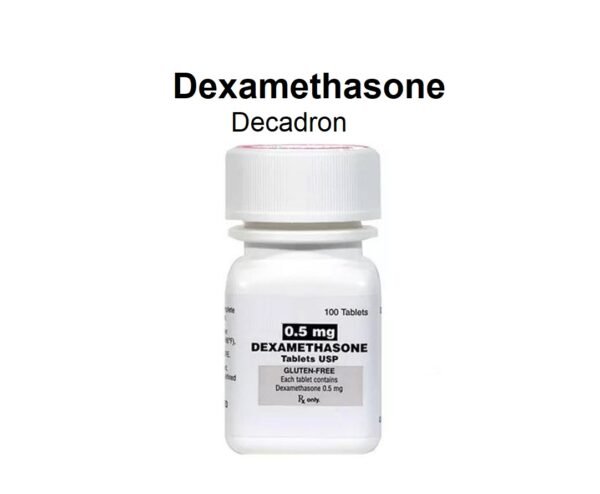
Dexamethasone (Decadron) is a long-acting glucocorticoid that is used in the treatment of rheumatic disorders, inflammatory disorders, allergic diseases, and Neoplastic disorders. In hypoxemic patients with COVID-19 infection, it has been found to reduce mortality.
Dexamethasone (Decadron) Uses:
- Allergic states:
- It used for control of severe or incapacitating allergic conditions intractable to adequate trials of conventional treatment:
- atopic dermatitis,
- seasonal or perennial allergic rhinitis,
- bronchial asthma,
- contact dermatitis,
- serum sickness,
- drug hypersensitivity reactions;
- acute noninfectious laryngeal edema,
- urticarial transfusion reactions (injection only).
- It used for control of severe or incapacitating allergic conditions intractable to adequate trials of conventional treatment:
- Collagen diseases:
- It can be used as maintenance therapy or during exacerbation in selected cases of systemic lupus erythematosus or acute rheumatic carditis.
- Dermatologic diseases:
- Pemphigus;
- bullous dermatitis herpetiformis;
- severe erythema multiforme (Stevens-Johnson syndrome);
- exfoliative dermatitis;
- exfoliative erythroderma;
- mycosis fungoides;
- severe psoriasis;
- severe seborrheic dermatitis.
- Diagnostic testing:
- Diagnostic testing of adrenocortical hyperfunction.
- Edematous states:
- To induce a diuresis or remission of proteinuria in idiopathic nephrotic syndrome or that because of systemic lupus erythematosus.
- Endocrine disorders:
- Primary, secondary, or acute (injection only) adrenocortical insufficiency (hydrocortisone or cortisone is the first choice).
- Preoperatively, and in the event of serious trauma or illness, in adrenal insufficiency or when the adrenocortical reserve is doubtful (injection only).
- Septic shock unresponsive to conventional therapy if adrenocortical insufficiency exists or is suspected (injection only).
- Congenital adrenal hyperplasia.
- Nonsuppurative thyroiditis
- Hypercalcemia associated with cancer.
- GI diseases:
- To tide the patient over a critical period of the disease in ulcerative colitis or regional enteritis.
- Hematologic disorders:
- Immune thrombocytopenia (idiopathic thrombocytopenic purpura) in adults (not IM).
- Secondary thrombocytopenia in adults (select cases).
- Acquired (autoimmune) hemolytic anemia
- Pure red cell aplasia.
- Congenital (erythroid) hypoplastic anemia (Diamond Blackfan anemia).
- Neoplastic diseases:
- Palliative management of leukemias and lymphomas in adults.
- Acute leukemia of childhood.
- Nervous system:
- Cerebral edema associated with a primary or metastatic brain tumor or craniotomy.
- Multiple sclerosis (acute exacerbations).
- Note: Treatment guidelines recommend the use of high dose IV or oral methylprednisolone for acute exacerbations of multiple sclerosis.
- Ophthalmic diseases:
Severe acute and chronic allergic and inflammatory processes involving the eye and its adnexa such as:
-
- Allergic conjunctivitis
- Keratitis
- Allergic corneal marginal ulcers
- Herpes zoster ophthalmicus
- Iritis and iridocyclitis
- Chorioretinitis
- Anterior segment inflammation
- Diffuse posterior uveitis and choroiditis
- Optic neuritis
- Sympathetic ophthalmia
- Temporal arteritis
- Uveitis
- Ocular inflammatory conditions unresponsive to topical corticosteroids.
- Respiratory diseases:
- Symptomatic sarcoidosis
- Loeffler syndrome not manageable by other means
- Berylliosis
- Fulminating or disseminated pulmonary tuberculosis when used concurrently with appropriate antituberculous chemotherapy
- Aspiration pneumonitis
- Idiopathic eosinophilic pneumonias.
- Rheumatic disorders:
- As adjunctive therapy for short-term administration in psoriatic arthritis
- Rheumatoid arthritis (RA)
- Juvenile RA
- Ankylosing spondylitis
- Acute and subacute bursitis
- Acute nonspecific tenosynovitis
- Acute gouty arthritis
- Posttraumatic osteoarthritis
- Synovitis of osteoarthritis
- Epicondylitis
- Dermatomyositis
- Polymyositis
- Systemic lupus erythematosus.
- Miscellaneous:
- Tuberculous meningitis with subarachnoid block or impending block when used with appropriate antituberculous chemotherapy.
- Trichinosis with neurologic or myocardial involvement.
- Intraarticular or soft tissue injection:
- As adjunctive therapy for short-term administration in synovitis of osteoarthritis
- Rheumatoid arthritis
- Acute and subacute bursitis
- Acute gouty arthritis
- Epicondylitis
- Acute nonspecific tenosynovitis
- Posttraumatic osteoarthritis
- Intralesional injection:
- Keloids
- Localized hypertrophic, infiltrated, inflammatory lesions of lichen planus
- Psoriatic plaques
- Granuloma annulare
- Lichen simplex chronicus (neurodermatitis)
- Discoid lupus erythematosus
- Necrobiosis lipoidica diabeticorum
- Alopecia areata
- Cystic tumors of an aponeurosis or tendon (ganglia)
- Off Label Use of Dexamethasone in Adults:
- Accelerated fetal lung maturation
- Chemotherapy-associated nausea and vomiting, prevention
- Glucocorticoid remediable aldosteronism, treatment
- Multiple myeloma
- Prevention and treatment of acute mountain sickness and high altitude cerebral edema
Dexamethasone has been evaluated in hypoxemic patients with COVID-19 infection and found to reduce mortality (Read details here: Dexamethasone Injection Dosage for COVID 19 Infection).
Dexamethasone (Decadron) Dose in Adults:
Dexamethasone (Decadron) Dose in the treatment of Adrenal crisis (shock due to adrenal insufficiency and unresponsive to conventional therapy) (off-label dose):
- IV: 4 to 10 mg as a single dose, which may be repeated if necessary.
- Note: Hydrocortisone is the preferred agent in this setting.
Dexamethasone (Decadron) Dose in the treatment of Anti-inflammatory/ immunosuppressive/ endocrine disorders:
- Oral, IM, IV: 0.5 to 9 mg/day in divided doses every 6 to 12 hours
- The dose depends upon the condition being treated and the response of the patient.
Dexamethasone (Decadron) Dose in Intra-articular, intralesional, or soft tissue injection:
- Dosage and frequency depend on the condition and the site of injection;
- frequency range: Once every 3 to 5 days to once every 2 to 3 weeks
- Large joints (eg, knee):
- Single-dose: 2 to 4 mg
- Small joints (eg, interphalangeal, temporomandibular):
- Single-dose: 0.8 to 1 mg
- Bursae:
- Single-dose: 2 to 4 mg
- Tendon Sheaths:
- Single-dose: 0.4 to 1 mg
- Soft tissue infiltration:
- Single-dose: 2 to 6 mg
- Ganglia:
- 1 to 2 mg
Dexamethasone (Decadron) Dose in the treatment of Brain tumor for palliative management of cerebral edema or neurological deficits associated with recurrent or inoperable brain tumors:
- Oral, IV: 2 mg twice to thrice daily may be effective
- Individualize dose based on disease response and patient tolerance.
Dexamethasone (Decadron) Dose in the treatment of Cerebral edema (associated with a brain tumor or craniotomy):
- IM, IV: 10 mg IV immediately, followed by 4 mg IM every 6 hours until cerebral edema subsides, then switch to oral regimen;
- The dosage may be reduced after 2 to 4 days and gradually discontinued over 5 to 7 days
Dexamethasone (Decadron) Dose as an alternative agent in the treatment of Classic Congenital adrenal hyperplasia, classic:
- Oral: 0.25 to 0.5 mg once a day; use of a liquid dosage form may be preferable to allow for better dose titration.
Dexamethasone (Decadron) Dose in the diagnosis of Cushing syndrome (low dose):
- Oral: 1 mg at 11 PM, draw blood at 8 AM;
- greater accuracy for Cushing syndrome may be achieved with 0.5 mg every 6 hours for 48 hours (with 24-hour urine collection for 17-hydroxycorticosteroid excretion)
- Differentiation of Cushing syndrome due to ACTH excess from Cushing due to other causes:
- Oral: 2 mg every 6 hours for 48 hours (with 24-hour urine collection for 17hydroxycorticosteroid excretion)
Dexamethasone (Decadron) Dose in the treatment of Immune thrombocytopenia as initial therapy:
- Oral: 40 mg once daily for 4 consecutive days;
- if platelet count continues to remain <30,000/mm³ or bleeding symptoms occur by day 10, may administer an additional 4-day course of 40 mg once daily OR
- 40 mg once daily for 4 consecutive days, if platelets fall below 30,000/mm³ within 6 months a second course may be administered, followed by a prednisone taper.
- Pulsed dexamethasone dosing of 40 mg once daily for 4 days every 14 or 28 days for 4 to 6 cycles have also been used.
Dexamethasone (Decadron) Dose in the treatment of acute exacerbation of Multiple Sclerosis:
Note: Treatment guidelines recommend the use of high dose IV or oral methylprednisolone for acute exacerbations of multiple sclerosis.
- Oral: 30 mg/day for 1 week, followed by 4 to 12 mg every other day for 1 month
Dexamethasone (Decadron) Dose in the Acute mountain sickness (AMS)/ high altitude cerebral edema (HACE) (off-label):
- Prevention:
- Oral: 2 mg every 6 hours or 4 mg every 12 hours starting on the day of ascent; may be discontinued if descent initiated or after staying at the same elevation for 2 to 3 days; do not exceed a 10 days duration.
- Note: In situations of rapid ascent to altitudes >3500 meters (such as rescue or military operations), 4 mg every 6 hours may be considered.
- Treatment: Oral, IM, IV:
- AMS: 4 mg every 6 hours.
- HACE:
- Initial: 8 mg as a single dose;
- Maintenance: 4 mg every 6 hours until symptoms resolve.
Dexamethasone (Decadron) Dose in the treatment of Accelerated fetal lung maturation (off-label):
- IM: 6 mg every 12 hours for a total of 4 doses.
- A single course is recommended for women between 24 and 34 weeks of gestation, including those with multiple gestations or ruptured membranes, who are at risk of delivering within 7 days.
- A single course may be appropriate in some women beginning at 23 weeks gestation or late preterm (between 34 0/7 weeks and 36 6/7 weeks gestation).
- A single repeat course may be considered in some women with pregnancies less than 34 weeks gestation at risk for delivery within 7 days and who had a course of antenatal corticosteroids >14 days prior.
Dexamethasone (Decadron) Dose in the treatment of Airway edema or extubation (off-label):
- IV: 0.5 mg/kg/dose (maximum dose: 10 mg/dose) 6 to 12 hours prior to extubation then every 6 hours for 5 doses OR
- 5 mg every 6 hours for 4 doses with extubation performed 24 hours after last injection.
Dexamethasone (Decadron) Dose in the prevention of Chemotherapy-associated nausea and vomiting (off-label):
- Highly emetic chemotherapy (in combination with an NK receptor antagonist, a 5-HT-3 antagonist, and olanzapine;
- Note: dexamethasone dose depends on specific NK receptor antagonist:
- Oral or IV:
- In combination with oral aprepitant, or netupitant-palonosetron:
- 12 mg on day 1, followed by 8 mg once daily on days 2 to 4
- In combination with IV fosaprepitant:
- 12 mg on day 1, followed by 8 mg on day 2, and 8 mg twice daily on days 3 and 4
- In combination with rolapitant:
- 20 mg on day 1, followed by 8 mg twice daily on days 2 to 4
- If NK receptor antagonist not used:
- 20 mg day 1, followed by 8 mg twice daily on days 2 to 4
- In combination with oral aprepitant, or netupitant-palonosetron:
- High emetic potential anthracycline/cyclophosphamide chemotherapy:
- Oral, IV: 12 mg with aprepitant, fosaprepitant, or netupitant/palonosetron or 20 mg with rolapitant; in combination with a 5HT-3 antagonist on day 1 and olanzapine on days 1 to 4.
- Moderate emetic potential chemotherapy:
- Oral, IV: 8 mg on day 1 prior to chemotherapy (in combination with a 5HT-3 antagonist on day 1) and 8 mg on days 2 and 3; may be administered as 4 mg twice daily.
- Low emetic potential chemotherapy:
- Oral, IV: 4 to 8 mg prior to chemotherapy.
Dexamethasone (Decadron) Dosing when used in combination with extended-release granisetron:
- Day 1:
- IV: 20 mg (for highly emetic chemotherapy) or 8 mg (for moderately emetic chemotherapy)
- Days 2, 3, and 4:
- Oral: 8 mg twice daily (for highly emetic chemotherapy)
Dexamethasone (Decadron) Dosing when used in combination with IV aprepitant (and a 5HT-3 antagonist):
- Highly emetic chemotherapy:
- Oral: 12 mg on day 1, followed by 8 mg on day 2 and then 8 mg twice daily on days 3 and 4
- Moderately emetic chemotherapy:
- Oral: 12 mg on day 1 only
Dexamethasone (Decadron) Dose in Dexamethasone suppression test (off-label):
- Oral: 1 mg at 11 PM, draw blood at 8 AM the following day for plasma cortisol determination
Dexamethasone (Decadron) Dose in the treatment of Glucocorticoid remediable aldosteronism as off-label use:
- Oral: Initial: 0.125 to 0.25 mg once daily, preferably at bedtime to suppress early morning ACTH surge.
Dexamethasone (Decadron) Dose in the treatment of Multiple myeloma (off-label):
Note: Multiple dexamethasone-containing regimens are available for the treatment of multiple myeloma. Refer to appropriate literature/guidelines for additional details.
- Orally it can be given in different ways:
- 40 mg once daily on days 1 to 4, 9 to 12, and 17 to 20 (as induction therapy) in combination with bortezomib and doxorubicin for 3 cycles OR
- 40 mg once a week on days 1, 8, 15, and 22 every 28 days (in combination with lenalidomide) until disease progression OR
- 40 mg once a week on days 1, 8, 15, and 22 every 28 days (in combination with pomalidomide) until disease progression or unacceptable toxicity OR
- 40 mg once a week on days 1, 8, 15, and 22 every 28 days (in combination with ixazomib and lenalidomide) until disease progression or unacceptable toxicity OR
- 28 mg orally plus 8 mg IV (prior to elotuzumab) on days 1, 8, 15, and 22 every 28 days for 2 cycles, followed by 28 mg orally plus 8 mg IV (prior to elotuzumab) on days 1 and 15 and 40 mg orally on days 8 and 22 every 28 days thereafter until disease progression or unacceptable toxicity (in combination with elotuzumab and lenalidomide) OR
- 40 mg weekly (20 mg weekly in patients >75 years), except on days elotuzumab is administered (administer dexamethasone 28 mg orally [8 mg orally in patients >75 years] plus 8 mg IV prior to elotuzumab) (in combination with elotuzumab and pomalidomide) until disease progression or unacceptable toxicity OR
- 40 mg once weekly on days 1, 8, 15, and 22 every 28 days in cycles 1 to 9, and then 40 mg once weekly on days 1, 8, and 15 every 28 days beginning at cycle 10 and continuing until disease progression or unacceptable toxicity (in combination with carfilzomib) OR
- 40 mg once weekly on days 1, 8, 15, and 22 every 28 days until disease progression or unacceptable toxicity (in combination with carfilzomib [through cycle 18] and lenalidomide).
- Oral or IV: 20 mg once daily days 1, 2, 4, 5, 8, 9, 11, and 12 every 21 days (in combination with daratumumab and bortezomib) for 8 cycles OR
- 40 mg weekly (20 mg weekly in patients >75 years or BMI <18.5) (in combination with daratumumab and pomalidomide), except on days daratumumab is administered (administer dexamethasone 20 mg before and the day after daratumumab infusion [20 mg prior to daratumumab infusion only in patients >75 years or BMI <18.5]); continue until disease progression OR
- 20 mg on days 1, 2, 8, 9, 15, 16, 22, and 23 every 28 days until disease progression or unacceptable toxicity (in combination with carfilzomib) OR
- 20 mg on days 1 (prior to daratumumab infusion) and 2 each week (in combination with daratumumab and lenalidomide) until disease progression or unacceptable toxicity; for patients >75 years of age, BMI <18.5, poorly controlled diabetes, or corticosteroid intolerance, a reduced dexamethasone dose of 20 mg once a week was used.
Dexamethasone Dosage in Hypoxemic patients with COVID-19 infection:
- Oral or intravenous: 6 mg daily for ten days.
Dexamethasone (Decadron) Dose in Childrens:
Dexamethasone (Decadron) Dose in the treatment of Acute mountain sickness (moderate)/ high altitude cerebral edema (HACE):
Limited data available:
- Infants, Children, and Adolescents:
- Oral, IM, IV: 0.15 mg/kg/dose 6 hourly.
- Maximum dose: 4 mg/dose.
- Because of associated HACE with this condition, consider using for high altitude pulmonary edema.
Dexamethasone (Decadron) Dose in the treatment of Airway edema (prior to extubation):
Limited data available:
- Infants, Children, and Adolescents:
- Oral, IM, IV:Administer 6 to 12 hours prior to extubation 0.5 mg/kg/dose
- The maximum dose: 10 mg/dose, then every 6 hours for 6 doses (total dexamethasone dose: 3 mg/kg).
Dexamethasone (Decadron) Dose as an Anti-inflammatory:
- Infants, Children, and Adolescents:
Oral, IM, IV:
-
- Initial dose range: 0.02 to 0.3 mg/kg/day or 0.6 to 9 mg/kg/day in divided doses every 6 to 12 hours; dose depends upon the response of patient and condition being treated.
- Dosage for infants and children should be based on patient response and disease severity
- Usual adult daily dose range: 0.75 to 9 mg/day
Dexamethasone (Decadron) Dose in the treatment of Asthma exacerbation:
Limited data available:
- Infants, Children, and Adolescents:
- Oral, IM, IV: 0.6 mg/kg once daily as a single dose or once daily for 2 days.
- Maximum dose: 16 mg/dose
- Single-dose regimens may be as low as 0.3 mg/kg/dose and as high as 1.7 mg/kg/dose have also been reported.
- Note: Duration >2 days is not recommended due to an increased risk of metabolic effects.
Dexamethasone (Decadron) Dose in the treatment of Bacterial meningitis (caused by H. influenzae type b):
Limited data available:
- Infants >6 weeks and Children:
- IV: 0.15 mg/kg/dose every 6 hours for the first 2 to 4 days of antibiotic treatment.
- Start dexamethasone 10 to 20 minutes before or with the first dose of antibiotics.
- Dexamethasone use has not been shown to improve patient outcomes and is not recommended if antibiotics have already been administered.
- Note: For pneumococcal meningitis, data has not shown clear benefit from dexamethasone administration; risk and benefits should be considered prior to use.
Dexamethasone (Decadron) Dose in the treatment of Cerebral edema:
- Infants, Children, and Adolescents:
Oral, IM, IV:
-
- Loading dose: 1 to 2 mg/kg/dose as a single dose.
- Maintenance dose: 1 to 1.5 mg/kg/day in divided doses every 4 to 6 hours.
- Maximum daily dose: 16 mg/day.
Dexamethasone (Decadron) Dose in the prevention of Chemotherapy-induced nausea and vomiting:
- Refer to individual protocols and emetogenic potential:
- Infants, Children, and Adolescents:
- POGO recommendations:
- Note: Reduce dose by 50% if administered concomitantly with aprepitant:
- Highly/severely emetogenic chemotherapy:
- Oral, IV: 6 mg/m² /dose 6 hourly
- Moderately emetogenic chemotherapy:
- Oral, IV:
- BSA ≤0.6 m²: 2 mg 12 hourly
- BSA >0.6 m²: 4 mg 12 hourly
- Oral, IV:
- Highly/severely emetogenic chemotherapy:
- Alternate dosing:
- Highly/severely emetogenic chemotherapy:
- IV: Usual: 10 mg/m² /dose once daily on days of chemotherapy.
- Some patients may require every 12-hour dosing; the usual range: 8 to 14 mg/m²/dose.
- It can be used initially as 10 mg/m²/dose prior to chemotherapy (maximum dose: 20 mg) then 5 mg/m²/dose every 6 hours.
- Highly/severely emetogenic chemotherapy:
- Infants, Children, and Adolescents:
Dexamethasone (Decadron) Dose in the treatment of Congenital adrenal hyperplasia:
- Adolescents (fully grown):
- Oral: 0.25 to 0.5 mg once a day;
- For better dose titration uses a liquid dosage form.
- Note: Hydrocortisone or fludrocortisone are preferred for younger patients who are still growing.
Dexamethasone (Decadron) Dose in the treatment of Croup (laryngotracheobronchitis):
- Infants and Children:
- Oral, IM, IV: 0.6 mg/kg once; reported maximum dose highly variable;
- Usual maximum dose: 16 mg/dose.
- For mild to moderate croup maximum doses of 10 to 20 mg/dose have been reported with similar efficacy.
- The majority of reported experience in infants are those ≥3 months of age; very limited data available in <3 months of age.
- In one evaluation of 22 children >2 years of age, a maximum dose of 12 mg/dose (at 0.6 mg/kg/dose) did not decrease endogenous glucocorticoid levels.
- A single oral dose of 0.15 mg/kg has also been shown effective in infants ≥3 months and children with mild to moderate croup.
Dexamethasone (Decadron) Dose in the treatment of Physiologic replacement:
- Infants, Children, and Adolescents:
- Oral, IM, IV: 0.03 to 0.15 mg/kg/day in divided doses every 6 to 12 hours.
- Initial: 0.2 to 0.25 mg/m²/day administered once a day
- Some patients may require 0.3 mg/m²/day
Pregnancy Risk Factor C
- Corticosteroids have been linked to adverse outcomes in animal reproduction.
- Dexamethasone crosses the placenta, and can be partially metabolized to an inactive metabolite by placental enzymes.
- Some studies showed an increase in the risk of oral cleft and a decreased birth weight among patients who received corticosteroids during their first-trimester.
- However, this information is inconsistent and could be affected by the maternal dose/indication.
- Hypoadrenalism can occur in newborns after the mother has used corticosteroids.
- Prenatal corticosteroid administration can reduce the risk of intraventricular hemorhage, neonatal death, necrotizing enterolitis and respiratory distress syndrome.
- The injection is used often for antenatal lung maturation in preterm premature ruptured membranes patients or those at high risk for preterm birth.
- Most data are available for betamethasone.
- For women between 24 and 35 weeks gestation, who are at high risk of giving birth within seven days, one course of corticosteroids should be administered.
- Women who are pregnant at 23 weeks may receive one course of corticosteroids. This is in consultation with their family.
- A single course of corticosteroids may only be given to women who are at high risk for preterm birth within seven days.
- Concomitant tocolytics are not recommended.
- Administration of late preterm corticosteroids is not recommended for women with intrauterine infections, multiple gestations, diabetes or who have had a cesarean section.
- It is not recommended to take multiple courses.
- A single course of antenatal corticosteroids may be given to women who are less than 34 weeks gestation and at high risk of delivery within 7 days.
- However, it is not recommended that women have more than one course. It is also possible that a single course may be administered to women with premature ruptured membranes.
- It is recommended that systemic corticosteroids be used during pregnancy. However, the maximum effective dose should be kept low for as short a time as possible.
- Pregnant women should not use dexamethasone to treat congenital adrenal hyperplasia or primary adrenal insufficiency.
Use of dexamethasone while breastfeeding
- Breast milk contains corticosteroids, but no specific information about dexamethasone.
- A breastfeeding infant could be affected by maternal corticosteroids use (eg, growth suppression or interference with endogenous corticosteroid manufacturing).
- The manufacturer suggests that the mother decide whether to stop breastfeeding or discontinue using the drug. This is in consideration of the possibility of serious adverse reactions in breastfeeding infants.
- Breastfeeding is possible with single doses of dexamethasone. Information about prolonged use is not available.
- Based on a study with prednisolone, some guidelines suggest waiting for 4 hours after the maternal dose. This will allow the infant to be breastfed less frequently.
Dexamethasone (Decadron) Dose in Kidney Disease:
There are no dosage adjustments provided in the manufacturer’s labeling; use with caution.
- Hemodialysis:
- The supplemental dose is not necessary.
- Peritoneal dialysis:
- A supplemental dose is not necessary.
- International Myeloma Working Group (IMWG) Recommendations:
- The International Myeloma Working Group (IMWG) recommended that dexamethasone may be administered without dosage adjustment in multiple myeloma patients with renal impairment, even including those on dialysis.
- The IMWG recommends the use of the Chronic Kidney Disease Epidemiology Collaboration (CKD-EPI) equation (preferred) or the Modification of Diet in Renal Disease (MDRD) formula to evaluate renal function estimation in multiple myeloma patients with stable serum creatinine.
Dose in Liver disease:
There are no dosage adjustments provided in the manufacturer’s labeling.
Side effects of dexamethasone (Decadron):
- Cardiovascular:
- Bradycardia
- Cardiac Arrhythmia
- Cardiac Failure
- Cardiomegaly
- Circulatory Shock
- Edema
- Embolism (Fat)
- Hypertension
- Hypertrophic Cardiomyopathy (Premature Infants)
- Myocardial Rupture (Post-MI)
- Syncope
- Tachycardia
- Thromboembolism
- Thrombophlebitis
- Vasculitis
- Central Nervous System:
- Depression
- Emotional Lability
- Euphoria
- Headache
- Increased Intracranial Pressure
- Insomnia
- Malaise
- Myasthenia
- Neuritis
- Neuropathy
- Paresthesia
- Personality Changes
- Pseudotumor Cerebri (Usually Following Discontinuation)
- Psychic Disorder
- Seizure
- Vertigo
- Dermatologic:
- Acne Vulgaris
- Allergic Dermatitis
- Alopecia
- Atrophic Striae
- Diaphoresis
- Ecchymoses
- Erythema
- Facial Erythema
- Fragile Skin
- Hyperpigmentation
- Hypertrichosis
- Hypopigmentation
- Perianal Skin Irritation (Itching
- Burning
- Tingling; Following IV Injection)
- Petechiae
- Skin Atrophy
- Skin Rash
- Subcutaneous Atrophy
- Suppression Of Skin Test Reaction
- Urticaria
- Xeroderma
- Endocrine & Metabolic:
- Adrenal Suppression
- Carbohydrate Intolerance
- Cushing Syndrome
- Decreased Glucose Tolerance
- Decreased Serum Potassium
- Diabetes Mellitus
- Fluid Retention
- Glycosuria
- Growth Suppression (Children)
- Hirsutism
- HPA-Axis Suppression
- Hyperglycemia
- Hypokalemic Alkalosis
- Menstrual Disease
- Moon Face
- Negative Nitrogen Balance
- Protein Catabolism
- Redistribution Of Body Fat
- Sodium Retention
- Weight Gain
- Gastrointestinal:
- Abdominal Distention
- Gastrointestinal Hemorrhage
- Gastrointestinal Perforation
- Hiccups
- Increased Appetite
- Nausea
- Pancreatitis
- Peptic Ulcer
- Pruritus Ani (Following IV Injection)
- Ulcerative Esophagitis
- Genitourinary:
- Defective (Increased Or Decreased) Spermatogenesis
- Hematologic & Oncologic:
- Kaposi Sarcoma
- Petechial
- Tumor Lysis Syndrome
- Hepatic:
- Hepatomegaly
- Increased Serum Transaminases
- Hypersensitivity:
- Anaphylactoid Reaction
- Anaphylaxis
- Angioedema
- Hypersensitivity
- Infection:
- Infection
- Sterile Abscess
- Local:
- Post Injection Flare (Intra-Articular Use)
- Neuromuscular & Skeletal:
- Amyotrophy
- Aseptic Necrosis Of Bones (Femoral And Humoral Heads)
- Bone Fractures
- Charcot-Like Arthropathy
- Myasthenia
- Myopathy (Particularly In Conjunction With Neuromuscular Disease Or Neuromuscular-Blocking Agents)
- Osteoporosis
- Rupture Of Tendon
- Steroid Myopathy
- Vertebral Compression Fracture
- Ophthalmic:
- Exophthalmos
- Glaucoma
- Increased Intraocular Pressure
- Subcapsular Posterior Cataract
- Respiratory:
- Pulmonary Edema
- Miscellaneous:
- Wound Healing Impairment
Contraindications to Dexamethasone (Decadron):
- Hypersensitivity to dexamethasone and any component of the formulation
- Systemic fungal infections
- There is not much evidence of cross-reactivity between corticosteroids and allergenic corticosteroids. Cross-sensitivity is possible due to similarities in chemical structure or pharmacologic effects.
Warnings and precautions
- Suppression of the adrenals:
- Particularly in younger children or in patients receiving high doses for prolonged periods, it may cause hypercortisolism or suppression of the hypothalamic-pituitary-adrenal (HPA) axis.
- An adrenal crisis may result from HPA axis suppression.
- It is important to withdraw and stop using a corticosteroid slowly and carefully.
- Patients who are being transferred from systemic corticosteroids into inhaled products require special care due to adrenal insufficiency, withdrawal from steroids, and an increase in allergic reactions.
- Adult patients who receive >20 mg of prednisone or equivalent daily may be more susceptible.
- The majority of fatalities were caused by adrenal insufficiency in asthmatic sufferers after and during transfer from systemic corticosteroids (aerosol steroids) to their patients.
- Anaphylactoid reactions
- Patients who have received corticosteroids have had rare cases of anaphylactoid reactions.
- Immunosuppression:
- Extended use can increase the risk of secondary infections.
- It can activate latent infections.
- Can mask acute infection like fungal infections, prolong or exacerbate viral infections,
- This may limit the effectiveness of inactivated or killed vaccines.
- Ocular herpes simplex should not be treated with corticosteroids. Also, avoid exposure to chickenpox and measles.
- Corticosteroids shouldn't be used to treat cerebral malaria, fungal infections or viral hepatitis.
- Pay attention to patients with latent tuberculosis or TB reactivity. Also, limit active TB use (only fulminating and disseminated TB when combined with antituberculosis treatments).
- Before initiating corticosteroids, it is important to rule out amebiasis in patients who have recently traveled to tropical climates or unexplained diarrhea.
- Strongyloides patients should be treated with extreme caution. Hyperinfection, dissemination and even death have been reported.
- Kaposi Sarcoma:
- Kaposi sarcoma (case report) can develop in patients who have received long-term corticosteroids treatment. If this is the case, it is important to discontinue therapy.
- Myopathy
- A few cases of acute myopathy were reported after high-dose corticosteroids were administered to patients with neuromuscular transmission disorder.
- These may include the eye, respiratory, and ocular muscles.
- Perineal irritation:
- With IV administration, there have been reports of numbness, burning, pain, and tingling in the genital area.
- Females are more likely to be given high doses or quickly.
- Symptoms usually disappear in less than one minute.
- Psychiatric disorders:
- Corticosteroid use can cause psychotic manifestations such as personality changes, depression and euphoria.
- Corticosteroid treatment can worsen pre-existing mental conditions.
- Insufficiency of the adrenals:
- Dexamethasone is not effective in adrenal insufficiency. It can be used as a single dose, while cortisol tests are done.
- In the management/prevention of adrenal crisis in patients with known primary adrenal insufficiency, the Endocrine Society practice guidelines state dexamethasone (intravenous) is the least preferred alternative agent and should be used only if no other glucocorticoid is available.
- Oral dexamethasone should not be used to treat chronic primary adrenalinsufficiency (i.e., physiologic replacement). This is because of the Cushingoid side effect risk.
- Cardiovascular disease
- Patients with hypertension and/or HF should be cautious when using corticosteroids.
- Corticosteroids have been linked to myocardial injury, so be cautious if you are experiencing acute MI.
- Diabetes:
- May alter glucose production/regulation leading to hyperglycemia, so use with caution in patients with diabetes mellitus.
- Gastrointestinal Disease:
- Patients with GI conditions such as diverticulitis, active or latent peptic, diverticulitis or fresh intestinal anastomoses should be supervised.
- Head injury
- Patients who received high-dose intravenous medication methylprednisolone had a higher mortality rate.
- For the treatment of head injuries, high-dose corticosteroids should be avoided.
- Hepatic impairment
- Patients with cirrhosis or hepatic impairment should be cautious. Long-term fluid retention has been reported.
- Myasthenia gravis:
- Patients with myasthenia gravis should be cautious when using corticosteroids.
- Ocular disease:
- Patients with cataracts or glaucoma should be cautious; patients who have experienced increased intraocular pressure, open angle glaucoma, and cataracts from prolonged use of the device should be advised.
- Patients with a history ocular herpes severex should be cautious. If corneal perforation has already occurred, do not use this product in active ocular herpes.
- They may increase the likelihood of developing optic neuritis again. Therefore, they are not recommended for treatment.
- Routine eye exams are recommended for chronic users.
- Osteoporosis
- Patients with osteoporosis should be cautious with corticosteroids. High doses and/or prolonged use have been linked to increased bone loss and fractures.
- Renal impairment
- Fluid retention can occur in patients with impaired renal function.
- Seizure disorders:
- Patients with seizure disorders should be cautious when using corticosteroids.
- There have been reports of seizures associated with adrenal crisis.
- Thyroid disease:
- Thyroid status changes may require dosage adjustments.
- The metabolism of corticosteroids is higher in hyperthyroid patients than in hypothyroid.
Dexamethasone (systemic): Drug Interaction
Note: Drug Interaction Categories:
- Risk Factor C: Monitor When Using Combination
- Risk Factor D: Consider Treatment Modification
- Risk Factor X: Avoid Concomitant Use
|
Risk Factor C (Monitor therapy). |
|
|
Acetylcholinesterase inhibitors |
Systemic Corticosteroids may increase the toxic/adverse effects of Acetylcholinesterase Inhibitors. It is possible to experience increased muscular weakness. |
|
Amphotericin B |
Systemic corticosteroids may increase the hypokalemic effects of Amphotericin. |
|
Androgens |
Systemic Corticosteroids may increase the fluid-retaining ability of Androgens. |
|
Antidiabetic Agents |
Hyperglycemia-Associated Agents may diminish the therapeutic effect of Antidiabetic Agents. |
|
Asparaginase (E. coli) |
Systemic may increase serum levels of Dexamethasone. This could be caused by a decrease in the hepatic proteins that are responsible for dexamethasone metabolic activity due to asparaginase. |
|
Asparaginase, Erwinia |
Systemic may increase serum levels of Dexamethasone. This could be caused by a decrease in the hepatic proteins that are responsible for dexamethasone metabolic activity due to asparaginase. |
|
Bile Acid Sequestrants |
Might decrease the absorption Corticosteroids (Oral) |
|
Bosentan |
Could lower serum concentrations of CYP3A4 substrates (High Risk with Inducers). |
|
Calcitriol (Systemic) |
The therapeutic effects of Calcitriol Systemic may be diminished by the use of corticosteroids (Systemic). |
|
Clofazimine |
High risk of Inhibitors causing an increase in serum CYP3A4 Substrates concentrations |
|
CloZAPine |
CloZAPine serum concentrations may be decreased by CYP3A4 Inducers (Weak). |
|
Coccidioides immitis Skin Test |
Coccidioides immitis Skin Test may be affected by immunosuppressants. |
|
Corticorelin |
Corticosteroids can reduce the therapeutic effects of Corticorelin. Recent or current corticosteroid treatment may affect plasma ACTH responses to Corticorelin. |
|
Cosyntropin |
Systemic corticosteroids may reduce the diagnostic power of Cosyntropin. |
|
CycloSPORINE Systemic |
Systemic may cause a decrease in CycloSPORINE's serum concentration. The serum concentration of CycloSPORINE Systemic may be increased by Dexamethasone Systemsic. The serum concentration of Dexamethasone may be increased by CycloSPORINE Systemic. |
|
Moderate CYP3A4 Inducers |
Could lower serum concentrations of CYP3A4 substrates (High Risk with Inducers). |
|
Moderate CYP3A4 inhibitors |
Might decrease metabolism of CYP3A4 substrates (High Risk with Inhibitors). |
|
Could lower serum concentrations of CYP3A4 substrates (High Risk with Inducers). |
|
|
Deferasirox |
Systemic corticosteroids may increase the toxic/adverse effects of Deferasirox. Specifically, the risk for GI ulceration/irritation or GI bleeding may be increased. |
|
Deferasirox |
Corticosteroids can increase the toxic/adverse effects of Deferasirox. Specifically, the risk for GI ulceration/irritation or GI bleeding may be increased. |
|
Might increase the toxic/adverse effects of Immunosuppressants. In particular, there may be an increase in the risk of serious infections. |
|
|
Increase in serum levels of Corticosteroids (Systemic). |
|
|
Duvelisib |
High risk of Inhibitors causing an increase in serum CYP3A4 Substrates concentrations |
|
Could lower serum concentrations of CYP3A4 substrates (High Risk with Inducers). |
|
|
Erdafitinib |
High risk of Inhibitors causing an increase in serum CYP3A4 Substrates concentrations |
|
Erdafitinib |
Increased serum concentrations of P-glycoprotein/ABCB1 Substrates may be possible. |
|
Estrogen Derivatives |
Increase in serum levels of Corticosteroids (Systemic). |
|
Fosamprenavir serum concentration may be decreased by Systemic Dexamethasone. Fosamprenavir can increase the serum concentrations of Dexamethasone Systemic. |
|
|
Indacaterol |
Corticosteroids (Systemic) may increase the hypokalemic effects. |
|
Systemic may reduce the serum Isoniazid concentration. |
|
|
Could lower serum concentrations of CYP3A4 substrates (High Risk with Inducers). |
|
|
High risk of Inhibitors causing an increase in serum CYP3A4 Substrates concentrations |
|
|
Loop Diuretics |
Systemic Corticosteroids may increase the hypokalemic effects of Loop Diuretics. |
|
Nalmefene |
Systemic may lower the serum Nalmefene concentration by using Dexamethasone. |
|
Nicorandil |
Systemic corticosteroids may increase the toxic/adverse effects of Nicorandil. This combination has been associated with gastrointestinal perforation. |
|
CYP3A4 Inducers, (Weak), may reduce the serum NiMODipine concentration. |
|
|
Nonsteroidal Anti-Inflammatory Agents COX-2 Selective |
Systemic Corticosteroids may increase the toxic/adverse effects of Nonsteroidal Anti-Inflammatory agents (COX-2 Selective). |
|
Nonsteroidal Anti-Inflammatory Drugs (Nonselective). |
Systemic Corticosteroids may increase the toxic/adverse effects of Nonsteroidal Anti-Inflammatory Agents. |
|
May increase the immunosuppressive effects of Immunosuppressants. |
|
|
Palbociclib |
High risk of Inhibitors causing an increase in serum CYP3A4 Substrates concentrations |
|
P-glycoprotein/ABCB1 Inhibitors |
Increases serum concentrations of Pglycoprotein/ABCB1 substrates. P-glycoprotein inhibitors can also increase the distribution of pglycoprotein substrates to certain cells/tissues/organs in which p-glycoprotein exists in high amounts (e.g. brain, T-lymphocytes and testes). . |
|
Pidotimod |
Pidotimod's therapeutic effects may be diminished by immunosuppressants. |
|
Quinolones |
Quinolones may be exacerbated by Systemic corticosteroids. Tendonitis and tendon rupture are possible. |
|
Increased serum concentrations of P-glycoprotein/ABCB1 Substrates may be possible. |
|
|
Ritodrine |
Ritodrine's toxic/adverse effects may be amplified by corticosteroids. |
|
Salicylates |
Corticosteroids (Systemic) may have an adverse/toxic effect. These include bleeding and gastrointestinal ulceration. Systemic corticosteroids may cause a decrease in serum Salicylates. Salicylate toxicities can occur when corticosteroids are stopped. |
|
Sargramostim |
Systemic corticosteroids may increase the therapeutic effects of Sargramostim. Corticosteroids (Systemic) may increase the myeloproliferative effect of Sargramostim. |
|
Sarilumab |
Could lower serum concentrations of CYP3A4 substrates (High Risk with Inducers). |
|
Siltuximab |
Could lower serum concentrations of CYP3A4 substrates (High Risk with Inducers). |
|
Siponimod's immunosuppressive effects may be enhanced by taking immunosuppressants. |
|
|
Sipuleucel T's therapeutic effects may be diminished by immunosuppressants |
|
|
Systemic corticosteroids may reduce the therapeutic effects of Somatropin. |
|
|
Tacrolimus (Systemic) |
Systemic corticosteroids may cause a decrease in serum Tacrolimus (Systemic). However, the concentrations of tacrolimus may rise if you stop taking corticosteroid treatment. |
|
Systemic may lower the serum levels of Temsirolimus' active metabolite Dexamethasone. |
|
|
Tertomotide |
Tertomotide's therapeutic effects may be diminished by immunosuppressants. |
|
Thiazide and Thiazide -Like Diuretics |
Systemic Corticosteroids may increase the hypokalemic effects of Thiazide or Thiazide-Like Diauretics. |
|
Could lower serum concentrations of CYP3A4 substrates (High Risk with Inducers). |
|
|
May increase the neutropenic effects of Immunosuppressants. |
|
|
Triazolam |
Systemic may lower the serum level of Triazolam. |
|
Urea Cycle Disorder Agents |
Systemic Corticosteroids may decrease the therapeutic effects of Urea Cycle Disorders Agents. Corticosteroids Systemic may cause an increase in protein catabolism or plasma ammonia, which can lead to increased doses of Urea Cycle Disorder agents. |
|
Systemic may lower the serum concentrations of Voriconazole. |
|
|
Systemic corticosteroids may increase the anticoagulant effects of Warfarin. |
|
|
Risk Factor D (Consider therapy modifications) |
|
|
Antacids |
Could decrease the bioavailability (Oral) of Corticosteroids. Management: It is worth separating doses for at least 2 hours. Budesonide enteric-coated tablets may dissolve prematurely when combined with lower gastric acid drugs, which have unknown effects on the budesonide therapeutic benefits. |
|
Increased serum levels of Systemic Corticosteroids (Systemic) may occur. For single doses of 40 mg aprepitant, no dose adjustment is necessary. Reduce oral dexamethasone and methylprednisolone dosages by 50% for other regimens, and reduce IV methylprednisolone dosages by 25%. This adjustment is made to antiemetic regimens that contain dexamethasone. |
|
|
Axicabtagene Ciloleucel |
Systemic corticosteroids may reduce the therapeutic effects of Axicabtagene Ciloleucel. Management: Do not use corticosteroids before taking axicabtagene Ciloleucel. However, corticosteroids might be necessary to treat cytokine-release syndrome or neurologic toxicities. |
|
Baricitinib's immunosuppressive effects may be enhanced by immunosuppressants. Baricitinib should not be used in combination with immunosuppressants like azathioprine and cyclosporine. It is permissible to use methotrexate antirheumatically or nonbiologic disease-modifying antirheumatic drug (DMARDs), concurrently. |
|
|
Caspofungin serum concentration may be decreased by inducers of drug clearance. Management: Increase caspofungin dosage to 70 mg per day for adults, or 70 mg/m for children, if coadministered alongside known inducers. |
|
|
Cobicistat |
The serum concentration of Cobicistat may be decreased by Dexamethasone Systemic. The boosting effects of Cobicistat may be counteracted by Dexamethasone Systemic. You may want to consider an alternative corticosteroid. For evidence of a decreased response to antiviral treatment, closely monitor patients who are receiving this combination. |
|
Strong CYP3A4 Inducers |
Systemic may cause a decrease in serum Dexamethasone. Management: Patients who are receiving strong CYP3A4 inducers should consider increasing their dexamethasone doses. Also, monitor for decreased steroid effectiveness. |
|
Strong CYP3A4 inhibitors |
Might decrease metabolism of CYP3A4 substrates (High Risk with Inhibitors). |
|
Dabrafenib |
High risk of Inducers causing a decrease in serum CYP3A4 substrates. Management: If possible, seek alternatives to the CYP3A4 substrate. Concomitant therapy should be avoided if possible. Monitor the clinical effects of the substrate carefully (especially therapeutic effects). |
|
The serum concentration of Daclatasvir may be decreased by Systemic (Dexamethasone) Management: The US label recommends that daclatasvir be increased to 90 mg daily when taken with dexamethasone. Canadian labeling says that daclatasvir/dexamethasone combination is not recommended. |
|
|
The serum concentration of Dasatinib may be decreased by Systemic (Dexamethasone). Management: Avoid if possible. This combination should not be used. |
|
|
Desirudin's anticoagulant effects may be enhanced by Systemic corticosteroids. Corticosteroids (Systemic) may increase hemorhagic risk while desirudin is being treated. Treatment: Stop taking systemic corticosteroids before desirudin treatment begins. Concomitant use should not be allowed. Patients receiving these combination medications should be closely monitored for signs and symptoms of excessive anticoagulation. |
|
|
Echinacea |
Might decrease the therapeutic effects of Immunosuppressants. |
|
Systemic may lower the serum level of Elvitegravir. You may want to consider using another corticosteroid. For a diminished antiviral response, monitor patients who are receiving these drugs in combination. |
|
|
High risk of Inducers causing a decrease in serum concentrations of CYP3A4 substrates. Management: Avoid concurrent use of enzalutamide and CYP3A4 substrates with a narrow therapeutic index. You should exercise caution when using enzalutamide or any other CYP3A4 sub-substance. |
|
|
Fingolimod may be immunosuppressed by immunosuppressants. When possible, avoid the use of fingolimod with other immunosuppressants. Patients should be closely monitored for any additive immunosuppressant effects, such as infections, if they are used together. |
|
|
May increase serum levels of Systemic Corticosteroids (Systemic). This effect is likely to be due to the active metabolite, aprepitant. |
|
|
Fosnetupitant |
Systemic may increase serum levels of Dexamethasone. Management: Reduce dexamethasone dosages to 12 mg per day, and if necessary, 8 mg daily for days 2 through 4 when fosnetupitant is used. |
|
Could lower the serum concentrations of Dexamethasone Systemic. Fosphenytoin may be decreased by Dexamethasone Systemic. Systemic Dexamethasone may increase Fosphenytoin's serum concentration. Management: Dexamethasone dosage increases should be considered when used in combination with fosphenytoin. Also, monitor for decreased steroid effectiveness. Both increased and decreased levels of phenytoin have been reported. |
|
|
The therapeutic effects of Hyaluronidase may be diminished by corticosteroids. Management: Patients who are taking corticosteroids, especially at higher doses, may not have the desired clinical response to standard doses hyaluronidase. Higher doses of hyaluronidase might be necessary. |
|
|
Imatinib |
Imatinib serum concentration may be decreased by Systemic dexamethasone (Systemic). Management: If possible, avoid concurrent use of imatinib and dexamethasone. If this combination is necessary, increase the imatinib dosage by at least half and closely monitor the clinical response. |
|
Ixabepilone |
Systemic may cause a decrease in serum Ixabepilone concentration. This combination should be avoided whenever possible. This combination should not be used. Consider increasing the ixabepilone dosage gradually from 40 mg/m up to 60 mg/m as tolerated. 2 |
|
Leflunomide's toxic/adverse effects may be exacerbated by immunosuppressants. The risk of hematologic toxicities such as pancytopenia and agranulocytosis may increase. Patients on immunosuppressants should not be given a leflunomide loading dosage. Patients who are receiving leflunomide or another immunosuppressant must be checked for bone marrow suppression at minimum monthly. |
|
|
Systemic may increase the thrombogenic effects of Lenalidomide with Dexamethasone. |
|
|
Lorlatinib |
High risk of Inducers causing a decrease in serum concentrations of CYP3A4 substrates. Management: Do not use lorlatinib concurrently with any CYP3A4 Substrates. Even a slight decrease in serum concentrations could cause therapeutic failure or serious clinical consequences. |
|
Could lower the serum concentrations of Corticosteroids. |
|
|
Mitotane |
High risk of Inducers causing a decrease in serum concentrations of CYP3A4 substrates. Treatment: Patients receiving mitotane may require significant adjustments in the dosage of CYP3A4 Substrates. |
|
Netupitant |
Systemic may increase serum levels of Dexamethasone. Management: Reduce dexamethasone dosages to 12 mg per day, and if necessary, 8 mg daily for days 2 through 4 when you are receiving netupitant. |
|
Neuromuscular-Blocking Agents (Nondepolarizing) |
Corticosteroids (Systemic) may have an adverse neuromuscular impact. It is possible to experience increased muscle weakness that could lead to myopathies or polyneuropathies. |
|
Nivolumab's therapeutic effects may be diminished by immunosuppressants. |
|
|
Could lower the serum concentrations of Dexamethasone Systemic. The serum concentration of Phenytoin may be decreased by Dexamethasone Systemic. Systemic may cause an increase in the serum level of Phenytoin. Management: Dexamethasone dosage increases should be considered when combined with Phenytoin. Also, monitor for decreased steroid effectiveness. When dexamethasone is combined with phenytoin, it is important to monitor the levels of both increased and decreased levels. |
|
|
High risk of Inducers causing a decrease in serum concentrations of CYP3A4 substrates Management: Avoid combining pitolisant and a CYP3A4 substrat with a low therapeutic index. Pitolisant should not be combined with other CYP3A4 sub-substances. |
|
|
May increase the immunosuppressive effects of Immunosuppressants. |
|
|
St John's Wort |
High risk of Inducers causing a decrease in serum CYP3A4 Substrates. Management: You may consider a different drug to replace one of the interacting drugs. Some combinations might be contraindicated. Consult appropriate manufacturer labeling. |
|
High risk of Inhibitors causing an increase in serum concentrations of CYP3A4 substrates. Management: Avoid stiripentol use with CYP3A4 Substrates that have a narrow therapeutic Index. This is to avoid adverse effects and toxicities. Monitoring of any CYP3A4 substrate that is used with stiripentol should be closely done. |
|
|
Systemic may lower the serum concentrations of SUNItinib. |
|
|
Thalidomide's dermatologic side effects may be exacerbated by Dexamethasone Systemic. Thalidomide's thrombogenic effects may be enhanced by Dexamethasone Systemic. |
|
|
Tisagenlecleucel |
Systemic corticosteroids may reduce the therapeutic effects of Tisagenlecleucel. Management: Corticosteroids (Systemic) should not be used as premedication, or during treatment with Tisagenlecleucel. This is except in cases of life-threatening emergencies such as resistance cytokine syndrome. |
|
Tofacitinib's immunosuppressive effects may be enhanced by immunosuppressants. Management: It is permissible to use methotrexate (or nonbiologic disease-modifying antirheumatic drug (DMARDs), concurrently with antirheumatic doses. This warning appears to be particularly targeted at more potent immunosuppressants. |
|
|
Vaccines (Inactivated) |
Immunosuppressants can reduce the therapeutic effects of Vaccines (Inactivated). Management: Vaccine efficacy may be reduced. All age-appropriate vaccines must be completed at least two weeks before you start an immunosuppressant. Re-vaccinate anyone who was vaccinated while on immunosuppressant therapy. |
|
Vaccines (Live) |
Systemic corticosteroids may increase the toxic/adverse effects of Vaccines. Systemic corticosteroids may decrease the therapeutic effects of Vaccines. Management: Prednisone doses less than 2 mg/kg, or 20 mg per daily administered for a period of less than 2 weeks are not sufficient to cause vaccine safety concerns. Avoid higher doses and prolonged administrations. |
|
Risk Factor X (Avoid Combination) |
|
|
Aldesleukin's antineoplastic effects may be diminished by corticosteroids. |
|
|
BCG (Intravesical). |
The therapeutic effects of BCG (Intravesical) may be diminished by immunosuppressants |
|
Cladribine |
May increase the immunosuppressive effects of Immunosuppressants. |
|
Conivaptan |
High risk of Inhibitors causing an increase in serum CYP3A4 Substrates concentrations |
|
Desmopressin |
Systemic Corticosteroids may increase the hyponatremic effects of Desmopressin. |
|
Fusidic Acid (Systemic). |
High risk of Inhibitors causing an increase in serum CYP3A4 Substrates concentrations |
|
Idelalisib |
High risk of Inhibitors causing an increase in serum CYP3A4 Substrates concentrations |
|
Systemic Corticosteroids may reduce the diagnostic effectiveness of Indium 111 Capromab Pendetide. |
|
|
Lapatinib |
The serum level of Lapatinib may be decreased by Systemic (Dexamethasone). Management: If therapy overlap is not possible, you may consider gradually increasing lapatinib doses from 1,250 mg/day to 4,500 mg/day for HER2 positive metastatic breast carcinoma (HER2+) or 1,500 mg/day to 5,500 mg/day for hormone receptor/HER2+ breast cancer (HER2+/HER2+) as tolerated. |
|
Macimorelin's diagnostic ability may be diminished by Systemic corticosteroids. |
|
|
Mifamurtide |
Corticosteroids (Systemic), may reduce the therapeutic effects of Mifamurtide. |
|
Might decrease the therapeutic effects of Corticosteroids Systemic. MiFEPRIStone can increase serum levels of Corticosteroids. Patients who need long-term corticosteroid therapy for serious conditions or illnesses (e.g., immunosuppression after transplantation) should avoid mifepristone. Mifepristone may reduce corticosteroid side effects. |
|
|
Natalizumab's toxic/adverse effects may be exacerbated by immunosuppressants. Particularly, concurrent infections may increase. |
|
|
May increase the toxic/adverse effects of Immunosuppressants |
|
|
Systemic may lower the serum level of Rilpivirine. |
|
|
Simeprevir serum concentration may be decreased by Systemic (Dexamethasone) |
|
|
Tacrolimus (Topical) |
May increase the toxic/adverse effects of Immunosuppressants |
Monitoring parameters:
- Hemoglobin,
- occult blood loss,
- blood pressure,
- serum potassium,
- glucose,
- bone mineral density
- IOP with systemic use >6 weeks
- weight and height in children
- HPA axis suppression
How to administer Dexamethasone?
Oral:
- Administer with meals to prevent GI upset.
- May administer antacids between meals to help prevent peptic ulcers.
Oral concentrate:
- Use only the calibrated dropper provided.
- Draw dose into dropper; squeeze dropper contents into a liquid or semi-solid food (water, juice, soda or soda-like beverage, applesauce, pudding).
- Gently stir for a few seconds.
- Administer the entire mixture immediately.
- Do not store for future use.
IV:
- May administer 4 mg/mL or 10 mg/mL concentration undiluted over ≤1 minute.
- Rapid administration may be associated with perineal irritation (especially with higher doses);
- consider further dilution and administration by IV intermittent infusion over 5 to 15 minutes.
IM:
- Administer 4 mg/mL or 10 mg/mL concentration by deep IM injection.
Intra-articular:
- Administer into the affected joint using the 4 mg/mL concentration only.
Intralesional injection:
- Administer into the affected area using the 4 mg/mL concentration only.
Soft tissue injection:
- Administer into affected tissue using the 4 mg/mL concentration only.
Mechanism of action of Dexamethasone (Decadron):
- Dexamethasone, a corticosteroid that acts quickly and has minimal sodium retention potential, is long-acting.
- Dexamethasone reduces inflammation through suppression of neutrophil migration, decreased inflammatory mediator production, and reverse of increased capillarypermeability.
- It suppresses the normal immune reaction.
- It is not known what mechanism dexamethasone has to be antiemetic.
The onset of action after intravenous administration:
- Rapid
- Immune thrombocytopenia: Oral:
- Initial response: 2 to 14 days
- Peak response: 4 to 28 days (Neunert 2011)
Duration:
- IV: Short
Absorption:
- Oral: 61% to 86%
Metabolism:
- Hepatic
Half-life elimination:
- Extremely low birth-weight infants with BPD: 9.26 ± 3.34 hours (range: 5.85 to 16.1 hours).
- Children 4 months to 16 years: 4.34 ± 4.14 hours (range: 2.33 to 9.54 hours).
- Adults:
- Oral: 4 ± 0.9 hours.
- IV: ~1 to 5 hours.
Time to peak serum concentration:
- Oral: 1 to 2 hours
- IM: ~30 to 120 minutes
- IV: 5 to 10 minutes (free dexamethasone).
Excretion:
- Urine (~10%).
International Brands of Dexamethasone:
- Active Injection D
- Decadron
- Dexamethasone Intensol
- DexPak 10 Day
- DexPak 13 Day
- DexPak 6 Day
- DoubleDex
- Dxevo 11-Day
- HiDex 6-Day
- LoCort 11-Day
- LoCort 7-Day
- MAS Care-Pak
- ReadySharp Dexamethasone
- TaperDex 12-Day
- TaperDex 6-Day
- TaperDex 7-Day
- TopiDex
- Zodex 12-Day
- Zodex 6-Day
- ZonaCort 11 Day
- ZonaCort 7 Day
- APO-Dexamethasone
- Dexamethasone Omega Unidose
- Dexamethasone-Omega
- Dexasone
- DOM-Dexamethasone
- PHL-Dexamethasone
- PMS-Dexamethasone
- PMS-Dexamethasone Sod Phosphat
- PRO-Dexamethasone-4
- RATIO-Dexamethasone
- Aacidexam
- Alin
- Asiadexa
- Camidexon
- Corodex
- Cortyk
- D Cort
- Decadron
- Decan
- Decasone
- Decdan
- Dectancyl
- Deltasone
- Desalark
- Dexa-Sine
- Dexacor
- Dexacort Forte
- Dexaflam
- Dexafree
- Dexamax
- Dexamed
- Dexamed Elixir
- Dexamet Solution for Injection
- Dexanocorten
- Dexasone
- Dexazone
- Dexcor
- Dexmethsone
- Dexo
- Dexona
- Dexona-E
- Dexone
- Dexovit
- Dexsol
- Fortecortin
- Lenadex
- Lodexa
- Lodexa-5
- Maradex
- Martapan
- Medicort
- Meradexone
- Metacort
- Methodex
- Millicorten
- Naxidex
- Neofordex
- Nexadron Oftal
- Odeson
- Oftan Dexa
- Opnol
- Oradexon
- Ordex
- Ronic
- Sonexa
- Spersadex
- Sterodex
- Steron
- Vedex
- Vextasone
- Vherdex
- Visumetazone
- Wymesone
Dexamethasone Brand Names in Pakistan:
|
Dexamethasone Injection 20 mg |
|
|
Dexamex |
Bosch Pharmaceuticals (Pvt) Ltd. |
|
Dexamethasone Injection 2 mg/ml |
|
|
Dexamethasone |
Amros Pharmaceuticals. |
|
Dexamethasone Injection 4 mg/ml |
|
|
Adrenaal |
Cirin Pharmaceuticals (Pvt) Ltd. |
|
Aldron |
Harmann Pharmaceutical Laboratories (Pvt) Ltd. |
|
Atneson |
English Pharmaceuticals Industries |
|
Cecidron |
Ceicil Laboratories Ltd. |
|
D Cort |
Brookes Pharmaceutical Laboratories (Pak.) Ltd. |
|
D Sone |
Mediate Pharmaceuticals (Pvt) Ltd |
|
D.Dron |
Epharm Laboratories |
|
Danadex |
Danas Pharmaceuticals (Pvt) Ltd |
|
Danadex |
Danas Pharmaceuticals (Pvt) Ltd |
|
Decadron |
OBS |
|
Decadron |
OBS |
|
Deltasalone |
Trigon Pharmaceuticals Pakistan (Pvt) Ltd. |
|
Dexadrin |
Star Laboratories (Pvt) Ltd. |
|
Dexadrin |
Star Laboratories (Pvt) Ltd. |
|
Dexamed |
Munawar Pharma (Pvt) Ltd. |
|
Dexamedron |
Geofman Pharmaceuticals |
|
Dexamedron |
Geofman Pharmaceuticals |
|
Dexamek |
Karachi Pharmaceutical Laboratory |
|
Dexamethasone |
Venus Pharma |
|
Dexamethasone |
Amros Pharmaceuticals. |
|
Dexamethasone |
Ibl Health Care (Pvt) Ltd |
|
Dexamethasone |
Elko Organization (Pvt) Ltd. |
|
Dexamethasone |
Orient Laboratories |
|
Dexamethasone |
Amros Pharmaceuticals. |
|
Dexamethasone |
Dosaco Laboratories |
|
Dexamethasone |
Lawrence Pharma |
|
Dexamethasone |
Orient Laboratories |
|
Dexamethasone |
Orient Laboratories |
|
Dexamethasone |
Venus Pharma |
|
Dexamethasone |
Venus Pharma |
|
Dexamex |
Bosch Pharmaceuticals (Pvt) Ltd. |
|
Dexaroid |
Medicaids Pakistan (Pvt) Ltd. |
|
Merrysone |
Hygeia Pharmaceuticals |
|
Merrysone |
Hygeia Pharmaceuticals |
|
Methox |
Macquins International |
|
Neudex |
Neutro Pharma (Pvt) Ltd. |
|
Oradexon |
Obs |
|
Oradexon |
Obs |
|
Z-Dex |
Z-Jans Pharmaceutical (Pvt) Ltd. |
|
Dexamethasone Eye Drops 0.1 % W/V |
|
|
Binadex |
Barrett Hodgson Pakistan (Pvt) Ltd. |
|
Dexamex |
Bosch Pharmaceuticals (Pvt) Ltd. |
|
Dexer |
Jaens Pharma |
|
Dexoptic |
Sante (Pvt) Limited |
|
Medidex |
Medipak Limited |
|
Metaarex |
Rex Pharmaceuticals Pakistan |
|
Methasone |
Shifa Laboratories.(Pvt) Ltd. |
|
Ocudex |
Ethical Laboratories (Pvt) Ltd. |
|
Ophth-Dex |
Ophth-Pharma (Pvt) Ltd. |
|
Optadex |
Remington Pharmaceutical Industries (Pvt) Ltd. |
|
Spersadex |
Novartis Pharma (Pak) Ltd |
|
Steridex |
Kobec Pharmacals |
|
Vegadex C |
Vega Pharmaceuticals Ltd. |
|
Dexamethasone Ointment 0.1 % W/W |
|
|
Dexoptic |
Sante (Pvt) Limited |
|
Dexamethasone Tablets 0.5 mg |
|
|
Aldron |
Harmann Pharmaceutical Laboratories (Pvt) Ltd. |
|
Dexadrin |
Star Laboratories (Pvt) Ltd. |
|
Dexadron |
Epoch Pharmaceutical |
|
Dexamek |
Karachi Pharmaceutical Laboratory |
|
Dexamethasone |
Ardin Pharmaceuticals |
|
Dexamethasone |
Shifa Laboratories.(Pvt) Ltd. |
|
Dexamethasone |
Amros Pharmaceuticals. |
|
Dexamethasone |
Unexo Labs (Pvt) Ltd. |
|
Dexamethasone |
Dosaco Laboratories |
|
Dexamethasone |
Geofman Pharmaceuticals |
|
Dexamethasone |
Munawar Pharma (Pvt) Ltd. |
|
Dexamethasone |
Lisko Pakistan (Pvt) Ltd |
|
Dexatex |
Syntex Pharmaceuticals |
|
Dexone |
Pharmawise Labs. (Pvt) Ltd. |
|
Dexone |
Pharmawise Labs. (Pvt) Ltd. |
|
Fairsone |
Ferro Pharmaceutical Laboratories |
|
Fladexon |
Alfalah Pharma (Pvt) Ltd. |
|
Hamazone |
Hamaz Pharmaceutical (Pvt) Ltd. |
|
Irzamethasone |
Irza Pharma (Pvt) Ltd. |
|
Kanadex |
Krka-Pak Pharmaceutical & Chemical Works |
|
Methazone |
Semos Pharmaceuticals (Pvt) Ltd. |
|
Oradexon |
OBS |
|
Oradexon |
OBS |
|
Phesone |
Pharmacare Laboratories (Pvt) Ltd. |
|
Recadron |
Regent Laboratories Ltd. |
|
Recadron |
Regent Laboratories Ltd. |
|
Unisone |
Unison Chemical Works |
|
Dexamethasone Tablets 0.5 mg/ml |
|
|
Dexacort |
Progressive Laboratories |
.png)