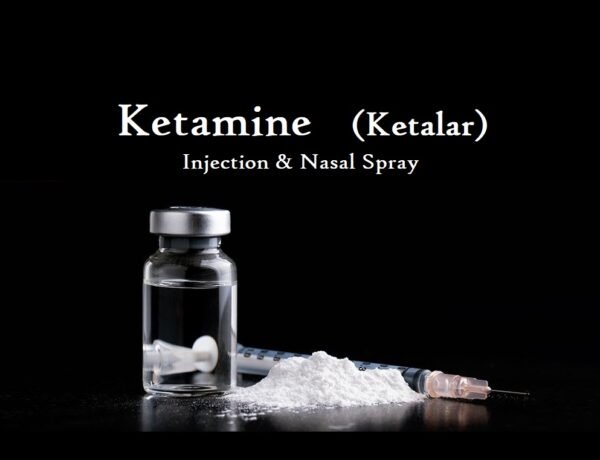
ketamine (ketalar) is an anesthetic and analgesic medicine that induces dissociative anesthesia. It is used during anesthesia for sedation and analgesia.
Ketamine Uses:
-
Anesthesia:
- to induce and retain general anesthesia.
-
Off Label Use of Ketamine in Adults:
- Serious agitation
- Pain Management (subanaesthetic dosing)
- Miserable episode linked with the major depressing disorder (unipolar), medication refractory.
- Routine tranquillity/analgesia
- refractory status epilepticus
ketamine (ketalar) Dose in Adults:
To lessen hypersalivation, atropine, scopolamine, or similar parching drug may be used before to induction and at suitable intervals. Titrate your dose for the desired outcome.
ketamine (ketalar) Dose as an alternative agent in the treatment of severe agitation (off-label):
Note: For those who don't respond to benzodiazepines or antipsychotic medications. based on scant evidence:
- IM: 4 to 6 mg/kg once.
- IV: Some experts suggest 1 to 2 mg/kg once.
ketamine (ketalar) Dose as Anesthesia:
-
Induction of anesthesia:
Note: use decreased quantity if co-administered with other drugs (eg, midazolam).
- IM: 4 to 10 mg/kg.
- IV: 0.5 to 2 mg/kg.
- Manufacturer's labeling: may not reflect updated clinical guidelines
- IM: 6.5 to 13 mg/kg
- IV: 1 to 4.5 mg/kg
ketamine (ketalar) Dose as Maintenance of anesthesia:
-
- It can be given as continuous iv infusion at 0.1 to 0.5 mg/minute (manufacturer labeling) as 50% of the preliminary dose as repeat bolus.
- Note: for ideal maintenance of anesthesia recommended dose is 1 to 2 mg/minute. Other experts recommended doses change from 15 to 90 mcg/kg/minute (~1 to 6 mg/minute in a 70-kg patient). A lesser dose is needed if nitrous oxide is also being used concurrently. Recent data illustrate improved results with a lower dose of ketamine.
ketamine (ketalar) Dose in the Analgesia (subanesthetic dosing) (off-label):
-
Acute pain:
-
- Intranasal (off-label route):
- 0.5 to 1 mg/kg;
- If necessary, the dose may be repeated in 10 to 15 minutes at 0.25 to 0.5 mg/kg until discomfort subsides,
- Intranasal (off-label route):
-
-
Chronic pain:
-
- Intranasal (off-label route):
- There are many available procedures. To reduce psychotomimetic symptoms
- IV:
- Note: benzodiazepines (such lorazepam) and glycopyrrolate (for excessive salivation or lacrimation) may be co-administered.
- Initial:
- IV infusion: 0.5 mg/kg over 6 hours.
- Continue the infusion at 1.5 mg/kg/24 hours for 48 hours if there is a 50% or higher response. If there is no reaction, up the dosage to 2 mg/kg over 12 hours.
- If pain returns after initial relief, increase the dosage by 50% to 100% as needed every 24 hours.
- end the infusion pulse greater than 110 beats per minute, SBP greater than 25% of baseline, sustained respiratory rate less than 7, irritability, or acute psychotomimetic symptoms
- Oral (off-label route):
- Initial: 0.5 mg/kg given as a single dosage to assess the impact on pain and duration of action; dose may be increased as needed in increments of 0.5 mg/kg.
- You may administer 3 to 4 times daily for a sustained analgesic effect.
- Intranasal (off-label route):
-
ketamine (ketalar) Dose in the treatment of Acute on chronic episodes of severe neuropathic pain:
-
Continuous IV or SubQ (off-label route) infusion:
- 2.3 to 6.7 mcg/kg/minute (equivalent to 0.14 to 0.4 mg/kg/hour).
-
Postoperative opioid sparing:
- IM: 2 to 4 mg/kg. May follow with a continuous infusion if needed.
- IV: 0.2 to 0.8 mg/kg bolus.
- In one trial, a 50 mg maximum dose was applied.
- If necessary, a continuous infusion may be given after the bolus dosage.
- Continuous IV infusion:
- 1 to 2 mcg/kg/minute (equivalent to 0.06 to 0.12 mg/kg/hour).
ketamine (ketalar) Dose in the treatment of Depressive episode associated with treatment-refractory major unipolar depressive disorder (off-label):
- IV: 0.5 mg/kg two times a week as an IV infusion;
- Up to 6 weeks of the treatment has been studied.
ketamine (ketalar) Dose in the treatment of Procedural sedation/analgesia (off-label):
- IM:
- The IV route is preferred; however, if it cannot be used, 4 to 5 mg/kg IM can be given as a single dosage; a repeat dose (range: 2 to 5 mg/kg) can be given if sedation is insufficient after 5 to 10 minutes or if more sedation is needed.
- To reduce the risk of adverse responses, it may be prudent to use a benzodiazepine (such as midazolam) before administering ketamine.
- IV:
- 1 to 2 mg/kg (usual adult dose: 100 mg) over 1 to 2 minutes;
- To lessen the chance of emerging reactions, it may be prudent to take a benzodiazepine (such midazolam) before administering ketamine.
- It is possible to deliver incremental doses of 0.5 to 1 mg/kg every 5 to 15 minutes as necessary if the primary sedative is ineffective or numerous doses are required to complete a longer procedure.
ketamine (ketalar) Dose in Childrens:
Note: dose-titrating until desired result. can be used to reduce salivation when combined with anticholinergic medication.
Note:Due to the increased risk of airway problems, the American College of Emergency Physicians considers the use of ketamine in newborns under 3 months of age to be absolutely contraindicated.
ketamine (ketalar) Dose in the Anesthesia:
- Pre-anesthetic sedation: Limited data available:
- Intranasal:
- Infants ≥6 months:
- 3 mg/kg/dose, administered at least 15 minutes before induction (half dose per nostril). (Diaz 1997; Lin 1990).
- Children <2 years:
- 3 mg/kg/dose, administered at least 15 minutes before induction (half dose per nostril).
- Children 2 to 7 years:
- Half of a dose of 3 to 6 mg/kg/dose is administered 15 to 40 minutes before to induction.
- Infants ≥6 months:
- Oral: Children ≤8 years:
- 20 to 30 minutes prior to operation, administer 6 to 8 mg/kg.
Note:
- Despite being reported, lesser doses of 4 to 7 mg/kg/dose were less effective. The 10 mg/kg/dose was associated with protracted postoperative sedation in certain patients.
- A lower rectal dose of 3 mg/kg/dose when combined with midazolam has proven to be beneficial.
- Rectal:
- Give as a single agent 15 to 45 minutes prior to surgery; when combined with other sedatives, reduced doses should be taken into consideration.
- Studies comparing the effectiveness of rectal ketamine to rectal dosages of other drugs (fentanyl/droperidol, midazolam) have been conducted. Effective range reportedly:
- Infants 2 to 6 months: 8 mg/kg/dose.
- Infants ≥7 months and Children ≤9 years: 8 to 10 mg/kg/dose.
ketamine (ketalar) Dose in the Induction of anesthesia:
-
Infants ≥3 months, Children, and Adolescents <16 years:
- IM: 5 to 10 mg/kg has been stated and advised by experts.
- IV: 1 to 3 mg/kg has been stated and advised by experts.
-
Adolescents ≥16 years:
- IM: 6.5 to 13 mg/kg.
- IV: 1 to 4.5 mg/kg.
Dose as Maintenance of anesthesia:
- Adolescents ≥16 years:
- As needed, you can provide additional doses ranging from half to the whole induction dose.
ketamine (ketalar) Dose in the treatment of Endotracheal intubation:
- Infants, Children, and Adolescents:
- IV: 1 to 2 mg/kg as part of instant sequence sedation.
ketamine (ketalar) Dose in the treatment of procedural sedation and analgesia:
-
Infants, Children, and Adolescents:
Note: Only patients 3 months of age and older should use this medication, according to ACEP, due to the possibility of airway obstruction, laryngospasm, and apnea.
-
Ketamine without propofol:
- IM:
- 4 to 5 mg/kg as a single dose;
- If sedation is insufficient after 5 to 10 minutes or if further doses are needed, it may administer a second dose (range: 2 to 5 mg/kg).
- Smaller doses (2 to 2.5 mg/kg) have been suggested by some for use in procedures (e.g., wound suture with a local anesthetic).
- IV:
- 1 to 2 mg/kg over 30 to 60 seconds.
- It is possible to deliver further doses of 0.5 to 1 mg/kg every 5 to 15 minutes if necessary if the initial sedation is insufficient or ongoing doses are required to complete a longer treatmen
- Intranasal:
- Infants ≥3 months and Children:
- 3-6 mg/kg (half dose per nostril). This approach has primarily been used in studies in dental or radiological settings.
- Infants ≥3 months and Children:
- Oral:
- Children and Adolescents:
- oral midazolam administered 30 to 45 minutes prior to the surgery at a dose of 5 mg/kg.
- Children and Adolescents:
- Rectal:
- Children 1 to 8 years:
- 20 minutes prior to the surgery, provide midazolam in a single dose of 1.5 to 3 mg/kg.
- Children 1 to 8 years:
- IM:
-
Ketamine with propofol ("ketofol"):
-
Infants ≥3 months, Children, and Adolescents:
- IV: 0.5 to 0.75 mg/kg of each agent.
- The dosage of each agent required has been decreased by using this combination. It has been hypothesised that these lower doses aid in reducing major side effects, ketamine may lessen respiratory depression and hypotension caused by propofol, while propofol may lessen emergence responses and nausea brought on by ketamine.
-
ketamine (ketalar) Dose for Sedation and analgesia in critically ill patients:
-
Infants ≥5 months, Children, and Adolescents:
- Initial dose: IV: 0.5 to 2 mg/kg, then continuous IV infusion: 5 to 20 mcg/kg/minute (0.3 to 1.2 mg/kg/hour);
- Start with the smallest dose prescribed and increase it as needed.
- .Patients with refractory bronchospasm have reported receiving doses as high as 60 mcg/kg/minute (3.6 mg/kg/hour).
Pregnancy Risk Category: N
- The placenta is invaded by ketamine
- It causes a dose-related rise in uterine contractions. Effects differes with trimester.
- Pregnancy results in a decrease in plasma ketamine clearance
- Large doses given at delivery have been linked to neonatal depression and lower Apgar scores.
- General anaesthetics and sedative drugs that block N-methyl D-aspartate receptors (NMDA) and/or canentiate gamma aminobutyric acids may have an impact on brain development, according to animal evidence (GABA).
- Consider the potential benefits and risks of fetal ketamine exposure when surgery is scheduled to last more than 3 hours.
- Ketamine can be used during vaginal and cesarean delivery, although the manufacturer does not recommend it.
- Females who require general anesthesia for Cesarean Delivery and are hemodynamically volatile may consider Ketamine as an alternative induction agent.
- It has been also evaluated whether ketamine can be used as an adjunctive painkiller in cesarean sections. However, additional research may be necessary.
- Low doses of ketamine can be used to analize and sedate pregnant women. However, other agents are preferred.
- A case report demonstrates the use of ketamine infusions to treat refractory epilepticus in pregnant patients.
- Whether they are in their third trimester or not, pregnant women should not be refused medically necessary surgery, according to ACOG.
The procedure should be delayed until after delivery if it is voluntary.
Use while breastfeeding
- It is unknown if breast milk contains ketamine.
- The Academy of Breast-Feeding Medicine recommends delaying elective surgery until breastfeeding and milk supply are established.
- When possible, it is best to express milk before the surgery. If the baby is fully-term and healthy, breastfeeding can be continued. However, milk can be expressed after the mother has recovered from surgery.
- Milk may be saved for later use for children at lower risk of hypotension, apnea or hypotonia.
- Supplemental doses of ketamine should not be used in cesarean deliveries.
- Breastfeeding should continue as normal once the mother is alert and stable. The data are not sufficient to recommend long-term pain management.
Dose in Kidney Disease:
There are no dosage modifications on labeling.
Dose in Liver disease:
There are no dosage modifications on labeling. [
Common Side Effects of ketamine (ketalar):
-
Central nervous system:
- Prolonged emergence from anesthesia includes
- Hallucinations
- Delirium
- Excitement
- Irrational behavior
- Dreamlike state
- Vivid imagery
- Confusion
- Prolonged emergence from anesthesia includes
Frequency of side effects not defined:
-
Cardiovascular:
- Cardiac Arrhythmia
- Increased Blood Pressure
- Hypotension
- Increased Pulse
- Bradycardia
-
Central Nervous System:
- Increased Cerebrospinal Fluid Pressure
- Hypertonia (Tonic-Clonic Movements Sometimes Resembling Seizures)
- Drug Dependence
-
Dermatologic:
- Rash At Injection Site
- Morbilliform Rash
- Erythema
-
Endocrine & Metabolic:
- Central Diabetes Insipidus.
-
Gastrointestinal:
- Sialorrhea (Hatab 2014)
- Vomiting
- Nausea
- Anorexia
-
Genitourinary:
- Bladder Dysfunction (Reduced Capacity)
- Cystitis Including
- Cystitis Erosive
- Cystitis Ulcerative
- Cystitis Hemorrhagic
- Cystitis Interstitial
- Cystitis Noninfective
- Urinary Incontinence
- Hematuria
- Urinary Urgency
- Urinary Frequency
- Dysuria
-
Hypersensitivity:
- Anaphylaxis
-
Local:
- Pain At Injection Site
-
Neuromuscular & Skeletal:
- Laryngospasm
-
Ophthalmic:
- Nystagmus
- Diplopia
- Increased Intraocular Pressure
-
Renal:
- Hydronephrosis
-
Respiratory:
- Respiratory Depression
- Apnea
- Airway Obstruction
Contraindications to ketamine (ketalar):
- Sensitivity against ketamine and any component of the formulation
- High blood pressure is dangerous in certain conditions.
Notice:The following are absolute contraindications when used in the ED for procedural sedation or analgesia:
- Infants under 3 months old
- schizophrenia sightings, either confirmed or suspected (even if stable or managed with medication)
Canadian labeling: Additional contraindications not in US labeling
- History of cerebrovascular accidents;
- Acute cardiac decompensation
- If satisfactory muscle relaxants have not been used, surgery of the pharynx or larynx is not recommended.
Warnings and precautions
-
Complications with airways:
- When anaesthetics are used in primary operations requiring the posterior pharynx (such as endoscopy), or for individuals with active pulmonary disease, there is an increased risk of laryngospasm (including asthma or upper respiratory disease).
- Higher risks are associated with history of airway instability, surgery to the trachea, or tracheal narrowing.
- The American College of Emergency Physicians views these circumstances as preventing the use of ketamine.
- The use of ketamine alone during surgery, diagnostic tests, or laryngoplasty is not advised by the product's manufacturer.
- However, it is recommended that ketamine be used in conjunction with ketamine whenever possible.
-
Depression in the CNS:
- CNS depression can cause mental or physical impairments. Patients should be aware that heavy machinery and driving may require mental attention.
- A responsible adult should accompany and oversee the patient if they are having outpatient surgery.
- According to the manufacturer, driving, operating dangerous machinery or engaging in hazardous activities should be avoided for more than 24 hours following anesthesia.
-
Dependence
- Tolerance to long-term usage may lead to dependence and withdrawal symptoms.
- After discontinuing long-term use, a withdrawal syndrome was described with psychotic features.
-
Emergence reactions
- After anaesthesia, it's possible to experience crystal-clear dreams, hallucinations, and/or open delirium.
- When a patient receives IM, these reactions are more prevalent in patients who are 16 and older.
- Use of ketamine at lower doses and pretreatment with benzodiazepines may lessen the chance of disorientation or abrupt responses.
- It is also possible to minimize tactile and verbal stimulation during recovery.
- Patients with schizophrenia should be cautious as the drug may worsen psychotic symptoms.
- The American College of Emergency Physicians considers ketamine an absolute contraindication when it is used to analgesia and procedural sedation in patients suffering from schizophrenia.
-
Symptoms of the genitourinary system:
- Lower urinary tract symptoms and bladder symptoms like dysuria, increased frequency/urgency, and urge incontinence can occur in patients who have a history of long-term ketamine overuse or abuse.
- These symptoms could be due to the treatment.
- In addition to impaired bladder function, other results from diagnostic tests include cystitis and hydronephrosis.
- Consider quitting ketamine if you experience genitourinary pain or other symptoms.
-
Increased intracranial pressure
- Many reports have shown that ketamine can increase intracranial pressure in CNS patients, such as those with CNS mass, CNS abnormalities or hydrocephalus.
- According to some research, ketamine may not significantly affect intracranial pressure and, with proper ventilation, may potentially boost cerebral perfusion and decrease intracranial tension.
-
Increased ocular pressure
- Patients with high intraocular pressure (IOP) should be used with caution
- Patients with open eyes or any other ophthalmologic condition should be discouraged from using ketamine. However, there are varying opinions on the effects of ketamine. Some evidence does not show any clinically significant effect on IOP.
-
Porphyria
- The American College of Emergency Physicians views ketamine as safe for individuals with porphyria due to its heightened sympathomimetic effects.
-
Respiratory depression
- Respiratory depression or apnea may result from a rapid IV infusion or an overdose.
- During use, you must have access to emergency equipment.
-
Thyroid disorders
- Due to its heightened sympathomimetic effects, the American College of Emergency Physicians views the administration of ketamine to patients who have a thyroid problem or are on thyroid medication as a relative contraindication.
-
Cardiovascular disease
- Patients with high blood pressure, coronary artery disease, catecholamine deficiencies, high blood pressure and tachycardia should be careful.
- Patients with elevated blood pressure or cardiac dysfunction should be monitored closely.
- The blood pressure, heart rate and cardiac output of ketamine are all increased, as well as myocardial oxygen demands.
- It is still unclear how ketamine stimulates the cardiovascular system by causing a sympathetic rush.
- Concomitant usage of benzodiazepines or inhaled anaesthetics, propofol, and ketamine, as well as continuous infusions of these medications may lessen these cardiovascular side effects.
- For individuals who are already hypertensive or for older people who are at risk of developing coronary artery disease, the American College of Emergency Physicians advises against usage.
- According to the scientific statement of the American Heart Association, ketamine may be a substance that aggravates underlying cardiac disease (magnitude major).
-
Pressure elevation of Cerebrospinal Fluid (CSF).
- Increased CSF pressure may be used in cases of previously elevated intracranial pressure
-
Use of ethanol:
- Patients with severe alcoholism or a history of chronic drinking should be carefully administered
Ketamine: Drug Interaction
|
Risk Factor C (Monitor therapy) |
|
|
Alcohol (Ethyl) |
Alcohol's CNS depressing effect may be amplified by CNS depressants (Ethyl). |
|
Alizapride |
CNS depressants may have an enhanced CNS depressant impact. |
|
Alpelisib |
May lower the serum level of CYP2C9 substrates (High risk with Inducers). |
|
Aprepitant |
May lower the serum level of CYP2C9 substrates (High risk with Inducers). |
|
Brexanolone |
CNS Depressants may enhance the CNS depressant effect of Brexanolone. |
|
Brimonidine (Topical) |
May enhance the CNS depressant effect of CNS Depressants. |
|
Bromopride |
May enhance the CNS depressant effect of CNS Depressants. |
|
Cannabidiol |
May enhance the CNS depressant effect of CNS Depressants. |
|
Cannabis |
May enhance the CNS depressant effect of CNS Depressants. |
|
Chlorphenesin Carbamate |
May enhance the adverse/toxic effect of CNS Depressants. |
|
Clofazimine |
May increase the serum concentration of CYP3A4 Substrates (High risk with Inhibitors). |
|
CNS Depressants |
May enhance the adverse/toxic effect of other CNS Depressants. |
|
CYP2C9 Inducers (Moderate) |
May decrease the serum concentration of CYP2C9 Substrates (High risk with Inducers). |
|
CYP3A4 Inhibitors (Moderate) |
May lower the serum level of CYP2C9 substrates (High risk with Inducers). |
|
Dimethindene (Topical) |
CNS depressants may have an enhanced CNS depressant impact. |
|
Doxylamine |
CNS depressants may have an enhanced CNS depressant impact. Management: The producer of the pregnancy-safe drug Diclegis (doxylamine/pyridoxine) particularly advises against combining it with other CNS depressants. |
|
Dronabinol |
CNS depressants may have an enhanced CNS depressant impact. |
|
Duvelisib |
May increase the serum concentration of CYP3A4 Substrates (High risk with Inhibitors). |
|
Erdafitinib |
May increase the serum concentration of CYP3A4 Substrates (High risk with Inhibitors). |
|
Esketamine |
May enhance the CNS depressant effect of CNS Depressants. |
|
Fosaprepitant |
May increase the serum concentration of CYP3A4 Substrates (High risk with Inhibitors). |
|
Fosnetupitant |
May increase the serum concentration of CYP3A4 Substrates (High risk with Inhibitors). |
|
HydrOXYzine |
May enhance the CNS depressant effect of CNS Depressants. |
|
Kava Kava |
CNS depressants' harmful or toxic effects could be increased. |
|
Larotrectinib |
May elevate CYP3A4 substrates' serum concentration (High risk with Inhibitors). |
|
Lofexidine |
CNS depressants may have an enhanced CNS depressant impact. Management: Separate drug interaction monographs go into further detail about the medications indicated as exceptions to this book. |
|
Lumacaftor |
May lower the serum level of CYP2C9 substrates (High Risk with Inhibitors or Inducers). The serum concentration of CYP2C9 Substrates may rise when taking lumacaftor (High Risk with Inhibitors or Inducers). |
|
Magnesium Sulfate |
CNS depressants' harmful or toxic effects could be increased. |
|
Memantine |
The harmful or toxic effects of memantine may be increased by NMDA Receptor Antagonists. |
|
MetyroSINE |
The sedative effects of metyroSINE may be strengthened by CNS depressants. |
|
Minocycline (Systemic) |
CNS depressants' harmful or toxic effects could be increased. |
|
Nabilone |
CNS depressants' harmful or toxic effects could be increased. |
|
Netupitant |
May increase the serum concentration of CYP3A4 Substrates (High risk with Inhibitors). |
|
Palbociclib |
May increase the serum concentration of CYP3A4 Substrates (High risk with Inhibitors). |
|
Piribedil |
Piribedil's CNS depressing effects may be enhanced by other CNS depressants. |
|
Pramipexole |
The sedative effects of pramipexole might be enhanced by CNS depressants. |
|
Rifapentine |
May lower the serum level of CYP2C9 substrates (High risk with Inducers). |
|
ROPINIRole |
The sedative effects of CNS depressants may increase those of ROPINIRole. |
|
Rotigotine |
Rotigotine's sedative effects may be boosted by CNS depressants. |
|
Rufinamide |
CNS depressants' harmful or toxic effects could be increased. Particularly, drowsiness and lightheadedness could be worsened. |
|
Selective Serotonin Reuptake Inhibitors |
Selective serotonin reuptake inhibitors may have a worsened or more hazardous effect when taken with CNS depressants. Particularly, there may be an increased risk of psychomotor impairment. |
|
Simeprevir |
May elevate CYP3A4 substrates' serum concentration (High risk with Inhibitors). |
|
Tetrahydrocannabinol |
CNS depressants may have an enhanced CNS depressant effect. |
|
Tetrahydrocannabinol and Cannabidiol |
CNS depressants may have an enhanced CNS depressant effect. |
|
Thiopental |
Ketamine may intensify Thiopental's harmful or toxic effects. |
|
Thiotepa |
May elevate CYP2B6 substrates' serum levels (High risk with Inhibitors). |
|
Trimeprazine |
CNS depressants may have an enhanced CNS depressant effect. |
|
Risk Factor D (Consider therapy modification) |
|
|
Blonanserin |
CNS Depressants may enhance the CNS depressant effect of Blonanserin. |
|
Buprenorphine |
CNS Depressants may enhance the CNS depressant effect of Buprenorphine. Management: Consider reduced doses of other CNS depressants, and avoiding such drugs in patients at high risk of buprenorphine overuse/self-injection. Initiate buprenorphine at lower doses in patients already receiving CNS depressants. |
|
Chlormethiazole |
May enhance the CNS depressant effect of CNS Depressants. Management: Monitor closely for evidence of excessive CNS depression. The chlormethiazole labeling states that an appropriately reduced dose should be used if such a combination must be used. |
|
CYP3A4 Inhibitors (Strong) |
May decrease the metabolism of CYP3A4 Substrates (High risk with Inhibitors). |
|
Dabrafenib |
May decrease the serum concentration of CYP2C9 Substrates (High risk with Inducers). Management: Seek alternatives to the CYP2C9 substrate when possible. If concomitant therapy cannot be avoided, monitor clinical effects of the substrate closely (particularly therapeutic effects). |
|
Droperidol |
May enhance the CNS depressant effect of CNS Depressants. Management: Consider dose reductions of droperidol or of other CNS agents (eg, opioids, barbiturates) with concomitant use. Exceptions to this monograph are discussed in further detail in separate drug interaction monographs. |
|
Enzalutamide |
May decrease the serum concentration of CYP2C9 Substrates (High risk with Inducers). Management: Concurrent use of enzalutamide with CYP2C9 substrates that have a narrow therapeutic index should be avoided. Use of enzalutamide and any other CYP2C9 substrate should be performed with caution and close monitoring. |
|
Flunitrazepam |
CNS Depressants may enhance the CNS depressant effect of Flunitrazepam. |
|
HYDROcodone |
CNS Depressants may enhance the CNS depressant effect of HYDROcodone. Management: Avoid concomitant use of hydrocodone and benzodiazepines or other CNS depressants when possible. These agents should only be combined if alternative treatment options are inadequate. If combined, limit the dosages and duration of each drug. |
|
Lemborexant |
CNS depressants may have an enhanced CNS depressant impact. Management: Due to the possibility of additive CNS depressant effects when lemborexant and concurrent CNS depressants are administered concurrently, dosage modifications may be required. Effects of CNS depressants must be closely monitored. |
|
Methotrimeprazine |
CNS Depressants may enhance the CNS depressant effect of Methotrimeprazine. Methotrimeprazine may enhance the CNS depressant effect of CNS Depressants. Management: Reduce adult dose of CNS depressant agents by 50% with initiation of concomitant methotrimeprazine therapy. Further CNS depressant dosage adjustments should be initiated only after clinically effective methotrimeprazine dose is established. |
|
MiFEPRIStone |
May increase the serum concentration of CYP3A4 Substrates (High risk with Inhibitors). Management: Minimize doses of CYP3A4 substrates, and monitor for increased concentrations/toxicity, during and 2 weeks following treatment with mifepristone. Avoid cyclosporine, dihydroergotamine, ergotamine, fentanyl, pimozide, quinidine, sirolimus, and tacrolimus. |
|
Opioid Agonists |
CNS Depressants may enhance the CNS depressant effect of Opioid Agonists. Management: Avoid concomitant use of opioid agonists and benzodiazepines or other CNS depressants when possible. These agents should only be combined if alternative treatment options are inadequate. If combined, limit the dosages and duration of each drug. |
|
OxyCODONE |
CNS Depressants may enhance the CNS depressant effect of OxyCODONE. Management: Avoid concomitant use of oxycodone and benzodiazepines or other CNS depressants when possible. These agents should only be combined if alternative treatment options are inadequate. If combined, limit the dosages and duration of each drug. |
|
Perampanel |
May enhance the CNS depressant effect of CNS Depressants. Management: Patients taking perampanel with any other drug that has CNS depressant activities should avoid complex and high-risk activities, particularly those such as driving that require alertness and coordination, until they have experience using the combination. |
|
Sodium Oxybate |
CNS depressants may have an enhanced CNS depressant impact. Management: Take into account substitutes for combined use. Reduce the doses of one or more medications when simultaneous use is necessary. It is not advised to use sodium oxybate with alcoholic beverages or hypnotic sedatives. |
|
Stiripentol |
May increase the serum concentration of CYP3A4 Substrates (High risk with Inhibitors). Management: Use of stiripentol with CYP3A4 substrates that are considered to have a narrow therapeutic index should be avoided due to the increased risk for adverse effects and toxicity. Any CYP3A4 substrate used with stiripentol requires closer monitoring. |
|
Suvorexant |
CNS Depressants may enhance the CNS depressant effect of Suvorexant. Management: Dose reduction of suvorexant and/or any other CNS depressant may be necessary. Use of suvorexant with alcohol is not recommended, and the use of suvorexant with any other drug to treat insomnia is not recommended. |
|
Tapentadol |
May enhance the CNS depressant effect of CNS Depressants. Management: Avoid concomitant use of tapentadol and benzodiazepines or other CNS depressants when possible. These agents should only be combined if alternative treatment options are inadequate. If combined, limit the dosages and duration of each drug. |
|
Zolpidem |
CNS Depressants may enhance the CNS depressant effect of Zolpidem. Management: Reduce the Intermezzo brand sublingual zolpidem adult dose to 1.75 mg for men who are also receiving other CNS depressants. No such dose change is recommended for women. Avoid use with other CNS depressants at bedtime; avoid use with alcohol. |
|
Risk Factor X (Avoid combination) |
|
|
Azelastine (Nasal) |
CNS Depressants may enhance the CNS depressant effect of Azelastine (Nasal). |
|
Bromperidol |
May enhance the CNS depressant effect of CNS Depressants. |
|
Conivaptan |
May increase the serum concentration of CYP3A4 Substrates (High risk with Inhibitors). |
|
Fusidic Acid (Systemic) |
May increase the serum concentration of CYP3A4 Substrates (High risk with Inhibitors). |
|
Idelalisib |
May increase the serum concentration of CYP3A4 Substrates (High risk with Inhibitors). |
|
Orphenadrine |
CNS Depressants may enhance the CNS depressant effect of Orphenadrine. |
|
Oxomemazine |
May enhance the CNS depressant effect of CNS Depressants. |
|
Paraldehyde |
CNS Depressants may enhance the CNS depressant effect of Paraldehyde. |
|
Thalidomide |
CNS Depressants may enhance the CNS depressant effect of Thalidomide. |
Monitoring parameters:
- emergence reactions
- blood pressure
- Pulse oximetry
- Continuous cardiac monitoring in patients with increased blood pressure or cardiac decompensation
- respiratory rate
- Heart rate
How to administer ketamine (ketalar)?
- Intranasal (using parenteral dosage form):
- Use the 50 or 100 mg/mL solution;
- Use undiluted or diluted to 20 mg/mL.
- Use an atomizer or syringe without a needle to instill equally in both nostrils.
- Oral:
- Mix the required dose in any liquid. Use immediately.
- IM:
- Deep IM injection
- IV:
- Provide bolus/induction dosages over a minute or at a rate of 0.5 mg/kg/minute, advises the manufacturer.
- Increased pressor response and respiratory depression could be the effects of a quicker administration. Some specialists advise administering for two to three minutes.
- Administer during a 40-minute period when treating resistant unipolar depression. can be administered as a continuous infusion.
- Rectal (using parenteral dosage form):
- May use the 50 mg/mL solution undiluted or use the 100 mg/mL solution and further dilute.
Mechanism of action of ketamine (ketalar):
- It is a noncompetitive NDMA receptor antagonist.
- It can cause dissociative anesthesia.
- The limbic system is and the cortex are the sites of action.
- Analgesia can be caused by subanaesthetic or smaller doses.
- They alter central sensitization, hyperalgesia and opioid tolerance.
The onset of action:
- IV: Anesthetic effect: Within 30 seconds
- IM:
- Anesthetic effect: 3 to 4 minutes;
- Analgesia: Within 10 to 15 minutes
- Intranasal:
- Analgesic effect: Within 10 minutes;
- Sedation: Children 2 to 6 years: 5 to 8 minutes
- Oral:
- Analgesia: Within 30 minutes;
- Sedation: Children 2 to 8 years:
- 4 mg/kg/dose: 12.9 ± 1.9 minutes
- 6 mg/kg/dose: 10.4 ± 2.9 minutes
- 8 mg/kg/dose: 9.5 ± 1.9 minutes
Duration:
- IV:
- Anesthetic effect: 5 to 10 minutes;
- Recovery: 1 to 2 hours
- IM:
- Anesthetic effect: 12 to 25 minutes;
- Analgesia: 15 to 30 minutes;
- Recovery: 3 to 4 hours
- Intranasal:
- Analgesic effect: Up to 1 hour;
- Recovery: Children 2 to 6 years: 30 to 45 minutes
Protein binding: 27%. Metabolism:
- Metabolite I [norketamine] is N-dealkylated in the liver, where the cyclohexone ring is hydroxylated in metabolites III and IV, conjugated with glucuronic acid, and dehydrated to produce cyclohexene derivative (metabolite II).
Bioavailability:
- IM: 93%
- Oral: 20% to 30%
- Intranasal: Children, Adolescents, and Adults: Mean range: 35% to 50%.
- Rectal: Children 2 to 9 years: 25%.
Half-life elimination:
- Alpha: 10 to 15 minutes;
- Beta: 2.5 hours
Time to peak plasma concentration:
- IM: 5 to 30 minutes.
- Intranasal: 10 to 14 minutes; Children 2 to 9 years: ~20 minutes
- Oral: ~30 minutes
- Rectal: Children 2 to 9 years: ~45 minutes
Excretion:
- Urine (91%);
- feces (3%).
International Brand Names of Ketamine:
- Ketalar
- Aneket
- Anesject
- Brevinaze
- Calypsol
- Cost
- Dorgipain
- Etamine
- Kain
- Kanox
- Keiran
- Ketalar
- Ketalin
- Ketam
- Ketamar
- Ketamax
- Ketamin-S
- Ketamina
- Ketanest
- Ketanir
- Ketaride
- Ketashort
- Ketava
- Ketavit
- Ketmin
- Ketolar
- Ketomin
- Narkamon
- Raketiv
- Tekam
- Velonarcon
- Venilam
Ketamine Brand Names in Pakistan:
Ketamine Injection 50 Mg in Pakistan |
|
| Katromin | Mediate Pharmaceuticals (Pvt) Ltd |
| Ketajin | Fynk Pharmaceuticals |
Ketamine Injection 500 Mg in Pakistan |
|
| Dekat | Ipram International |
| Ketalite | Elite Pharma |
Ketamine Injection 10 Mg/Ml in Pakistan |
|
| Kanox | Glaxosmithkline |
| Ketasol | Indus Pharma (Pvt) Ltd. |
Ketamine (Hcl) Injection 25 Mg/Ml in Pakistan |
|
| Ketasol | Indus Pharma (Pvt) Ltd. |
Ketamine (Hcl) Injection 50 Mg/Ml in Pakistan |
|
| Calypsol | Medimpex Scientific Office |
| Kanox | Glaxosmithkline |
| Ketacil | Mediceena Pharma (Pvt) Ltd. |
| Ketacil | Mediceena Pharma (Pvt) Ltd. |
| Ketacil | Mediceena Pharma (Pvt) Ltd. |
| Ketalite | Elite Pharma |
| Ketamax | Haji Medicine Co. |
| Ketlar | Akhai Pharmaceuticals. |
| Kite | Neutro Pharma (Pvt) Ltd. |
Ketamine (Hcl) Injection 500 Mg/Ml in Pakistan |
|
| Ketarol | Global Pharmaceuticals |
.png)


