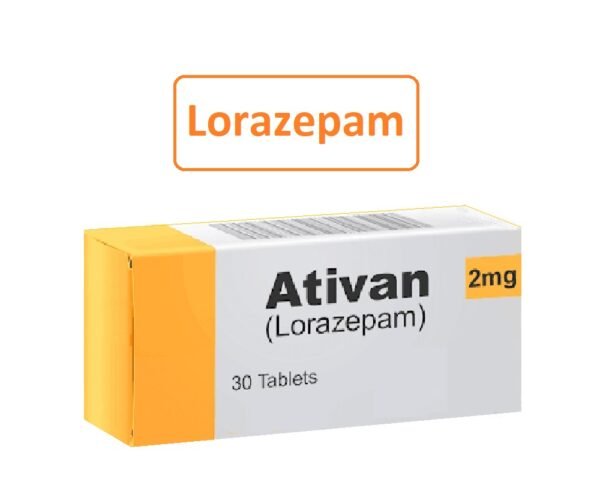
Lorazepam (Ativan), like alprazolam, is a short-acting benzodiazepine drug. It is used to treat patients with insomnia, anxiety, and status epilepticus.
Lorazepam (Ativan) Uses:
-
Anxiety (oral):
- It is used in the management of anxiety disorders or rapid relief of anxiety of short duration i.e less than 4 months.
-
Procedural anxiety, premedication (injection):
- Additionally, anesthesiologists use it as a premedication in adults to minimise recall or to induce amnesia and drowsiness to lessen anxiety.
-
Status epilepticus (injection):
-
It has a significant role in the treatment of status epilepticus. In addition, it can be used as an off-label medication to treat seizures that have not yet developed into status epilepticus
-
-
Off Label Use of Lorazepam in Adults:
- Akathisia secondary to antipsychotic use.
- Alcohol withdrawal syndrome
- Catatonia
- Chemotherapy-induced nausea and vomiting
- Sleep-onset or sleep-maintenance and insomnia.
- Intoxication: in management of Cocaine, methamphetamine, and other sympathomimetic intoxications.
- Neuroleptic malignant syndrome
- Opioid withdrawal
- Sedation/agitation, critical illness
- Serotonin syndrome (serotonin toxicity)
- Vertigo, acute episodes, treatment
Lorazepam (Ativan) Dose in Adults:
Note:
- Its use should be avoided in those who are at risk of substance abuse or addiction.
- However, it can be utilised in urgent circumstances, such as emergencies (eg, acute agitation, status epilepticus).
Lorazepam (Ativan) Dose in the treatment of antipsychotic-induced Akathisia (alternative agent) (off-label):
- IV, Oral: Initially as 0.5 to 1 mg twice a day.
- Depending on the response and tolerability, the dose may be increased up to 10 mg per day.
Lorazepam (Ativan) Dose in the treatment of Anxiety:
-
Anxiety and agitation, acute/severe (monotherapy or adjunctive therapy):
- IM, IV, Oral:
- Up to 10 mg per day can be administered as needed in doses of 0.5 to 2 mg every 4 to 6 hours.
- Based on the patient's response and tolerance, the dose should be modified.
- Some experts advise doses up to 4 mg and repeating IM or IV doses every 10 to 30 minutes for inpatients who are extremely agitated.
- Antipsychotic medications may be used with it or administered alone.
- IM, IV, Oral:
-
Anxiety disorder (monotherapy or adjunctive therapy) (alternative agent):
- It is typically used in the short term (less than 12 weeks), for rapid symptom alleviation while concurrent medication is working.
- Only if other therapies are not working or are being badly tolerated might certain patients be considered for long-term therapy.
- Oral:
-
It can be administered initially as 0.5 to 1 mg twice or three times day.
-
It can be gradually raised up to 6 mg/day in 2 to 4 divided doses, depending on response and tolerability.
-
For a necessary response, some people can need dosages of up to 10 mg/day.
-
Lorazepam (Ativan) Dose in the treatment of Advanced cancer and/or palliative care:
- IM, IV, Orally it can be administered as 0.25 to 2 mg every 3 to 6 hours as required.
- The pill and oral solution may be delivered sublingually at the same doses when alternative methods are absent, and the injectable solution may be administered rectally or subcutaneously.
Lorazepam (Ativan) Dose in the treatment of Performance- or phobia-related anxiety (monotherapy or adjunctive therapy):
Note: To ensure the drug's acceptability, the test dose should be administered at the same dosage as that recommended for therapy.
- It can be administered orally as 0.5 to 2 mg once 30 to 60 minutes before the stimulus.
-
Procedural anxiety (premedication) (off-label):
- Oral, Sublingual:
- A dose of 0.5 to 2 mg should be given once, 30 to 90 minutes prior to the surgery.
- If necessary owing to an insufficient response, repeat the dose after 30 to 60 minutes at a dose that is half that of the first.
- IV:
- 1 to 4 mg, or 0.02 to 0.04 mg/kg, given once 5 to 20 minutes prior to the surgery, with a maximum single dose of 4 mg authorised.
- If necessary, the dose can be repeated at half the initial dose after more than 5 minutes if an incomplete reaction and longer procedure time indicate it.
- It should be noteworthy that non-weight based dosing should be considered in obese patients.
- Oral, Sublingual:
Lorazepam (Ativan) Dose in Catatonia (off-label):
-
Diagnosis:
-
Following injection, there may be a brief, partial alleviation of symptoms, which is consistent with the diagnosis. Catatonia is not ruled out by a negative response or an absence of response.
-
- IV: In catatonia, the IV method is recommended, and 1 to 2 mg is administered only once. Repeat the dose only once if there is no response after 5 to 10 minutes.
- IM, Oral, Sublingual: 2 mg can be given for one time. 2 additional doses can be administered three hours apart each. if indicated.
-
Treatment:
-
Electroconvulsive therapy should start right away for patients with malignant catatonia.
-
- IM, IV, Oral:
- Initially as 1 to 2 mg 3 times daily.
- Initial dosage is best administered intravenously, switching to oral as the patient's condition improves.
- To reach the typical dose of 6 to 21 mg/day, the dose can be increased in increments of 3 mg every one to two days depending on the patient's response and tolerance.
- Up to 30 mg of dosage per day have been recorded.
- Some clinicians recommend initiating a dose of 0.5mg three times daily if they have fear of oversedation or respiratory suppression.
- Duration of treatment:
- In 4 to q10 days remission can be achieved.
- Although longer courses may be required, the maintenance therapy at the effective dose is often continued for 3 to 6 months to sustain recovery.
Lorazepam (Ativan) Dose in Chemotherapy-induced nausea and vomiting for prevention and treatment (as adjunctive therapy) (off-label):
-
Anticipatory or breakthrough nausea/vomiting, as an adjunct to conventional antiemetics:
- Oral, IV, Sublingual: it is given as 0.5 to 2 mg every 6 hours as per requirement.
Lorazepam (Ativan) Dose in the alternative treatment of Insomnia (for sleep-onset or sleep-maintenance):
- It is usually meant to be used briefly, ideally in conjunction with nonpharmacologic treatments, for a period of less than 4 to 8 weeks.
- Only when nonpharmacologic treatments are either unavailable or ineffective and benefits are deemed to outweigh dangers may chronic use be recommended.
- Some studies have discouraged the use of midazolam for chronic use in the management of insomnia.
- It is given orally as 0.5 to 2 mg at bedtime.
Lorazepam (Ativan) Dose in Intoxication:
-
Cocaine, methamphetamine, and other sympathomimetics (off-label use): Based on limited data:
- IV: As needed for agitation, sedation, seizures, hypertension, and tachycardia, it is administered as 2 to 4 mg every 3 to 10 minutes until desired symptom management is achieved.
- For some cases, large repeated doses can be necessary. Keep an eye out for respiratory depression and hypotension because they can occur.
-
It's important to understand that while in individuals who are just weakly or moderately inebriated, starting treatment at 1 mg may be sufficient, but dosages should be repeated or increased as necessary.
-
If IV access is not an option, take into account IM administration. It is possible to delay the necessary set of responses.
Lorazepam (Ativan) Dose in the treatment of Neuroleptic malignant syndrome (adjunctive therapy) (off-label):
- It is used off-label for patients with severe symptoms upon presentation, such as hyperthermia and evidence of rhabdomyolysis, or for those who do not respond to first medication discontinuation and supportive care, to treat muscle rigidity or anxiety.
- 0.5 to 2 mg can be administered intramuscularly (IM) or intravenously (IV) every 4 to 6 hours until symptoms subside.
Lorazepam (Ativan) Dose as an alternative agent in the treatment of Sedation/agitation, critical illness (off-label):
- It is advised to use greater doses (such as 1 to 2 mg) to treat muscular stiffness.
- To achieve a light level of sedation, titrate the dose of midazolam (e.g., Richmond Agitation-Sedation Scale 0 to 2).
- To prevent oversedation, intermittent dosing as needed therapy is advised. A fixed dose is preferable for those who are obese.
- Some people instead employ IBW for weight-based dosing.
- It is not advised to use propylene glycol (PG) in infusion form in ICU settings due to buildup and related consequences (osmol gap metabolic acidosis, kidney failure).
- Utilize the osmol gap to track PG accumulation. Continuous infusions of midazolam or nonbenzodiazepines are typically favoured.
-
Intermittent (preferred):
- Fixed-dose:
- It can be given in IV form at initial dosing of 1 to 4 mg and maintenance dose of 1 to 4 mg every 2 to 6 hours as needed.
- Weight-based:
- A maintenance dose of 0.02 to 0.06 mg/kg every 2 to 6 hours as recommended with a maximum single dose of 4 mg can be administered intravenously (IV). The initial dose can range from 0.02 to 0.04 mg/kg with a maximum single dose of 4 mg.
- Continuous:
- in continuous infusion it is given as 0.01 to 0.1 mg/kg/hour with maximum dose up to 10 mg/hour).
- Fixed-dose:
Lorazepam (Ativan) Dose in the Seizures:
Since IM lorazepam has unpredictable absorption and a long period to reach its peak drug levels, it is not advised if IV access is not available. Lorazepam given sublingually, subcutaneally, or intravenously (IM) are all options.
-
Acute active seizures (non-status epilepticus) (off-label):
- It is administered as IV 4 mg at a maximum rate of 2 mg/minute for off-label use in non-status epileptic seizure.
- If the convulsions persist, it can be done again in 3 to 5 minutes.
-
Status epilepticus:
- It is given in IV form at 4 mg with a maximum rate of 2 mg/minute. The dose can be repeated at 3 to 5 minutes if seizures continue to occur.
- Even when seizures have stopped, a non-benzodiazepine anti-seizure medication should be used to avoid recurrent seizures.
Lorazepam (Ativan) Dose in the treatment of Serotonin syndrome (serotonin toxicity) (off-label):
- IV:Depending on the patient's response, 2 to 4 mg IV every 8 to 10 minutes.
Substance withdrawal:
-
Alcohol withdrawal syndrome (alternative agent) (off-label use):
- There are numerous off-label uses for lorazepam, one of which is the treatment of alcohol withdrawal syndrome.
- Fixed-dose regimens are preferable over The Symptom triggered regimens. In accordance with institution-specific protocols, dose and frequency may vary.
- However, longer-acting benzodiazepines are generally advised. For patients with liver dysfunction, shorter-acting benzodiazepines like lorazepam may be preferred.
- Because of unpredictable absorption, several professionals advise against using IM administration.
-
Symptom-triggered regimen:
- Oral and IV: 2 to 4 mg as indicated.
- Using a recognised severity assessment scale, such as the Clinical Institute Withdrawal Assessment for Alcohol, revised scale, the dose and frequency are decided by the severity of the withdrawal symptoms (CIWA-Ar).
-
Fixed-dose regimen:
- Oral and IV: 6 to 8 mg/day in divided doses for one day, then taper off the dose gradually over the following three to four days.
- Based on withdrawal symptoms and established evaluation scale scores, further doses may be taken into consideration (eg, CIWA-Ar).
-
Opioid withdrawal (autonomic instability and agitation) (adjunctive therapy) (alternative agent) (off-label use):
- Based on scant studies, it can be administered intravenously (1–2 mg every 10 minutes) until hemodynamic stability and sufficient sedation are reached.
Lorazepam (Ativan) Dose as an alternative agent in the treatment of an acute episode of vertigo (off-label):
- IM or IV or Oral: 0.5 to 2 mg every 4 to 12 hours as indicated for 24 to 48 hours.
Lorazepam (Ativan) Discontinuation of therapy:
-
- It should be progressively discontinued from patients who are getting extended- or higher-dose benzodiazepine medication to detect reemerging symptoms and reduce rebound and withdrawal symptoms, unless safety considerations call for a more rapid withdrawal.
- Based on response and tolerance, reduce the total daily dose by 10% to 20% every 1 to 2 weeks.
- Each patient will require a different taper rate and length.
- Some people receiving greater doses can need a duration of up to 6 months. For individuals receiving high doses, start the taper more quickly and then gradually reduce the dose as time goes on. For instance, cut the dose in half with weekly 25% reductions. Then, every 4 to 7 days, continue to cut back by around 12%.
- Consider using an equivalent dose of a benzodiazepine with a half-life that is considerably longer than 24 hours in place of benzodiazepines like lorazepam to enable a more progressive tapering in drug serum concentrations.
Lorazepam (Ativan) Dose in Childrens:
Lorazepam (Ativan) Dose in the treatment of Chemotherapy-induced nausea and vomiting, anticipatory:
-
Infants, Children, and Adolescents:
- The recommended oral dose is 0.04 to 0.08 mg/kg/dose.
- The maximum dose is 2 mg/dose.
- Give a dose the night before chemotherapy and another the following morning before chemotherapy.
Lorazepam (Ativan) Dose in the treatment of Chemotherapy-associated nausea and vomiting, breakthrough:
-
Children and Adolescents:
- IV: 0.025 to 0.05 mg/kg/dose every 6 hours as indicated.
- The maximum dose is 2 mg/dose.
Lorazepam (Ativan) Dose in the treatment of acute Anxiety:
-
Infants and Children <12 years:
- Oral, IV: Every 4 to 8 hours, 0.05 mg/kg/dose with a maximum dose of 2 mg/dose is the standard regimen.
- Its range is 0.02 to 0.1 mg/kg/dose.
-
Children ≥12 years and Adolescents:
-
It can be administered orally as 0.25 to 2 mg/dose two or three times per day. The maximum dose per dose is 2 mg.
-
Lorazepam (Ativan) Dose for pre-procedural Sedation:
-
Children and Adolescents:
- Oral: the usual dose is 0.05 mg/kg.
- Its reported range in literature is 0.02 to 0.09 mg/kg.
- The adult dose is 4 mg.
Lorazepam (Ativan) Dose in the treatment of Status epilepticus:
-
Infants, Children, and Adolescents:
- IV:
- It is given as 0.05 to 0.1 mg/kg with a maximum dose of up to 4 mg/dose in slow IV over 2 to 5 minutes.
- It can be repeated in 5 to 15 minutes if needed.
- The usual total maximum dose is 8 mg.
- It is notable that it can be administered IM if IV not possible.
- Intranasal:
- It is reserved for patients without IV access and can be given as 0.1 mg/kg/dose.
- The maximum dose is 4 mg/dose.
- IV:
Dosing adjustment for lorazepam with concomitant medications:
-
Children ≥12 years and Adolescents:
- Probenecid or valproic acid: Reduce lorazepam dose by half.
Lorazepam Pregnancy Risk Category: D
- Lorazepam or its metabolite may cross the line into the human placenta.
- Some benzodiazepines can have teratogenic effects, such as lorazepam. Additional research is needed.
- Low birth weights and premature births could be more common after maternal exposure to benzodiazepines.
- Exposure late in pregnancy may lead to respiratory problems and hypoglycemia in neonates.
- Some benzodiazepines, such as Lorazepam, can cause withdrawal symptoms in neonates.
- The newborn infant's elimination of lorazepam is slow. In utero exposure can cause lorazepam to be excreted in term infants for as long as 8 days.
Use Lorazepam while breastfeeding
- Breast milk secretes Lorazepam.
- Based on the highest breast milk concentration after benzodiazepine monotherapy, the relative infant dose (RID), of lorazepam was 2.4% to 4.7%.
- This is compared to an infant therapeutic dosage of 0.15 to0.3 mg/kg/day (0.05mg/kg/dose every 4-8 hours).
- The RID should be less than 10%. Some sources mention that breastfeeding should not be considered if psychotropic agents have a RID of 5%.
- The highest total milk concentration (12 mg/L free lorazepam and 35 mg/L conjugated) is used to calculate the infant's daily dose via breastmilk at 7.05 mg/kg/day.
- These milk concentrations were determined following maternal administration of oral Lorazepam 2.5mg twice daily for the first five day postpartum.
- This was after the mother had started treatment with lorazepam before giving birth. It is not known what the route, dosage, or duration of treatment will be.
- One mother who had received oral lorazepam as well as lormetazepam was found to have higher milk concentrations. This is partly metabolized to the drug lorazepam.
- Breastfed infants who were exposed to benzodiazepines have reported a variety of adverse effects, including sedation, lethargy and irritability.
- These adverse effects were not seen in breastfed infants who were exposed to lorazepam.
- It can cause sedation in babies who are breast-feeding, and it can also impair their ability to suckle.
- For signs of drowsiness in breastfed babies, monitor them closely.
- Literature also suggests that breastfeeding mothers should not be prescribed if the clinical benefits are not outweighed by the risks. Limit your exposure to single doses whenever possible.
Lorazepam (Ativan) Dose in Kidney Disease:
- In oral form, no dose adjustments are required.
-
Parenteral:
- Mild to severe impairment:
- For stat dosages, there is no need to change the dosage.
- Repeated doses should be handled cautiously, though.
- It might make propylene glycol poisoning more likely.
- If using for extended periods of time or at large doses, closely monitor the osmolal gap as a substitute marker for propylene glycol buildup.
- Mild to severe impairment:
Lorazepam (Ativan) Dose in Liver Disease:
- Oral:
- Mild to moderate impairment:
- No dosage adjustment is necessary.
- Severe impairment and/or encephalopathy:
- Caution is advised and a lower than usual dose is recommended.
- Mild to moderate impairment:
-
Parenteral:
- Mild to moderate impairment:
- Use with caution however no dose adjustment is indicated.
- Severe impairment or failure:
- In severe liver dysfunction, the literature prohibits the use of Midazolam.
- Mild to moderate impairment:
Common Side Effects of Lorazepam (Ativan):
-
Central nervous system:
- Sedation
- Drowsiness
-
Local:
- Pain at injection site
-
Miscellaneous:
- Paradoxical reaction
Less Common Side Effects of Lorazepam (Ativan):
-
Cardiovascular:
- Hypotension
-
Central nervous system:
- Restlessness
- Unsteadiness
- Excessive crying
- Coma
- Hallucinations
- Confusion
- Depression
- Headache
- Delirium
- Stupor
- Dizziness
-
Local:
- Erythema at injection site
-
Neuromuscular & skeletal:
- Asthenia
-
Respiratory:
- Respiratory failure
- Hypoventilation
- Apnea
Frequency of Side effects Not Defined:
-
Central Nervous System:
- Vertigo
- Disorientation
- Extrapyramidal Reaction
- Suicidal Ideation
- Dysarthria
- Sleep Apnea (Exacerbation)
- Euphoria
- Memory Impairment
- Hypothermia
- Fatigue
- Slurred Speech
- Dysautonomia
- Suicidal Tendencies
- Drug Dependence
- Withdrawal Syndrome
- Disinhibition
-
Dermatologic:
- Skin Rash
- Alopecia
-
Endocrine & Metabolic:
- Increased Lactate Dehydrogenase
- Hyponatremia
- SIADH
- Change In Libido
-
Gastrointestinal:
- Constipation
- Changes In Appetite
-
Genitourinary:
- Orgasm Disturbance
- Impotence
-
Hematologic & Oncologic:
- Leukopenia
- Pancytopenia
- Agranulocytosis
-
Hepatic:
- Increased Serum Transaminases
- Jaundice
- Increased Serum Bilirubin
-
Hypersensitivity:
- Anaphylaxis
- Hypersensitivity Reaction
- Anaphylactoid Reaction
-
Ophthalmic:
- Visual Disturbance
-
Respiratory:
- Respiratory Depression
- Exacerbation Of Chronic Obstructive Pulmonary Disease)
Contraindications to Lorazepam (Ativan):
- Intra-arterial injection
- Glaucoma with acute narrow-angle vision
- Except during mechanical ventilation, severe respiratory insufficiency
- Parenteral formulation: Hypersensitivity to polyethylene glycol or propylene glycol is an additional contraindication.
- Sleep apnea.
- Premature infants
- A significant contraindication includes hypersensitivity to lorazepam, any ingredient in its formulation, or any other benzodiazepines.
Canadian labeling: Additional contraindications not in the US labeling
- Myasthenia gravis
Warnings and precautions
-
Anterograde amnesia
- It can also be used in conjunction with BDZs.
-
Depression in the CNS:
- CNS depression can result, which could lead to mental or physical impairments.
- It is crucial to inform patients about activities requiring mental awareness, including operating machinery or a vehicle.
-
Paradoxical reactions
- Paradoxical effects with benzodiazepines have been noted, including hyperactivity or aggressive behaviour.
- Patients with a history or alcohol abuse disorder, psychiatric disorders, or adolescents may be at greater risk.
-
Activities that are sleep-related:
- With benzodiazepines, dangerous sleep-related activities such as driving, cooking, eating, and calling while asleep have been observed.
-
Use of drugs:
- Patients with a history or significant personality disorder, as well as those who have used alcohol or drugs in the past, are at greater risk of becoming addicted. However, caution is advised.
- Higher dosages and longer use may lead to tolerance, psychological dependence, or physical dependence.
- Short-term treatment (between 2 and 4 weeks) reduces the risk of dependence. Before you extend therapy, make sure to evaluate the need for continued treatment.
-
Hepatic impairment
- Patients with encephalopathy, hepatic impairment or insufficiency should be cautious.
- You should not take lower than the normal dose.
- It can make hepatic-encephalopathy worse.
-
Psychiatric disorders
- Therapy may cause pre-existing depression to recur or even worsen.
- It is not recommended to be used in primary depressive and psychotic disorders.
- Patients at high risk of suicide should not use it without appropriate antidepressant treatment.
-
Renal impairment
- Patients with impaired renal function should be cautious.
-
Respiratory disease
- Patients with sleep apnea or chronic obstructive pulmonary disease (COPD) should exercise caution.
- Benzodiazepines have the potential to significantly lower respiratory function.
Lorazepam: Drug Interaction
|
Alcohol (Ethyl) |
Alcohol's CNS depressing effect may be amplified by CNS depressants (Ethyl). |
|
Alizapride |
CNS depressants may have an enhanced CNS depressant impact. |
|
Brexanolone |
CNS Depressants may enhance the CNS depressant effect of Brexanolone. |
|
Brimonidine (Topical) |
May enhance the CNS depressant effect of CNS Depressants. |
|
Bromopride |
May enhance the CNS depressant effect of CNS Depressants. |
|
Cannabidiol |
May enhance the CNS depressant effect of CNS Depressants. |
|
Cannabis |
May enhance the CNS depressant effect of CNS Depressants. |
|
Chlorphenesin Carbamate |
May enhance the adverse/toxic effect of CNS Depressants. |
|
CNS Depressants |
CNS depressants may have an enhanced CNS depressant impact. |
|
Dimethindene (Topical) |
CNS depressants may have an enhanced CNS depressant impact. |
|
Doxylamine |
CNS depressants may have an enhanced CNS depressant impact. Management: The producer of the pregnancy-safe drug Diclegis (doxylamine/pyridoxine) particularly advises against combining it with other CNS depressants. |
|
Dronabinol |
CNS depressants may have an enhanced CNS depressant impact. |
|
Esketamine |
CNS depressants may have an enhanced CNS depressant impact. |
|
Fosphenytoin |
The concentration of fosphenytoin in the serum may rise when using benzodiazepines. Chronic treatment with benzodiazepines may not carry as much harm as brief exposure. |
|
HydrOXYzine |
CNS depressants may have an enhanced CNS depressant impact. |
|
Kava Kava |
CNS depressants may have an enhanced CNS depressant impact. |
|
Lofexidine |
CNS depressants may have an enhanced CNS depressant impact. Management: Separate drug interaction monographs go into further detail about the medications indicated as exceptions to this book. |
|
Loxapine |
LORazepam's harmful or toxic effects could be exacerbated. In particular, persistent stupor, respiratory depression, and/or hypotension. |
|
Magnesium Sulfate |
CNS depressants may have an enhanced CNS depressant impact. |
|
Melatonin |
Could make benzodiazepines more sedative. |
|
MetyroSINE |
The sedative effects of metyroSINE may be strengthened by CNS depressants. |
|
Minocycline (Systemic) |
CNS depressants may have an enhanced CNS depressant impact. |
|
Nabilone |
CNS depressants may have an enhanced CNS depressant impact. |
|
Phenytoin |
Phenytoin serum levels may rise in response to benzodiazepines. There may not be as much risk from short-term use of benzodiazepines as there is from long-term treatment. |
|
Piribedil |
Piribedil's CNS depressing effects may be enhanced by other CNS depressants. |
|
Pramipexole |
The sedative effects of pramipexole might be enhanced by CNS depressants. |
|
Pyrimethamine |
LORazepam may intensify Pyrimethamine's hepatotoxic effects. |
|
ROPINIRole |
The sedative effects of CNS depressants may increase those of ROPINIRole. |
|
Rotigotine |
Rotigotine's sedative effects may be boosted by CNS depressants. |
|
Rufinamide |
CNS depressants' harmful or toxic effects could be increased. Particularly, drowsiness and lightheadedness could be worsened. |
|
Selective Serotonin Reuptake Inhibitors |
Selective serotonin reuptake inhibitors may have a worsened or more hazardous effect when taken with CNS depressants. Particularly, there may be an increased risk of psychomotor impairment. |
|
Teduglutide |
Benzodiazepines' serum concentration may rise. |
|
Tetrahydrocannabinol |
CNS depressants may have an enhanced CNS depressant impact. |
|
Tetrahydrocannabinol and Cannabidiol |
CNS depressants may have an enhanced CNS depressant impact. |
|
Trimeprazine |
CNS depressants may have an enhanced CNS depressant impact. |
|
Yohimbine |
May lessen the therapeutic impact of anxiety medications. |
|
Risk Factor D (Consider therapy modification) |
|
|
Blonanserin |
CNS Depressants may enhance the CNS depressant effect of Blonanserin. |
|
Buprenorphine |
|
|
Chlormethiazole |
May enhance the CNS depressant effect of CNS Depressants. Management: Monitor closely for evidence of excessive CNS depression. The chlormethiazole labeling states that an appropriately reduced dose should be used if such a combination must be used. |
|
CloZAPine |
Benzodiazepines may intensify CloZAPine's harmful or hazardous effects. Prior to starting clozapine, consider lowering the dose of benzodiazepines or even stopping them altogether. |
|
Droperidol |
May enhance the CNS depressant effect of CNS Depressants. Management: Consider dose reductions of droperidol or of other CNS agents (eg, opioids, barbiturates) with concomitant use. Exceptions to this monograph are discussed in further detail in separate drug interaction monographs. |
|
Flunitrazepam |
CNS Depressants may enhance the CNS depressant effect of Flunitrazepam. |
|
HYDROcodone |
CNS Depressants may enhance the CNS depressant effect of HYDROcodone. Management: Avoid concomitant use of hydrocodone and benzodiazepines or other CNS depressants when possible. These agents should only be combined if alternative treatment options are inadequate. If combined, limit the dosages and duration of each drug. |
|
Lemborexant |
CNS depressants may have an enhanced CNS depressant impact. Management: Due to the possibility of additive CNS depressant effects when lemborexant and concurrent CNS depressants are administered concurrently, dosage modifications may be required. Effects of CNS depressants must be closely monitored. |
|
Methadone |
The CNS depressive effect of methadone may be strengthened by benzodiazepines. Management: When at all possible, clinicians should refrain from combining the use of benzodiazepines with methadone; nonetheless, any combination should be used with extreme caution. |
|
Methotrimeprazine |
The CNS depressing action of methotrimeprazine may be enhanced by CNS depressants. The CNS depressant action of CNS Depressants may be strengthened by methotrimeprazine. Management: Start concurrent methotrimeprazine therapy while reducing the adult dose of CNS depressants by 50%. Only once a clinically effective dose of methotrimeprazine has been established should additional CNS depressant dosage modifications be made. |
|
Opioid Agonists |
Opioid agonists' CNS depressing effects may be amplified by CNS depressants. Management: When at all possible, refrain from using benzodiazepines or other CNS depressants concurrently with opioid agonists. Only in the event that other treatment choices are insufficient should these medications be combined. Limit the duration and dosage of each medicine when used together. |
|
OxyCODONE |
CNS Depressants may enhance the CNS depressant effect of OxyCODONE. Management: Avoid concomitant use of oxycodone and benzodiazepines or other CNS depressants when possible. These agents should only be combined if alternative treatment options are inadequate. If combined, limit the dosages and duration of each drug. |
|
Perampanel |
May enhance the CNS depressant effect of CNS Depressants. Management: Patients taking perampanel with any other drug that has CNS depressant activities should avoid complex and high-risk activities, particularly those such as driving that require alertness and coordination, until they have experience using the combination. |
|
Probenecid |
May increase the serum concentration of LORazepam. |
|
Suvorexant |
CNS Depressants may enhance the CNS depressant effect of Suvorexant. Management: Dose reduction of suvorexant and/or any other CNS depressant may be necessary. Use of suvorexant with alcohol is not recommended, and the use of suvorexant with any other drug to treat insomnia is not recommended. |
|
Tapentadol |
May enhance the CNS depressant effect of CNS Depressants. Management: Avoid concomitant use of tapentadol and benzodiazepines or other CNS depressants when possible. These agents should only be combined if alternative treatment options are inadequate. If combined, limit the dosages and duration of each drug. |
|
Theophylline Derivatives |
May diminish the therapeutic effect of Benzodiazepines. |
|
Valproate Products |
LORazepam serum concentration might rise. |
|
Zolpidem |
The CNS depressing action of zolpidem may be enhanced by CNS depressants. Men with additional CNS depressants should lower their sublingual zolpidem dose to 1.75 mg under the Intermezzo brand. For women, there should be no such dose adjustment. Avoid using other CNS depressants or alcohol right before bed. |
|
Risk Factor X (Avoid combination) |
|
|
Azelastine (Nasal) |
CNS Depressants may enhance the CNS depressant effect of Azelastine (Nasal). |
|
Bromperidol |
May enhance the CNS depressant effect of CNS Depressants. |
|
Fexinidazole [INT] |
May increase the serum concentration of Products Containing Propylene Glycol. |
|
MetroNIDAZOLE (Systemic) |
The negative or hazardous effects of products containing propylene glycol may be increased. There could be a reaction like disulfiram. |
|
OLANZapine |
May intensify the harmful or negative effects of benzodiazepines. Due to the possibility of cumulative negative side effects, avoid using parenteral benzodiazepines and intramuscular olanzapine concurrently (e.g., cardiorespiratory depression). There are no particular instructions for oral administration in the prescribing information for olanzapine. |
|
Orphenadrine |
The CNS depressing action of orphenadrine may be enhanced by depressants. |
|
Oxomemazine |
May enhance the CNS depressant effect of CNS Depressants. |
|
Paraldehyde |
CNS Depressants may enhance the CNS depressant effect of Paraldehyde. |
|
Sodium Oxybate |
The CNS depressive effects of Benzodiazepines and Sodium Oxybate may be enhanced. |
|
Thalidomide |
The CNS depressing effect of thalidomide may be enhanced by CNS depressants. |
Monitoring parameters:
- Heart rate, blood pressure, and respiratory status.
- Anxiety symptoms
- Long-term therapy:
- CBC.
- Tests of liver function.
- LDH
- Patients with renal impairment or high-dose IV or continuous IV use should be monitored.
- Proylene glycol toxicemia: Clinical signs
- Serum creatinine
- BUN, serum Lactate, and osmol Gap.
- An osmol gap greater than 10 is indicative of high propylene glycol concentrations. Propylene glycol toxicity is indicated by values above 12
- Critically ill patients: Use the RAS or Sedation-Agitation Scale to assess and adjust sedation.
How to administer Lorazepam (Ativan)?
IM:
- It needs to be injected directly into the muscle mass.
IV injection:
- Before using, dilute (according to the manufacturer).
- Over 2 to 5 minutes, do not exceed 2 mg/minute or 0.05 mg/kg.
- Keep an eye on the IV site while administering.
- Avoid administering intravenously. Avoid imposing yourself.
Oral: Oral concentrate:
- To take the recommended dose, only use the calibrated dropper that is provided.
- To completely mix, combine the dose with a liquid (such as water, juice, soda, or a soda-like beverage) or semisolid meal (such as applesauce, pudding).
- The prepared mixture needs to be given right away.
SubQ:
- When alternate routes are not accessible, some professionals deliver the injectable solution subcutaneously (eg, comfort care settings).
Rectal:
- When other routes are not available, the injectable solution may be administered via rectally (eg, comfort care settings).
Sublingual:
- Oral concentrate:
- When other routes (such as comfort care settings) are not available, it may be delivered sublingually.
- Oral tablet:
- When other routes (such as comfort care settings) are not available, it may be delivered sublingually.
- Sublingual tablet [Canadian product]:
- Put under the tongue
- For at least two minutes, the patient shouldn't consume anything.
Mechanism of action of Lorazepam (Ativan):
- Several locations in the central nervous system, including the limbic and reticular systems, are where this compound binds to stereospecific GABA neuron postsynaptic GABA receptors.
- Increased neuronal excitability is caused by increased neuronal membrane permeability for chloride ions, which intensifies GABA's inhibitory effects.
- This change in the chloride ions causes stability and hyperpolarization (a less excitable state).
- The GABA-A receptors appear to be related to the actions and receptors of benzodiazepines. GABAB receptors are not occupied by benzodiazepines.
The onset of action:
- Anticonvulsant: IV: Within 10 minutes
- Hypnosis: IM: 20 to 30 minutes
- Sedation: IV: Within 2 to 3 minutes.
Duration:
- Anesthesia premedication: Adults: IM, IV: ~6 to 8 hours
Absorption:
- IM: Rapid and complete absorption;
- Oral: Readily absorbed
Protein binding:
- ~91%
Metabolism:
- Hepatic; rapidly conjugated to lorazepam glucuronide (inactive)
Bioavailability:
- Oral: 90%
Half-life elimination:
- Full-term neonates: IV: 40.2 ± 16.5 hours; range: 18 to 73 hours.
- Pediatric patients: IV:
- 5 months to <3 years: 15.8 hours (range: 5.9 to 28.4 hours)
- 3 to <13 years: 16.9 hours (range: 7.5 to 40.6 hours)
- 13 to <18 years: 17.8 hours (range: 8.2 to 42 hours)
- Adults:
- Oral: ~12 hours;
- IV: ~14 hours;
- IM: ~13 to 18 hours;
- End-stage renal disease (ESRD): ~18 hours
Time to peak:
- IM: ≤3 hours;
- Oral: ~2 hours;
- Sublingual tablet [Canadian product]: 1 hour
Excretion:
- Urine (~88%; predominantly as inactive metabolites).
- Via feces (~7%)
International Brand Names of Lorazepam:
- Ativan
- LORazepam Intensol
- APO-LORazepam
- Ativan
- DOM-LORazepam
- PMS-LORazepam
- PRO-LORazepam
- TEVALORazepam
- Abinol
- Ansilor
- Anta
- Anxiar
- Anxira
- Anzepam
- Aplacasse
- Aripax
- Ativan
- Bonatranquan
- Control
- Donix
- Emotival
- Larpose
- Laubeel
- Lauracalm
- Lonza
- Lopa
- Lopam
- Lora
- Lora-Pita
- Lorabenz
- Lorafen
- Loram
- Lorans
- Loranxil
- Loravan
- Lorax
- Loraxen
- Lorazep
- Lorazepam-Efeka
- Lorazepam-Eurogenerics
- Lorazin
- Lorenin
- Loridem
- Lorivan
- Lorsilan
- Lozam
- Lozicum
- Merlit
- Merlopam
- Nervistop L
- Neuropam
- Novhepar
- Orfidal
- Renaquil
- Rilex
- Sedatival
- Sidenar
- Silence
- Sinestron
- Stapam
- Tavor
- Temesta
- Titus
- Tranqipam
- Trapax
- Trapex
- Vigiten
Lorazepam Brand Names in Pakistan:
Lorazepam 1 mg Tablets in Pakistan |
|
| Arivan | Aries Pharmaceuticals (Pvt) Ltd |
| Atiser | Panacea Pharmaceuticals |
| Ativan | Pfizer Laboratories Ltd. |
| Avor | Popular Chemical Works (Pvt) Ltd. |
| Emotivan | Siza International (Pvt) Ltd. |
| Medzepam | Medicraft Pharmaceuticals (Pvt) Ltd. |
| Orazepam | Valor Pharmaceuticals |
| Plinalin | Pliva Pakistan (Pvt) Limited |
| Razepam | Mediate Pharmaceuticals (Pvt) Ltd |
| Tenzil | Atco Laboratories Limited |
| Trancodan | Danas Pharmaceuticals (Pvt) Ltd |
| Tranquil | Pharmedic (Pvt) Ltd. |
Lorazepam 2 mg Tablets in Pakistan |
|
| Atiser | Panacea Pharmaceuticals |
| Ativan | Pfizer Laboratories Ltd. |
| Avor | Popular Chemical Works (Pvt) Ltd. |
| Emotivan | Siza International (Pvt) Ltd. |
| Medzepam | Medicraft Pharmaceuticals (Pvt) Ltd. |
| Orazepam | Valor Pharmaceuticals |
| Plinalin | Pliva Pakistan (Pvt) Limited |
| Razepam | Mediate Pharmaceuticals (Pvt) Ltd |
| Tenzil | Atco Laboratories Limited |
| Trancodan | Danas Pharmaceuticals (Pvt) Ltd |
| Tranquil | Pharmedic (Pvt) Ltd. |
Lorazepam 20 mg Tablets in Pakistan |
|
| Tranquit | Paramount Pharmaceuticals |
Lorazepam 0.5 mg Tablets in Pakistan |
|
| Veniti | Wilshire Laboratories (Pvt) Ltd. |
.png)


