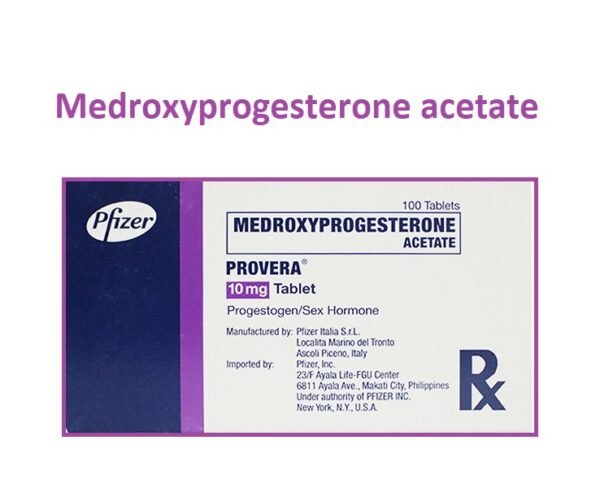
Medroxyprogesterone acetate (Depo-Provera) is a progestin-containing contraceptive medicine that inhibits pituitary gonadotropins. It also inhibits endometrial cell proliferation and may be used to treat abnormal uterine bleeding.
Medroxyprogesterone acetate (Depo-Provera) Uses:
-
Abnormal uterine bleeding (tablet) Medroxyprogesterone acetate (Depo-Provera):
- To treat abnormal bleeding due to hormonal imbalance when there is no organic pathology e.g fibroids or uterine cancer.
-
Amenorrhea, secondary (tablet):
- In the absence of organic pathologies, such as fibroids or uterine cancer if there is abnormal uterine bleeding can be treated by its use.
-
Contraception (104 mg/0.65 mL and 150 mg/mL injection):
- can use as contraceptive.
-
Endometrial hyperplasia prevention (tablet):
- Prevention of endometrial hyperplasia in non-hysterectomized postmenopausal women receiving daily oral conjugated estrogens 0.625 mg.
- Note: Due to safety considerations, when progesterone is needed, the use of micronized progesterone is preferred over medroxyprogesterone acetate.
-
Endometrial carcinoma (400 mg/mL injection) (100 mg tablet [Canadian product]):
- Can use as adjunctive therapy and/or palliative treatment of inoperable, recurrent, and/or metastatic endometrial carcinoma.
-
Endometriosis (104 mg/0.65 mL injection):
- To manage the pain of endometriosis.
-
Off Label Use of Medroxyprogesterone in Adults:
- Abnormal uterine bleeding
- Endometrial hyperplasia (treatment)
- Hot flashes (intramuscular administration)
- Paraphilia/hypersexuality (treatment)
Medroxyprogesterone acetate (Depo-Provera) Dose in Adults:
Medroxyprogesterone acetate (Depo-Provera) Dose in the treatment of abnormal uterine bleeding:
- Oral: 5 or 10 mg daily for 5 to 10 days starting on day 16 or 21 of the menstrual cycle.
- A suggested dose of 10 mg daily for 10 days starting on day 16 of the cycle induces optimum secretory transformation of the endometrium when adequately primed with endogenous or exogenous estrogen.
- Withdrawal bleeding may occur within 3 to 7 days after discontinuing medroxyprogesterone.
- Planned menstrual cycling may benefit patients with a history of recurrent episodes of abnormal uterine bleeding.
Medroxyprogesterone acetate (Depo-Provera) Dose in the treatment of acute Abnormal uterine bleeding, (off-label):
- Oral: 20 mg three times a day for 7 days.
Medroxyprogesterone acetate (Depo-Provera) Dose in the treatment of secondary Amenorrhea:
- Oral: 5 or 10 mg daily for 5 to 10 days.
- Therapy may be started at any time.
- A dose of 10 mg daily for 10 days induces optimum secretory transformation of the endometrium when adequately primed with endogenous or exogenous estrogen.
- Bleeding may occur within 3 to 7 days after withdrawal.
Medroxyprogesterone acetate (Depo-Provera) Dose in the treatment of Contraception:
- Depo-Provera Contraceptive:
- IM: 150 mg every 3 months (every 13 weeks)
- Depo-subQ Provera 104:
- SubQ: 104 mg every 3 months (every 12 to 14 weeks)
Medroxyprogesterone acetate (Depo-Provera) Dose in the treatment of recurrent or metastatic endometrial carcinoma (adjunctive/ palliative treatment):
- IM (Depo-Provera): Initial: 400 to 1,000 mg/week
- Oral (100 mg tablet [Canadian product]):
- Manufacturer’s labeling:
- Usual dose: 200 to 400 mg daily.
- Doses >200 mg daily may not confer additional benefit.
- If improvement or disease stabilization occurs, 200 mg daily may be sufficient for maintenance.
- Discontinue therapy if no improvement occurs up to 3 months.
- Manufacturer’s labeling:
Medroxyprogesterone acetate (Depo-Provera) Dose as an alternative agent in the treatment of Endometrial hyperplasia prevention in postmenopausal persons receiving daily conjugated estrogen:
- Oral: 5 or 10 mg daily for 12 to 14 consecutive days each month, starting on day 1 or day 16 of the cycle.
- When treating postmenopausal persons, use for the shortest duration possible at the lowest effective dose consistent with treatment goals.
- Reevaluate patients to assess if treatment is still necessary.
- Treatment is indicated for postmenopausal women with a uterus to decrease the risk of endometrial cancer; patients who have had a hysterectomy generally do not need a progestin.
- Due to safety considerations, when progesterone is needed, the use of micronized progesterone is preferred over medroxyprogesterone acetate.
Medroxyprogesterone acetate (Depo-Provera) Dose in the treatment of Endometrial hyperplasia (off-label):
Note: The optimal duration of therapy is not known.
-
Atypical endometrial hyperplasia or endometrial intraepithelial neoplasia:
- Oral: 10 to 20 mg one time per day (continuous dosing) or 10 mg to 20 mg once per day (cyclic dosing) for 12 to 14 days per month.
-
Non-atypical hyperplasia:
- Oral: 10 mg once per day (continuous dosing) or 10 mg once per day (cyclic dosing) for 10 to 12 days per cycle; continuous daily oral dosing results are more effective than cyclic oral dosing.
Medroxyprogesterone acetate (Depo-Provera) Dose in the treatment of Endometriosis (Depo-subQ Provera 104):
- SubQ: 104 mg every 3 months (every 12 to 14 weeks)
Medroxyprogesterone acetate (Depo-Provera) Dose in the treatment of Hot flashes (off-label):
- IM: 400 mg as a single dose.
Medroxyprogesterone acetate (Depo-Provera) Dose in the treatment of Paraphilia/hypersexuality (off-label):
- Males (Note: Avoid its use if active pituitary pathology, hepatic failure, or thromboembolic disease):
- IM (Depo-Provera):
- 100 to 600 mg weekly
- Oral:
- 100 to 500 mg per day
- IM (Depo-Provera):
Medroxyprogesterone acetate (Depo-Provera) Dose in Childrens:
Medroxyprogesterone acetate (Depo-Provera) Dose in the treatment of abnormal uterine bleeding:
-
Adolescents:
- Oral: 5 to 10 mg for 5 to 10 days starting on day 16 or day 21 of the menstrual cycle
Medroxyprogesterone acetate (Depo-Provera) Dose in the treatment of Amenorrhea:
-
Adolescents:
- Oral: 5 to 10 mg per day for 5 to 10 days.
Medroxyprogesterone acetate (Depo-Provera) Dose in the treatment of Contraception:
-
Adolescents:
- The first dose should be given only during the first 5 days of a normal menstrual period; only within 5 days postpartum if not breast-feeding, or only at 6th postpartum week if the patient is breast-feeding.
- When switching from other contraceptive methods, depo-subQ Provera 104 should be administered within 7 days after the last day of using the last method (pill, ring, patch).
- IM (Depo-Provera):
- 150 mg every 3 months (every 13 weeks)
- SubQ (depo-subQ Provera 104):
- 104 mg every 3 months (every 12 to 14 weeks)
Medroxyprogesterone acetate (Depo-Provera) Dose in the treatment of Endometriosis-associated pain:
-
Adolescents:
- SubQ (depo-subQ Provera 104):
- 104 mg every 3 months; treatment longer than 2 years is not recommended because it may affect bone mineral density.
- SubQ (depo-subQ Provera 104):
Medroxyprogesterone acetate Pregnancy Category: X
- Many products are not recommended for pregnant women who are suspected of being pregnant or to use as a pregnancy test.
- There is no increased risk of birth defects if you use injectable medroxyprogesterone (MPA) contraceptives during pregnancy.
- Hypospadias has been observed in male babies, and clitoral enlargement or labial fusion have been seen in female babies when MPA is administered during the first trimester.
- MPA contraceptive injection may cause ectopic pregnancy.
- Fertility can be impaired by high doses
- [US Boxed Warning] Unless other methods of birth control are inadequate, Medroxyprogesterone contraceptive should be avoided as a long-term method of birth control (ie for more than 2 years).
- The median time it takes to have a baby or return to ovulation after discontinuing MPA contraceptive injections is 10 months. This is independent of the length of the use.
Medroxyprogesterone acetate use during breastfeeding:
- Breast milk contains medroxyprogesterone (MPA).
- After maternal administration of 150 mg/mL of depot medroxyprogesterone acetate to 10 women, the concentrations of MPA were reported.
- Administration took place 6 to 7 weeks after delivery; maternal plasma and milk were collected over 12 weeks.
- There was a large variation in plasma and MPA milk concentrations between women, as well as within the same woman at different sampling points.
- The highest milk concentrations were observed within two weeks of injection. They also decreased over time.
- Most samples had milk concentrations lower than the maternal plasma.
- After maternal DMPA IM administration, MPA metabolites weren't detected in breastfed male infants' urine.
- Additionally, the urine concentrations in breastfed male infants were not significantly different from those not exposed to MPA through breast milk.
- The composition, quality, quantity, and composition of breast milk are unaffected; there have been no adverse developmental or behavioral effects from breastfeeding.
- Manufacturers do not recommend using MPA tablets for breastfeeding mothers.
- However, guidelines state that injectable MPA contraceptives may be used immediately after birth in breastfeeding women.
- Manufacturer recommends that medroxyprogesterone 400mg/mL not be used by lactating women.
Dose in Kidney Disease:
There are no dosage adjustments provided in the manufacturer's labeling (it has not been studied).
Medroxyprogesterone acetate (Depo-Provera) Dose in Liver disease:
- Medroxyprogesterone is extensively metabolized in the liver and elimination is significantly reduced in patients with advanced hepatic disease.
- Most products are contraindicated in patients with hepatic impairment.
- If needed for the palliative treatment of metastatic endometrial carcinoma, monitor closely; withhold or discontinue treatment if liver dysfunction develops and do not resume until the liver function has returned to normal.
Common Side Effects of Medroxyprogesterone acetate (Depo-Provera):
-
Central nervous system:
- Headache
- Nervousness
-
Endocrine & metabolic:
- Amenorrhea
- Weight gain
- Menstrual disease
-
Gastrointestinal:
- Abdominal pain
Less Common Side Effects of Medroxyprogesterone acetate (Depo-Provera):
-
Cardiovascular:
- Edema
-
Central Nervous System:
- Dizziness
- Anxiety
- Depression
- Insomnia
- Irritability
- Fatigue
-
Dermatologic:
- Acne Vulgaris
- Alopecia
- Skin Rash
-
Endocrine & Metabolic:
- Decreased Libido
- Change In Menstrual Flow
- Hypermenorrhea
- Hot Flash
-
Gastrointestinal:
- Abdominal Distension
- Diarrhea
- Nausea
- Bloating
-
Genitourinary:
- Abnormal Pap Smear
- Bacterial Vaginosis
- Breast Tenderness
- Dysmenorrhea
- Mastalgia
- Urinary Tract Infection
- Uterine Hemorrhage
- Vaginal Hemorrhage
- Vaginitis
- Vulvovaginal Candidiasis
- Leukorrhea
-
Infection:
- Influenza
-
Local:
- Pain At Injection Site
- Atrophy At Injection Site
- Induration At Injection Site
-
Neuromuscular & Skeletal:
- Arthralgia
- Back Pain
- Limb Pain
- Leg Cramps
- Weakness
-
Respiratory:
- Bronchitis
- Nasopharyngitis
- Pharyngitis
- Sinusitis
- Upper Respiratory Tract Infection
Frequency of Side effects Not Defined:
-
Central Nervous System:
- Euphoria
- Malaise
-
Endocrine & Metabolic:
- Cushing Syndrome
- Hypercalcemia
- Lipodystrophy
-
Genitourinary:
- Breakthrough Bleeding
- Spotting
-
Local:
- Injection Site Nodule
- Tenderness At Injection Site
Contraindications to Medroxyprogesterone acetate (Depo-Provera):
Injection (104 mg/0.65 mL):
- Allergy or sensitivity to medroxyprogesterone, any component of the formulation
- Active thrombophlebitis
- thromboembolic conditions (current or past)
- Cerebral vascular disease
- Undiagnosed vaginal bleeding
- Breast cancer (known, suspected or history of);
- Hepatic disease is a serious problem.
- pregnancy
Injection (150 mg/mL):
- Hypersensitivity to medroxyprogesterone and any component of the formulation
- Active thrombophlebitis
- Thromboembolic disorders (current and/or past) or cerebral Vascular Disease;
- Undiagnosed vaginal bleeding
- Breast cancer (known, suspected or history of);
- Hepatic disease is a serious problem.
- pregnancy;
- Diagnostic test for pregnancy
Injection (400 mg/mL):
- Hypersensitivity to medroxyprogesterone and any component of the formulation
- Active thrombophlebitis
- thromboembolic conditions (current or past)
- Cerebral vascular disease
Tablet
- Angioedema or angioedema due to medroxyprogesterone
- DVT or PE (current and/or historical of);
- Active or past history of arterial embombolic disease (eg stroke, MI)
- estrogen- or progesterone-dependent tumor (known or suspected) (excludes 100 mg tablet [Canadian product] indicated for endometrial cancer);
- Undiagnosed abnormal Genital Bleeding;
- Breast cancer (known, suspected or history of);
- Hepatic impairment or disease; pregnant
Canadian labeling: Additional contraindications not in the US labeling
Injection (50 mg/mL, 104 mg per 0.65 mL, 150 mg/mL):
- History or current malignant or benign liver tumors
- Current or past migraines with focal aura
- Any ocular lession that results from ophthalmic vessels disease.
- Undiagnosed breast pathology
- Progestin-dependent Neoplasia known or suspected;
- Myocardial Infarction (current or historical)
- Urinary tract bleeding
- The presence of multiple risk factors, including severe or multiple risk factors, for arterial or vein thrombosis.
- severe hypertension (persistent bp >=160/100 mm Hg);
- hereditary or acquired predisposition for venous or arterial thrombosis (eg, Factor V Leiden and Prothrombin G20210 A mutation, activated protein C (APC) resistance, antithrombin-III-deficiency, protein C deficiency, protein S deficiency, hyperhomocysteinemia and antiphospholipid-antibodies (anticardiolipin antibodies, lupus anticoagulant);
- severe dyslipoproteinemia;
- Heavy smoking (>15 cigarettes per days) or older than 35 years.
- Diabetes mellitus and vascular involvement
Tablet
- Vascular disease can cause vision loss, partial or total.
Warnings and precautions
-
Suppression of the adrenals:
- May cause suppression of hypothalamic-pituitary-adrenal (HPA) axis, resulting in decreased plasma cortisol concentrations, decreased cortisol secretion, and low plasma ACTH concentrations.
- Cushingoid symptoms can occur.
-
Anaphylaxis/hypersensitivity reactions:
- Anaphylaxis and anaphylactoid reactions have been reported after injections; immediate access should be made to medication for hypersensitivity reactions.
-
Loss of bone mineral density: [US Boxed Warn]
- Long-term use of medroxyprogesterone contraceptive injections may lead to a decrease in bone mineral density (BMD).
- It is unknown if it will reduce peak bone mass or increase the likelihood of developing osteoporotic fractures later on in life.
- The duration of drug use is a factor in loss. It may not be fully reversible upon discontinuation.
- In making treatment decisions, it is important to weigh the impact on adolescents' peak bone mass against the possibility of unintended pregnancies.
- Patients at high risk of osteoporosis should consider alternative contraceptives (eg, metabolic bones disease, chronic alcohol or tobacco use, anorexia, strong family history, osteoporosis-related medication use, anticonvulsants, corticosteroids, and other methods of contraception).
- Patients should get adequate amounts of c Vitamin D, and calcium.
- For long-term endometrial carcinoma, it is worth assessing bone mineral density of patients who have been given high doses medroxyprogesterone.
-
[US Boxed Warning] Breast Cancer
- Data from the Women's Health Initiative (WHI), shows that postmenopausal women who use conjugated estrogens (CE), in combination with medroxyprogesterone (MPA) showed an increased risk of developing invasive breast cancer.
- This risk decreases when therapy is stopped.
- According to the WHO study, there was no increased risk of breast cancer in women who had a hysterectomy with CE.
- Breast cancer risk was higher for women who had used depo-medroxyprogesterone in the past 5 years, and for longer periods of time (12 months or more).
- Postmenopausal women receiving hormone therapy could be at greater risk for breast cancer due to their estrogen or progestin doses, timing of therapy initiation, length of therapy, route of administration and patient characteristics.
- Increased breast density may be associated to hormone therapy.
- An increase in abnormal mammogram findings needs further investigation.
- Patients with breast cancer or bone metastases may experience severe hypercalcemia from estrogen use. If this happens, discontinue estrogen use.
- Many products are not recommended for patients with breast cancer.
- Women with breast cancer, or suspected breast cancer, should not use medroxyprogesterone to treat endometrial carcinoma.
-
Dementia: [US Boxed Warning]
- To prevent dementia, it is not a good idea to use estrogens without or with progestin.
- The Women's Health Initiative Memory Study, (WHIMS), showed an increase in probable dementia in women over 65 years old who had CE and MPA.
- The WHI memory studies were performed on women aged >=65 years. It is not known if the findings can be applied to younger postmenopausal females.
- Hormone therapy is not recommended for any age in order to treat or prevent cognitive decline or dementia.
-
Ectopic pregnancy
- Patients with severe abdominal pain should be aware that contraception can lead to ectopic pregnancy.
-
Endometrial cancer:
- MPA is used to decrease the risk of endometrial Hyperplasia in women who are not hysterectomized after receiving conjugated estrogens.
- Endometrial cancer is more likely to occur in women who use unopposed estrogen.
- A progestin may be added to estrogen therapy to reduce the risk of endometrial Hyperplasia, which is a precursor of endometrial carcinoma.
- To rule out malignancy in women who have undiagnosed abnormal vaginal blood flow, it is important to perform appropriate diagnostic tests, including endometrial sampling, if necessary.
- There is no evidence to suggest that natural estrogens have a different risk profile than synthetic estrogens of equivalent estrogen doses.
- Endometrial cancer risk appears to be dependent on the treatment received and can persist after discontinuation.
- A progestin should not be used if low doses are being administered locally to treat vaginal atrophy. However, there are insufficient long-term data (>1 years) to support this recommendation.
-
Hypertriglyceridemia:
- In women using estrogen plus progesterone therapy, triglycerides may be increased in women with preexisting hypertriglyceridemia; discontinue if pancreatitis occurs.
-
Ovarian cancer:
- The information available regarding the use of estrogen/progestin therapy or menopausal estrogen and the risk of developing ovarian cancer is not consistent.
- An association may exist, but the risk of developing a serious condition is unlikely. The duration of therapy can also influence the likelihood of developing a severe reaction.
-
Retinal vascular embolism:
- In cases of sudden vision loss, proptosis, diplopia or migraine, discontinue treatment pending further examination.
- If retinal vascular or papilledema is found on examination, discontinue treatment permanently
-
Vaginal bleeding
- Bleeding or spotting can occur.
- If you notice persistent, irregular vaginal bleeding after regular periods, it is worth having your endometrial sample taken to rule out malignancy.
-
Weight loss
- Contraceptive therapy using medroxyprogesterone often results in a weight gain of approximately 3.7kg after two years.
-
Abnormal uterine bleeding:
- A specific treatment for chronic or acute abnormal uterine bleeding (AUB), due to ovulatory dysfunction (not structure-caused) should be considered.
- Also, consider medical contraindications to the available therapies. Consider if simultaneous contraception or pregnancy is required.
-
Asthma
- Patients with asthma should be cautious when using estrogen plus progestin therapy. This could worsen the condition.
-
Cardiovascular disease: [US-Boxed Warning]
- To prevent cardiovascular disease, estrogens with progestin shouldn't be used.
- Data from the Women's Health Initiative's (WHI) studies has shown an increase in stroke risk, pulmonary emboli (PE), deep vein thrombosis and pulmonary emboli (DVT) with CE 0.625 mg with MPA 2.5 mg for postmenopausal females aged 50-79.
- Additional risk factors include diabetes mellitus, hypercholesterolemia, hypertension, systematic lupus erythematosus, obesity, tobacco use, and/or history of venous thromboembolism (VTE).
- You should manage your risk factors well. If you experience adverse cardiovascular events, stop using the product immediately.
- Women with active (deep vein thrombosis) DVT, pulmonary embolism (PE), arterial thromboembolic diseases (stroke and MI), and a history of such conditions may find it contraindicated to use.
- Patients with cardiovascular disease risk factors should be cautious when using contraception.
- If you experience thrombosis while using contraception, stop taking it (unless there is another acceptable contraceptive option).
-
Depression
- Patients with a history or depression should be cautious.
-
Diabetes:
- Progestin therapy plus estrogen may cause glucose tolerance problems; women with diabetes should be cautious.
-
Fluid retention can lead to more severe diseases
- Patients with fluid retention-related diseases, such as cardiac or renal dysfunction, should be cautious.
-
Epilepsy:
- Patients with epilepsy should be cautious about using estrogen plus progestin therapy. This could worsen the condition.
-
Hepatic dysfunction
- Patients with impaired liver function are unable to metabolize progestins and estrogens.
- Be cautious if you have a history of cholestatic jaundice due to previous estrogen use or pregnancy.
- If jaundice occurs or if there is acute or chronic liver impairment, discontinue use.
- Many products are not recommended for people with hepatic impairment.
- Women with severe liver dysfunction should not use medroxyprogesterone to treat endometrial cancer. If this happens, it is best to stop using the medication.
-
Hepatic hemomangiomas
- Patients with hepatic hemorhagic hemangiomas should be cautious about using estrogen plus progestin therapy. This could worsen the condition.
-
Hypoparathyroidism:
- Hypoparathyroidism patients should be cautious about using estrogen plus progestin therapy; it is possible to develop estrogen-induced hypocalcemia.
-
Migraine
- Patients suffering from migraine should be careful. It may worsen the condition.
-
Porphyria
- Patients with porphyria should be treated with estrogen plus progestin therapy. This may worsen the condition.
-
Systemic lupus, erythematosus
- Patients with systemic Lupus Erythematosus (SLE) should be cautious about using estrogen plus progestin therapy. This could worsen the condition.
Medroxyprogesterone acetate: Drug Interaction
|
Antidiabetic Agents |
Hyperglycemia-Associated Agents may diminish the therapeutic effect of Antidiabetic Agents. |
|
C1 inhibitors |
Progestins may enhance the thrombogenic effect of C1 inhibitors. |
|
Choline C 11 |
Antiandrogens may diminish the therapeutic effect of Choline C 11. |
|
CYP3A4 Inducers (Moderate) |
May decrease the serum concentration of CYP3A4 Substrates (High risk with Inducers). |
|
CYP3A4 Inhibitors (Strong) |
May increase the serum concentration of MedroxyPROGESTERone. Exceptions: Atazanavir; Cobicistat; Darunavir; Lopinavir; Nelfinavir; Saquinavir. |
|
Deferasirox |
May decrease the serum concentration of CYP3A4 Substrates (High risk with Inducers). |
|
Elexacaftor |
Hormonal Contraceptives may enhance the adverse/toxic effect of Elexacaftor. Specifically, the risk for rash may be increased. |
|
Erdafitinib |
May decrease the serum concentration of CYP3A4 Substrates (High risk with Inducers). |
|
Flibanserin |
Progestins (Contraceptive) may increase the serum concentration of Flibanserin. |
|
Herbs (Progestogenic Properties) (eg, Bloodroot, Yucca) |
May enhance the adverse/toxic effect of Progestins. |
|
LamoTRIgine |
May decrease the serum concentration of Progestins (Contraceptive). |
|
Metreleptin |
May decrease the serum concentration of Progestins (Contraceptive). Metreleptin may increase the serum concentration of Progestins (Contraceptive). |
|
Nalmefene |
MedroxyPROGESTERone may increase the serum concentration of Nalmefene. |
|
Pegloticase |
May diminish the therapeutic effect of PEGylated Drug Products. |
|
Pegvaliase |
MedroxyPROGESTERone may enhance the adverse/toxic effect of Pegvaliase. Specifically, the risk of anaphylaxis or hypersensitivity reactions may be increased. |
|
Sarilumab |
May decrease the serum concentration of CYP3A4 Substrates (High risk with Inducers). |
|
Selegiline |
Progestins (Contraceptive) may increase the serum concentration of Selegiline. |
|
Siltuximab |
May decrease the serum concentration of CYP3A4 Substrates (High risk with Inducers). |
|
Thalidomide |
Progestins (Contraceptive) may enhance the thrombogenic effect of Thalidomide. |
|
Tocilizumab |
May decrease the serum concentration of CYP3A4 Substrates (High risk with Inducers). |
|
Triazolam |
Hormonal Contraceptives may increase the serum concentration of Triazolam. |
|
Voriconazole |
May increase the serum concentration of Progestins (Contraceptive). Progestins (Contraceptive) may increase the serum concentration of Voriconazole. |
|
Risk Factor D (Consider therapy modification) |
|
|
Acitretin |
May diminish the therapeutic effect of Progestins (Contraceptive). Contraceptive failure is possible. Management: Given the potential for progestin-only preparations to fail to prevent pregnancy during acitretin therapy, such products should not be relied upon. Alternative, nonhormonal forms of contraception must be employed during acitretin therapy. |
|
Anticoagulants |
Progestins may diminish the therapeutic effect of Anticoagulants. More specifically, the potential prothrombotic effects of some progestins and progestin-estrogen combinations may counteract anticoagulant effects. Management: Carefully weigh the prospective benefits of progestins against the potential increased risk of procoagulant effects and thromboembolism. Use is considered contraindicated under some circumstances. Refer to related guidelines for specific recommendations. |
|
Aprepitant |
May decrease the serum concentration of Progestins (Contraceptive). Management: Alternative or additional methods of contraception should be used both during treatment with aprepitant or fosaprepitant and for at least one month following the last aprepitant/fosaprepitant dose. |
|
Artemether |
May decrease the serum concentration of Progestins (Contraceptive). Management: Consider the use of an alternative (i.e., non-hormonal) means of contraception in all women of childbearing potential who are using artemether. |
|
Atazanavir |
May increase the serum concentration of Progestins (Contraceptive). However, atazanavir may lead to decreased ethinyl estradiol concentrations and decreased effectiveness of oral contraceptive products. Management: Consider an alternative or additional method of contraception, particularly with combined estrogen/progestin products. Depot medroxyprogesterone acetate may be used without a need for additional contraception. |
|
Barbiturates |
May diminish the therapeutic effect of Progestins (Contraceptive). Contraceptive failure is possible. Management: Use of alternative, nonhormonal contraceptives is recommended. |
|
Bexarotene (Systemic) |
May decrease the serum concentration of Progestins (Contraceptive). Management: Women of childbearing potential receiving bexarotene should use two reliable forms of contraception (including at least one nonhormonal form). |
|
Bile Acid Sequestrants |
May decrease the serum concentration of Progestins (Contraceptive). Management: Administer oral progestin-containing contraceptives at least 1 to 4 hours prior to or 4 to 6 hours after administration of a bile acid sequestrant. |
|
Bosentan |
May decrease the serum concentration of Progestins (Contraceptive). Management: Use an alternative (i.e., non-hormonal) means of contraception for all women of childbearing potential who are using bosentan, and do not rely on hormonal contraceptives alone. |
|
Brigatinib |
May decrease the serum concentration of Progestins (Contraceptive). Management: Females of childbearing potential should use an alternative, non-hormonal contraceptive during brigatinib therapy and for at least 4 months after the final brigatinib dose. |
|
CarBAMazepine |
May diminish the therapeutic effect of Progestins (Contraceptive). Contraceptive failure is possible. Management: Use of alternative, nonhormonal contraceptives is recommended. |
|
Carfilzomib |
May enhance the thrombogenic effect of Progestins (Contraceptive). Management: Consider alternative, non-hormonal methods of contraception in patients requiring therapy with carfilzomib. |
|
Cenobamate |
May decrease the serum concentration of Hormonal Contraceptives. Management: Women should use additional or alternative non-hormonal birth control while taking cenobamate. |
|
Cladribine |
May diminish the therapeutic effect of Hormonal Contraceptives. Management: Women using systemically acting hormonal contraceptives should add a barrier method during cladribine dosing and for at least 4 weeks after the last dose in each treatment course. |
|
CloBAZam |
May decrease the serum concentration of Progestins (Contraceptive). |
|
Cobicistat |
May increase the serum concentration of Progestins (Contraceptive). Management: Consider an alternative, nonhormone-based contraceptive in patients receiving cobicistatcontaining products. Drospirenone is specifically contraindicated with atazanavir and cobicistat. |
|
CYP3A4 Inducers (Strong) |
May increase the metabolism of CYP3A4 Substrates (High risk with Inducers). Management: Consider an alternative for one of the interacting drugs. Some combinations may be specifically contraindicated. Consult appropriate manufacturer labeling. |
|
Dabrafenib |
May decrease the serum concentration of CYP3A4 Substrates (High risk with Inducers). Management: Seek alternatives to the CYP3A4 substrate when possible. If concomitant therapy cannot be avoided, monitor clinical effects of the substrate closely (particularly therapeutic effects). |
|
Dabrafenib |
May decrease the serum concentration of Progestins (Contraceptive). Management: Females of reproductive potential should use an alternative, highly effective, non-hormonal means of contraception during and at least 2 weeks (dabrafenib alone) or 4 months (dabrafenib + trametinib) after discontinuation of dabrafenib treatment. |
|
Darunavir |
May decrease the serum concentration of Progestins (Contraceptive). Management: Consider using an alternative or additional means of contraception. Injected depot medroxyprogesterone acetate may be used without a need for additional contraception. |
|
Efavirenz |
May decrease the serum concentration of Progestins (Contraceptive). Management: Use an alternative or additional method of contraception due to possibly decreased contraceptive effectiveness. Injected depot medroxyprogesterone acetate does not appear to participate in this interaction. |
|
Enzalutamide |
|
|
Eslicarbazepine |
May decrease the serum concentration of Progestins (Contraceptive). Management: Alternative, non-hormonal means of birth control should be considered for women of child-bearing potential. |
|
Felbamate |
May decrease the serum concentration of Progestins (Contraceptive). Management: Contraceptive failure is possible. Use of an alternative, nonhormonal method of contraception is recommended. |
|
Fosamprenavir |
Progestins (Contraceptive) may decrease serum concentrations of the active metabolite(s) of Fosamprenavir. Fosamprenavir may decrease the serum concentration of Progestins (Contraceptive). Management: Consider using an alternative or additional means of contraception. Injected depot medroxyprogesterone acetate may be used without a need for additional contraception. |
|
Fosaprepitant |
May decrease the serum concentration of Progestins (Contraceptive). The active metabolite aprepitant is likely responsible for this effect. Management: Alternative or additional methods of contraception should be used both during treatment with aprepitant or fosaprepitant and for at least one month following the last aprepitant/fosaprepitant dose. |
|
Fosphenytoin |
May diminish the therapeutic effect of Progestins (Contraceptive). Contraceptive failure is possible. Management: Contraceptive failure is possible. Use of an alternative, nonhormonal contraceptive is recommended. |
|
Ivosidenib |
May decrease the serum concentration of Progestins (Contraceptive). Management: Consider alternative methods of contraception (ie, non-hormonal) in patients receiving ivosidenib. |
|
Lesinurad |
May decrease the serum concentration of Progestins (Contraceptive). Management: Use of an additional, nonhormonal contraceptive is recommended in patients being treated with lesinurad who desire effective contraception. |
|
Lixisenatide |
May decrease the serum concentration of Progestins (Contraceptive). Management: Administer oral contraceptives 1 hour before or at least 11 hours after administration of lixisenatide. |
|
Lopinavir |
May decrease the serum concentration of Progestins (Contraceptive). Lopinavir may increase the serum concentration of Progestins (Contraceptive). Management: Consider using an alternative or additional means of contraception. Injected depot medroxyprogesterone acetate and etonogestrel implants may be used without a need for additional contraception. |
|
Lorlatinib |
May decrease the serum concentration of CYP3A4 Substrates (High risk with Inducers). Management: Avoid concurrent use of lorlatinib with any CYP3A4 substrates for which a minimal decrease in serum concentrations of the CYP3A4 substrate could lead to therapeutic failure and serious clinical consequences. |
|
Lumacaftor |
May decrease the serum concentration of Progestins (Contraceptive). Management: Do not rely on hormone-based contraceptives with concurrent use of lumacaftor/ivacaftor; an alternative, non-hormonal, method of contraception should be used if this combination is required. |
|
MiFEPRIStone |
May diminish the therapeutic effect of Progestins (Contraceptive). MiFEPRIStone may increase the serum concentration of Progestins (Contraceptive). Management: Women of childbearing potential should use an effective, nonhormonal means of contraception during and 4 weeks following mifepristone treatment. |
|
Mitotane |
May decrease the serum concentration of CYP3A4 Substrates (High risk with Inducers). Management: Doses of CYP3A4 substrates may need to be adjusted substantially when used in patients being treated with mitotane. |
|
Mycophenolate |
May decrease the serum concentration of Progestins (Contraceptive). Management: Use of an additional or alternative (nonhormonal) method of contraception should be considered. |
|
Nelfinavir |
May decrease the serum concentration of Progestins (Contraceptive). Management: Use an alternative or additional method of contraception due to possibly decreased contraceptive effectiveness. Injected depot medroxyprogesterone acetate does not appear to participate in this interaction. |
|
Oxcarbazepine |
May decrease the serum concentration of Progestins (Contraceptive). Management: Contraceptive failure is possible. Use of an additional or alternative, nonhormonal method of contraception is recommended. |
|
Perampanel |
May decrease the serum concentration of Progestins (Contraceptive). Management: Patients should use an alternative, nonhormonal-based form of contraception both during the concurrent use of perampanel and for 1 month after discontinuing perampanel. |
|
Phenytoin |
May diminish the therapeutic effect of Progestins (Contraceptive). Contraceptive failure is possible. Management: Contraceptive failure is possible. Use of an alternative, nonhormonal contraceptive is recommended. |
|
Pitolisant |
May decrease the serum concentration of Hormonal Contraceptives. Management: Patients using hormonal contraception should be advised to use an alternative non-hormonal contraceptive method during treatment with pitolisant and for at least 21 days after discontinuation of pitolisant treatment. |
|
Pomalidomide |
Progestins may enhance the thrombogenic effect of Pomalidomide. Management: Canadian pomalidomide labeling recommends caution with use of hormone replacement therapy and states that hormonal contraceptives are not recommended. US pomalidomide labeling does not contain these specific recommendations. |
|
Primidone |
May diminish the therapeutic effect of Progestins (Contraceptive). Contraceptive failure is possible. Management: Use of alternative, nonhormonal contraceptives is recommended. |
|
Retinoic Acid Derivatives |
May diminish the therapeutic effect of Progestins (Contraceptive). Retinoic Acid Derivatives may decrease the serum concentration of Progestins (Contraceptive). Management: Two forms of effective contraception should be used in patients receiving retinoic acid derivatives. Microdosed progesterone-only preparations (ie, minipills that do not contain estrogen) are considered an inadequate method of contraception. Exceptions: Adapalene; Alitretinoin (Topical); Bexarotene (Topical); Tretinoin (Topical). |
|
Rifamycin Derivatives |
May decrease the serum concentration of Progestins (Contraceptive). Contraceptive failure is possible. Management: Contraceptive failure is possible. Use of an alternative, nonhormonal contraceptive is recommended. |
|
Saquinavir |
May decrease the serum concentration of Progestins (Contraceptive). Management: Use an alternative or additional method of contraception due to possibly decreased contraceptive effectiveness. Injected depot medroxyprogesterone acetate does not appear to participate in this interaction. |
|
St John's Wort |
May diminish the therapeutic effect of Progestins (Contraceptive). Contraceptive failure is possible. Management: Consider using a product other than St John's wort. Contraceptive failure is possible. Use of an alternative, nonhormonal contraceptive is recommended. |
|
Sugammadex |
May decrease the serum concentration of Progestins (Contraceptive). Management: Patients receiving any hormonal contraceptive (oral or non-oral) should use an additional, nonhormonal contraceptive method during and for 7 days following sugammadex treatment. |
|
Tetrahydrocannabinol and Cannabidiol |
May decrease the serum concentration of Hormonal Contraceptives. Management: Women using hormonal contraceptives should consider adding a barrier contraceptive due to the potential for tetrahydrocannabinol and cannabidiol to decrease concentrations and effectiveness of hormonal contraceptives. |
|
Tipranavir |
May increase the serum concentration of Progestins (Contraceptive). Management: Use an alternative or additional method of contraception due to possibly decreased contraceptive effectiveness. Injected depot medroxyprogesterone acetate does not appear to participate in this interaction. |
|
Topiramate |
May decrease the serum concentration of Progestins (Contraceptive). Management: Caution patients that this combination may be associated with reduced contraceptive effectiveness. Consider adding an additional (non-hormonal) contraceptive method. |
|
Vitamin K Antagonists (eg, warfarin) |
Progestins (Contraceptive) may diminish the anticoagulant effect of Vitamin K Antagonists. In contrast, enhanced anticoagulant effects have also been noted with some products. Management: When possible, concomitant hormonal contraceptives and coumarin derivatives should be avoided in order to eliminate the risk of thromboembolic disorders. Consider using an alternative, nonhormonal contraceptive. |
|
Risk Factor X (Avoid combination) |
|
|
Encorafenib |
May decrease the serum concentration of Progestins (Contraceptive). |
|
Griseofulvin |
May diminish the therapeutic effect of Progestins (Contraceptive). Contraceptive failure is possible. |
|
Indium 111 Capromab Pendetide |
Antiandrogens may diminish the diagnostic effect of Indium 111 Capromab Pendetide. |
|
Ixazomib |
May decrease the serum concentration of Progestins (Contraceptive). More specifically, use of ixazomib with dexamethasone may decrease the serum concentrations of contraceptive progestins. Management: Patients of childbearing potential should use a nonhormonal barrier contraceptive during and 90 days following ixazomib treatment. |
|
Tranexamic Acid |
Progestins (Contraceptive) may enhance the thrombogenic effect of Tranexamic Acid. |
|
Ulipristal |
Progestins may diminish the therapeutic effect of Ulipristal. Ulipristal may diminish the therapeutic effect of Progestins. Management: Ulipristal for uterine fibroids (Canadian indication): avoid progestins within 12 days of stopping ulipristal; as emergency contraceptive (U.S. indication): avoid progestins within 5 days of stopping ulipristal. |
Monitoring parameters:
Contraception:
- Assessment of pregnancy status (prior to therapy);
- weight (optional;
- BMI at baseline may be helpful to monitor changes during therapy);
- evaluate health status changes at routine visits.
- BMD with long-term use (per manufacturer).
Endometrial cancer:
- Consider BMD with long-term use; breast cancer (in women with a strong family history of breast cancer).
Endometrial hyperplasia, treatment (off-label use):
- Endometrial sampling every 3 to 6 months, although the most appropriate frequency has not been determined.
Menopause:
- Prior to combination hormonal therapy, assess baseline risk for breast cancer, and CVD.
- During therapy, Monitor for:
- age-appropriate breast and pelvic exams;
- blood pressure;
- unscheduled bleeding lasting >6 months for endometrial pathology (sooner in patients who are obese, diabetic, or have a history of endometrial cancer);
- serum triglycerides (2 weeks after starting therapy in patients with baseline level >200 mg/dL);
- Thyroid-stimulating hormone (6 to 12 weeks after starting oral therapy in patients taking thyroid replacement);
- efficacy beginning 1 to 3 months after starting therapy, then every 6 to 12 months as appropriate.
- Duration of treatment should be evaluated at least annually.
Treatment of paraphilia/ hypersexuality:
- Liver function test (baseline and during treatment if suspected hepatotoxicity);
- CBC (baseline);
- serum testosterone (baseline then monthly for 4 months then every 6 months);
- serum LH and prolactin (baseline and every 6 months);
- FSH (baseline);
- glucose;
- bone scan (baseline then annually) if serum testosterone significantly suppressed;
- gallbladder function;
- blood pressure;
- weight gain
How to administer Medroxyprogesterone acetate (Depo-Provera)?
IM:
- Depo-Provera Contraceptive:
- Administer the first dose during the first 5 days of the menstrual period or within the first 5 days postpartum if not breastfeeding, or at the sixth week postpartum if breastfeeding exclusively.
- Shake well before administration. Administer by deep intramuscular injection in the gluteal or deltoid muscle. Change the administration site with each injection.
- When switching from combined hormonal contraceptives (estrogen plus progestin), the first injection should be on the day after the last active tablet or (at the latest) the day after the final inactive tablet.
- When switching from other contraceptive methods, ensure continuous contraceptive coverage.
SubQ:
- Depo-subQ Provera 104:
- Administer the first dose during the first 5 days of the menstrual period, or at the sixth week postpartum if breastfeeding.
- Shake vigorously for at least 1 minute prior to administration.
- Administer by SubQ injection in the anterior thigh or abdomen; avoid boney areas and the umbilicus.
- Administer slowly over 5 to 7 seconds. Do not rub the injection area. Change the administration site with each injection.
- When switching from combined hormonal contraceptives (estrogen plus progestin), the first injection should be within 7 days after the last active pill or removal of patch or ring.
- If switching from the intramuscular to SubQ formulation, the next dose should be given within the prescribed dosing period for the Intramuscular injection to ensure continuous coverage.
IM, SubQ:
- Additional contraceptive considerations:
- Available guidelines note the first injection may be given at any time in the menstrual cycle once it is determined that the woman is not pregnant.
- Back-up contraception is not needed if given within 7 days of onset of menstruation, immediately postpartum, or immediately after a spontaneous or induced abortion.
- Additional contraception is needed for 7 days unless the injection is given at the time of a surgical abortion.
- If the injection is given >7 days after menstrual bleeding started, an additional form of contraception must be used for 7 days unless the woman abstains from sexual intercourse.
- When switching from an IUD to the injection in women who have had sexual intercourse since the start of their last menstrual cycle, consider postponing removal of the IUD for 7 days after the initial injection, instruct the woman to use barrier contraception or abstain from intercourse for 7 days before the first injection, or consider emergency contraception at the time of IUD removal.
- When contraception will be continued, repeat injections should be given every 13 weeks but may be given early if needed.
- Injections may be given up to 2 weeks late, however, pregnancy should be ruled out and additional contraceptive measures are required for 7 days if the repeat dose is >15 weeks from the last injection.
Mechanism of action of Medroxyprogesterone acetate (Depo-Provera):
- Medroxyprogesterone acetate (MPA) transforms a proliferative endometrium into secretory endometrium.
- MPA can be administered with conjugated estrogens to reduce the risk of endometrial Hyperplasia (EH) and adenocarcinoma.
- MPA can be used to inject contraception (doses 150 mg IM and 104 mg SubQ).
- This inhibits pituitary gonadotropin secretion, which causes ovulation loss and follicular maturation.
- Medroxyprogesterone, a progestogen, can cause atrophy of the endometrial tissues when it is used for endometriosis.
- They can also hinder new growth and prevent implantation. Endometriosis can cause pain.
The beginning of action:
-
- Time until ovulation (after last injection): 10 Months (range: 6-12 months).
Absorption:
- Oral: Rapid absorbtion;
- Intramascular: Slow absorbtion
Protein binding:
- 86% to 90% primarily to albumin; does not bind to sex hormone-binding globulin
Metabolism:
- Extensively hepatic via hydroxylation and conjugation; forms metabolites
Bioavailability:
- 0.6% to 10%
Half-life elimination:
- Oral: 12 to 17 hours;
- Intramuscular (Depo-Provera Contraceptive): ~50 days;
- SubQ: ~43 days
Time to peak:
- Oral: 2 to 4 hours;
- Intramuscular (Depo-Provera Contraceptive): ~3 weeks;
- SubQ: ~1 week
Excretion:
- Urine
International Brand Names of Medroxyprogesterone acetate:
- Depo-Provera
- Depo-SubQ Provera 104
- Provera
- Climanor
- Clinofem
- Condep
- Cycrin
- Depo Progestin
- Depo Provera
- Depo-M
- Depo-Prodasone
- Depo-Provera
- Depo-Ralovera
- Depofemme
- Depomoxie
- Deponeo
- Deporeva
- Depotrust
- Deviry
- Enaf-150
- Farlutal
- GestaPolar
- Gestapuran
- Livomedrox
- Lyndavel
- Manodepo
- Medogen
- Medrina
- Medrone
- Medroxine
- Megestron
- Meprate
- Meterone
- Miprox
- Movera
- MPA Gyn 5
- Non-Preg
- Oxyprogest
- Perlutex
- Petogen
- Prodafem
- Progen
- Progevera
- Provenor
- Provera
- Provera LD
- Ralovera
- Ravimed
- Sayana
- Sayana Press
- Triclovera
- Veraplex
Medroxyprogesterone acetate Brand Names in Pakistan:
Medroxyprogesterone Acetate Injection 500 Mg in Pakistan |
|
| Medrosterona | Seignior Pharma |
Medroxyprogesterone Acetate Injection 150 Mg/Ml in Pakistan |
|
| Depo Provera Saheli | Pfizer Laboratories Ltd. |
| Famila | Zafa Pharmaceutical Laboratories (Pvt) Ltd. |
| Medroxy Depo | Global Pharmaceuticals |
| Megestron | Social Marketing Pakistan (Guarantee) Ltd. |
Medroxyprogesterone Acetate Tablets 250 Mg in Pakistan |
|
| Ciclotal | Scharper Pharmaceuticals (Pvt) Ltd. |
Medroxyprogesterone Acetate Tablets 500 Mg in Pakistan |
|
| Ciclotal | Scharper Pharmaceuticals (Pvt) Ltd. |
Medroxyprogesterone Acetate Caps 500 Mg in Pakistan |
|
| Medrosterona | Seignior Pharma |
| Medroxyprogesterone | Medinet Pharmaceuticals |
.png)


