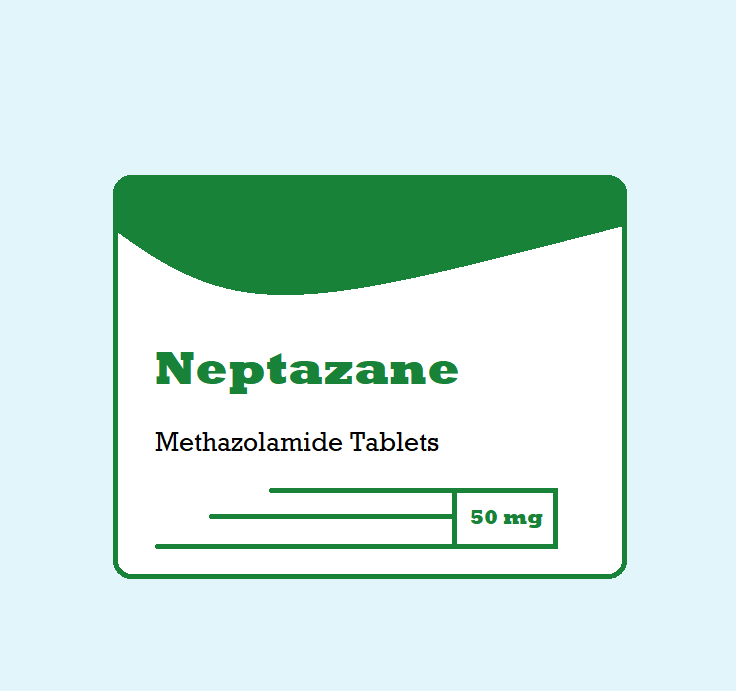
Methazolamide (Neptazane) is a carbonic anhydrase inhibitor (like acetazolamide) that increases urinary volume and alters the blood and urinary PH. It is used in the treatment of patients with chronic open-angle glaucoma.
Methazolamide Uses:
-
Glaucoma:
- It is indicated for the treatment of chronic open-angle or secondary glaucoma.
- It is also used for the short-term treatment of acute angle-closure glaucoma before surgery.
Methazolamide (Neptazane) Dose in Adults:
Methazolamide (Neptazane) Dose in the treatment of Glaucoma:
- Oral: 50 to 100 mg twice or thrice daily.
Use in Children:
Not indicated.
Pregnancy Risk Factor C
- Animal reproduction studies showed adverse pregnancy outcomes.
Use of methazolamide while breastfeeding
- It is unknown if the drug will be excreted into breastmilk.
- The risk of serious adverse events in infants can be very real.
- Therefore, it is important to weigh the advantages of breastfeeding and the risks to the infant from drug exposure. It is not advised to breastfeed.
Dose in Kidney Disease:
It is contraindicated in advanced renal dysfunction.
Dose in Liver disease:
It is contraindicated in advanced liver disease.
Side effects of Methazolamide (Neptazane):
-
Central Nervous System:
- Confusion
- Drowsiness
- Fatigue
- Flaccid Paralysis
- Malaise
- Paresthesia
- Seizure
-
Dermatologic:
- Erythema Multiforme
- Skin Photosensitivity
- Skin Rash
- Stevens-Johnson Syndrome
- Toxic Epidermal Necrolysis
- Urticaria
-
Endocrine & Metabolic:
- Electrolyte Disturbance
- Glycosuria
- Metabolic Acidosis
-
Gastrointestinal:
- Decreased Appetite
- Diarrhea
- Dysgeusia
- Melena
- Nausea
- Vomiting
-
Genitourinary:
- Crystalluria
- Hematuria
-
Hematologic & Oncologic:
- Agranulocytosis
- Aplastic Anemia
- Bone Marrow Depression
- Hemolytic Anemia
- Immune Thrombocytopenia
- Leukopenia
- Pancytopenia
-
Hepatic:
- Fulminant Hepatic Necrosis
- Hepatic Insufficiency
-
Hypersensitivity:
- Anaphylaxis
- Hypersensitivity Reaction
-
Ophthalmic:
- Myopia
-
Otic:
- Auditory Disturbance
- Tinnitus
-
Renal:
- Nephrolithiasis
- Polyuria
-
Miscellaneous:
- Fever
Contraindications to Methazolamide (Neptazane):
- Advanced liver or kidney dysfunction
- Failure of the adrenal glands
- Cirrhosis
- Hyperchloremic acidosis;
- Hyponatremia;
- Hypokalemia
- Angle-closure Glaucoma: Long-term Treatment
Warnings and precautions
-
CNS effects
- It can cause CNS depression, and may impair mental or physical abilities.
- It should be used with caution by patients who are required to maintain mental alertness for tasks such as driving or operating heavy machinery.
-
Electrolyte disturbance:
- Hypokalemia can occur during treatment. Patients should be closely monitored for clinical signs and potassium levels should also be checked.
-
Allergy to sulfonamide ("sulfa")
- Patients with a history sulfa-drug allergy are generally advised to avoid drugs containing the sulfonamide groups. Cross-sensitivity is possible.
- However, the latest recommendations don't recommend completely avoiding drugs that have a sulfonamide-related group.
- It is important to exercise caution. Cross-sensitivity reactions are very unlikely.
- This is particularly true for non-antibiotics sulfonamide-containing drugs.
- However, T-cell-mediated (type I) reactions (eg maculopapular skin rash) can also occur.
- The mechanisms behind these reactions are not fully understood.
- Avoid drugs that have caused severe reactions in patients who have used the same drug class previously.
-
Diabetes:
- Patients suffering from diabetes mellitus or prediabetes should avoid this as their glucose control could be impaired.
-
Hepatic impairment
- Patients suffering from liver disease should not take the drug, as it can cause hepaticencephalopathy.
- Patients with liver impairments or cirrhosis are not advised to take the drug.
-
Respiratory disease
- It can worsen respiratory acidosis. Patients with chronic lung diseases like chronic obstructive or chronic pulmonary disease should not use it.
Methazolamide: Drug Interaction
|
Alpha-/Beta-Agonists (Indirect-Acting) |
Carbonic Anhydrase Inhibitors may increase the serum concentration of Alpha-/Beta-Agonists (Indirect-Acting). |
|
Amantadine |
Carbonic Anhydrase Inhibitors may increase the serum concentration of Amantadine. |
|
Amphetamines |
Carbonic Anhydrase Inhibitors may decrease the excretion of Amphetamines. |
|
CarBAMazepine |
Carbonic Anhydrase Inhibitors may increase the serum concentration of CarBAMazepine. |
|
Diacerein |
May enhance the therapeutic effect of Diuretics. Specifically, the risk for dehydration or hypokalemia may be increased. |
|
Flecainide |
Carbonic Anhydrase Inhibitors may increase the serum concentration of Flecainide. |
|
Fosphenytoin-Phenytoin |
Carbonic Anhydrase Inhibitors may enhance the adverse/toxic effect of Fosphenytoin-Phenytoin. Specifically, the risk for osteomalacia or rickets may be increased. |
|
Lithium |
Carbonic Anhydrase Inhibitors may decrease the serum concentration of Lithium. |
|
Memantine |
Carbonic Anhydrase Inhibitors may increase the serum concentration of Memantine. |
|
MetFORMIN |
Carbonic Anhydrase Inhibitors may enhance the adverse/toxic effect of MetFORMIN. Specifically, the risk of developing lactic acidosis may be increased. |
|
Opioid Agonists |
May enhance the adverse/toxic effect of Diuretics. Opioid Agonists may diminish the therapeutic effect of Diuretics. |
|
Primidone |
Carbonic Anhydrase Inhibitors may enhance the adverse/toxic effect of Primidone. Specifically, osteomalacia and rickets. Carbonic Anhydrase Inhibitors may decrease the serum concentration of Primidone. |
|
QuiNIDine |
Carbonic Anhydrase Inhibitors may decrease the excretion of QuiNIDine. |
|
Trientine |
Carbonic Anhydrase Inhibitor Diuretics may decrease the serum concentration of Trientine. |
|
Methenamine |
Carbonic Anhydrase Inhibitors may diminish the therapeutic effect of Methenamine. Management: Consider avoiding this combination. Monitor for decreased therapeutic effects of methenamine if used concomitant with a carbonic anhydrase inhibitor. |
|
Salicylates |
May enhance the adverse/toxic effect of Carbonic Anhydrase Inhibitors. Salicylate toxicity might be enhanced by this same combination. Management: Avoid these combinations when possible.Dichlorphenamide use with high-dose aspirin as contraindicated. If another combination is used, monitor patients closely for adverse effects. Tachypnea, anorexia, lethargy, and coma have been reported. |
|
Sodium Phosphates |
Diuretics may enhance the nephrotoxic effect of Sodium Phosphates. Specifically, the risk of acute phosphate nephropathy may be enhanced. Management: Consider avoiding this combination by temporarily suspending treatment with diuretics, or seeking alternatives to oral sodium phosphate bowel preparation. If the combination cannot be avoided, hydrate adequately and monitor fluid and renal status. |
|
Carbonic Anhydrase Inhibitors |
May enhance the adverse/toxic effect of other Carbonic Anhydrase Inhibitors. The development of acid-base disorders with concurrent use of ophthalmic and oral carbonic anhydrase inhibitors has been reported. Management: Avoid concurrent use of different carbonic anhydrase inhibitors if possible. Monitor patients closely for the occurrence of kidney stones and with regards to severity of metabolic acidosis. |
Monitoring parameters:
- CBC and platelet count at baseline and periodically therafter.
- serum electrolytes periodically (watch for hypokalemia.
- Arterial blood gases if required (for metabolic acidosis.
How to administer methazolamide (Neptazane)?
It is administered orally without regard to meals.
Mechanism of action of Methazolamide (Neptazane):
- It acts as a noncompetitive inhibitor for the enzyme carbonic anhydrase.
- It is located near the luminal edge of cells in the proximal tubeule.
- Inhibiting the carbonic anhydrase enzyme causes an increase of the volume of urine, and changes its pH (the urine becomes alkaline).
- This results in a decrease in excretion of titratable acids and ammonia.
Onset of action:
- Slow in comparison with acetazolamide (2-4 hours)
Peak effect:
- 6-8 hours
Duration:
- 10-18 hours
Absorption:
- Slow
Protein binding:
- About 55%
Metabolism:
- Slowly from the gastrointestinal tract
Half-life elimination:
- About 14 hours
Excretion:
- Urine (about 25% as unchanged drug)
International Brands of Methazolamide:
- Neptazane
- Glaumetax
- Mezomine
Methazolamide Brands Names in Pakistan:
No Brands Available in Pakistan.
.png)