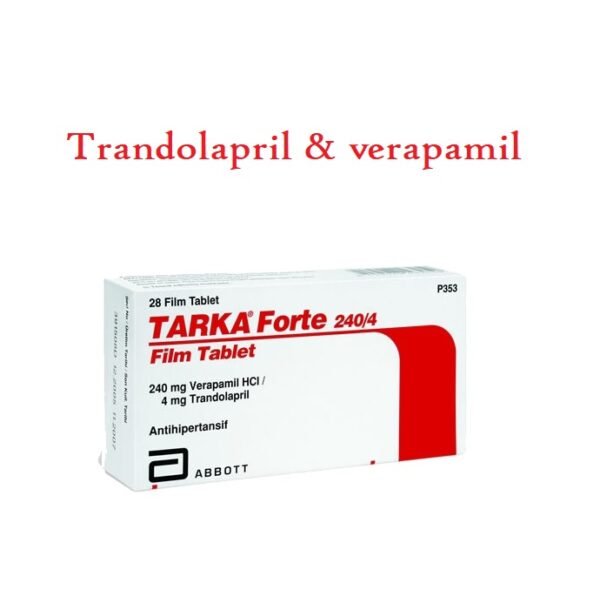
Trandolapril and verapamil is a combination of an ACE-inhibitor and a rate-limiting calcium channel blocker. It is used to treat adult patients with hypertension.
Trandolapril and verapamil Uses:
-
Hypertension:
- Used for hypertension management
Trandolapril and verapamil Dose in Adults
Note: Not to be used as initial therapy; dose is individualized; may be used as a substitute for individual components in patients currently maintained on both agents separately.
Trandolapril and verapamil Dose in the treatment of Hypertension:
- P/O: Trandolapril 1 to 4 mg/verapamil 180 to 240 mg once daily.
Use in Children:
Not indicated.
Pregnancy Risk Category: X
- [US Boxed Warning] Drugs that affect the renin-angiotensin systems may have fatal effects on developing foetuses.
- After detection of pregnancy, discontinue use as soon as possible.
- Talk to individual agents.
Use during breastfeeding:
- Although it is not known if breast milk contains trandolapril, verapamil is found in breast milk.
- The manufacturer doesn't recommend breastfeeding. Check with individual agents.
Dose in Kidney disease:
-
CrCl ≥30 mL/minute:
- No dosage adjustments have been provided in the manufacturer's labeling (has not been studied); use cautiously.
-
CrCl <30 mL/minute:
- Dosage adjustment recommended; use carefully.
-
Hemodialysis:
- Dosage adjustment recommended; use carefully.
Dose in Liver disease:
No dosage adjustments have been provided in the manufacturer's labeling (has not been studied); however, since verapamil is hepatically metabolized, lower doses are recommended.
Side Effects of Trandolapril and verapamil:
See individual agents (Trandolapril and verapamil)
Contraindications to Trandolapril and verapamil:
- Hypersensitivity to trandolapril or verapamil or any other component of the formulation
- Severe LV dysfunction
- Low BP (systolic Pressure 90 mm Hg).
- Cardiogenic shock
- Sick sinus syndrome (except for patients with a working pacemaker)
- Atrial flutter or atrial fibrillation with an accessory bypass tract (eg, Wolff-Parkinson-White, Lown-Ganong-Levine syndromes)
- Angioedema history (related to treatment with an ACE inhibitor in the past)
- Concurrent administration within 36 hours of switching from or to a neprilysin inhibitor (eg sacubitril),
- 2nd- and 3rd degree AV Block (except for patients with a normal functioning pacemaker).
- Concurrent administration with aliskiren in patients with diabetes
- Concurrent administration with Flibanserin
- Cross-reactivity between ACE Inhibitors/Calcium Channel Blockers has been documented. Cross-sensitivity is possible due to similarities in chemical structure and/or pharmaceutical actions.
Canadian labeling: Additional contraindications not in US labeling
- Complicated MI (ventricular dysfunction caused by pulmonary congestion)
- Bradycardia marked
- Hypotensive and hemodynamically unstable states
- Hemodynamically significant bilateral arterial stenosis, or severe artery narrowing of a single functioning kidney
- Severe renal impairment (CrCl >30 mL/minute).
- Dialysis
- Hepatic cirrhosis and ascites
- Patients with type 1 or 2 diabetes, moderate to severe kidney impairment (GFR 60 mL/minute/1.73 m2) or hyperkalemia (>5 mmol/L) or heart failure (hypotensive) may use ACE inhibitors (or angiotensin-receptor blockers (ARBs), medications concurrently.
- Patients with moderate to severe kidney impairment (GFR 60mL/minute/1.73m2), hyperkalemia (5 mmol/L) or heart failure (hypotensive) may use aliskiren concurrently.
- Concurrent use of IV beta-adrenergic antagonists, except in an ICU.
- Concurrent use of ivabradine
- Hereditary/idiopathic angioedema
- Women who are pregnant or planning to become pregnant.
- Breastfeeding
- Children and adolescents younger than 18 years old
Warns and Precautions
-
Angioedema
- Angioedema can occur anytime during treatment, especially after the first (rarely) dose of ACE inhibitors. Head and neck (potentially compromising airway) or the intestine may also be involved (presenting with abdominal pain).
- Patients with idiopathic angioedema or hereditary angioedema are at higher risk.
- The risk of developing a serious condition may be increased by the concurrent use of everolimus (eg, mTOR inhibitor) therapy and a neprilysin inhibitor (eg sacubitril).
- The presence of tongue, glottis or larynx may require prolonged and frequent monitoring.
- A history of airway surgery could increase the risk of obstruction.
- It is crucial to be aggressive and effective in managing the situation early.
- Patients with angioedema that has been associated with ACE inhibitor therapy are not recommended to use this product.
-
Conductivity abnormalities
- Verapamil can cause 1st-degree verapamil block and transient bradycardia. Sometimes, there are nodal escape rhythms.
- Dose discontinuation may be necessary for a marked 1st-degree block or progressive development of 2nd-degree block.
- Contraindicated in patients with sick sinus syndrome, 2nd- or 3rd-degree AV block (except in patients with a normal functioning pacemaker), or an accessory bypass tract (eg, Wolff-Parkinson-White syndrome).
-
Cough:
- A nonproductive, dry, hacking cough caused by an ACE inhibitor is a common side effect. It usually develops within the first few months after treatment. The symptoms should resolve in one to four weeks.
- It is important to exclude other causes of cough, such as pulmonary congestion in heart failure patients.
-
Hematologic effects
- Captopril, another ACE Inhibitor has been shown to cause neutropenia, myeloid hypoplasia & agranulocytosis, and a decrease of Hb and platelet counts.
- Patients with severe renal impairment are at high risk for neutropenia.
- Patients with kidney impairment or collagen vascular disease (eg systemic lupus, erythematosus) are at greater risk of developing neutropenia.
- Monitor blood count and differential counts in these patients periodically.
-
Hepatic effects
- Verapamil can cause transaminase elevations.
- Rechallenge has proven that there have been several cases of hepatocellular injuries related to verapamil.
- Rare toxicity, including cholestatic jaundice that can progress to fulminant hepatic neoplasm, may be associated with ACE inhibitors.
- You should stop using the product if you notice a marked increase in hepatic transaminases and jaundice.
-
Hyperkalemia:
- ACE inhibitors can cause hyperkalemia, renal dysfunction, diabetes mellitus, and concomitant potassium-sparing diuretics or potassium supplements.
- These agents should be used with caution and potassium closely monitored.
-
Hypersensitivity reactions
- Anaphylactic/anaphylactoid reactions can occur.
- Anaphylactoid reactions can be severe during hemodialysis (eg CVVHD) and high-flux dialysis membranes, (eg AN69), or, rarely, during low density lipoprotein (low-density lipoprotein) apheresis using dextran sulfatecellulose.
- Patients who have received ACE inhibitors have experienced rare anaphylactoid reactions while receiving sensitization treatment using Hymenoptera (bee, bee) venom.
-
Hypotension/syncope
- Symptomatic hypotension can occur with or without syncope, usually with the first few doses; patients with volume depletion are more at-risk; patients need close monitoring, especially when dosing increases and initial dosing; must lower BP at a rate that is appropriate for their clinical condition.
- Low bp, even though it may be necessary to reduce doses, is not a reason to stop future ACE inhibitor usage. This is especially true for patients with heart disease where a decrease in systolic pressure is desirable.
-
Renal function deterioration:
- ACE inhibitors may cause renal dysfunction and/or an increase in serum creatinine and BUN, especially in patients with low renal blood flow (eg renal artery stenosis or heart failure). Patients whose glomerular filtration rates (GFRs) are dependent on efferent arterial vasoconstriction (angiotensin II) may experience oliguria, acute kidney failure and progressive azotemia.
- Small, benign increases may occur in serum creatinine after treatment is initiated. Patients with significant and progressive impairment of renal function should not be treated.
-
Aortic stenosis
- Patients with aorticstenosis should not use Trandolapril. It may cause a decrease in coronary perfusion, which can lead to ischemia.
-
Arrhythmia:
- Verapamil should not be used in patients suffering from complex tachycardia, unless it is known to have supraventricular origin.
-
Attenuated neuromuscular transmission
- This may cause decreased neuromuscular transmission. Patients with attenuated nervemuscular transmission (Duchenne muscle dystrophy, myasthenia Gravis) should be cautious.
-
Cardiovascular disease
- Patients with ischemic heart disease and cerebrovascular diseases should be closely monitored in order to initiate therapy. This is because of the possible consequences of falling blood pressure (eg stroke, MI).
- If necessary, fluid replacement may be used to restore blood pressure to its normal level. Therapy may then be restarted.
- Hypotension: Stop taking medication.
-
Collagen vascular disease:
- Patients with collagen vascular disease should not use Trandolapril, especially if they have concomitant renal impairment. The risk of hematologic toxicities may be higher with this drug.
-
Heart failure:
- Verapamil should not be used in heart failure. It can worsen the condition.
- It is contraindicated for severe left ventricular dysfunction (eg ejection fraction >30%, pulmonary pressure >20mm Hg, severe cardiac failure symptoms) or cardiogenic shock.
- Patients with ventricular dysfunction should not be given beta-blockers.
-
Hepatic impairment
- Patients with impaired liver function should be cautious; lower doses of the drug are advised.
-
Hypertrophic cardiomyopathy with outflow tract obstruction (HCM)
- Patients with HCM with Outflow Trace Obstruction (especially those with high gradients or advanced heart failure) should be cautious. Reduced afterload can lead to worsening symptoms.
- Verapamil should not be used in patients suffering from severe hypotension or severe dyspnea.
-
Renal artery stenosis
- Patients with unstented unilateral/bilateral stenosis of the renal artery should not take Trandolapril.
- Unstented bilateral renal arterial stenosis is a good indication to avoid.
-
Renal impairment
- Patients with impaired renal function should be cautious. Dosage adjustment is advised.
Trandolapril and verapamil: Drug Interaction
|
Abemaciclib |
CYP3A4 Inhibitors (Moderate) may increase the serum concentration of Abemaciclib. |
|
Alcohol (Ethyl) |
Verapamil may increase the serum concentration of Alcohol (Ethyl). |
|
Alfuzosin |
May enhance the hypotensive effect of Blood Pressure Lowering Agents. |
|
Alpha1-Blockers |
May enhance the hypotensive effect of Calcium Channel Blockers. |
|
Amiodarone |
Calcium Channel Blockers (Nondihydropyridine) may enhance the bradycardic effect of Amiodarone. Sinus arrest has been reported. |
|
AmLODIPine |
CYP3A4 Inhibitors (Moderate) may increase the serum concentration of AmLODIPine. |
|
Amphetamines |
May diminish the antihypertensive effect of Antihypertensive Agents. |
|
Angiotensin II |
Angiotensin-Converting Enzyme Inhibitors may enhance the therapeutic effect of Angiotensin II. |
|
Antipsychotic Agents (Second Generation [Atypical]) |
Blood Pressure Lowering Agents may enhance the hypotensive effect of Antipsychotic Agents (Second Generation [Atypical]). |
|
Apixaban |
CYP3A4 Inhibitors (Moderate) may increase the serum concentration of Apixaban. |
|
Aprotinin |
May diminish the antihypertensive effect of Angiotensin-Converting Enzyme Inhibitors. |
|
ARIPiprazole |
CYP3A4 Inhibitors (Moderate) may increase the serum concentration of ARIPiprazole. Management: Monitor for increased aripiprazole pharmacologic effects. Aripiprazole dose adjustments may or may not be required based on concomitant therapy and/or indication. Consult full interaction monograph for specific recommendations. |
|
Aspirin |
Calcium Channel Blockers (Nondihydropyridine) may enhance the antiplatelet effect of Aspirin. |
|
Atosiban |
Calcium Channel Blockers may enhance the adverse/toxic effect of Atosiban. Specifically, there may be an increased risk for pulmonary edema and/or dyspnea. |
|
AzaTHIOprine |
Angiotensin-Converting Enzyme Inhibitors may enhance the myelosuppressive effect of AzaTHIOprine. |
|
Barbiturates |
May increase the metabolism of Calcium Channel Blockers. Management: Monitor for decreased therapeutic effects of calcium channel blockers with concomitant barbiturate therapy. Calcium channel blocker dose adjustments may be necessary. Nimodipine Canadian labeling contraindicates concomitant use with phenobarbital. |
|
Barbiturates |
May enhance the hypotensive effect of Blood Pressure Lowering Agents. |
|
Benperidol |
May enhance the hypotensive effect of Blood Pressure Lowering Agents. |
|
Benzhydrocodone |
CYP3A4 Inhibitors (Moderate) may increase the serum concentration of Benzhydrocodone. Specifically, the concentration of hydrocodone may be increased. |
|
Beta-Blockers |
Calcium Channel Blockers (Nondihydropyridine) may enhance the hypotensive effect of Beta-Blockers. Bradycardia and signs of heart failure have also been reported. Calcium Channel Blockers (Nondihydropyridine) may increase the serum concentration of Beta-Blockers. Exceptions: Levobunolol; Metipranolol. |
|
Blonanserin |
CYP3A4 Inhibitors (Moderate) may increase the serum concentration of Blonanserin. |
|
Bosentan |
May decrease the serum concentration of CYP3A4 Substrates (High risk with Inducers). |
|
Bosentan |
CYP3A4 Inhibitors (Moderate) may increase the serum concentration of Bosentan. Management: Concomitant use of both a CYP2C9 inhibitor and a CYP3A inhibitor or a single agent that inhibits both enzymes with bosentan is likely to cause a large increase in serum concentrations of bosentan and is not recommended. See monograph for details. |
|
Bradycardia-Causing Agents |
May enhance the bradycardic effect of other Bradycardia-Causing Agents. |
|
Brentuximab Vedotin |
P-glycoprotein/ABCB1 Inhibitors may increase the serum concentration of Brentuximab Vedotin. Specifically, concentrations of the active monomethyl auristatin E (MMAE) component may be increased. |
|
Bretylium |
May enhance the bradycardic effect of Bradycardia-Causing Agents. Bretylium may also enhance atrioventricular (AV) blockade in patients receiving AV blocking agents. |
|
Brexpiprazole |
CYP3A4 Inhibitors (Moderate) may increase the serum concentration of Brexpiprazole. Management: The brexpiprazole dose should be reduced to 25% of usual if used together with both a moderate CYP3A4 inhibitor and a strong or moderate CYP2D6 inhibitor, or if a moderate CYP3A4 inhibitor is used in a CYP2D6 poor metabolizer. |
|
Brimonidine (Topical) |
May enhance the hypotensive effect of Blood Pressure Lowering Agents. |
|
BusPIRone |
Calcium Channel Blockers (Nondihydropyridine) may increase the serum concentration of BusPIRone. |
|
Calcium Channel Blockers (Dihydropyridine) |
May enhance the hypotensive effect of Calcium Channel Blockers (Nondihydropyridine). Calcium Channel Blockers (Nondihydropyridine) may increase the serum concentration of Calcium Channel Blockers (Dihydropyridine). |
|
Calcium Salts |
May diminish the therapeutic effect of Calcium Channel Blockers. |
|
Cannabidiol |
CYP3A4 Inhibitors (Moderate) may increase the serum concentration of Cannabidiol. |
|
Cannabis |
CYP3A4 Inhibitors (Moderate) may increase the serum concentration of Cannabis. More specifically, tetrahydrocannabinol and cannabidiol serum concentrations may be increased. |
|
Cardiac Glycosides |
Calcium Channel Blockers (Nondihydropyridine) may enhance the AVblocking effect of Cardiac Glycosides. Calcium Channel Blockers (Nondihydropyridine) may increase the serum concentration of Cardiac Glycosides. |
|
Clofazimine |
May increase the serum concentration of CYP3A4 Substrates (High risk with Inhibitors). |
|
CloNIDine |
May enhance the AV-blocking effect of Calcium Channel Blockers (Nondihydropyridine). Sinus node dysfunction may also be enhanced. |
|
Clopidogrel |
Calcium Channel Blockers may diminish the therapeutic effect of Clopidogrel. |
|
CloZAPine |
CYP1A2 Inhibitors (Weak) may increase the serum concentration of CloZAPine. Management: Drugs listed as exceptions to this monograph are discussed in further detail in separate drug interaction monographs. |
|
Codeine |
CYP3A4 Inhibitors (Moderate) may increase serum concentrations of the active metabolite(s) of Codeine. |
|
CYP3A4 Inducers (Moderate) |
May decrease the serum concentration of CYP3A4 Substrates (High risk with Inducers). |
|
CYP3A4 Inhibitors (Moderate) |
May decrease the metabolism of CYP3A4 Substrates (High risk with Inhibitors). |
|
CYP3A4 Substrates (High risk with Inhibitors) |
CYP3A4 Inhibitors (Moderate) may decrease the metabolism of CYP3A4 Substrates (High risk with Inhibitors). Exceptions: Alitretinoin (Systemic); Praziquantel; Trabectedin; Vinorelbine. |
|
Deferasirox |
May decrease the serum concentration of CYP3A4 Substrates (High risk with Inducers). |
|
Dexmethylphenidate |
May diminish the therapeutic effect of Antihypertensive Agents. |
|
Diazoxide |
May enhance the hypotensive effect of Blood Pressure Lowering Agents. |
|
Dipeptidyl Peptidase-IV Inhibitors |
May enhance the adverse/toxic effect of AngiotensinConverting Enzyme Inhibitors. Specifically, the risk of angioedema may be increased. |
|
Dronabinol |
CYP3A4 Inhibitors (Moderate) may increase the serum concentration of Dronabinol. |
|
Drospirenone |
Angiotensin-Converting Enzyme Inhibitors may enhance the hyperkalemic effect of Drospirenone. |
|
DULoxetine |
Blood Pressure Lowering Agents may enhance the hypotensive effect of DULoxetine. |
|
Duvelisib |
May increase the serum concentration of CYP3A4 Substrates (High risk with Inhibitors). |
|
Efavirenz |
May decrease the serum concentration of Calcium Channel Blockers. |
|
Erdafitinib |
May decrease the serum concentration of CYP3A4 Substrates (High risk with Inducers). |
|
Erdafitinib |
May increase the serum concentration of CYP3A4 Substrates (High risk with Inhibitors). |
|
Erdafitinib |
May increase the serum concentration of P-glycoprotein/ABCB1 Substrates. |
|
Estrogen Derivatives |
CYP3A4 Inhibitors (Moderate) may increase the serum concentration of Estrogen Derivatives. |
|
Ferric Gluconate |
Angiotensin-Converting Enzyme Inhibitors may enhance the adverse/toxic effect of Ferric Gluconate. |
|
Ferric Hydroxide Polymaltose Complex |
Angiotensin-Converting Enzyme Inhibitors may enhance the adverse/toxic effect of Ferric Hydroxide Polymaltose Complex. Specifically, the risk for angioedema or allergic reactions may be increased. |
|
Fexofenadine |
Verapamil may increase the serum concentration of Fexofenadine. |
|
Fingolimod |
Verapamil may enhance the bradycardic effect of Fingolimod. |
|
Flecainide |
Verapamil may enhance the adverse/toxic effect of Flecainide. In particular, this combination may significantly impair myocardial contractility and AV nodal conduction. |
|
Fluconazole |
May increase the serum concentration of Calcium Channel Blockers. |
|
Fosnetupitant |
May increase the serum concentration of CYP3A4 Substrates (High risk with Inhibitors). |
|
Gelatin (Succinylated) |
Angiotensin-Converting Enzyme Inhibitors may enhance the adverse/toxic effect of Gelatin (Succinylated). Specifically, the risk of a paradoxical hypotensive reaction may be increased. |
|
Gold Sodium Thiomalate |
Angiotensin-Converting Enzyme Inhibitors may enhance the adverse/toxic effect of Gold Sodium Thiomalate. An increased risk of nitritoid reactions has been appreciated. |
|
Grapefruit Juice |
May increase the serum concentration of Verapamil. |
|
Halofantrine |
CYP3A4 Inhibitors (Moderate) may increase the serum concentration of Halofantrine. Management: Extreme caution, with possibly increased monitoring of ECGs, should be used if halofantrine is combined with moderate CYP3A4 inhibitors. Drugs listed as exceptions to this monograph are discussed in separate drug interaction monographs. |
|
Heparin |
May enhance the hyperkalemic effect of Angiotensin-Converting Enzyme Inhibitors. |
|
Heparins (Low Molecular Weight) |
May enhance the hyperkalemic effect of AngiotensinConverting Enzyme Inhibitors. |
|
Herbs (Hypertensive Properties) |
May diminish the antihypertensive effect of Antihypertensive Agents. |
|
Herbs (Hypotensive Properties) |
May enhance the hypotensive effect of Blood Pressure Lowering Agents. |
|
HYDROcodone |
CYP3A4 Inhibitors (Moderate) may increase the serum concentration of HYDROcodone. |
|
Hypotension-Associated Agents |
Blood Pressure Lowering Agents may enhance the hypotensive effect of Hypotension-Associated Agents. |
|
Icatibant |
May diminish the antihypertensive effect of Angiotensin-Converting Enzyme Inhibitors. |
|
Ifosfamide |
CYP3A4 Inhibitors (Moderate) may decrease serum concentrations of the active metabolite(s) of Ifosfamide. |
|
Imatinib |
CYP3A4 Inhibitors (Moderate) may increase the serum concentration of Imatinib. |
|
Lacosamide |
Bradycardia-Causing Agents may enhance the AV-blocking effect of Lacosamide. |
|
Larotrectinib |
May increase the serum concentration of CYP3A4 Substrates (High risk with Inhibitors). |
|
Larotrectinib |
P-glycoprotein/ABCB1 Inhibitors may increase the serum concentration of Larotrectinib. |
|
Levodopa-Containing Products |
Blood Pressure Lowering Agents may enhance the hypotensive effect of Levodopa-Containing Products. |
|
Loop Diuretics |
May enhance the hypotensive effect of Angiotensin-Converting Enzyme Inhibitors. Loop Diuretics may enhance the nephrotoxic effect of Angiotensin-Converting Enzyme Inhibitors. |
|
Lormetazepam |
May enhance the hypotensive effect of Blood Pressure Lowering Agents. |
|
Magnesium Salts |
Calcium Channel Blockers may enhance the adverse/toxic effect of Magnesium Salts. Magnesium Salts may enhance the hypotensive effect of Calcium Channel Blockers. |
|
Manidipine |
CYP3A4 Inhibitors (Moderate) may increase the serum concentration of Manidipine. |
|
MetFORMIN |
Verapamil may diminish the therapeutic effect of MetFORMIN. |
|
Methylphenidate |
May diminish the antihypertensive effect of Antihypertensive Agents. |
|
Midodrine |
May enhance the bradycardic effect of Bradycardia-Causing Agents. |
|
Mirodenafil |
CYP3A4 Inhibitors (Moderate) may increase the serum concentration of Mirodenafil. |
|
Molsidomine |
May enhance the hypotensive effect of Blood Pressure Lowering Agents. |
|
Naftopidil |
May enhance the hypotensive effect of Blood Pressure Lowering Agents. |
|
Naldemedine |
CYP3A4 Inhibitors (Moderate) may increase the serum concentration of Naldemedine. |
|
Naldemedine |
P-glycoprotein/ABCB1 Inhibitors may increase the serum concentration of Naldemedine. |
|
Nalfurafine |
CYP3A4 Inhibitors (Moderate) may increase the serum concentration of Nalfurafine. |
|
Netupitant |
May increase the serum concentration of CYP3A4 Substrates (High risk with Inhibitors). |
|
Neuromuscular-Blocking Agents (Nondepolarizing) |
Calcium Channel Blockers may enhance the neuromuscular-blocking effect of Neuromuscular-Blocking Agents (Nondepolarizing). |
|
Nicergoline |
May enhance the hypotensive effect of Blood Pressure Lowering Agents. |
|
Nicorandil |
May enhance the hyperkalemic effect of Angiotensin-Converting Enzyme Inhibitors. |
|
Nicorandil |
May enhance the hypotensive effect of Blood Pressure Lowering Agents. |
|
NiMODipine |
CYP3A4 Inhibitors (Moderate) may increase the serum concentration of NiMODipine. |
|
Nintedanib |
Combined Inhibitors of CYP3A4 and P-glycoprotein may increase the serum concentration of Nintedanib. |
|
Nitroprusside |
Blood Pressure Lowering Agents may enhance the hypotensive effect of Nitroprusside. |
|
Nonsteroidal Anti-Inflammatory Agents |
Angiotensin-Converting Enzyme Inhibitors may enhance the adverse/toxic effect of Nonsteroidal Anti-Inflammatory Agents. Specifically, the combination may result in a significant decrease in renal function. Nonsteroidal Anti-Inflammatory Agents may diminish the antihypertensive effect of Angiotensin-Converting Enzyme Inhibitors. |
|
Opioids (Anilidopiperidine) |
May enhance the bradycardic effect of Calcium Channel Blockers (Nondihydropyridine). Opioids (Anilidopiperidine) may enhance the hypotensive effect of Calcium Channel Blockers (Nondihydropyridine). |
|
OxyCODONE |
CYP3A4 Inhibitors (Moderate) may enhance the adverse/toxic effect of OxyCODONE. CYP3A4 Inhibitors (Moderate) may increase the serum concentration of OxyCODONE. Serum concentrations of the active metabolite Oxymorphone may also be increased. |
|
Palbociclib |
May increase the serum concentration of CYP3A4 Substrates (High risk with Inhibitors). |
|
Pentoxifylline |
May enhance the hypotensive effect of Blood Pressure Lowering Agents. |
|
Pexidartinib |
CYP3A4 Inhibitors (Moderate) may increase the serum concentration of Pexidartinib. |
|
P-glycoprotein/ABCB1 Inhibitors |
May increase the serum concentration of Pglycoprotein/ABCB1 Substrates. P-glycoprotein inhibitors may also enhance the distribution of pglycoprotein substrates to specific cells/tissues/organs where p-glycoprotein is present in large amounts (e.g., brain, T-lymphocytes, testes, etc.). |
|
P-glycoprotein/ABCB1 Substrates |
P-glycoprotein/ABCB1 Inhibitors may increase the serum concentration of P-glycoprotein/ABCB1 Substrates. P-glycoprotein inhibitors may also enhance the distribution of p-glycoprotein substrates to specific cells/tissues/organs where p-glycoprotein is present in large amounts (e.g., brain, T-lymphocytes, testes, etc.). Exceptions: Loperamide. |
|
Pholcodine |
Blood Pressure Lowering Agents may enhance the hypotensive effect of Pholcodine. |
|
Phosphodiesterase 5 Inhibitors |
May enhance the hypotensive effect of Blood Pressure Lowering Agents. |
|
Pimecrolimus |
CYP3A4 Inhibitors (Moderate) may decrease the metabolism of Pimecrolimus. |
|
Potassium Salts |
May enhance the hyperkalemic effect of Angiotensin-Converting Enzyme Inhibitors. |
|
Potassium-Sparing Diuretics |
May enhance the hyperkalemic effect of Angiotensin-Converting Enzyme Inhibitors. |
|
Pregabalin |
Angiotensin-Converting Enzyme Inhibitors may enhance the adverse/toxic effect of Pregabalin. Specifically, the risk of angioedema may be increased. |
|
Propafenone |
CYP3A4 Inhibitors (Moderate) may increase the serum concentration of Propafenone. Management: Drugs listed as exceptions to this monograph are discussed in further detail in separate drug interaction monographs. |
|
Prostacyclin Analogues |
May enhance the hypotensive effect of Blood Pressure Lowering Agents. |
|
Prucalopride |
P-glycoprotein/ABCB1 Inhibitors may increase the serum concentration of Prucalopride. |
|
Quinagolide |
May enhance the hypotensive effect of Blood Pressure Lowering Agents. |
|
QuiNIDine |
May enhance the hypotensive effect of Verapamil. Verapamil may increase the serum concentration of QuiNIDine. |
|
Racecadotril |
May enhance the adverse/toxic effect of Angiotensin-Converting Enzyme Inhibitors. Specifically, the risk for angioedema may be increased with this combination. |
|
Red Yeast Rice |
Calcium Channel Blockers (Nondihydropyridine) may increase the serum concentration of Red Yeast Rice. Specifically, concentrations of lovastatin (and possibly other related compounds) may be increased. |
|
Regorafenib |
May enhance the bradycardic effect of Calcium Channel Blockers (Nondihydropyridine). |
|
RifAXIMin |
P-glycoprotein/ABCB1 Inhibitors may increase the serum concentration of RifAXIMin. |
|
RisperiDONE |
Verapamil may increase the serum concentration of RisperiDONE. |
|
Rupatadine |
CYP3A4 Inhibitors (Moderate) may increase the serum concentration of Rupatadine. |
|
Ruxolitinib |
May enhance the bradycardic effect of Bradycardia-Causing Agents. Management: Ruxolitinib Canadian product labeling recommends avoiding use with bradycardia-causing agents to the extent possible. |
|
Ruxolitinib |
CYP3A4 Inhibitors (Moderate) may increase the serum concentration of Ruxolitinib. |
|
Salicylates |
May enhance the nephrotoxic effect of Angiotensin-Converting Enzyme Inhibitors. Salicylates may diminish the therapeutic effect of Angiotensin-Converting Enzyme Inhibitors. |
|
Salmeterol |
CYP3A4 Inhibitors (Moderate) may increase the serum concentration of Salmeterol. |
|
Sarilumab |
May decrease the serum concentration of CYP3A4 Substrates (High risk with Inducers). |
|
SAXagliptin |
CYP3A4 Inhibitors (Moderate) may increase the serum concentration of SAXagliptin. |
|
Sildenafil |
CYP3A4 Inhibitors (Moderate) may increase the serum concentration of Sildenafil. |
|
Silodosin |
P-glycoprotein/ABCB1 Inhibitors may increase the serum concentration of Silodosin. |
|
Silodosin |
CYP3A4 Inhibitors (Moderate) may increase the serum concentration of Silodosin. |
|
Siltuximab |
May decrease the serum concentration of CYP3A4 Substrates (High risk with Inducers). |
|
Tacrolimus (Systemic) |
Calcium Channel Blockers (Nondihydropyridine) may decrease the metabolism of Tacrolimus (Systemic). |
|
Tacrolimus (Systemic) |
Angiotensin-Converting Enzyme Inhibitors may enhance the hyperkalemic effect of Tacrolimus (Systemic). |
|
Tacrolimus (Topical) |
Calcium Channel Blockers (Nondihydropyridine) may decrease the metabolism of Tacrolimus (Topical). |
|
Tamsulosin |
CYP3A4 Inhibitors (Moderate) may increase the serum concentration of Tamsulosin. |
|
Tegaserod |
P-glycoprotein/ABCB1 Inhibitors may increase the serum concentration of Tegaserod. |
|
Temsirolimus |
May enhance the adverse/toxic effect of Angiotensin-Converting Enzyme Inhibitors. |
|
Terlipressin |
May enhance the bradycardic effect of Bradycardia-Causing Agents. |
|
Tetrahydrocannabinol |
CYP3A4 Inhibitors (Moderate) may increase the serum concentration of Tetrahydrocannabinol. |
|
Thiazide and Thiazide-Like Diuretics |
May enhance the hypotensive effect of AngiotensinConverting Enzyme Inhibitors. Thiazide and Thiazide-Like Diuretics may enhance the nephrotoxic effect of Angiotensin-Converting Enzyme Inhibitors. |
|
Ticagrelor |
CYP3A4 Inhibitors (Moderate) may increase the serum concentration of Ticagrelor. |
|
Tocilizumab |
May decrease the serum concentration of CYP3A4 Substrates (High risk with Inducers). |
|
Tofacitinib |
May enhance the bradycardic effect of Bradycardia-Causing Agents. |
|
Trabectedin |
CYP3A4 Inhibitors (Moderate) may increase the serum concentration of Trabectedin. |
|
Trimethoprim |
May enhance the hyperkalemic effect of Angiotensin-Converting Enzyme Inhibitors. |
|
Udenafil |
CYP3A4 Inhibitors (Moderate) may increase the serum concentration of Udenafil. |
|
Vilazodone |
CYP3A4 Inhibitors (Moderate) may increase the serum concentration of Vilazodone. |
|
Vindesine |
CYP3A4 Inhibitors (Moderate) may increase the serum concentration of Vindesine. |
|
Yohimbine |
May diminish the antihypertensive effect of Antihypertensive Agents. |
|
Zuclopenthixol |
CYP3A4 Inhibitors (Moderate) may increase the serum concentration of Zuclopenthixol. |
|
Risk Factor D (Consider therapy modification) |
|
|
Acalabrutinib |
CYP3A4 Inhibitors (Moderate) may increase the serum concentration of Acalabrutinib. Management: Reduce acalabrutinib dose to 100 mg once daily with concurrent use of a moderate CYP3A4 inhibitor. Monitor patient closely for both acalabrutinib response and evidence of adverse effects with any concurrent use. |
|
Afatinib |
P-glycoprotein/ABCB1 Inhibitors may increase the serum concentration of Afatinib. Management: Reduce afatinib by 10 mg if not tolerated. Some non-US labeling recommends avoiding combination if possible. Iif used, administer the P-gp inhibitor simultaneously with or after the dose of afatinib. |
|
Aliskiren |
May enhance the hyperkalemic effect of Angiotensin-Converting Enzyme Inhibitors. Aliskiren may enhance the hypotensive effect of Angiotensin-Converting Enzyme Inhibitors. Aliskiren may enhance the nephrotoxic effect of Angiotensin-Converting Enzyme Inhibitors. Management: Aliskiren use with ACEIs or ARBs in patients with diabetes is contraindicated. Combined use in other patients should be avoided, particularly when CrCl is less than 60 mL/min. If combined, monitor potassium, creatinine, and blood pressure closely. |
|
Allopurinol |
Angiotensin-Converting Enzyme Inhibitors may enhance the potential for allergic or hypersensitivity reactions to Allopurinol. |
|
Amifostine |
Blood Pressure Lowering Agents may enhance the hypotensive effect of Amifostine. Management: When amifostine is used at chemotherapy doses, blood pressure lowering medications should be withheld for 24 hours prior to amifostine administration. If blood pressure lowering therapy cannot be withheld, amifostine should not be administered. |
|
Angiotensin II Receptor Blockers |
May enhance the adverse/toxic effect of AngiotensinConverting Enzyme Inhibitors. Angiotensin II Receptor Blockers may increase the serum concentration of Angiotensin-Converting Enzyme Inhibitors. Management: In US labeling, use of telmisartan and ramipril is not recommended. It is not clear if any other combination of an ACE inhibitor and an ARB would be any safer. Consider alternatives to the combination when possible. |
|
Antifungal Agents (Azole Derivatives, Systemic) |
May enhance the adverse/toxic effect of Calcium Channel Blockers. Specifically, itraconazole may enhance the negative inotropic effects of verapamil or diltiazem. Antifungal Agents (Azole Derivatives, Systemic) may decrease the metabolism of Calcium Channel Blockers. Fluconazole and isavuconazonium likely exert weaker effects than other azoles and are addressed in separate monographs. Management: Concurrent use of felodipine or nisoldipine with itraconazole is specifically contraindicated. Frequent monitoring is warranted with any such combination; calcium channel blocker dose reductions may be required. Exceptions: Fluconazole; Isavuconazonium Sulfate. |
|
AtorvaSTATin |
|
|
Avanafil |
CYP3A4 Inhibitors (Moderate) may increase the serum concentration of Avanafil. Management: The maximum avanafil adult dose is 50 mg per 24-hour period when used together with a moderate CYP3A4 inhibitor. Patients receiving such a combination should also be monitored more closely for evidence of adverse effects. |
|
Betrixaban |
P-glycoprotein/ABCB1 Inhibitors may increase the serum concentration of Betrixaban. Management: Decrease the adult betrixaban dose to an initial single dose of 80 mg followed by 40 mg once daily if combined with a P-glycoprotein inhibitor. |
|
Bilastine |
P-glycoprotein/ABCB1 Inhibitors may increase the serum concentration of Bilastine. Management: Consider alternatives when possible; bilastine should be avoided in patients with moderate to severe renal insufficiency who are receiving p-glycoprotein inhibitors. |
|
Brigatinib |
CYP3A4 Inhibitors (Moderate) may increase the serum concentration of Brigatinib. Management: Avoid concurrent use of brigatinib with moderate CYP3A4 inhibitors when possible. If such a combination cannot be avoided, reduce the dose of brigatinib by approximately 40% (ie, from 180 mg to 120 mg, from 120 mg to 90 mg, or from 90 mg to 60 mg). |
|
Bromocriptine |
CYP3A4 Inhibitors (Moderate) may increase the serum concentration of Bromocriptine. Management: The bromocriptine dose should not exceed 1.6 mg daily with use of a moderate CYP3A4 inhibitor. The Cycloset brand specifically recommends this dose limitation, but other bromocriptine products do not make such specific recommendations. |
|
Budesonide (Topical) |
CYP3A4 Inhibitors (Moderate) may increase the serum concentration of Budesonide (Topical). Management: Per US prescribing information, avoid this combination. Canadian product labeling does not recommend strict avoidance. If combined, monitor for excessive glucocorticoid effects as budesonide exposure may be increased. |
|
CarBAMazepine |
Calcium Channel Blockers (Nondihydropyridine) may increase the serum concentration of CarBAMazepine. CarBAMazepine may decrease the serum concentration of Calcium Channel Blockers (Nondihydropyridine). Management: Consider empiric reductions in carbamazepine dose with initiation of nondihydropyridine calcium channel blockers. Monitor for increased toxic effects of carbamazepine and reduced therapeutic effects of the calcium channel blocker. |
|
Celiprolol |
Verapamil may enhance the bradycardic effect of Celiprolol. Verapamil may increase the serum concentration of Celiprolol. Management: Concomitant use of verapamil and celiprolol is not recommended, particularly in patients with pre-existing conduction abnormalities. When switching from one agent to the other, a drug-free period is recommended, and heart rate should be monitored closely. |
|
Ceritinib |
Bradycardia-Causing Agents may enhance the bradycardic effect of Ceritinib. Management: If this combination cannot be avoided, monitor patients for evidence of symptomatic bradycardia, and closely monitor blood pressure and heart rate during therapy. Exceptions are discussed in separate monographs. |
|
Cilostazol |
CYP3A4 Inhibitors (Moderate) may increase the serum concentration of Cilostazol. Management: Consider reducing the cilostazol dose to 50 mg twice daily in adult patients who are also receiving moderate inhibitors of CYP3A4. |
|
Cimetidine |
May increase the serum concentration of Calcium Channel Blockers. Management: Consider alternatives to cimetidine. If no suitable alternative exists, monitor for increased effects of calcium channel blockers following cimetidine initiation/dose increase, and decreased effects following cimetidine discontinuation/dose decrease. |
|
Colchicine |
CYP3A4 Inhibitors (Moderate) may increase the serum concentration of Colchicine. Management: Reduce colchicine dose as directed when using with a moderate CYP3A4 inhibitor, and increase monitoring for colchicine-related toxicity. See full monograph for details. Use extra caution in patients with impaired renal and/or hepatic function. |
|
Colchicine |
P-glycoprotein/ABCB1 Inhibitors may increase the serum concentration of Colchicine. Colchicine distribution into certain tissues (e.g., brain) may also be increased. Management: Colchicine is contraindicated in patients with impaired renal or hepatic function who are also receiving a p-glycoprotein inhibitor. In those with normal renal and hepatic function, reduce colchicine dose as directed. See full monograph for details. |
|
CycloSPORINE (Systemic |
Calcium Channel Blockers (Nondihydropyridine) may decrease the metabolism of CycloSPORINE (Systemic). CycloSPORINE (Systemic) may decrease the metabolism of Calcium Channel Blockers (Nondihydropyridine). |
|
CYP3A4 Inducers (Strong) |
May increase the metabolism of CYP3A4 Substrates (High risk with Inducers). Management: Consider an alternative for one of the interacting drugs. Some combinations may be specifically contraindicated. Consult appropriate manufacturer labeling. |
|
CYP3A4 Inhibitors (Strong) |
May decrease the metabolism of CYP3A4 Substrates (High risk with Inhibitors). |
|
Dabigatran Etexilate |
Verapamil may increase serum concentrations of the active metabolite(s) of Dabigatran Etexilate. Management: Consider giving dabigatran 2 hrs before oral verapamil; other dose reductions may be needed. Specific recommendations vary by US vs Canadian labeling, renal function, and indication for dabigatran. Refer to full monograph or dabigatran labeling. |
|
Dabrafenib |
May decrease the serum concentration of CYP3A4 Substrates (High risk with Inducers). Management: Seek alternatives to the CYP3A4 substrate when possible. If concomitant therapy cannot be avoided, monitor clinical effects of the substrate closely (particularly therapeutic effects). |
|
Dapoxetine |
CYP3A4 Inhibitors (Moderate) may increase the serum concentration of Dapoxetine. Management: The dose of dapoxetine should be limited to 30 mg per day when used together with a moderate inhibitor of CYP3A4. |
|
Deflazacort |
CYP3A4 Inhibitors (Moderate) may increase serum concentrations of the active metabolite(s) of Deflazacort. Management: Administer one third of the recommended deflazacort dose when used together with a strong or moderate CYP3A4 inhibitor. |
|
DOXOrubicin (Conventional) |
CYP3A4 Inhibitors (Moderate) may increase the serum concentration of DOXOrubicin (Conventional). Management: Seek alternatives to moderate CYP3A4 inhibitors in patients treated with doxorubicin whenever possible. One U.S. manufacturer (Pfizer Inc.) recommends that these combinations be avoided. |
|
DOXOrubicin (Conventional) |
P-glycoprotein/ABCB1 Inhibitors may increase the serum concentration of DOXOrubicin (Conventional). Management: Seek alternatives to P-glycoprotein inhibitors in patients treated with doxorubicin whenever possible. One U.S. manufacturer (Pfizer Inc.) recommends that these combinations be avoided. |
|
Dronedarone |
Calcium Channel Blockers (Nondihydropyridine) may enhance the AV-blocking effect of Dronedarone. Other electrophysiologic effects of Dronedarone may also be increased. Calcium Channel Blockers (Nondihydropyridine) may increase the serum concentration of Dronedarone. Dronedarone may increase the serum concentration of Calcium Channel Blockers (Nondihydropyridine). Management: Use lower starting doses of the nondihydropyridine calcium channel blockers (i.e., verapamil, diltiazem), and only consider increasing calcium channel blocker dose after obtaining ECG-based evidence that the combination is being well-tolerated. |
|
Edoxaban |
P-glycoprotein/ABCB1 Inhibitors may increase the serum concentration of Edoxaban. Management: See full monograph for details. Reduced doses are recommended for patients receiving edoxaban for venous thromboembolism in combination with certain P-gp inhibitors. Similar dose adjustment is not recommended for edoxaban use in atrial fibrillation. |
|
Eletriptan |
CYP3A4 Inhibitors (Moderate) may increase the serum concentration of Eletriptan. Management: The use of eletriptan within 72 hours of a moderate CYP3A4 inhibitor should be avoided. |
|
Eliglustat |
CYP3A4 Inhibitors (Moderate) may increase the serum concentration of Eliglustat. Management: Use should be avoided under some circumstances. See full drug interaction monograph for details. |
|
Encorafenib |
CYP3A4 Inhibitors (Moderate) may increase the serum concentration of Encorafenib. Management: Avoid concomitant use of encorafenib and moderate CYP3A4 inhibitors whenever possible. If concomitant administration is unavoidable, decrease the encorafenib dose prior to initiation of the CYP3A4 inhibitor. See full monograph for details. |
|
Entrectinib |
CYP3A4 Inhibitors (Moderate) may increase the serum concentration of Entrectinib. Management: Avoid moderate CYP3A4 inhibitors during treatment with entrectinib. Reduce dose to 200 mg/day if combination cannot be avoided in adults and those 12 yrs of age or older with a BSA of at least 1.5 square meters. No alternative dosing provided for others. |
|
Enzalutamide |
May decrease the serum concentration of CYP3A4 Substrates (High risk with Inducers). Management: Concurrent use of enzalutamide with CYP3A4 substrates that have a narrow therapeutic index should be avoided. Use of enzalutamide and any other CYP3A4 substrate should be performed with caution and close monitoring. |
|
Eplerenone |
CYP3A4 Inhibitors (Moderate) may increase the serum concentration of Eplerenone. Management: When used concomitantly with moderate inhibitors of CYP3A4, eplerenone dosing recommendations vary by indication and international labeling. See full drug interaction monograph for details. |
|
Esmolol |
Calcium Channel Blockers (Nondihydropyridine) may enhance the bradycardic effect of Esmolol. Management: Administration of IV verapamil or diltiazem together with esmolol is contraindicated if one agent is given while the effects of the other are still present. Canadian esmolol labeling specifies that use within 24 hours is contraindicated. |
|
Everolimus |
CYP3A4 Inhibitors (Moderate) may increase the serum concentration of Everolimus. Management: Everolimus dose reductions are required for most indications. See full monograph or prescribing information for specific dose adjustment and monitoring recommendations. |
|
Everolimus |
Inhibitors of CYP3A4 (Moderate) and P-glycoprotein may increase the serum concentration of Everolimus. Management: Everolimus dose reductions are required for most indications. See full monograph or prescribing information for specific dose adjustment and monitoring recommendations. |
|
FentaNYL |
CYP3A4 Inhibitors (Moderate) may increase the serum concentration of FentaNYL. Management: Monitor patients closely for several days following initiation of this combination, and adjust fentanyl dose as necessary. |
|
Fosphenytoin |
Calcium Channel Blockers may increase the serum concentration of Fosphenytoin. Management: Monitor for phenytoin toxicity with concomitant use of a calcium channel blocker (CCB) or decreased phenytoin effects with CCB discontinuation. Monitor for decreased CCB therapeutic effects. Nimodipine Canadian labeling contraindicates use with phenytoin. |
|
Grass Pollen Allergen Extract (5 Grass Extract) |
Angiotensin-Converting Enzyme Inhibitors may enhance the adverse/toxic effect of Grass Pollen Allergen Extract (5 Grass Extract). Specifically, ACE inhibitors may increase the risk of severe allergic reaction to Grass Pollen Allergen Extract (5 Grass Extract). |
|
GuanFACINE |
CYP3A4 Inhibitors (Moderate) may increase the serum concentration of GuanFACINE. Management: Reduce the guanfacine dose by 50% when initiating this combination. |
|
Ibrutinib |
CYP3A4 Inhibitors (Moderate) may increase the serum concentration of Ibrutinib. Management: When treating B-cell malignancies, decrease ibrutinib to 280 mg daily when combined with moderate CYP3A4 inhibitors. When treating graft versus host disease, monitor patients closely and reduce the ibrutinib dose as needed based on adverse reactions. |
|
Iron Dextran Complex |
Angiotensin-Converting Enzyme Inhibitors may enhance the adverse/toxic effect of Iron Dextran Complex. Specifically, patients receiving an ACE inhibitor may be at an increased risk for anaphylactic-type reactions. Management: Follow iron dextran recommendations closely regarding both having resuscitation equipment and trained personnel on-hand prior to iron dextran administration and the use of a test dose prior to the first therapeutic dose. |
|
Ivacaftor |
CYP3A4 Inhibitors (Moderate) may increase the serum concentration of Ivacaftor. Management: Ivacaftor dose reductions are required; consult full monograph content for specific age- and weight-based recommendations. No dose adjustment is needed when using ivacaftor/lumacaftor with a moderate CYP3A4 inhibitor. |
|
Ivosidenib |
CYP3A4 Inhibitors (Moderate) may increase the serum concentration of Ivosidenib. Management: Avoid use of moderate CYP3A4 inhibitors with ivosidenib whenever possible. If combined, monitor for increased ivosidenib toxicities. Drugs listed as exceptions are discussed in further detail in separate drug interaction monographs. |
|
Lanthanum |
May decrease the serum concentration of Angiotensin-Converting Enzyme Inhibitors. Management: Administer angiotensin-converting enzyme inhibitors at least two hours before or after lanthanum. |
|
Lefamulin |
P-glycoprotein/ABCB1 Inhibitors may increase the serum concentration of Lefamulin. Management: Avoid concomitant use of lefamulin tablets with P-glycoprotein/ABCB1 inhibitors. If concomitant use is required, monitor for lefamulin adverse effects. |
|
Lithium |
Angiotensin-Converting Enzyme Inhibitors may increase the serum concentration of Lithium. Management: Lithium dosage reductions will likely be needed following the addition of an ACE inhibitor. Monitor patient response to lithium closely following addition or discontinuation of concurrent ACE inhibitor treatment. |
|
Lorlatinib |
May decrease the serum concentration of CYP3A4 Substrates (High risk with Inducers). Management: Avoid concurrent use of lorlatinib with any CYP3A4 substrates for which a minimal decrease in serum concentrations of the CYP3A4 substrate could lead to therapeutic failure and serious clinical consequences. |
|
Lovastatin |
Verapamil may increase the serum concentration of Lovastatin. Management: Initiate lovastatin at a maximum adult dose of 10 mg/day, and do not exceed 20 mg/day, in patients receiving verapamil. Monitor closely for signs of HMG-CoA reductase inhibitor toxicity (e.g., myositis, rhabdomyolysis). |
|
Lurasidone |
CYP3A4 Inhibitors (Moderate) may increase the serum concentration of Lurasidone. Management: Lurasidone US labeling recommends reducing lurasidone dose by half with a moderate CYP3A4 inhibitor. Some non-US labeling recommends initiating lurasidone at 20 mg/day and limiting dose to 40 mg/day; avoid concurrent use of grapefruit products. |
|
Macrolide Antibiotics |
May decrease the metabolism of Calcium Channel Blockers. Management: Consider using a noninteracting macrolide. Felodipine Canadian labeling specifically recommends avoiding its use in combination with clarithromycin. Exceptions: Azithromycin (Systemic); Fidaxomicin; Roxithromycin; Spiramycin. |
|
Meperidine |
CYP3A4 Inhibitors (Moderate) may increase the serum concentration of Meperidine. Management: Consider reducing meperidine dose if concomitant use with moderate CYP3A4 inhibitors is required. Monitor for signs and symptoms of respiratory depression and sedation when these agents are combined. |
|
MiFEPRIStone |
May increase the serum concentration of CYP3A4 Substrates (High risk with Inhibitors). Management: Minimize doses of CYP3A4 substrates, and monitor for increased concentrations/toxicity, during and 2 weeks following treatment with mifepristone. Avoid cyclosporine, dihydroergotamine, ergotamine, fentanyl, pimozide, quinidine, sirolimus, and tacrolimus. |
|
Mitotane |
May decrease the serum concentration of CYP3A4 Substrates (High risk with Inducers). Management: Doses of CYP3A4 substrates may need to be adjusted substantially when used in patients being treated with mitotane. |
|
Obinutuzumab |
May enhance the hypotensive effect of Blood Pressure Lowering Agents. Management: Consider temporarily withholding blood pressure lowering medications beginning 12 hours prior to obinutuzumab infusion and continuing until 1 hour after the end of the infusion. |
|
Olaparib |
CYP3A4 Inhibitors (Moderate) may increase the serum concentration of Olaparib. Management: Avoid use of moderate CYP3A4 inhibitors in patients being treated with olaparib, if possible. If such concurrent use cannot be avoided, the dose of olaparib should be reduced to 150 mg twice daily. |
|
Phenytoin |
Calcium Channel Blockers may increase the serum concentration of Phenytoin. Phenytoin may decrease the serum concentration of Calcium Channel Blockers. Management: Avoid use of nimodipine or nifedipine with phenytoin. Monitor for phenytoin toxicity and/or decreased calcium channel blocker effects with any concurrent use. |
|
Protease Inhibitors |
May decrease the metabolism of Calcium Channel Blockers (Nondihydropyridine). Increased serum concentrations of the calcium channel blocker may increase risk of AV nodal blockade. Management: Avoid concurrent use when possible. If used, monitor for CCB toxicity. The manufacturer of atazanavir recommends a 50% dose reduction for diltiazem be considered. Saquinavir, tipranavir, and darunavir/cobicistat use with bepridil is contraindicated. |
|
Ranolazine |
Calcium Channel Blockers (Nondihydropyridine) may increase the serum concentration of Ranolazine. Management: Limit ranolazine dose to a maximum of 500 mg twice daily when used with diltiazem or verapamil. |
|
Ranolazine |
CYP3A4 Inhibitors (Moderate) may increase the serum concentration of Ranolazine. Management: Limit the ranolazine adult dose to a maximum of 500 mg twice daily in patients concurrently receiving moderate CYP3A4 inhibitors (e.g., diltiazem, verapamil, erythromycin, etc.). |
|
Rifamycin Derivatives |
May decrease the serum concentration of Calcium Channel Blockers. This primarily affects oral forms of calcium channel blockers. Management: The labeling for some US and Canadian calcium channel blockers contraindicate use with rifampin, however recommendations vary. Consult appropriate labeling. |
|
Rivaroxaban |
Inhibitors of CYP3A4 (Moderate) and P-glycoprotein may increase the serum concentration of Rivaroxaban. Management: No action is needed in patients with normal renal function. US labeling recommends avoidance in patients with estimated creatinine clearance 15 to 80 mL/min unless prospective benefits outweigh the risks. Other non-US labels may differ. |
|
Simvastatin |
Verapamil may increase the serum concentration of Simvastatin. Management: Avoid concurrent use of verapamil with simvastatin when possible. If used together, limit adult maximum simvastatin dose to 10 mg/day, and avoid Simcor (simvastatin/niacin) because fixed simvastatin doses in the product exceed this maximum. |
|
Sincalide |
Drugs that Affect Gallbladder Function may diminish the therapeutic effect of Sincalide. Management: Consider discontinuing drugs that may affect gallbladder motility prior to the use of sincalide to stimulate gallbladder contraction. |
|
Siponimod |
Bradycardia-Causing Agents may enhance the bradycardic effect of Siponimod. Management: Avoid coadministration of siponimod with drugs that may cause bradycardia. |
|
Sirolimus |
CYP3A4 Inhibitors (Moderate) may increase the serum concentration of Sirolimus. Management: Monitor for increased serum concentrations of sirolimus if combined with a moderate CYP3A4 inhibitor. Lower initial sirolimus doses or sirolimus dose reductions will likely be required. |
|
Sodium Phosphates |
Angiotensin-Converting Enzyme Inhibitors may enhance the nephrotoxic effect of Sodium Phosphates. Specifically, the risk of acute phosphate nephropathy may be enhanced. Management: Consider avoiding this combination by temporarily suspending treatment with ACEIs, or seeking alternatives to oral sodium phosphate bowel preparation. If the combination cannot be avoided, maintain adequate hydration and monitor renal function closely. |
|
Sonidegib |
CYP3A4 Inhibitors (Moderate) may increase the serum concentration of Sonidegib. Management: Avoid concomitant use of sonidegib and moderate CYP3A4 inhibitors when possible. When concomitant use cannot be avoided, limit CYP3A4 inhibitor use to less than 14 days and monitor for sonidegib toxicity (particularly musculoskeletal adverse reactions). |
|
St John's Wort |
May decrease the serum concentration of CYP3A4 Substrates (High risk with Inducers). Management: Consider an alternative for one of the interacting drugs. Some combinations may be specifically contraindicated. Consult appropriate manufacturer labeling. |
|
Stiripentol |
May increase the serum concentration of CYP3A4 Substrates (High risk with Inhibitors). Management: Use of stiripentol with CYP3A4 substrates that are considered to have a narrow therapeutic index should be avoided due to the increased risk for adverse effects and toxicity. Any CYP3A4 substrate used with stiripentol requires closer monitoring. |
|
Suvorexant |
CYP3A4 Inhibitors (Moderate) may increase the serum concentration of Suvorexant. Management: The recommended dose of suvorexant is 5 mg daily in patients receiving a moderate CYP3A4 inhibitor. The dose can be increased to 10 mg daily (maximum dose) if necessary for efficacy. |
|
Talazoparib |
Verapamil may increase the serum concentration of Talazoparib. Management: If concurrent use cannot be avoided, reduce talazoparib dose to 0.75 mg once daily. After a period of 3 to 5 times the half-life of verapamil, increase the talazoparib dose to the dose used before initiation of verapamil. |
|
Telithromycin |
May enhance the bradycardic effect of Verapamil. Telithromycin may enhance the hypotensive effect of Verapamil. |
|
Tezacaftor |
CYP3A4 Inhibitors (Moderate) may increase the serum concentration of Tezacaftor. Management: When combined with moderate CYP3A4 inhibitors, tezacaftor/ivacaftor should be given in the morning, every other day. Ivacaftor alone should be given in the morning, every other day on alternate days from tezacaftor/ivacaftor. |
|
TiZANidine |
CYP1A2 Inhibitors (Weak) may increase the serum concentration of TiZANidine. Management: Avoid these combinations when possible. If combined use is necessary, initiate tizanidine at an adult dose of 2 mg and increase in 2 to 4 mg increments based on patient response. Monitor for increased effects of tizanidine, including adverse reactions. |
|
Tolvaptan |
CYP3A4 Inhibitors (Moderate) may increase the serum concentration of Tolvaptan. Management: Jynarque dose requires adjustment when used with a moderate CYP3A4 inhibitor. See labeling or full interaction monograph for specific recommendations. Use of Samsca with moderate CYP3A4 ihibitors should generally be avoided. |
|
Urapidil |
May interact via an unknown mechanism with Angiotensin-Converting Enzyme Inhibitors. Management: Avoid concomitant use of urapidil and angiotensin-converting enzyme (ACE) inhibitors. |
|
Venetoclax |
CYP3A4 Inhibitors (Moderate) may increase the serum concentration of Venetoclax. Management: Reduce the venetoclax dose by at least 50% in patients requiring these combinations. |
|
Venetoclax |
P-glycoprotein/ABCB1 Inhibitors may increase the serum concentration of Venetoclax. Management: Consider a venetoclax dose reduction by at least 50% in patients requiring concomitant treatment with P-glycoprotein (P-gp) inhibitors. |
|
Zopiclone |
CYP3A4 Inhibitors (Moderate) may increase the serum concentration of Zopiclone. Management: The starting adult dose of zopiclone should not exceed 3.75 mg if combined with a moderate CYP3A4 inhibitor. Monitor patients for signs and symptoms of zopiclone toxicity if these agents are combined. |
|
Risk Factor X (Avoid combination) |
|
|
Aprepitant |
CYP3A4 Inhibitors (Moderate) may increase the serum concentration of Aprepitant. |
|
Asunaprevir |
CYP3A4 Inhibitors (Moderate) may increase the serum concentration of Asunaprevir. |
|
Bosutinib |
CYP3A4 Inhibitors (Moderate) may increase the serum concentration of Bosutinib. |
|
Bromperidol |
Blood Pressure Lowering Agents may enhance the hypotensive effect of Bromperidol. Bromperidol may diminish the hypotensive effect of Blood Pressure Lowering Agents. |
|
Budesonide (Systemic) |
CYP3A4 Inhibitors (Moderate) may increase the serum concentration of Budesonide (Systemic). |
|
Cobimetinib |
CYP3A4 Inhibitors (Moderate) may increase the serum concentration of Cobimetinib. Management: Avoid the concomitant use of cobimetinib and moderate CYP3A4 inhibitors. If concurrent short term (14 days or less) use cannot be avoided, reduce the cobimetinib dose to 20 mg daily. |
|
Conivaptan |
May increase the serum concentration of CYP3A4 Substrates (High risk with Inhibitors). |
|
Dantrolene |
May enhance the hyperkalemic effect of Calcium Channel Blockers (Nondihydropyridine). Dantrolene may enhance the negative inotropic effect of Calcium Channel Blockers (Nondihydropyridine). Management: This interaction has only been described with intravenous dantrolene administration. |
|
Disopyramide |
Verapamil may enhance the adverse/toxic effect of Disopyramide. Of particular concern is the potential for profound depression of myocardial contractility. Management: Concurrent use of disopyramide within 48 hours prior to or 24 hours after verapamil should be avoided. |
|
Dofetilide |
Verapamil may increase the serum concentration of Dofetilide. |
|
Domperidone |
CYP3A4 Inhibitors (Moderate) may increase the serum concentration of Domperidone. Management: Drugs listed as exceptions to this monograph are discussed in further detail in separate drug interaction monographs. |
|
Flibanserin |
CYP3A4 Inhibitors (Moderate) may increase the serum concentration of Flibanserin. |
|
Fosaprepitant |
CYP3A4 Inhibitors (Moderate) may increase the serum concentration of Fosaprepitant. |
|
Fusidic Acid (Systemic) |
May increase the serum concentration of CYP3A4 Substrates (High risk with Inhibitors). |
|
Idelalisib |
May increase the serum concentration of CYP3A4 Substrates (High risk with Inhibitors). |
|
Ivabradine |
CYP3A4 Inhibitors (Moderate) may increase the serum concentration of Ivabradine. |
|
Ivabradine |
Calcium Channel Blockers (Nondihydropyridine) may enhance the bradycardic effect of Ivabradine. Ivabradine may enhance the QTc-prolonging effect of Calcium Channel Blockers (Nondihydropyridine). Specifically, the QTc prolonging effects of bepridil may be enhanced. Calcium Channel Blockers (Nondihydropyridine) may increase the serum concentration of Ivabradine. Specifically, verapamil or diltiazem may increase serum ivabradine concentrations. |
|
Lomitapide |
CYP3A4 Inhibitors (Moderate) may increase the serum concentration of Lomitapide. |
|
Naloxegol |
CYP3A4 Inhibitors (Moderate) may increase the serum concentration of Naloxegol. |
|
Neratinib |
CYP3A4 Inhibitors (Moderate) may increase the serum concentration of Neratinib. |
|
PAZOPanib |
P-glycoprotein/ABCB1 Inhibitors may increase the serum concentration of PAZOPanib. |
|
Pimozide |
CYP3A4 Inhibitors (Moderate) may increase the serum concentration of Pimozide. |
|
Sacubitril |
Angiotensin-Converting Enzyme Inhibitors may enhance the adverse/toxic effect of Sacubitril. Specifically, the risk of angioedema may be increased with this combination. |
|
Simeprevir |
CYP3A4 Inhibitors (Moderate) may increase the serum concentration of Simeprevir. |
|
Topotecan |
P-glycoprotein/ABCB1 Inhibitors may increase the serum concentration of Topotecan. |
|
Ulipristal |
CYP3A4 Inhibitors (Moderate) may increase the serum concentration of Ulipristal. Management: This is specific for when ulipristal is being used for signs/symptoms of uterine fibroids (Canadian indication). When ulipristal is used as an emergency contraceptive, patients receiving this combination should be monitored for ulipristal toxicity. |
|
VinCRIStine (Liposomal) |
P-glycoprotein/ABCB1 Inhibitors may increase the serum concentration of VinCRIStine (Liposomal). |
Monitoring parameters:
- Blood pressure
- Pulse rate
- BUN, serum creatinine & electrolytes
- Periodic monitoring of CBC with differential (in collagen vascular disease and/or renal impairment).
How to administer Trandolapril and verapamil?
Should be administered orally with a meal.
Mechanism of action of Trandolapril and verapamil:
Trandolapril:
- Trandolapril, an ACE inhibitor, prevents angiotensin I from angiotensin 2.
- Trandolapril, which is a ACE inhibitor, must be transformed to its biologically active metabolite via enzymatic hydrolysis.
- This happens primarily in the liver and is known as trandolaprilat.
- Angiotensin II may increase adrenergic output from the CNS, which could also explain the hypotensive effect.
- A decrease in vasoactive kallikreins may occur in the conversion of active hormones to active hormones via ACE inhibitors. This could lead to a reduction in blood pressure.
Verapamil:
- Inhibits calcium ion from entering "slow channels" and select voltage-sensitive regions of vascular smooth muscles and myocardium.
See individual agents (Trandolapril and verapamil).
International Brand Names of Trandolapril and verapamil:
- Tarka
- Tarka LP
- Tarka Retard
- Ziaxel
Trandolapril and verapamil Brand Names in Pakistan:
Trandolapril and verapamil Tabs 2 mg in Pakistan |
|
| Tarka | Abbott Laboratories (Pakistan) Limited. |
| Trand-V Er | Genix Pharma (Pvt) Ltd |
Trandolapril and verapamil Tabs 4 mg in Pakistan |
|
| TRAND-V ER | GENIX PHARMA (PVT) LTD |
.png)


