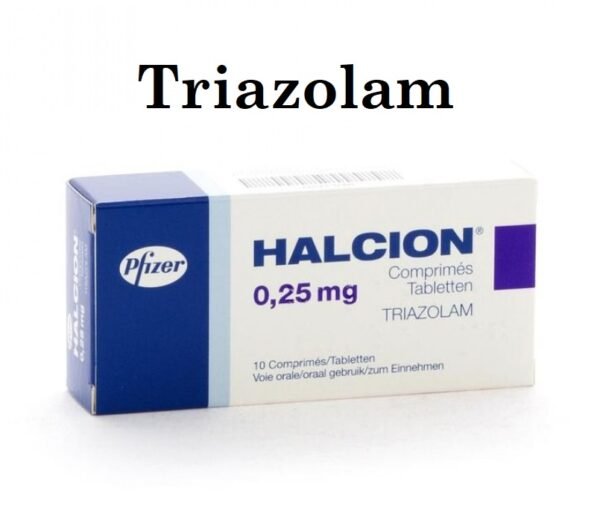
Triazolam (Halcion) is a benzodiazepine drug that is primarily used in the short-term treatment of patients who have difficulty falling asleep. It has a duration of action of about 6 to 7 hours similar to lorazepam (ativan) and should be taken at night.
Triazolam Uses:
-
Insomnia:
- Used for short-term (generally 7 to 10 days) treatment of insomnia
-
Off Label Use of Triazolam in Adults:
- Used for oral sedation before outpatient dental procedures
Triazolam Dose in Adults
Triazolam Dose in the short-term treatment of Insomnia:
- Usual dose: 0.25 mg HS; 0.125 mg HS may be sufficient in some patients, like those with low BMI; max dose is 0.5 mg per 24 hours
Triazolam Dose in the treatment of Dental pre-procedure oral sedation (off-label):
- 25 mg given 60mins prior to procedure; use 0.125 mg in elderly patients or patients sensitive to sedative effects
Triazolam Dose in Childrens
Triazolam Dose in the short-term treatment of Insomnia:
-
Adolescents ≥18 years:
- Oral: 0.125 to 0.25 mg HS; in some patients, adequate effects may be achieved by 0.125 mg HS like those with low BMI; maximum daily dose: 0.5 mg per 24 hours.
Pregnancy Risk Factor X
- A case report shows that Triazolam can cross into the placenta in cases of maternal overdose.
- Some benzodiazepines can have sedative effects.
- Premature births and low birth weight may be more common if the mother uses benzodiazepines; late-term exposure may lead to hypoglycemia in the neonate and other respiratory problems.
- Neonatal withdrawal symptoms may occur within days or weeks of birth due to the use of benzodiazepine. Also, "floppy infant syndrome" may also be a possibility.
- Triazolam should not be used in pregnancy.
Use while breastfeeding
- Although data for triazolam are not available, it is expected that all benzodiazepines will be secreted into breast milk.
- Some benzodiazepines can cause sleepiness, lethargy, and weight loss in nursing infants if they are taken by their mothers.
- The manufacturer doesn't recommend breastfeeding during therapy.
Dose in Kidney Disease:
No dosage adjustments have been provided in the manufacturer’s labeling; use cautiously.
Dose in Liver disease:
No dosage adjustments have been provided in the manufacturer’s labeling; use cautiously.
Common Side Effects of Triazolam:
-
Central nervous system:
- Drowsiness
Less Common Side Effects of Triazolam:
-
Central Nervous System:
- Headache
- Dizziness
- Ataxia
- Nervousness
-
Gastrointestinal:
- Nausea
- Vomiting
Contraindications to Triazolam:
- Hypersensitivity to triazolam, other prescription benzodiazepines or any component of the formulation
- Concurrent use of cytochrome P450 3A inhibitors (CYP 3A), including itraconazole and ketoconazole, nefazodone and many HIV protease inhibitors
- Pregnancy
Warnings and precautions
- Anterograde amnesia
- It is possible to experience anterograde amnesia.
- Depression in the CNS:
- CNS depression can cause impairment of mental or physical abilities. Patients should be cautious about driving or operating machinery that requires mental alertness.
- Hypersensitivity reactions
- Triazolam can cause anaphylaxis or angioedema. Triazolam should not be re-used in patients with angioedema.
- Paradoxical reactions
- Use of benzodiazepines may lead to paradoxical reactions such as hyperactive or aggressive behavior.
- Patients at higher risk include:
- Adolescent/pediatric patients
- Geriatric patients
- Patients with a history or alcohol abuse disorder
- Psychiatric/personality disorders
- Activities that are sleep-related:
- The use of benzodiazepines can cause dangerous sleep-related activities, such as driving, cooking, eating, and calling while you're asleep.
- Depression
- Patients with depression or suicidal risk should be used cautiously. It is possible to reduce the risk by prescribing as little medication as possible for suicidal patients.
- Use of drugs:
- Avoid using if you have a history or are suffering from acute alcoholism.
- This could lead to drug dependence. Tolerance, psychological and/or physical dependence may result from prolonged use.
- Hepatic impairment
- Avoid use in patients with hepatic impairment because the drug has a high hepatic metabolism.
- Renal impairment
- Be careful.
- Respiratory disease
- Avoid use in cases of COPD, respiratory compromise, and sleep apnea.
Triazolam: Drug Interaction
|
Alcohol (Ethyl) |
CNS Depressants may enhance the CNS depressant effect of Alcohol (Ethyl). |
|
Alizapride |
May enhance the CNS depressant effect of CNS Depressants. |
|
Aprepitant |
May increase the serum concentration of CYP3A4 Substrates (High risk with Inhibitors). |
|
Bosentan |
May decrease the serum concentration of CYP3A4 Substrates (High risk with Inducers). |
|
Brexanolone |
CNS Depressants may enhance the CNS depressant effect of Brexanolone. |
|
Brimonidine (Topical) |
May enhance the CNS depressant effect of CNS Depressants. |
|
Bromopride |
May enhance the CNS depressant effect of CNS Depressants. |
|
Cannabidiol |
May enhance the CNS depressant effect of CNS Depressants. |
|
Cannabis |
May enhance the CNS depressant effect of CNS Depressants. |
|
Chlorphenesin Carbamate |
May enhance the adverse/toxic effect of CNS Depressants. |
|
Clofazimine |
May increase the serum concentration of CYP3A4 Substrates (High risk with Inhibitors). |
|
CNS Depressants |
May enhance the adverse/toxic effect of other CNS Depressants. |
|
CYP3A4 Inducers (Moderate) |
May decrease the serum concentration of CYP3A4 Substrates (High risk with Inducers). |
|
CYP3A4 Inhibitors (Moderate) |
May decrease the metabolism of CYP3A4 Substrates (High risk with Inhibitors). |
|
Deferasirox |
May decrease the serum concentration of CYP3A4 Substrates (High risk with Inducers). |
|
Dexamethasone (Systemic) |
May decrease the serum concentration of Triazolam. |
|
Dimethindene (Topical) |
May enhance the CNS depressant effect of CNS Depressants. |
|
Doxylamine |
May enhance the CNS depressant effect of CNS Depressants. Management: The manufacturer of Diclegis (doxylamine/pyridoxine), intended for use in pregnancy, specifically states that use with other CNS depressants is not recommended. |
|
Dronabinol |
May enhance the CNS depressant effect of CNS Depressants. |
|
Duvelisib |
May increase the serum concentration of CYP3A4 Substrates (High risk with Inhibitors). |
|
Erdafitinib |
May decrease the serum concentration of CYP3A4 Substrates (High risk with Inducers). |
|
Erdafitinib |
May increase the serum concentration of CYP3A4 Substrates (High risk with Inhibitors). |
|
Esketamine |
May enhance the CNS depressant effect of CNS Depressants. |
|
Fosaprepitant |
May increase the serum concentration of CYP3A4 Substrates (High risk with Inhibitors). |
|
Fosnetupitant |
May increase the serum concentration of CYP3A4 Substrates (High risk with Inhibitors). |
|
HydrOXYzine |
May enhance the CNS depressant effect of CNS Depressants. |
|
Ivosidenib |
May decrease the serum concentration of CYP3A4 Substrates (High risk with Inducers). |
|
Kava Kava |
May enhance the adverse/toxic effect of CNS Depressants. |
|
Larotrectinib |
May increase the serum concentration of CYP3A4 Substrates (High risk with Inhibitors). |
|
Lofexidine |
May enhance the CNS depressant effect of CNS Depressants. Management: Drugs listed as exceptions to this monograph are discussed in further detail in separate drug interaction monographs. |
|
Magnesium Sulfate |
May enhance the CNS depressant effect of CNS Depressants. |
|
Melatonin |
May enhance the sedative effect of Benzodiazepines. |
|
MetyroSINE |
CNS Depressants may enhance the sedative effect of MetyroSINE. |
|
Minocycline |
May enhance the CNS depressant effect of CNS Depressants. |
|
Mirtazapine |
CNS Depressants may enhance the CNS depressant effect of Mirtazapine. |
|
Nabilone |
May enhance the CNS depressant effect of CNS Depressants. |
|
Netupitant |
May increase the serum concentration of CYP3A4 Substrates (High risk with Inhibitors). |
|
Palbociclib |
May increase the serum concentration of CYP3A4 Substrates (High risk with Inhibitors). |
|
Piribedil |
CNS Depressants may enhance the CNS depressant effect of Piribedil. |
|
Pramipexole |
CNS Depressants may enhance the sedative effect of Pramipexole. |
|
ROPINIRole |
CNS Depressants may enhance the sedative effect of ROPINIRole. |
|
Rotigotine |
CNS Depressants may enhance the sedative effect of Rotigotine. |
|
Rufinamide |
May enhance the adverse/toxic effect of CNS Depressants. Specifically, sleepiness and dizziness may be enhanced. |
|
Sarilumab |
May decrease the serum concentration of CYP3A4 Substrates (High risk with Inducers). |
|
Selective Serotonin Reuptake Inhibitors |
CNS Depressants may enhance the adverse/toxic effect of Selective Serotonin Reuptake Inhibitors. Specifically, the risk of psychomotor impairment may be enhanced. |
|
Siltuximab |
May decrease the serum concentration of CYP3A4 Substrates (High risk with Inducers). |
|
Simeprevir |
May increase the serum concentration of Triazolam. |
|
Teduglutide |
May increase the serum concentration of Benzodiazepines. |
|
Tetrahydrocannabinol |
May enhance the CNS depressant effect of CNS Depressants. |
|
Tetrahydrocannabinol and Cannabidiol |
May enhance the CNS depressant effect of CNS Depressants. |
|
Tocilizumab |
May decrease the serum concentration of CYP3A4 Substrates (High risk with Inducers). |
|
Trimeprazine |
May enhance the CNS depressant effect of CNS Depressants. |
|
Yohimbine |
May diminish the therapeutic effect of Antianxiety Agents. |
|
Risk Factor D (Consider therapy modification) |
|
|
Blonanserin |
CNS Depressants may enhance the CNS depressant effect of Blonanserin. |
|
Buprenorphine |
|
|
Chlormethiazole |
May enhance the CNS depressant effect of CNS Depressants. Management: Monitor closely for evidence of excessive CNS depression. The chlormethiazole labeling states that an appropriately reduced dose should be used if such a combination must be used. |
|
CloZAPine |
Benzodiazepines may enhance the adverse/toxic effect of CloZAPine. Management: Consider decreasing the dose of (or possibly discontinuing) benzodiazepines prior to initiating clozapine. |
|
CYP3A4 Inducers (Strong) |
May increase the metabolism of CYP3A4 Substrates (High risk with Inducers). Management: Consider an alternative for one of the interacting drugs. Some combinations may be specifically contraindicated. Consult appropriate manufacturer labeling. |
|
Dabrafenib |
May decrease the serum concentration of CYP3A4 Substrates (High risk with Inducers). Management: Seek alternatives to the CYP3A4 substrate when possible. If concomitant therapy cannot be avoided, monitor clinical effects of the substrate closely (particularly therapeutic effects). |
|
Droperidol |
May enhance the CNS depressant effect of CNS Depressants. Management: Consider dose reductions of droperidol or of other CNS agents (eg, opioids, barbiturates) with concomitant use. Exceptions to this monograph are discussed in further detail in separate drug interaction monographs. |
|
Enzalutamide |
May decrease the serum concentration of CYP3A4 Substrates (High risk with Inducers). Management: Concurrent use of enzalutamide with CYP3A4 substrates that have a narrow therapeutic index should be avoided. Use of enzalutamide and any other CYP3A4 substrate should be performed with caution and close monitoring. |
|
Erythromycin (Systemic) |
May increase the serum concentration of Triazolam. Management: Consider alternatives to the combination of triazolam and erythromycin. If combined, use extra caution and closer monitoring for excessive triazolam effects. Reduced triazolam doses may be necessary. |
|
Flunitrazepam |
CNS Depressants may enhance the CNS depressant effect of Flunitrazepam. |
|
HYDROcodone |
CNS Depressants may enhance the CNS depressant effect of HYDROcodone. Management: Avoid concomitant use of hydrocodone and benzodiazepines or other CNS depressants when possible. These agents should only be combined if alternative treatment options are inadequate. If combined, limit the dosages and duration of each drug. |
|
Lorlatinib |
May decrease the serum concentration of CYP3A4 Substrates (High risk with Inducers). Management: Avoid concurrent use of lorlatinib with any CYP3A4 substrates for which a minimal decrease in serum concentrations of the CYP3A4 substrate could lead to therapeutic failure and serious clinical consequences. |
|
Methadone |
Benzodiazepines may enhance the CNS depressant effect of Methadone. Management: Clinicians should generally avoid concurrent use of methadone and benzodiazepines when possible; any combined use should be undertaken with extra caution. |
|
Methotrimeprazine |
CNS Depressants may enhance the CNS depressant effect of Methotrimeprazine. Methotrimeprazine may enhance the CNS depressant effect of CNS Depressants. Management: Reduce adult dose of CNS depressant agents by 50% with initiation of concomitant methotrimeprazine therapy. Further CNS depressant dosage adjustments should be initiated only after clinically effective methotrimeprazine dose is established. |
|
Mitotane |
May decrease the serum concentration of CYP3A4 Substrates (High risk with Inducers). Management: Doses of CYP3A4 substrates may need to be adjusted substantially when used in patients being treated with mitotane. |
|
Opioid Agonists |
CNS Depressants may enhance the CNS depressant effect of Opioid Agonists. Management: Avoid concomitant use of opioid agonists and benzodiazepines or other CNS depressants when possible. These agents should only be combined if alternative treatment options are inadequate. If combined, limit the dosages and duration of each drug. |
|
OxyCODONE |
CNS Depressants may enhance the CNS depressant effect of OxyCODONE. Management: Avoid concomitant use of oxycodone and benzodiazepines or other CNS depressants when possible. These agents should only be combined if alternative treatment options are inadequate. If combined, limit the dosages and duration of each drug. |
|
Perampanel |
May enhance the CNS depressant effect of CNS Depressants. Management: Patients taking perampanel with any other drug that has CNS depressant activities should avoid complex and high-risk activities, particularly those such as driving that require alertness and coordination, until they have experience using the combination. |
|
St John's Wort |
May decrease the serum concentration of CYP3A4 Substrates (High risk with Inducers). Management: Consider an alternative for one of the interacting drugs. Some combinations may be specifically contraindicated. Consult appropriate manufacturer labeling. |
|
Stiripentol |
May increase the serum concentration of CYP3A4 Substrates (High risk with Inhibitors). Management: Use of stiripentol with CYP3A4 substrates that are considered to have a narrow therapeutic index should be avoided due to the increased risk for adverse effects and toxicity. Any CYP3A4 substrate used with stiripentol requires closer monitoring. |
|
Suvorexant |
CNS Depressants may enhance the CNS depressant effect of Suvorexant. Management: Dose reduction of suvorexant and/or any other CNS depressant may be necessary. Use of suvorexant with alcohol is not recommended, and the use of suvorexant with any other drug to treat insomnia is not recommended. |
|
Tapentadol |
May enhance the CNS depressant effect of CNS Depressants. Management: Avoid concomitant use of tapentadol and benzodiazepines or other CNS depressants when possible. These agents should only be combined if alternative treatment options are inadequate. If combined, limit the dosages and duration of each drug. |
|
Theophylline Derivatives |
May diminish the therapeutic effect of Benzodiazepines. |
|
Zolpidem |
CNS Depressants may enhance the CNS depressant effect of Zolpidem. Management: Reduce the Intermezzo brand sublingual zolpidem adult dose to 1.75 mg for men who are also receiving other CNS depressants. No such dose change is recommended for women. Avoid use with other CNS depressants at bedtime; avoid use with alcohol. |
|
Risk Factor X (Avoid combination) |
|
|
Azelastine (Nasal) |
CNS Depressants may enhance the CNS depressant effect of Azelastine (Nasal). |
|
Bromperidol |
May enhance the CNS depressant effect of CNS Depressants. |
|
Conivaptan |
May increase the serum concentration of CYP3A4 Substrates (High risk with Inhibitors). |
|
CYP3A4 Inhibitors (Strong) |
May increase the serum concentration of Triazolam. |
|
Fusidic Acid (Systemic) |
May increase the serum concentration of CYP3A4 Substrates (High risk with Inhibitors). |
|
Idelalisib |
May increase the serum concentration of CYP3A4 Substrates (High risk with Inhibitors). |
|
OLANZapine |
May enhance the adverse/toxic effect of Benzodiazepines. Management: Avoid concomitant use of parenteral benzodiazepines and IM olanzapine due to risks of additive adverse events (e.g., cardiorespiratory depression). Olanzapine prescribing information provides no specific recommendations regarding oral administration. |
|
Orphenadrine |
CNS Depressants may enhance the CNS depressant effect of Orphenadrine. |
|
Oxomemazine |
May enhance the CNS depressant effect of CNS Depressants. |
|
Paraldehyde |
CNS Depressants may enhance the CNS depressant effect of Paraldehyde. |
|
Sodium Oxybate |
Benzodiazepines may enhance the CNS depressant effect of Sodium Oxybate. |
|
Thalidomide |
CNS Depressants may enhance the CNS depressant effect of Thalidomide. |
Monitoring parameters:
- Daytime alertness
- Respiratory rate
- Behavior profile
How to administer Triazolam?
- Should be given on an empty stomach; not to be taken with a meal or immediately post-meal.
- May crush or swallow tablet as a whole. Take immediately before bedtime. The drug has rapid onset of action.
Mechanism of action of Triazolam:
- It binds to stereospecific benzodiazepine receptors on the postsynaptic GABA neuron at several sites within the CNS, including the limbic system and reticular formation.
- Increased neuronal membrane permeability to chloride ions results in enhancement of the inhibitory effect of GABA on neuronal excitability.
- Hyperpolarization (a less excitable state) and stabilization occur as a result of a shift in chloride ions. Benzodiazepine receptors and effects appear to be linked to the GABA-A receptors. there is no binding of benzodiazepines to GABA-B receptors.
The onset of action: Hypnotic: 15 to 30 minutes
Duration of action: Hypnotic: 6 to 7 hours
Protein binding: High protein binding i.e 89%
Metabolism: Extensively in liver
Half-life elimination: Half-life is 1.5 to 5.5 hours
Time to peak: Within 2 hours after oral administration
Excretion:
- Excreted in urine almost 80% as metabolites and small amounts as unchanged drug.
International Brands of Triazolam:
- Halcion
- Arring
- Balidon
- Drowsy
- Halcion
- Hanlexin
- Hypam
- Inzolam
- Novidorm
- Nuctane
- Rilamir
- Somese
- Songar
- Trialam
- Triram
- Trycam
- Zolmin
Triazolam Brand Names in Pakistan:
Triazolam 250 mcg Tablets |
|
| Halcion | Pfizer Laboratories Ltd. |
.png)


