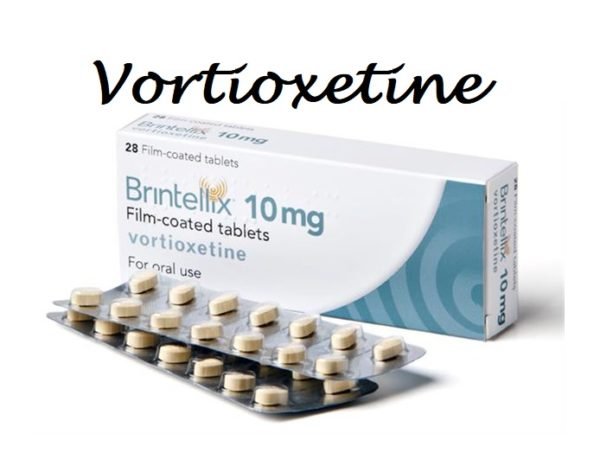
Vortioxetine (Trintellix) is an antidepressant medicine that has almost similar efficacy as the other antidepressants. It is recommended in patients who have failed treatment with two antidepressants in the past.
-
It is used to treat patients with major depressive disorder.
Vortioxetine (Trintellix) Dose in Adults
Vortioxetine (Trintellix) Dosage used in the treatment of major depressive disorder:
- Initially 10 mg orally once daily is given
- It is then increased to 20 mg once daily as tolerated
- 5 mg once daily is given for patients who do not tolerate higher doses.
- The maintenance dose is 5 to 20 mg once daily.
-
Dosage adjustment done for CYP2D6 poor metabolizers:
- Maximum dose is 10 mg/day.
-
Dosage adjustment done for concomitant therapy with strong CYP2D6 inhibitors:
- Reduce total daily dose by 50 % when a strong CYP2D6 inhibitor (eg, quinidine, bupropion, fluoxetine, paroxetine) is also given.
- Increase the dose to original level if the CYP2D6 inhibitor is stopped.
-
Dosage adjustment is done for concomitant therapy with strong CYP inducers:
- Increase the dose when a strong CYP inducer (eg, phenytoin, rifampin, carbamazepine) is coadministered for more than 14 days.
- The maximum dose is not exceeded three times the original dose.
- Dosage is reduced to the original level within 2 weeks of stopping the CYP inducer.
-
Discontinuing therapy:
- When stopping antidepressant treatment that has lasted for more than 3 weeks, gradually lower the dose (eg, over 2 to 4 weeks) to minimize withdrawal symptoms and to detect reemerging symptoms.
- Slower titration (eg, over 1 month) is done in cases which include the use of a drug with a half-life less than 24 hours (eg, paroxetine, venlafaxine), previous history of antidepressant withdrawal symptoms, or high doses of antidepressants.
- If intolerable withdrawal symptoms take place, then restart the previously prescribed dose and/or lower dose at a more gradual rate.
- Some patients like those with a history of discontinuation syndrome who are on long-term treatment (>6 months) mainly benefit from tapering over >3 months.
- Vortioxetine doses of 15 mg once a day or more are to be decreased to 10 mg once daily for one week before fully stopping to prevent withdrawal symptoms.
MAO inhibitor recommendations:
-
Switching from or to an MAO inhibitor intended to treat psychiatric disorders:
- Allow 2 weeks to elapse between discontinuing an MAO inhibitor intended to treat psychiatric disorders and starting vortioxetine.
- Allow 3 weeks to elapse between discontinuing vortioxetine and initiation of an MAO inhibitor used to treat psychiatric disorders.
Use in Children:
Not recommended for use in children.
Vortioxetine (Trintellix) Pregnancy Risk Category: B3
- The newborn may experience non-teratogenic effects from SSRI/SNRI late in the third trimester.
- These include respiratory distress, cyanosis and seizures, temperature instability. vomiting. hypoglycemia. Hypo- or hypertonia. Hyperreflexia. Tremor, jitteriness. irritability.
- Symptoms may be caused by toxicity of SSRIs/SNRIs, or a discontinuation syndrome. This could be consistent with serotonin disorder due to SSRI treatment.
- SSRIs have also been shown to cause persistent pulmonary hypertension in newborns.
- ACOG recommends that therapy during pregnancy with SSRIs and SNRIs be individualized
- The primary physician, the pediatrician and the mental health specialist should all be consulted for treatment of depression in pregnancy.
- The benefits of medication treatment should be weighed against the other options for treatment and untreated depression.
- Women who have stopped taking antidepressant medication during pregnancy are at risk of postpartum depression. The medications can be restarted after delivery.
Use of vortioxetine while breastfeeding
- It is unknown if vortioxetine can be found in breast milk.
- When deciding whether to breastfeed during treatment, you should consider the risks to infants, the benefits to the mother, and the benefits to the mother.
Dose in Renal Disease:
- No dosage adjustment required.
Dose in Liver disease:
- No dosage adjustment required.
Common Side Effects of Vortioxetine (trintellix):
-
Central Nervous System:
- Female Sexual Disorder
- Male Sexual Disorder
-
Gastrointestinal:
- Nausea
Less Common Side Effects of Vortioxetine (Trintellix):
-
Central Nervous System:
- Dizziness
- Abnormal Dreams
-
Dermatologic:
- Pruritus
-
Gastrointestinal:
- Diarrhea
- Xerostomia
- Constipation
- Vomiting
- Flatulence
Contraindications to Vortioxetine (Trintellix):
- Hypersensitivity to vortioxetine, or any component of the formulation (eg. angioedema).
- Use of an MAO inhibitor concurrently to treat psychiatric disorders. This can be done within 3 weeks after discontinuing vortioxetine, or within 2 weeks.
- Start vortioxetine for patients who have received intravenous methyleneblue or linezolid.
Warnings and precautions
- Bleeding Risk:
- It can cause platelet aggregation to be impaired, which could increase the risk of bleeding events, particularly if taken with warfarin, aspirin, NSAIDs or other anticoagulants.
- Antidepressant use can cause bleeding that ranges from minor bruising and epistaxis, to life-threatening hemorhage.
- Depression in the CNS:
- It can lead to CNS depression, which can impair mental or physical abilities.
- It is important to warn patients about tasks that require mental alertness.
- Fractures
- Antidepressant treatment has been shown to reduce bone fractures.
- If an antidepressant-treated person experiences unexplained bone pain or tenderness, swelling, or bruising, there is a possibility of a fragility injury.
- Ocular effects
- It can cause mild pupillary dilation, which can result in an episode of narrow angle glaucoma in those who are susceptible.
- You should monitor patients who have not undergone an iridectomy to reduce narrow-angle glaucoma risks.
- Serotonin syndrome
- Serotonergic antidepressants such as SSRIs and SNRIs can be used to treat potentially life-threatening serotonin Syndrome (SS).
- This is especially true when it is combined with other serotonergic drugs (eg TCAs and fentanyls, lithium, triptans or tramadols, buspirones, St John's worts, tryptophan, tramadol, tramadol, tramadol, tramadol, triptans, buspirones, buspirones, tryptophan, TCAs) or agents that alter the metabolism of serotonin [iemethylene blue intravenous methylene]
- Examine patients carefully for signs of serotonin Syndrome such as:
- Mental status changes (eg: agitation, hallucinations and coma),
- Autonomic instability (eg diaphoresis or tachycardia or labile blood pressure).
- Neuromuscular changes (eg, tremors, rigidity, myoclonus, etc.)
- GI symptoms (eg nausea, diarrhea, vomiting).
- Seizure
- If you notice any signs or symptoms, stop taking any serotonergic agents immediately.
- SIADH and Hyponatremia
- SIADH is often associated with serotonergic drugs
- Hyponatremia was seen in severe cases (e.g., with serum sodium of less than 110 mg/L).
- Volume depletion and simultaneous use of diuretics can increase the risk for seniors.
- Patients with hyponatremia symptomatic should be stopped.
- Hypomania and mania:
- Patients at high risk of developing bipolar disorder may experience a mixed/manic episode.
- Patients with a family history or bipolar disorder, hypomania, or mania should be cautious.
- Bipolar disorder should be considered for patients who have depressive symptoms.
- The FDA has not approved Vortioxetine for treatment of bipolar disorder.
- Seizure disorders
- Patients with seizure disorders, a history of seizure disorder or other conditions that can cause seizures should be cautious.
- Patients without any history of seizures have reported experiencing seizures.
Vortioxetine: Drug Interaction
|
Agents with Antiplatelet Properties (e.g., P2Y12 inhibitors, NSAIDs, SSRIs, etc.) |
May enhance the antiplatelet effect of other Agents with Antiplatelet Properties. |
|
Ajmaline |
May increase the serum concentration of CYP2D6 Substrates (High risk with Inhibitors). |
|
Anticoagulants |
Agents with Antiplatelet Properties may enhance the anticoagulant effect of Anticoagulants. Exceptions: Bemiparin; Enoxaparin; Heparin. |
|
Antiemetics (5HT3 Antagonists) |
May enhance the serotonergic effect of Serotonin Modulators. This could result in serotonin syndrome. |
|
Antipsychotic Agents |
Serotonin Modulators may enhance the adverse/toxic effect of Antipsychotic Agents. Specifically, serotonin modulators may enhance dopamine blockade, possibly increasing the risk for neuroleptic malignant syndrome. Antipsychotic Agents may enhance the serotonergic effect of Serotonin Modulators. This could result in serotonin syndrome. |
|
Apixaban |
Agents with Antiplatelet Properties may enhance the adverse/toxic effect of Apixaban. Specifically, the risk for bleeding may be increased. Management: Carefully consider risks and benefits of this combination and monitor closely. |
|
Aspirin |
Selective Serotonin Reuptake Inhibitors may enhance the antiplatelet effect of Aspirin. |
|
Beta-Blockers |
Selective Serotonin Reuptake Inhibitors may increase the serum concentration of Beta-Blockers. Exceptions: Acebutolol; Atenolol; Betaxolol (Ophthalmic); Betaxolol (Systemic); Bisoprolol; Carteolol (Ophthalmic); Esmolol; Labetalol; Levobunolol; Metipranolol; Nadolol; Sotalol. |
|
Blood Glucose Lowering Agents |
Selective Serotonin Reuptake Inhibitors may enhance the hypoglycemic effect of Blood Glucose Lowering Agents. |
|
Bosentan |
May decrease the serum concentration of CYP3A4 Substrates (High risk with Inducers). |
|
Brexanolone |
Selective Serotonin Reuptake Inhibitors may enhance the CNS depressant effect of Brexanolone. |
|
Cephalothin |
|
|
CloBAZam |
May increase the serum concentration of CYP2D6 Substrates (High risk with Inhibitors). |
|
CNS Depressants |
May enhance the adverse/toxic effect of Selective Serotonin Reuptake Inhibitors. Specifically, the risk of psychomotor impairment may be enhanced. |
|
Cobicistat |
May increase the serum concentration of CYP2D6 Substrates (High risk with Inhibitors). |
|
Collagenase (Systemic) |
Agents with Antiplatelet Properties may enhance the adverse/toxic effect of Collagenase (Systemic). Specifically, the risk of injection site bruising and/or bleeding may be increased. |
|
CYP2D6 Inhibitors (Moderate) |
May decrease the metabolism of CYP2D6 Substrates (High risk with Inhibitors). |
|
CYP3A4 Inducers (Moderate) |
May decrease the serum concentration of CYP3A4 Substrates (High risk with Inducers). |
|
Cyproheptadine |
May diminish the therapeutic effect of Selective Serotonin Reuptake Inhibitors. |
|
Dabigatran Etexilate |
Agents with Antiplatelet Properties may enhance the anticoagulant effect of Dabigatran Etexilate. Agents with Antiplatelet Properties may increase the serum concentration of Dabigatran Etexilate. This mechanism applies specifically to clopidogrel. Management: Carefully consider risks and benefits of this combination and monitor closely; Canadian labeling recommends avoiding prasugrel or ticagrelor. |
|
Darunavir |
May increase the serum concentration of CYP2D6 Substrates (High risk with Inhibitors). |
|
Dasatinib |
May enhance the anticoagulant effect of Agents with Antiplatelet Properties. Management: Drugs listed as exceptions to this monograph are discussed in further detail in separate drug interaction monographs. |
|
Deferasirox |
May decrease the serum concentration of CYP3A4 Substrates (High risk with Inducers). |
|
Deoxycholic Acid |
Agents with Antiplatelet Properties may enhance the adverse/toxic effect of Deoxycholic Acid. Specifically, the risk for bleeding or bruising in the treatment area may be increased. |
|
Desmopressin |
Selective Serotonin Reuptake Inhibitors may enhance the adverse/toxic effect of Desmopressin. |
|
Edoxaban |
Agents with Antiplatelet Properties may enhance the adverse/toxic effect of Edoxaban. Specifically, the risk of bleeding may be increased. |
|
Erdafitinib |
May decrease the serum concentration of CYP3A4 Substrates (High risk with Inducers). |
|
Fat Emulsion (Fish Oil Based) |
May enhance the adverse/toxic effect of Agents with Antiplatelet Properties. |
|
Glucosamine |
May enhance the antiplatelet effect of Agents with Antiplatelet Properties. |
|
Ibritumomab Tiuxetan |
Agents with Antiplatelet Properties may enhance the adverse/toxic effect of Ibritumomab Tiuxetan. Both agents may contribute to impaired platelet function and an increased risk of bleeding. |
|
Ibrutinib |
May enhance the adverse/toxic effect of Agents with Antiplatelet Properties. |
|
Imatinib |
May increase the serum concentration of CYP2D6 Substrates (High risk with Inhibitors). |
|
Inotersen |
May enhance the antiplatelet effect of Agents with Antiplatelet Properties. |
|
Ioflupane I 123 |
Selective Serotonin Reuptake Inhibitors may diminish the diagnostic effect of Ioflupane I 123. |
|
Ivosidenib |
May decrease the serum concentration of CYP3A4 Substrates (High risk with Inducers). |
|
Limaprost |
May enhance the antiplatelet effect of Agents with Antiplatelet Properties. |
|
Lumefantrine |
May increase the serum concentration of CYP2D6 Substrates (High risk with Inhibitors). |
|
Metaxalone |
May enhance the serotonergic effect of Serotonin Modulators. This could result in serotonin syndrome. |
|
Methylphenidate |
May enhance the adverse/toxic effect of Serotonin Modulators. Specifically, the risk of serotonin syndrome or serotonin toxicity may be increased. |
|
MetyroSINE |
May enhance the adverse/toxic effect of Selective Serotonin Reuptake Inhibitors. |
|
Multivitamins/Fluoride (with ADE) |
May enhance the antiplatelet effect of Agents with Antiplatelet Properties. |
|
Multivitamins/Minerals (with ADEK, Folate, Iron) |
May enhance the antiplatelet effect of Agents with Antiplatelet Properties. |
|
Multivitamins/Minerals (with AE, No Iron) |
May enhance the antiplatelet effect of Agents with Antiplatelet Properties. |
|
Nonsteroidal Anti-Inflammatory Agents (COX-2 Selective) |
Selective Serotonin Reuptake Inhibitors may enhance the antiplatelet effect of Nonsteroidal Anti-Inflammatory Agents (COX-2 Selective). Nonsteroidal Anti-Inflammatory Agents (COX-2 Selective) may diminish the therapeutic effect of Selective Serotonin Reuptake Inhibitors. |
|
Nonsteroidal Anti-Inflammatory Agents (Topical) |
May enhance the antiplatelet effect of Selective Serotonin Reuptake Inhibitors. |
|
Obinutuzumab |
Agents with Antiplatelet Properties may enhance the adverse/toxic effect of Obinutuzumab. Specifically, the risk of serious bleeding-related events may be increased. |
|
Omega-3 Fatty Acids |
May enhance the antiplatelet effect of Agents with Antiplatelet Properties. |
|
Opioid Agonists |
May enhance the serotonergic effect of Serotonin Modulators. This could result in serotonin syndrome. |
|
Panobinostat |
May increase the serum concentration of CYP2D6 Substrates (High risk with Inhibitors). |
|
Peginterferon Alfa-2b |
May decrease the serum concentration of CYP2D6 Substrates (High risk with Inhibitors). Peginterferon Alfa-2b may increase the serum concentration of CYP2D6 Substrates (High risk with Inhibitors). |
|
Pentosan Polysulfate Sodium |
May enhance the adverse/toxic effect of Agents with Antiplatelet Properties. Specifically, the risk of bleeding may be increased by concurrent use of these agents. |
|
Pentoxifylline |
May enhance the antiplatelet effect of Agents with Antiplatelet Properties. |
|
Perhexiline |
CYP2D6 Substrates (High risk with Inhibitors) may increase the serum concentration of Perhexiline. Perhexiline may increase the serum concentration of CYP2D6 Substrates (High risk with Inhibitors). |
|
Prostacyclin Analogues |
May enhance the antiplatelet effect of Agents with Antiplatelet Properties. |
|
QuiNINE |
May increase the serum concentration of CYP2D6 Substrates (High risk with Inhibitors). |
|
RisperiDONE |
Selective Serotonin Reuptake Inhibitors may decrease the metabolism of RisperiDONE. |
|
Rivaroxaban |
Agents with Antiplatelet Properties may enhance the anticoagulant effect of Rivaroxaban. Management: Carefully consider risks and benefits of this combination and monitor closely; Canadian labeling recommends avoiding prasugrel or ticagrelor. |
|
Salicylates |
Agents with Antiplatelet Properties may enhance the adverse/toxic effect of Salicylates. Increased risk of bleeding may result. |
|
Sarilumab |
May decrease the serum concentration of CYP3A4 Substrates (High risk with Inducers). |
|
Serotonin Modulators |
May enhance the adverse/toxic effect of other Serotonin Modulators. The development of serotonin syndrome may occur. Exceptions: Nicergoline; Tedizolid. |
|
Siltuximab |
May decrease the serum concentration of CYP3A4 Substrates (High risk with Inducers). |
|
Tedizolid |
May enhance the serotonergic effect of Serotonin Modulators. This could result in serotonin syndrome. |
|
Thiazide and Thiazide-Like Diuretics |
Selective Serotonin Reuptake Inhibitors may enhance the hyponatremic effect of Thiazide and Thiazide-Like Diuretics. |
|
Thrombolytic Agents |
Agents with Antiplatelet Properties may enhance the anticoagulant effect of Thrombolytic Agents. |
|
Thyroid Products |
Selective Serotonin Reuptake Inhibitors may diminish the therapeutic effect of Thyroid Products. Thyroid product dose requirements may be increased. |
|
Tocilizumab |
May decrease the serum concentration of CYP3A4 Substrates (High risk with Inducers). |
|
TraMADol |
Serotonin Modulators may enhance the adverse/toxic effect of TraMADol. The risk of seizures may be increased. TraMADol may enhance the serotonergic effect of Serotonin Modulators. This could result in serotonin syndrome. |
|
Vitamin E (Systemic) |
May enhance the antiplatelet effect of Agents with Antiplatelet Properties. |
|
Vitamin K Antagonists (eg, warfarin) |
Selective Serotonin Reuptake Inhibitors may enhance the anticoagulant effect of Vitamin K Antagonists. |
|
Risk Factor D (Consider therapy modification) |
|
|
Abiraterone Acetate |
May increase the serum concentration of CYP2D6 Substrates (High risk with Inhibitors). Management: Avoid concurrent use of abiraterone with CYP2D6 substrates that have a narrow therapeutic index whenever possible. When concurrent use is not avoidable, monitor patients closely for signs/symptoms of toxicity. |
|
Alcohol (Ethyl) |
May enhance the adverse/toxic effect of Selective Serotonin Reuptake Inhibitors. Specifically, the risk of psychomotor impairment may be enhanced. Management: Patients receiving selective serotonin reuptake inhibitors should be advised to avoid alcohol. Monitor for increased psychomotor impairment in patients who consume alcohol during treatment with selective serotonin reuptake inhibitors. |
|
Asunaprevir |
May increase the serum concentration of CYP2D6 Substrates (High risk with Inhibitors). |
|
Bemiparin |
Agents with Antiplatelet Properties may enhance the anticoagulant effect of Bemiparin. Management: Avoid concomitant use of bemiparin with antiplatelet agents. If concomitant use is unavoidable, monitor closely for signs and symptoms of bleeding. |
|
BuPROPion |
|
|
BusPIRone |
May enhance the serotonergic effect of Selective Serotonin Reuptake Inhibitors. This may cause serotonin syndrome. Selective Serotonin Reuptake Inhibitors may decrease the metabolism of BusPIRone. Management: The combination of a selective serotonin reuptake inhibitor and buspirone should be undertaken with great caution. When combined treatment is clinically indicated, monitor closely for signs of serotonin toxicity/serotonin syndrome. |
|
CYP2D6 Inhibitors (Strong) |
May increase the serum concentration of Vortioxetine. Management: The vortioxetine dose should be reduced by 50% when used together with a strong CYP2D6 inhibitor. Following cessation of the strong CYP2D6 inhibitor, the vortioxetine dose should be returned to the normal level. |
|
CYP3A4 Inducers (Strong) |
May decrease the serum concentration of Vortioxetine. Management: Consider increasing the vortioxetine dose to no more than 3 times the original dose when used with a strong drug metabolism inducer for more than 14 days. The vortioxetine dose should be returned to normal within 14 days of stopping the strong inducer. |
|
Dabrafenib |
May decrease the serum concentration of CYP3A4 Substrates (High risk with Inducers). Management: Seek alternatives to the CYP3A4 substrate when possible. If concomitant therapy cannot be avoided, monitor clinical effects of the substrate closely (particularly therapeutic effects). |
|
Dacomitinib |
May increase the serum concentration of CYP2D6 Substrates (High risk with Inhibitors). Management: Avoid concurrent use of dacomitinib with CYP2D6 subtrates that have a narrow therapeutic index. |
|
Dextromethorphan |
Selective Serotonin Reuptake Inhibitors may enhance the serotonergic effect of Dextromethorphan. Selective Serotonin Reuptake Inhibitors may increase the serum concentration of Dextromethorphan. Management: Avoid the concurrent use of dextromethorphan and SSRIs, particularly fluoxetine and paroxetine, when possible. The risk for this interaction may persist for several weeks following discontinuation of fluoxetine or paroxetine. |
|
Enoxaparin |
Agents with Antiplatelet Properties may enhance the anticoagulant effect of Enoxaparin. Management: Discontinue antiplatelet agents prior to initiating enoxaparin whenever possible. If concomitant administration is unavoidable, monitor closely for signs and symptoms of bleeding. |
|
Enzalutamide |
May decrease the serum concentration of CYP3A4 Substrates (High risk with Inducers). Management: Concurrent use of enzalutamide with CYP3A4 substrates that have a narrow therapeutic index should be avoided. Use of enzalutamide and any other CYP3A4 substrate should be performed with caution and close monitoring. |
|
Gilteritinib |
May diminish the therapeutic effect of Selective Serotonin Reuptake Inhibitors. Management: Avoid use of this combination if possible. If the combination cannot be avoided, monitor closely for evidence of reduced response to the selective serotonin reuptake inhibitor. |
|
Heparin |
Agents with Antiplatelet Properties may enhance the anticoagulant effect of Heparin. Management: Decrease the dose of heparin or agents with antiplatelet properties if coadministration is required. |
|
Herbs (Anticoagulant/Antiplatelet Properties) (eg, Alfalfa, Anise, Bilberry) |
May enhance the adverse/toxic effect of Agents with Antiplatelet Properties. Bleeding may occur. Management: Avoid combination when possible. If used, monitor more closely for evidence of bleeding. Discontinue herbal products with anticoagulant or antiplatelet actions 2 weeks prior to surgical, dental, or invasive procedures. |
|
Linezolid |
May enhance the serotonergic effect of Selective Serotonin Reuptake Inhibitors. This could result in serotonin syndrome. Management: Consider alternatives to this combination whenever possible. If clinically acceptable, wait at least 2 weeks (5 weeks for fluoxetine) after SSRI discontinuation to initiate linezolid. |
|
Linezolid |
May enhance the serotonergic effect of Serotonin Modulators. This could result in serotonin syndrome. Management: Due to a risk of serotonin syndrome/serotonin toxicity, discontinue serotonin modulators 2 weeks prior to the administration of linezolid. If urgent initiation of linezolid is needed, discontinue serotonin modulators immediately and monitor closely. |
|
Lithium |
May enhance the serotonergic effect of Selective Serotonin Reuptake Inhibitors. This could increase the risk of serotonin toxicity/serotonin syndrome. Management: This combination should be undertaken with great caution. When combined treatment is clinically indicated, monitor closely for signs of serotonin toxicity/serotonin syndrome. |
|
Lorlatinib |
May decrease the serum concentration of CYP3A4 Substrates (High risk with Inducers). Management: Avoid concurrent use of lorlatinib with any CYP3A4 substrates for which a minimal decrease in serum concentrations of the CYP3A4 substrate could lead to therapeutic failure and serious clinical consequences. |
|
Metoclopramide |
May enhance the adverse/toxic effect of Selective Serotonin Reuptake Inhibitors. Management: Seek alternatives to this combination when possible. Monitor patients receiving metoclopramide with selective serotonin reuptake inhibitors for signs of extrapyramidal symptoms, neuroleptic malignant syndrome, and serotonin syndrome. |
|
Mitotane |
May decrease the serum concentration of CYP3A4 Substrates (High risk with Inducers). Management: Doses of CYP3A4 substrates may need to be adjusted substantially when used in patients being treated with mitotane. |
|
Nonsteroidal Anti-Inflammatory Agents (Nonselective) |
Selective Serotonin Reuptake Inhibitors may enhance the antiplatelet effect of Nonsteroidal Anti-Inflammatory Agents (Nonselective). Nonsteroidal Anti-Inflammatory Agents (Nonselective) may diminish the therapeutic effect of Selective Serotonin Reuptake Inhibitors. Management: Consider alternatives to NSAIDs. Monitor for evidence of bleeding and diminished antidepressant effects. It is unclear whether COX-2 selective NSAIDs reduce risk. Exceptions: Diclofenac (Topical); Ibuprofen (Topical); Piroxicam (Topical). |
|
Pitolisant |
May decrease the serum concentration of CYP3A4 Substrates (High risk with Inducers). Management: Combined use of pitolisant with a CYP3A4 substrate that has a narrow therapeutic index should be avoided. Other CYP3A4 substrates should be monitored more closely when used with pitolisant. |
|
Serotonin Reuptake Inhibitor/Antagonists |
Selective Serotonin Reuptake Inhibitors may enhance the serotonergic effect of Serotonin Reuptake Inhibitor/Antagonists. This may cause serotonin syndrome. Management: Consider alternatives, and use conservative initial dosing. Monitor patients receiving these combinations for signs/symptoms of serotonin toxicity. |
|
St John's Wort |
May decrease the serum concentration of CYP3A4 Substrates (High risk with Inducers). Management: Consider an alternative for one of the interacting drugs. Some combinations may be specifically contraindicated. Consult appropriate manufacturer labeling. |
|
Risk Factor X (Avoid combination) |
|
|
Bromopride |
May enhance the adverse/toxic effect of Selective Serotonin Reuptake Inhibitors. |
|
Dapoxetine |
May enhance the adverse/toxic effect of Serotonin Modulators. |
|
Dothiepin |
Selective Serotonin Reuptake Inhibitors may increase the serum concentration of Dothiepin. |
|
Methylene Blue |
Selective Serotonin Reuptake Inhibitors may enhance the serotonergic effect of Methylene Blue. This could result in serotonin syndrome. |
|
Methylene Blue |
May enhance the serotonergic effect of Serotonin Modulators. This could result in serotonin syndrome. |
|
Monoamine Oxidase Inhibitors |
May enhance the serotonergic effect of Selective Serotonin Reuptake Inhibitors. This may cause serotonin syndrome. While methylene blue and linezolid are expected to interact via this mechanism, management recommendations differ from other monoamine oxidase inhibitors. Refer to monographs specific to those agents for details. Exceptions: Linezolid; Methylene Blue; Tedizolid. |
|
Tryptophan |
May enhance the serotonergic effect of Selective Serotonin Reuptake Inhibitors. This may cause serotonin syndrome. |
|
Urokinase |
Agents with Antiplatelet Properties may enhance the anticoagulant effect of Urokinase. |
Monitor:
- Mental status for depression
- Suicidal ideation (particularly at the beginning of therapy or when doses are increased or decreased),
- anxiety
- mania
- social functioning
- panic attacks
- akathisia
- signs of serotonin syndrome
- hyponatremia
- Baseline hepatic function .
How to administer Vortioxetine (Trintellix)?
- Give without regard to meals.
Mechanism of action of Vortioxetine (Trintellix):
- It inhibits serotonin reuptake (5-HT3)
- It has antagonist activity at 5-HT-1D and 5-HT-1A receptors.
Distribution: V: 2600 L
Protein binding: 98%
Metabolism:
- Mainly via the hepatic route, primarily through oxidation via CYP450 enzymes, mostly CYP2D6 and subsequent glucuronic acids conjugation to an active carboxylic acid metabolite
Bioavailability75%
Eliminating half-life: Almost 66 hours
Time to reach peak: 7-11 hours
Excretion:
- By Urine (59%)
- By feces (26%).
International Brands of Vortioxetine:
- Brintellix
- Vortiocyrl
- Brintellix
- Trintellix
Vortioxetine Brand Names in Pakistan:
Brintellix
.png)