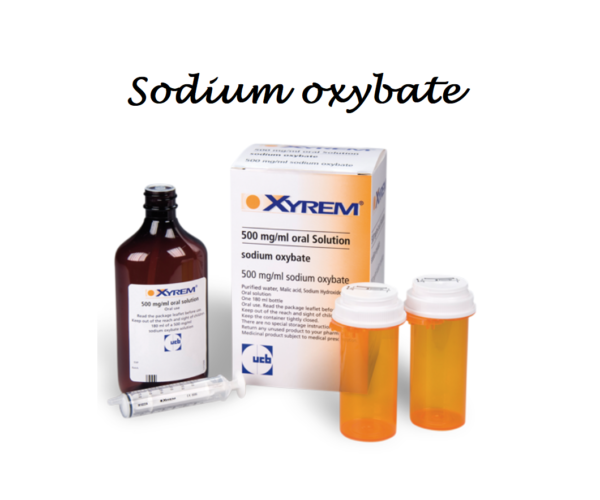
Xyrem (Sodium oxybate) is an inhibitory neurotransmitter that is used to treat patients with excessive daytime sleepiness especially when associated with sudden muscle weakness. It is also used in some parts of the world as an intravenous anesthetic for alcohol withdrawal syndrome.
Xyrem (Sodium oxybate) Uses:
-
Narcolepsy:
- It is indicated for management of cataplexy or excessive daytime sleepiness in patients ≥7 years of age with narcolepsy.
-
Limitations [Ref]:
- It should not be taken with concomitant sedative and hypnotic medicines such as opioid analgesics, benzodiazepines, sedating antidepressants, antipsychotics, sedating anti-epileptic medicines, general anesthetics, muscle relaxants, alcohol, or street drugs.
- It should also be avoided in patients with chronic lung disease because of the risk of respiratory depression.
Xyrem (Sodium oxybate) dose in adults:
Xyrem (Sodium oxybate) dose in the treatment of Narcolepsy (excessive daytime sleepiness/ cataplexy):
- Initial: 2.25 g per oral at bedtime after the patient is in bed, and 2.25 g 2.5 to 4 hours later (4.5 g per night).
- Titrate dose by 1.5 g per night (0.75 g at bedtime and 0.75 g 2.5 to 4 hours later) in weekly intervals.
- The usual effective dosage range: 6 to 9 g per night (maximum dose: 9 g per night).
Dosage adjustment for concomitant therapy:
- Dose reduction to 20% with concurrent divalproex sodium is necessary.
Missed dose:
- If the second dose is missed, therapy should be resumed by omitting the missed dose. Both doses should not be taken at the same time.
Xyrem (Sodium oxybate) dose in children:
Xyrem (Sodium oxybate) dose in the treatment of Narcolepsy (excessive daytime sleepiness/ cataplexy):
Note: Dose is given according patient weight and titrated according to the efficacy and tolerance.
-
Children ≥7 years and Adolescents:
-
Weight<20 kg:
- There is no specific dosing provided in the manufacturer's labeling.
- Lower initial dosage, lower maximum weekly dosage increases, and lower total maximum nightly dosage should be considered.
-
Weight 20 to <30 kg:
- Initial: Up to 1 g per oral at bedtime after the patient is in bed, and up to 1 g 2.5 to 4 hours later (up to 2 g per night).
- Titrate dose by 1 g per night (0.5 g at bedtime and 0.5 g 2.5 to 4 hours later) in weekly intervals
- The maximum dose is 3 g/dose or 6 g per night.
-
Weight 30 to <45 kg:
- Initial: Up to 1.5 g per oral at bedtime after the patient is in bed, and up to 1.5 g 2.5 to 4 hours later (up to 3 g per night).
- Titrate dose by 1 g per night (0.5 g at bedtime and 0.5 g 2.5 to 4 hours later) in weekly intervals
- The maximum dose is 3.75 g/dose or 7.5 g per night.
-
Weight ≥45 kg:
- Initial: Up to 2.25 g at bedtime after the patient is in bed, and up to 2.25 g 2.5 to 4 hours later (up to 4.5 g per night).
- Titrate dose by 1.5 g per night (0.75 g at bedtime and 0.75 g 2.5 to 4 hours later) in weekly intervals
- The maximum dose is 4.5 g/dose or 9 g per night.
-
Dosage adjustment for concomitant therapy:
- Same as for adults.
-
Missed dose:
- Same as for adults.
-
Pregnancy Risk Factor: C
- If the intravenous solution is administered during labor and delivery, it has been shown to cross over the placenta.
- Neonates with sleepiness had a lower Apgar score.
Use of sodium oxybate during breastfeeding
- Breast milk contains sodium oxybate, so breastfeeding should be avoided for at least 6-8 hours after the second dose.
- According to the manufacturer's instructions, the decision to continue breastfeeding while undergoing treatment is based on the risks/benefits of breastfeeding to the infant and the benefits to the mother.
Xyrem (Sodium oxybate) Dose adjustment in renal disease:
There are no dosage adjustments provided in the manufacturer's labeling.
Xyrem (Sodium oxybate) Dose adjustment in liver disease:
Reduce initial doses by 50%.
Common Side Effects of Xyrem (Sodium oxybate):
-
Central Nervous System:
- Confusion
- Headache
- Dizziness
-
Endocrine & Metabolic:
- Weight Loss
-
Gastrointestinal:
- Nausea
- Vomiting
-
Genitourinary:
- Urinary Incontinence
Uncommon Side Effects of Sodium Oxybate:
-
Cardiovascular:
- Peripheral Edema
-
Central Nervous System:
- Drowsiness
- Depression
- Somnambulism
- Anxiety
- Disturbance In Attention
- Intoxicated Feeling
- Irritability
- Pain
- Sleep Paralysis
- Disorientation
- Paresthesia
- Severe Central Nervous System Depression
-
Dermatologic:
- Hyperhidrosis
-
Gastrointestinal:
- Decreased Appetite
- Diarrhea
- Upper Abdominal Pain
-
Neuromuscular & Skeletal:
- Tremor
- Limb Pain
- Cataplexy
Rare side effects of Xyrem (Sodium Oxybate):
-
Central Nervous System:
- Central Nervous System Depression
- Obtundation
- Sleep Apnea
-
Hematologic & Oncologic:
- Oxygen Desaturation
-
Respiratory:
- Respiratory Depression
Contraindication to Xyrem (Sodium oxybate):
These include:
- Concurrent treatment with ethanol, sedatives and hypnotics
- Succinic semialdehyde-dehydrogenase insufficient
- Hypersensitivity to sodium oxygenate or any component of this formulation
Warnings and precautions
-
Depression in the central nervous system:
- It can lead to anxiety, confusion and psychosis.
- Patients with a history of depression or suicide attempts should be cautious.
- After taking the second dose of this medication, patients should refrain from performing tasks that require mental alertness for at most 6 hours.
- Concurrent CNS depressions increase the risk of respiratory depression, hypotension and excessive sedation. It is important to adjust doses or stop using one or more CNS-depressant agents (including sodium oxygenate).
-
Respiratory depression [US Boxed Warning]
- Respiratory depression can be severe with sodium oxybate. Careful monitoring is recommended.
-
Cardiovascular disease
- Patients with hypertension or heart failure should be cautious.
-
Hepatic impairment
- Patients with hepatic impairment will need to adjust their dose.
-
Renal impairment
- Patients with impaired renal function should be cautious about the high sodium content of this product.
-
Sleep-related breathing disorders
- Other risk factors for sleep disordered breathing during therapy include obesity, postmenopausal and narcoleptic.
Sodium oxybate (gamma hydroxybutyrate): Drug Interaction
|
Alizapride |
May enhance the CNS depressant effect of CNS Depressants. |
|
Brimonidine (Topical) |
May enhance the CNS depressant effect of CNS Depressants. |
|
Bromopride |
May enhance the CNS depressant effect of CNS Depressants. |
|
Cannabidiol |
May enhance the CNS depressant effect of CNS Depressants. |
|
Cannabis |
May enhance the CNS depressant effect of CNS Depressants. |
|
Chlorphenesin Carbamate |
May enhance the adverse/toxic effect of CNS Depressants. |
|
Dimethindene (Topical) |
May enhance the CNS depressant effect of CNS Depressants. |
|
Dronabinol |
May enhance the CNS depressant effect of CNS Depressants. |
|
Kava Kava |
May enhance the adverse/toxic effect of CNS Depressants. |
|
Lofexidine |
May enhance the CNS depressant effect of CNS Depressants. Management: Drugs listed as exceptions to this monograph are discussed in further detail in separate drug interaction monographs. |
|
Magnesium Sulfate |
May enhance the CNS depressant effect of CNS Depressants. |
|
MetyroSINE |
CNS Depressants may enhance the sedative effect of MetyroSINE. |
|
Minocycline |
May enhance the CNS depressant effect of CNS Depressants. |
|
Nabilone |
May enhance the CNS depressant effect of CNS Depressants. |
|
Piribedil |
CNS Depressants may enhance the CNS depressant effect of Piribedil. |
|
Pramipexole |
CNS Depressants may enhance the sedative effect of Pramipexole. |
|
ROPINIRole |
CNS Depressants may enhance the sedative effect of ROPINIRole. |
|
Rotigotine |
CNS Depressants may enhance the sedative effect of Rotigotine. |
|
Rufinamide |
May enhance the adverse/toxic effect of CNS Depressants. Specifically, sleepiness and dizziness may be enhanced. |
|
Selective Serotonin Reuptake Inhibitors |
CNS Depressants may enhance the adverse/toxic effect of Selective Serotonin Reuptake Inhibitors. Specifically, the risk of psychomotor impairment may be enhanced. |
|
Tetrahydrocannabinol |
May enhance the CNS depressant effect of CNS Depressants. |
|
Tetrahydrocannabinol and Cannabidiol |
May enhance the CNS depressant effect of CNS Depressants. |
|
Blonanserin |
CNS Depressants may enhance the CNS depressant effect of Blonanserin. |
|
Buprenorphine |
CNS Depressants may enhance the CNS depressant effect of Buprenorphine. Management: Consider reduced doses of other CNS depressants, and avoiding such drugs in patients at high risk of buprenorphine overuse/self-injection. Initiate buprenorphine at lower doses in patients already receiving CNS depressants. |
|
Chlormethiazole |
May enhance the CNS depressant effect of CNS Depressants. Management: Monitor closely for evidence of excessive CNS depression. The chlormethiazole labeling states that an appropriately reduced dose should be used if such a combination must be used. |
|
CNS Depressants |
Sodium Oxybate may enhance the CNS depressant effect of CNS Depressants. Management: Consider alternatives to combined use. When combined use is needed, consider minimizing doses of one or more drugs. Use of sodium oxybate with alcohol or sedative hypnotics is contraindicated. |
|
Droperidol |
May enhance the CNS depressant effect of CNS Depressants. Management: Consider dose reductions of droperidol or of other CNS agents (eg, opioids, barbiturates) with concomitant use. Exceptions to this monograph are discussed in further detail in separate drug interaction monographs. |
|
HYDROcodone |
CNS Depressants may enhance the CNS depressant effect of HYDROcodone. Management: Avoid concomitant use of hydrocodone and benzodiazepines or other CNS depressants when possible. These agents should only be combined if alternative treatment options are inadequate. If combined, limit the dosages and duration of each drug. |
|
Methotrimeprazine |
CNS Depressants may enhance the CNS depressant effect of Methotrimeprazine. Methotrimeprazine may enhance the CNS depressant effect of CNS Depressants. Management: Reduce adult dose of CNS depressant agents by 50% with initiation of concomitant methotrimeprazine therapy. Further CNS depressant dosage adjustments should be initiated only after clinically effective methotrimeprazine dose is established. |
|
OxyCODONE |
CNS Depressants may enhance the CNS depressant effect of OxyCODONE. Management: Avoid concomitant use of oxycodone and benzodiazepines or other CNS depressants when possible. These agents should only be combined if alternative treatment options are inadequate. If combined, limit the dosages and duration of each drug. |
|
Perampanel |
May enhance the CNS depressant effect of CNS Depressants. Management: Patients taking perampanel with any other drug that has CNS depressant activities should avoid complex and high-risk activities, particularly those such as driving that require alertness and coordination, until they have experience using the combination. |
|
Tapentadol |
May enhance the CNS depressant effect of CNS Depressants. Management: Avoid concomitant use of tapentadol and benzodiazepines or other CNS depressants when possible. These agents should only be combined if alternative treatment options are inadequate. If combined, limit the dosages and duration of each drug. |
|
Valproate Products |
May increase the serum concentration of Sodium Oxybate. Management: Consider a sodium oxybate dose reduction of at least 20% if combined with valproic acid. |
|
Alcohol (Ethyl) |
May enhance the CNS depressant effect of Sodium Oxybate. |
|
Azelastine (Nasal) |
CNS Depressants may enhance the CNS depressant effect of Azelastine (Nasal). |
|
Benzodiazepines |
May enhance the CNS depressant effect of Sodium Oxybate. |
|
Bromperidol |
May enhance the CNS depressant effect of CNS Depressants. |
|
Hypnotics (Nonbenzodiazepine) |
May enhance the CNS depressant effect of Sodium Oxybate. |
|
Orphenadrine |
CNS Depressants may enhance the CNS depressant effect of Orphenadrine. |
|
Oxomemazine |
May enhance the CNS depressant effect of CNS Depressants. |
|
Paraldehyde |
CNS Depressants may enhance the CNS depressant effect of Paraldehyde. |
|
Rilmenidine |
May enhance the CNS depressant effect of Sodium Oxybate. |
|
Thalidomide |
CNS Depressants may enhance the CNS depressant effect of Thalidomide. |
Monitoring parameters:
- Signs and symptoms of depression and suicidal ideation
- anxiety, confusion, thought disorders, or behavior abnormalities
- drug abuse and addiction
How to administer Xyrem (Sodium oxybate)?
- Doses should not be taken before bed. They should be administered orally, either in bed, on an empty stomach, and with a gap of 2 hours between each meal.
- After receiving the dose, the patient should immediately lie down and remain in bed.
- It should take patients between 5 and 15 minutes to fall asleep. It is not uncommon for patients to sleep for more than 2 hours.
- The first dose should be taken before bedtime, and the second dose 2.5 to 4 hours later. A second dose may require a set alarm.
Mechanism of action of Xyrem (Sodium oxybate):
- Sodium oxybate, a derivative from gamma aminobutyric acids (GABA), acts as an inhibitory chemical transmitter within the brain.
- Specific receptors may be activated by gamma-hydroxybutyrate(GHB) or GABA (B).
AbsorptionRapid
Protein binding: 1%
Metabolism: It is formed primarily via the Krebs cycle to make water and carbon dioxide. Secondarily, it occurs via beta-oxidation which has significant first-pass effects.
Bioavailability: 88%
Half-life elimination: 30 to 60 minutes
Time to peak: 30 to 75 minutes
Excretion:
- Primarily in lungs as carbon dioxide
- In urine (<5% as unchanged drug)
- In feces (negligible)
Sodium oxybate brand Names (International):
- Xyrem
- Alcover
- Anetamin
Sodium Oxybate brand Names in Pakistan:
No Brands Available in Pakistan.
.png)


