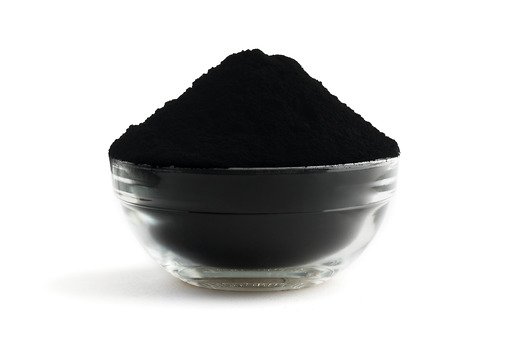
Activated charcoal acts by adsorbing the ingested toxin or poison when used ideally within one hour of ingestion of the chemical substance. The dosage in different poisons may differ, however, they are more or less the same. It may be used after one hour of ingestion in substances with delayed absorption, sustained-release formulations, and salicylates. Patients who ingest large and life-threatening amounts of carbamazepine, dapsone, phenobarbital, quinine, or theophylline may be advised repeated doses of activated charcoal. It is also used off-label for the treatment of intracranial hemorrhage associated with oral anticoagulants other than vitamin K antagonists like warfarin.
Toxins and drugs where activated charcoal may be used:
- Amisulpride
- Chloroquine, hydroxychloroquine or quinine
- Calcium channel blockers, especially verapamil, and diltiazem
- Carbamazepine
- Colchicine
- Beta Blockers
- Flecainide
- Methotrexate
- Paraquat/diquat
Toxins and drug overdose where Charcoal may not be helpful and/ or contraindicated:
-
- Ingestion of corrosives like Acids and Alkalis.
- Cyanide ingestion.
- Ethanol or methanol
- Eucalyptus and Essential Oils
- Fluoride
- Hydrocarbons
- Metals including Lithium, Iron compounds, potassium, and lead
- Mineral acids like Boric acid
Activated charcoal Dose in Adults
Activated charcoal dosage in the treatment of Acute poisoning:
- Single dose regimen:
- 25 - 100 gms
- Multi-dose regimen:
- 50 - 100 gms followed by 25 - 50 g every 4 hours.
Off-label use in the treatment o Intracranial hemorrhage secondary to oral anticoagulants other than vitamin K antagonist:
- 50 gms within 2 hours of ingestion of dabigatran (an oral direct thrombin inhibitor) or apixaban, edoxaban, or rivaroxaban (oral direct factor Xa inhibitors).
- Activated charcoal may be used with concomitant administration of prothrombin complex concentrate or activated PCC or andexanet alfa for the direct factor Xa inhibitor reversal or idarucizumab for dabigatran reversal).
Activated charcoal Dose in Childrens
Activated charcoal dosage in Acute poisoning:
- Single dose:
- The Dose is calculated according to the patient's age as given below:
- Infants less than 1 year:
- Dose as advised by the manufacturer: 1 gm/kg
- AACT recommendation: 10 to 25 g
- Children 1 - 12 years:
- Manufacturer's labeling:
- 25 to 50 g or 1 - 2 g/kg or 15 - 30 gms if the weight is more than 16 kgs
- AACT recommendation: 25 - 50 g
- Manufacturer's labeling:
- Adolescents:
- Manufacturer's labeling:
- 50 - 100 gms or 1 - 2 gms/kg or 50 - 100 gms if the weight is 32 kgs or more.
- AACT recommendation: 25 - 100 g
- Manufacturer's labeling:
- Infants less than 1 year:
- The Dose is calculated according to the patient's age as given below:
Single activated charcoal dosage with Sorbitol:
- Infants less than 1 year:
- Not recommended
- Children 1 - 12 years:
- Weight 16 - 32 kg: 25 g
- Weight 32 kgs or more: 25 to 50 g
- Adolescents:
- Actidose with Sorbitol: 50 g
- Weight 32 kgs or more: 1 - 2 g/kg or 50 - 100 gms
Multiple doses reserved for life-threatening ingestions of carbamazepine, dapsone, phenobarbital, quinine, or theophylline.
- Manufacturer's labeling:
- Infants less than 1 year:
- 1 gm/kg every 4 - 6 hours
- Children 1 - 12 years:
- 25 - 50 g every 4 to 6 hours
- Adolescents:
- 50 - 100 g every 4 to 6 hours
- Infants less than 1 year:
Pregnancy Risk Factor B
- Activated charcoal does not affect pregnancy outcomes because it is not systemically absorbed following oral administration.
Use activated charcoal during breastfeeding
- Activated charcoal does not cause any harm to the child who is fed it after oral administration.
Activated charcoal Dose in Renal Disease:
- No dose adjustment has been recommended in patients with Renal disease.
Activated charcoal Dose in Liver Disease:
- No dose adjustment has been recommended in patients with liver disease.
Common Side Effects of Activated charcoal Include:
- Gastrointestinal:
- Abdominal distention
- Appendicitis
- Constipation
- Dental discoloration
- Fecal discoloration
- Intestinal obstruction
- Mouth discoloration
- Vomiting
- Ophthalmic:
- Corneal abrasion
- Respiratory:
- Aspiration
- Respiratory failure
Contraindication to Activated charcoal include:
- Anatomically disordered gastrointestinal tract and intestinal obstruction.
- Patients at high risk for gastrointestinal hemorhage and perforation
- Patients in coma with unprotected airways.
Warnings and Precautions
- Vomiting:
- It can cause vomiting, especially if it is administered in large quantities or given quickly.
- Reduced bowel movements
- Patients with intestinal obstruction should avoid it and use it with caution.
Activated charcoal: Drug Interaction
Note: Drug Interaction Categories:
- Risk Factor C: Monitor When Using Combination
- Risk Factor D: Consider Treatment Modification
- Risk Factor X: Avoid Concomitant Use
Risk Factor D (Consider therapy modifications) |
|
| Leflunomide | Charcoal activated may lower serum levels of active metabolites of Leflunomide. Management: If you are not using this combination to increase leflunomide elimination intentionally, then consider using charcoal as an alternative. This interaction is unlikely to be avoided by separate drug administration. |
| Teriflunomide | The serum concentration of Teriflunomide may be decreased by activated charcoal. Management: This combination should not be used to increase teriflunomide removal. This interaction is unlikely to be avoided by separate drug administration. |
Monitoring Parameters:
- Monitor bowel sounds and conscious level prior to admiinistering it.
How to administer Activated charcoal?
- It is administered via a nasogastric tube after mixing it in water or saline and making a liquid solution of it.
- The usual procedure is to administer half the dose and then suck it back and discard it.
- The remaining half can be administered and left in the gastrointestinal tract to adsorb the remaining toxins.
- If the drug is administered orally, it may be mixed with a flavoring agent other than chocolate and milk to improve it palatability.
- Always check the bowel sounds before administering it. Antiemetics may be added to reduce the risk of vomiting.
- Unconscious patients should have airway secured before administering activated charcoal.
Mechanism of action of Activated charcoal:
- It prevents toxic substances from being absorbed by adsorbing them, thereby limiting their systemic toxicity.
- The efficacy of activated charcoal depends on the time of administration after the ingestion of the substance as given below:
- Within 30 minutes of ingestion, administered:
- Systemic absorption reduced by 47.3%
- Within 60 minutes of ingestion
- Reduced systemic absorption of 40%
- Within 120 minutes of ingestion, administered:
- Reduced systemic absorption by 16.5%
- Within 180 minutes of ingestion
- Systemic absorption reduced by 21.3%
- Within 240 minutes after ingestion
- Reduced systemic absorption by 32.5%
- Within 30 minutes of ingestion, administered:
It isn'tabsorbedFrom the gastrointestinal tractexcretedIn feces.
Activated charcoal international brands:
- Actidose-Aqua
- Actidose/Sorbitol
- Char-Flo with Sorbitol
- EZ Char
- Kerr Insta-
- Char in Sorbitol
- Kerr Insta-Char
- Acticarb
- Allocholum
- Antipois
- Bekarbon
- Biocarbon
- Ca-R-Bon
- Carbobel Mono
- Carbomint
- Carbomix
- Carbosorb
- Carbosorb X
- Carbosorb XS
- Carbotox
- Carbotural
- Charbogir
- Charcodote
- Charcotrace
- Deltacarbon
- JL Bragg's Medicinal Charcoal
- Karbosorb
- Koal
- Kremezin
- Mamograf
- Norit
- RCOL
- Sorbex
- Ultra Carbon
- Ultracarbon
- Yo'Come Penney
Activated charcoal Brands in Pakistan:
Available as activated charcoal powder
Charcoal (Activated) [Caps 260 mg] |
|
| Karbon | Neo Medix |
.png)