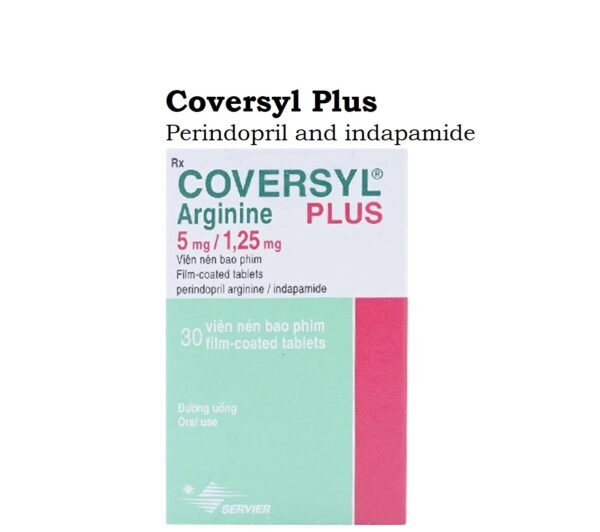
For the treatment of mild to moderate hypertension, Coversyl Plus (perindopril and indapamide) combines two medications (an ACE-inhibitor and a thiazide diuretic).
Coversyl Plus (Perindopril and Indapamide) Indications:
- Hypertension: Management of mild to moderate hypertension.
Note: Arcosyl Plus LD or Coversyl Plus LD may be used initially; Arcosyl Plus, Coversyl Plus, and Coversyl Plus HD are not usually indicated in the initial stages. It is not approved in the US.
Coversyl Plus (Perindopril and indapamide) dose in adults:
Coversyl Plus Treatment dose in Hypertension:
Note: Dosage should be individualized.
-
Arcosyl products: Inceptive:
- Perindopril arginine 2.5 mg/indapamide 0.625 mg per oral once daily and Regulate the dose depend on blood pressure conditions to perindopril arginine 5 mg/indapamide 1.25 mg in a day.
-
Maintenance dose:
- Perindopril arginine 2.5 to 10 mg/indapamide 0.625 to 2.5 mg per oral in a day.
-
Coversyl products: Inceptive:
- Perindopril erbumine 2 mg/indapamide 0.625 mg per oral once daily and adjust the dose based on blood pressure conditions to perindopril erbumine 4 to 8 mg/indapamide 1.25 mg in a day.
-
Maintenance dose:
- Perindopril erbumine 2 to 8 mg/indapamide 0.625 to 2.5 mg per oral once a day.
Coversyl Plus (Perindopril and indapamide) dose in Childrens
Not recommended for children.
Pregnancy Risk Category: D
- Drugs that directly impact the renin/angiotensin system can harm and even kill a foetus, claims a Canadian Study.
- Therapy should end if pregnancy is suspected.
- You can also contact individual agents.
Use when Patient is Breastfeeding:
- It is unknown whether breast milk secretes indapamide or perindopril.
- Breastfeeding women should not use this product.
- You can also contact individual agents.
Perindopril and indapamide (Coversyl Plus) Dose adjustment in renal disease:
-
GFR ≥60 mL/minute/1.73 m²:
- Dosage adjustment is not necessary.
-
GFR 30 to 59 mL/minute/1.73 m²:
- The manufacturer's labelling does not specify a specific dosage.
- use low dose with caution (perindoprilat exposure may be increased).
- Use of perindopril erbumine 8 mg/indapamide 1.25 mg, perindopril erbumine 8 mg/indapamide 2.5 mg, and perindopril arginine 10 mg/indapamide 2.5 mg is contraindicated.
-
GFR <30 mL/minute/1.73 m²:
- Use is contraindicated.
Coversyl Plus Dose adjustment in liver disease:
There is no dosage adjustment. It is offered on the manufacturer's labelling, but it needs to be utilised carefully (perindopril may lead to an increase in hepatic impairment). Patients with severe impairment or hepatic encephalopathy should not use it.
Also see individual agents (Perindopril and indapamide)
Side Effects of Coversyl Plus (Perindopril and indapamide):
-
Central Nervous System:
- Headache And Dizziness
-
Endocrine & Metabolic:
- Hypokalemia and Hyperkalemia
-
Gastrointestinal:
- Nausea And Vomiting and Dyspepsia
-
Neuromuscular & Skeletal:
- Arthralgia
-
Renal:
- Increased Blood Urea Nitrogen
-
Respiratory:
- Cough
- Upper Respiratory Tract Infection
- Bronchitis
Rare Side effects of Perindopril and indapamide (Coversyl Plus):
-
Cardiovascular:
- Transient Ischemic Attacks
-
Central Nervous System:
- Loss Of Consciousness
-
Renal:
- Renal Colic
Contraindications to Coversyl Plus (Perindopril and indapamide):
- Hypersensitivity to indapamide, perindopril, In this formulation or sulfonamides-derived drugs
- Hypokalemia
- Pregnancy,
- Breastfeeding
- Hepatic encephalopathy, severe hepatic impairment
- Moderate renal impairment (GFR 30 - 59 mL/minute/1.73m) (Arcosyl Plus and Coversyl Plus only).
- Grave renal impairment (GFR 30mL/minute/1.73m)
- Bilateral or unilateral renal artery stenosis
- Concurrent use with sacubitril/valsartan
- Combination of antiarrhythmic drugs causing torsades à pointes
- Patients with diabetes and normal to severe kidney impairment may use aliskiren-Controlled medications in conjunction with them (GFR 60mL/minute/1.73m).
- Idiopathic, hereditary, or previous angioedema connected to the most recent ACE inhibitor medication.
- Extracorporeal therapies that involve blood contact with negatively charged surfaces
- There is limited evidence of cross-reactivity between ACE inhibitors and allergens.
- Due to the same chemical structure as pharmacological activities, cross-sensitivity cannot always be excluded.
Warnings and precautions
-
Angioedema
- At any point of the therapeutic process, ACE inhibitors can result in angioedema. It might impact the colon, head and neck, which could compromise the airway (possibly causing abdominal pain).
- Long-term monitoring is necessary for any obstructions in the tongue, glottis or larynx.
- Previous airway surgery increases the obstruction risk.
- Angioedema risk is higher in black patients, patients suffering from idiopathic angioedema or hereditary angioedema and patients who have received ACE inhibitor therapy, combination therapy with m-tor inhibitors (eg everolimus), dipeptidyl peptidase-4 inhibitors (eg sitagliptin) or a neprilysin inhibit (eg sacubitril).
- It is crucial to have a solid and competent management.
- It is not recommended for usage in those with genetic angioedema, idiopathic angioedema, or a history of angioedema brought on by ACE inhibitors.
-
Cholestatic jaundice
- ACE inhibitors may cause hepatic fulminant neoplasm, which can lead to cholestatic jaundice. If there is an elevation in hepatic transaminases, or jaundice, it is time to stop taking the therapy.
- It is important to stop any symptoms of hepatic impairment, such as fever, malaise, muscle pain, rash, or other signs, that occur during earlier therapies.
-
CNS depression:
- Perindopril can cause impairments in mental or physical abilities. Patients should be cautious about operating machinery and driving.
-
Cough:
- Initial treatment with ACE inhibitors results in a dry, persistent cough that usually disappears within a month.
- Before stopping the drug, it is important to rule out other conditions like pulmonary congestion in patients suffering from heart failure.
-
Dermatologic reactions
- ACE inhibitors may cause maculopapular pruritic rashes that may or not recur if switched to another ACE inhibitor.
- There are fatal reactions that can occur, including Steven Johnson syndrome, lichenoid outbreaks, psoriasis and pemphigus.
- Acute dermatological reactions can also be caused by Indapamide withdrawal. These usually resolve in 2 weeks.
-
Dysgeusia:
- An increase in ACE inhibitors may cause metallic sensation in your mouth. This is most common in the first week of therapy. It can resolve within 1 to 3 weeks.
-
Electrolyte disturbances:
- Hyperkalemia can be caused by ACE inhibitors
- Dehydration, DM and metabolic acidosis are all risk factors.
- These agents require continuous potassium monitoring.
- Indapamide can be used to detect hypokalemia, hypochloremia and hyponatremia as well as hypophosphatemia and/or hypercalcemia.
- Hypokalemia is a contraindication.
- Hypokalemia can be increased by prolonging QT.
-
Hematologic effects
- Agranulocytosis, anaemia, thrombocytopenia, neutropenia, and myeloid hypoplasia have all been linked to captopril, another ACE inhibitor.
- Neutropenia is substantially more likely to occur in patients with renal impairment or collagen vascular disease, such as systemic lupus erythematosus.
- These patients require regular CBC monitoring.
-
Hypersensitivity reactions
- ACE inhibitors can result in anaphylactic/anaphylactoid reactions.
- Severe anaphylactoid responses have been reported during low density lipoprotein apheresis using dextran sulfatecellulose and hemodialysis utilising high-flux dialysis membranes, such as polyacrylonitrile (PAN).
- Patients who took ACE inhibitors and were exposed to Hymenoptera (bee or wasp) venom sensitization seldom experienced anaphylactoid responses.
-
Syncope and hypotension:
- Hypotension and syncope can be caused by ACE inhibitors.
- The risk is increased with hypovolemia,therefore volume correction is necessary before starting treatment.
- BP monitoring is important throughout therapy, particularly when dose escalation is involved.
- Particularly for patients with heart disease, hypotension shouldn't be used as a justification to stop receiving ACE inhibitor treatment in the future. A dose reduction, however, might be required if a decrease in systolic pressure is desired.
-
Photosensitivity
- Photosensitization may happen.
-
Proteinuria:
- ACE inhibitors may cause proteinuria (total urine proteins 1 g/day).
- Nephrotic syndrome was found in approximately one-fifth to five percent of proteinuric patients.
- ACE inhibitors are not required to treat proteinuria. However, it will usually disappear or be gone within six months.
-
Renal function deterioration:
- This can cause an increase in serum creatinine
- Patients with low renal blood flow, such as those suffering from oliguria or acute renal failure, can experience complications like progressive azotemia and renal dysfunction.
- A significant impairment in renal function should not be considered a reason to stop taking the drug.
-
Allergy to sulfonamide ("sulfa")
- Wide-ranging contraindications for patients who have previously experienced an adverse reaction to sulfonamides are listed on FDA-approved product labels for drugs that contain sulfonamide chemical groups.
- Cross-reactivity is possible with any two antibiotic sulfonamides.
- Cross-reactivity concerns have been raised previously for all compounds with the sulfonamide structural (SO NH).
- There may not be any cross-reactivity between antibiotic and non-antibiotic sulfonamides.
- Non-antibiotic sulfonamides rarely trigger cross-reactions due to antibody production (anaphylaxis).
- Less is known about type IV T-cell reactions, such as maculopapular skin rash. Based on what is known at the moment, it is difficult to rule out this possibility.
- The medication should be avoided in cases of severe reactions like Stevens-Johnson syndrome or toxic epidermal necrolysis.
-
Aldosteronism:
- Patients with Initial aldosteronism should not be given this medication. Patients with Initial aldosteronism will not normally respond to antihypertensive medications that inhibit the renin–angiotensin pathway.
-
Aortic stenosis
- Perindopril can reduce the coronary perfusion in patients with mitral valve disease or aortic stenosis. This may lead to ischemia.
-
Bariatric surgery
- It is possible for diuretics to cause electrolyte imbalance and dehydration, so they should not be administered immediately after bariatric surgery.
- After the oral fluid intake goals have been met, diuretics can be resumed.
-
Cardiovascular disease
- Patients with ischemic heart disease, cerebrovascular disease or heart failure can experience hypotension. Therefore, it is important to be closely monitored.
- Once the fluid replacement has been completed, therapy can be resumed.
- Patients with hypotension recurrence should stop therapy.
- Patients with heart failure have a lower clearance rate of perindopril, so it is recommended to reduce the initial dose.
- In cases of renovascular hypertension and heart failure, it is not recommended.
-
Collagen vascular disease:
- The risk of developing hematological toxicities is higher with collagen vascular diseases, especially when there is concomitant renal impairment. Therefore, caution should be taken.
- Indapamide can trigger or exacerbate systemic lupus, which may lead to SLE.
-
Diabetes:
- It can alter glucose control and should not be used by patients with diabetes mellitus or prediabetes.
-
Gout
- Hyperuricemia can be caused by indapamide
- Gout history, chronic renal failure and family history increase the risk.
-
Hepatic impairment
- Perindopril may cause liver enzyme and/or serum levels to rise.
- Before starting treatment, it is important to check the levels of transaminase as well as bilirubin.
- Avoid acid/base or electrolyte imbalances that could cause hepatic enzymephalopathy due to cirrhosis.
- It is not recommended for usage in those with encephalopathy and severe hepatic impairment.
-
Hypertrophic cardiomyopathy with outflow tract obstruction (HCM)
- Reduced afterload can worsen hypertrophic cardiomyopathy symptoms and cause outflow obstruction. Therefore, it is important to use extreme caution.
-
Renal artery stenosis
- It should not be taken by patients who have unilateral or bilateral renal arterial stenosis.
-
Renal impairment
- It should not be used by patients with compromised renal function without the proper dosage modification.
- Increased renal impairment can result from rapid dosage escalation.
- Hematological toxicities pose an increased risk to patients with impaired renal function.
- In severe or moderate renal impairment, use may be contraindicated.
- Refer to contraindications.
Perindopril and indapamide (United States: Not available): Drug Interaction
|
Ajmaline |
Sulfonamides might make ajmaline more harmful or poisonous. In particular, there may be an elevated risk for cholestasis. |
|
Alcohol (Ethyl) |
Increases the effectiveness of thiazide and thiazide-like diuretics in lowering orthostatic blood pressure. |
|
Alfuzosin |
The hypotensive effects of blood pressure-lowering medications may be strengthened. |
|
Aminolevulinic Acid (Topical) |
Aminolevulinic Acid's photosensitizing impact may be enhanced by photosensitizing agents (Topical). |
|
Amphetamines |
May lessen the effectiveness of antihypertensive agents. |
|
Angiotensin II |
The therapeutic efficacy of angiotensin II may be enhanced by angiotensin-converting enzyme inhibitors. |
|
Angiotensin-Converting Enzyme Inhibitors |
Angiotensin-Converting Enzyme Inhibitors' hypotensive effects may be enhanced by thiazide and thiazide-like diuretics. Angiotensin-Converting Enzyme Inhibitors' nephrotoxic effects may be increased by thiazide and thiazide-like diuretics. |
|
Anticholinergic Agents |
May raise the levels of thiazide and thiazide-like diuretics in the blood. |
|
Antidiabetic Agents |
The therapeutic value of anti-diabetic agents may be diminished by thiazide and thiazide-like diuretics. |
|
Antidiabetic Agents |
The therapeutic benefit of anti-diabetic agents may be reduced by hyperglycemia-associated agents. |
|
Antipsychotic Agents (Second Generation [Atypical]) |
Antipsychotic drugs' hypotensive effects may be enhanced by blood pressure-lowering medications (Second Generation [Atypical]). |
|
Aprotinin |
Angiotensin-Converting Enzyme Inhibitors may intensify their hyperkalemic effects. |
|
AzaTHIOprine |
AzaTHIOprine's myelosuppressive effects may be enhanced by angiotensin-converting enzyme inhibitors. |
|
Barbiturates |
Increases the effectiveness of thiazide and thiazide-like diuretics in lowering orthostatic blood pressure. |
|
Barbiturates |
The hypotensive effects of blood pressure-lowering medications may be strengthened. |
|
Benperidol |
The hypotensive effects of blood pressure-lowering medications may be strengthened. |
|
Beta2-Agonists |
Thiazide and Thiazide-Like Diuretics might have an enhanced hypokalemic impact. |
|
Brigatinib |
May lessen the effectiveness of antihypertensive agents. Antihypertensive Agents' bradycardic action may be strengthened by brutinib. |
|
Brimonidine (Topical) |
The hypotensive effects of blood pressure-lowering medications may be strengthened. |
|
Calcium Salts |
The excretion of calcium salts may be decreased by thiazide and thiazide-like diuretics. Metabolic alkalosis can also be brought on by continued concurrent usage. |
|
CarBAMazepine |
Thiazide and Thiazide-Like Diuretics may intensify CarBAMazepine's negative/toxic effects. Particularly, there could be a higher risk of hyponatremia. |
|
Cardiac Glycosides |
Cardiac Glycosides may have an increased negative or toxic effect when used with thiazide and thiazide-Like Diuretics. Particularly, the hypokalemic and hypomagnesemic impact of thiazide diuretics may worsen cardiac glycoside toxicity. |
|
Corticosteroids (Orally Inhaled) |
.Could intensify the hypokalemic effects of thiazide and make diuretics like thiazide more potent. |
|
Corticosteroids (Systemic |
Thiazide and Thiazide-Like Diuretics might have an enhanced hypokalemic impact. |
|
Cyclophosphamide |
Thiazide and Thiazide-Like Diuretics may intensify Cyclophosphamide's harmful or hazardous effects. Particularly, granulocytopenia could be worsened. |
|
Dapoxetine |
May increase the angiotensin-converting enzyme inhibitors' orthostatic hypotensive effects. |
|
Dexketoprofen |
Can lessen an antihypertensive drug's therapeutic impact. |
|
Dexmethylphenidate |
Could make diuretics' therapeutic effects stronger. Particularly, there may be a higher chance of hypokalemia or dehydration. |
|
Diacerein |
Thiazide and Thiazide-Like Diuretics may intensify Diazoxide's harmful or toxic effects. |
|
Diazoxide |
Thiazide and Thiazide-Like Diuretics may intensify Diazoxide's harmful or toxic effects. |
|
Diazoxide |
The hypotensive effects of blood pressure-lowering medications may be strengthened. |
|
Dipeptidyl Peptidase-IV Inhibitors |
May worsen angiotensin-converting enzyme inhibitors' toxic or severe effects. Particularly, there may be a higher incidence of angioedema. |
|
Drospirenone |
Drospirenone's hyperkalemic impact may be enhanced by angiotensin-converting enzyme inhibitors. |
|
DULoxetine |
The hypotensive impact of DULoxetine may be enhanced by blood pressure lowering medications. |
|
Eplerenone |
Angiotensin-Converting Enzyme Inhibitors may intensify their hyperkalemic effects. |
|
Everolimus |
May intensify angiotensin-converting enzyme inhibitors' harmful or hazardous effects. Particularly, there may be a higher incidence of angioedema. |
|
Ferric Gluconate |
Angiotensin-Converting Enzyme Inhibitors might make ferric gluconate more harmful or poisonous. |
|
Ferric Hydroxide Polymaltose Complex |
Ferric Hydroxide Polymaltose Complex may have a more negative or toxic effect when taken with angiotensin-converting enzyme inhibitors. In particular, there may be an elevated risk for angioedema or allergic responses. |
|
Gelatin (Succinylated) |
Gelatin's harmful or toxic effects may be increased by angiotensin-converting enzyme inhibitors (Succinylated). Particularly, there may be a higher chance of a paradoxical hypotensive reaction. |
|
Gold Sodium Thiomalate |
Gold Sodium Thiomalate may have a more negative or toxic effect when used with angiotensin-converting enzyme inhibitors. Nitritoid responses are more likely now, it has been noted. |
|
Heparin |
Angiotensin-Converting Enzyme Inhibitors may intensify their hyperkalemic effects. |
|
Heparins (Low Molecular Weight) |
Angiotensin-Converting Enzyme Inhibitors may have an enhanced hyperkalemic impact. |
|
Herbs (Hypertensive Properties) |
May lessen the effectiveness of antihypertensive agents. |
|
Herbs (Hypotensive Properties) |
The hypotensive effects of blood pressure-lowering medications may be strengthened. |
|
Hypotension-Associated Agents |
The hypotensive action of hypotension-associated agents may be strengthened by blood pressure lowering medications. |
|
Icatibant |
May lessen the effectiveness of angiotensin-converting enzyme inhibitors in treating hypertension. |
|
Ipragliflozin |
The toxic and harmful effects of thiazide and thiazide-like diuretics may be increased. In particular, there may be an elevated risk for intravascular volume depletion. |
|
Ivabradine |
The arrhythmogenic impact of ivabradine may be enhanced by thiazide and thiazide-like diuretics. |
|
Levodopa-Containing Products |
Levodopa-Containing Products' hypotensive effects may be strengthened by blood pressure-lowering medications. |
|
Licorice |
Thiazide and Thiazide-Like Diuretics might have an enhanced hypokalemic impact. |
|
Loop Diuretics |
May strengthen angiotensin-converting enzyme inhibitors' hypotensive effects. Angiotensin-Converting Enzyme Inhibitors' nephrotoxic effects may be increased by loop diuretics. |
|
Lormetazepam |
The hypotensive effects of blood pressure-lowering medications may be strengthened. |
|
Methylphenidate |
May lessen the effectiveness of antihypertensive agents. |
|
Molsidomine |
Angiotensin-Converting Enzyme Inhibitors may intensify their hyperkalemic effects. |
|
Multivitamins/Fluoride (with ADE) |
May intensify the effects of thiazide and thiazide-like diuretics on hypercalcemia. |
|
Multivitamins/Minerals (with ADEK, Folate, Iron) |
The effect of multivitamins and minerals on hypercalcemia may be enhanced by thiazide and thiazide-like diuretics (with ADEK, Folate, Iron). |
|
Multivitamins/Minerals (with AE, No Iron) |
The serum concentration of multiple vitamins and minerals may rise after taking thiazide and thiazide-like diuretics (with AE, No Iron). Particularly, thiazide diuretics may reduce calcium excretion, and long-term concurrent usage may result in metabolic alkalosis. |
|
Naftopidil |
The hypotensive effects of blood pressure-lowering medications may be strengthened. |
|
Neuromuscular-Blocking Agents (Nondepolarizing) |
The neuromuscular-blocking action of neuromuscular-blocking agents may be enhanced by thiazide and thiazide-like diuretics (Nondepolarizing). |
|
Nicergoline |
The hypotensive effects of blood pressure-lowering medications may be strengthened. |
|
Nicorandil |
The effects of angiotensin-converting enzyme inhibitors on hyperkalemia may be enhanced. |
|
Nicorandil |
The hypotensive effects of blood pressure-lowering medications may be strengthened. |
|
Nitroprusside |
Nitroprusside's hypotensive impact may be strengthened by blood pressure-lowering medications. |
|
Nonsteroidal Anti-Inflammatory Agents |
Nonsteroidal Anti-Inflammatory Agents' negative/toxic effects may be increased by angiotensin-converting enzyme inhibitors. In particular, the combination may cause a marked decline in renal function. Angiotensin-Converting Enzyme Inhibitors' antihypertensive effects may be lessened by nonsteroidal anti-inflammatory drugs. |
|
Nonsteroidal Anti-Inflammatory Agents |
Nonsteroidal Anti-Inflammatory Agents' nephrotoxic effects may be intensified by thiazide and thiazide-like diuretics. Thiazide and Thiazide-Like Diuretics may have less of a therapeutic impact when used with nonsteroidal anti-inflammatory drugs. |
|
Opioid Agonists |
Could make diuretics' harmful or toxic effects worse. Opioid antagonists may reduce diuretics' therapeutic benefit. |
|
Oxcarbazepine |
Thiazide and Thiazide-Like Diuretics may intensify OXcarbazepine's negative/toxic effects. Particularly, there could be a higher risk of hyponatremia. |
|
Pentoxifylline |
The hypotensive effects of blood pressure-lowering medications may be strengthened. |
|
Pholcodine |
Pholcodine's hypotensive impact may be strengthened by blood pressure lowering medications. |
|
Phosphodiesterase 5 Inhibitors |
The hypotensive effects of blood pressure-lowering medications may be strengthened. |
|
Potassium Salts |
Angiotensin-Converting Enzyme Inhibitors may intensify their hyperkalemic effects. |
|
Potassium-Sparing Diuretics |
Angiotensin-Converting Enzyme Inhibitors may intensify their hyperkalemic effects. |
|
Pregabalin |
Angiotensin-Converting Enzyme Inhibitors may intensify Pregabalin's negative/toxic effects. Particularly, there may be a higher incidence of angioedema. |
|
Prostacyclin Analogues |
The hypotensive effects of blood pressure-lowering medications may be strengthened. |
|
Quinagolide |
The hypotensive effects of blood pressure-lowering medications may be strengthened. |
|
Racecadotril |
May intensify angiotensin-converting enzyme inhibitors' harmful or hazardous effects. In particular, this combination may make angioedema more likely. |
|
Ranolazine |
Angiotensin-Converting Enzyme Inhibitors may intensify their hyperkalemic effects. |
|
Reboxetine |
Thiazide and Thiazide-Like Diuretics might have an enhanced hypokalemic impact. |
|
Salicylates |
May intensify angiotensin-converting enzyme inhibitors' nephrotoxic effects. The therapeutic benefit of angiotensin-converting enzyme inhibitors may be reduced by salicylates. |
|
Selective Serotonin Reuptake Inhibitors |
The hyponatremic effects of thiazide and thiazide-like diuretics may be enhanced. |
|
Sirolimus |
Angiotensin-Converting Enzyme Inhibitors may intensify their hyperkalemic effects. |
|
Tacrolimus (Systemic) |
Tacrolimus's effect of making you more hyperkalemic may be enhanced by angiotensin-converting enzyme inhibitors (Systemic). |
|
Temsirolimus |
Angiotensin-Converting Enzyme Inhibitors may intensify their hyperkalemic effects. |
|
Thiazide and Thiazide-Like Diuretics |
May increase the angiotensin-converting enzyme inhibitors' hypotensive effects. Angiotensin-Converting Enzyme Inhibitors' nephrotoxic effects may be increased by thiazide and thiazide-like diuretics. |
|
TiZANidine |
Angiotensin-Converting Enzyme Inhibitors may intensify their hyperkalemic effects. |
|
Tolvaptan |
The effects of angiotensin-converting enzyme inhibitors on hyperkalemia may be enhanced. |
|
Toremifene |
Toremifene's hypercalcemic impact may be enhanced by thiazide and thiazide-like diuretics. |
|
Trimethoprim |
Angiotensin-Converting Enzyme Inhibitors may intensify their hyperkalemic effects. |
|
Verteporfin |
Toremifene's hypercalcemic impact may be enhanced by thiazide and thiazide-like diuretics. |
|
Vitamin D Analogs |
The hypercalcemic impact of vitamin D analogues may be enhanced by thiazides and thiazide-like diuretics. |
|
Yohimbine |
May lessen the effectiveness of antihypertensive agents. |
|
Risk Factor D (Consider therapy modification) |
|
|
Aliskiren |
Angiotensin-Converting Enzyme Inhibitors may intensify their hyperkalemic effects. Angiotensin-Converting Enzyme Inhibitors' hypotensive effects may be strengthened by aliskiren. Angiotensin-Converting Enzyme Inhibitors' nephrotoxic effects may be made worse by aliskiren. Treatment: It is not advised for diabetic patients to take aliskiren along with ACEIs or ARBs. Combination therapy should be avoided in other patients, especially when CrCl is less than 60 mL/min. If combined, keep a close eye on your blood pressure, potassium, and creatinine levels. |
|
Allopurinol |
Angiotensin-Converting Enzyme Inhibitors might make Allopurinol more likely to cause allergic or hypersensitive reactions. |
|
Amifostine |
Amifostine's hypotensive impact may be strengthened by blood pressure lowering medications. Treatment: Blood pressure-lowering drugs need to be avoided for 24 hours before amifostine is administered when used at chemotherapeutic doses. Amifostine should not be given if blood pressure lowering treatment cannot be stopped. |
|
Angiotensin II Receptor Blockers |
May worsen angiotensin-converting enzyme inhibitors' toxic or severe effects. Angiotensin-Converting Enzyme Inhibitors' serum levels may rise in response to angiotensin II receptor blockers. Management: According to US labelling, it is not advisable to take telmisartan and ramipril. It is unclear whether another ACE inhibitor and ARB combo would be any safer. When possible, take into account alternatives to the mix. |
|
Bile Acid Sequestrants |
The absorption of thiazide and thiazide-like diuretics may be reduced. Also reduced is the diuretic reaction. |
|
Dofetilide |
The QTc-prolonging action of dofetilide may be enhanced by thiazide and thiazide-like diuretics. The blood concentration of Dofetilide may rise in response to thiazide and thiazide-like diuretics. Management: Despite the fact that hydrochlorothiazide is clearly listed as being contraindicated, the risk certainly applies to all thiazide and thiazide-like diuretics and may even be larger when using chlorthalidone or bendroflumethiazide. When feasible, take into account alternatives. |
|
Grass Pollen Allergen Extract (5 Grass Extract |
Grass pollen allergen extract may have a more negative or toxic effect if angiotensin-converting enzyme inhibitors are used (5 Grass Extract). With regard to grass pollen allergen extract, ACE inhibitors may specifically enhance the likelihood of a severe allergic reaction (5 Grass Extract). |
|
Iron Dextran Complex |
Angiotensin-Converting Enzyme Inhibitors might make Iron Dextran Complex more harmful or poisonous. Patients taking an ACE inhibitor may be more susceptible to events of the anaphylactic variety. Management: Adhere strictly to the instructions for iron dextran administration, including the use of a test dose before the initial therapeutic dose and the availability of resuscitation tools and qualified people. |
|
Lanthanum |
May lower angiotensin-converting enzyme inhibitors' serum concentration. Angiotensin-converting enzyme inhibitors should be given at least two hours before or after lanthanum. |
|
Lithium |
The excretion of lithium may be reduced by thiazide and thiazide-like diuretics. |
|
Lithium |
The serum concentration of lithium may rise in response to angiotensin-converting enzyme inhibitors. Management: After adding an ACE inhibitor, lithium dosage decreases will probably be required. Following the addition or discontinuation of concurrent ACE inhibitor therapy, carefully monitor the patient's response to lithium. |
|
Obinutuzumab |
The hypotensive effects of blood pressure-lowering medications may be strengthened. Management: Take into account temporarily stopping blood pressure-lowering drugs 12 hours before the start of the obinutuzumab infusion and keeping them off until 1 hour after the infusion is finished. |
|
Sodium Phosphates |
The nephrotoxic impact of sodium phosphates may be enhanced by angiotensin-converting enzyme inhibitors. In particular, there may be an increased risk of acute phosphate nephropathy. Treatment: You might want to temporarily stop taking ACEIs or look into alternatives to the oral sodium phosphate bowel preparation in order to prevent this combo. Maintaining appropriate hydration and properly monitoring renal function should be done if the combination cannot be avoided. |
|
Sodium Phosphates |
The nephrotoxic effects of sodium phosphates may be increased by diuretics. In particular, there may be an increased risk of acute phosphate nephropathy. Treatment: You might want to temporarily stop taking diuretics or look for an alternative to the oral sodium phosphate bowel preparation in order to prevent this combo. If the combination cannot be avoided, drink well and keep an eye on your kidney and fluid levels. |
|
Topiramate |
The hypokalemic impact of topiramate may be enhanced by thiazide and thiazide-like diuretics. The blood concentration of topiramate may rise in response to thiazide and thiazide-like diuretics. When using a thiazide diuretic, monitor for elevated topiramate levels and any negative consequences (such as hypokalemia). Serum potassium levels should be closely watched when receiving concurrent treatment. There may be a need to lower topiramate dosage. |
|
Urapidil |
Angiotensin-Converting Enzyme Inhibitors may interact with them through an unidentified method. Avoid taking urapidil and ACE inhibitors simultaneously as a management strategy. |
|
Risk Factor X (Avoid combination) |
|
|
Aminolevulinic Acid (Systemic) |
Aminolevulinic Acid's photosensitizing impact may be enhanced by photosensitizing agents (Systemic). |
|
Bromperidol |
The hypotensive impact of bromperidol may be enhanced by blood pressure lowering medications. Blood Pressure Lowering Agents' hypotensive effects may be lessened by bromperidol. |
|
Levosulpiride |
Thiazide and Thiazide-Like Diuretics may intensify Levosulpiride's negative/toxic effects. |
|
Mecamylamine |
.Sulfonamides may intensify Mecamylamine's harmful or hazardous effects. |
|
Promazine |
Promazine's ability to prolong QTc may be enhanced by thiazide and thiazide-like diuretics. |
|
Sacubitril |
The negative or hazardous effects of sacubitril may be increased by angiotensin-converting enzyme inhibitors. In particular, this combination may raise the risk of angioedema. |
Monitoring parameters:
- Blood pressure
- CBC
- Blood glucose
- Liver function tests
- Renal function tests
- Serum electrolytes
- Uric acid/BUN
How to administer Perindopril and indapamide (Coversyl Plus)?
It should be given orally before a meal in the morning.
Mechanism of action of Perindopril and indapamide (Coversyl Plus):
Perindopril
- It lowers angiotensin 2 levels by inhibiting angiotensin I conversion to angiotensin 2.
- This results in decreased aldosterone secretion as well as increased plasma renin activity.
Indapamide
- It causes sodium ion transport to be disrupted in the renal tubular epithelium, increasing sodium, chloride and water excretion.
- The diuretic effect of the nephron is located at the distal tubule's proximal segment.
See individual agents (perindopril and indapamide)
International Brands of Perindopril and indapamide:
- Coversyl Plus
- Coversyl Plus HD
- Coversyl Plus LD
- SANDOZ Perindopril/Indapamide HD
- SANDOZ Perindopril/Indapamide LD
- SANDOZ Perindopril/Indapamide
- TEVA-Perindopril/Indapamide
- Acertil Plus
- Acertil Plus Arginine
- Adwipril Plus
- Bioprexum Plus
- Biprel
- BiPreterax
- Bipreterax
- Bipreterax Arginine
- Civersyl Plus
- Co-Prenessa
- Coversum Combi
- Coversyl Comp
- Coversyl Plus
- Daparindo
- Indapril
- Inopil Plus
- Midopril
- Noliprel
- Noliterax
- Pendrex Plus
- Pericard Plus
- Perindo Combi
- Peripril Plus
- Predonium
- Predonium DS
- Prestarium
- Pretanix Komb
- Preterax
- Preterax Arginine
- Preterax Forte
- Prexanil Combi
- Viritin Plus
Perindopril and indapamide Brands in Pakistan:
Perindopril indapamide 2/1.25 mg tablets |
|
| Preterax Coversyl Plus | Servier Research & Pharmaceuticals Pakistan (Pvt) Ltd. |
Perindopril indapamide 4/1.25 mg tablets |
|
| Amper | Nova Med Pharmaceuticals |
| Hartace Plus | Csh Pharmaceuticals-North (Pvt) Ltd |
.png)


