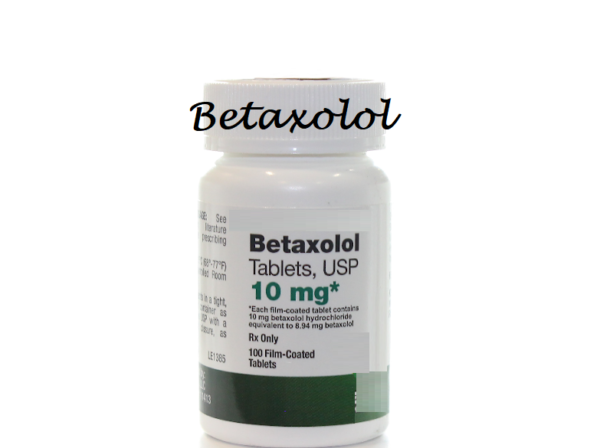
Betaxolol is a selective Beta-1 receptor blocker that is used to treat patients with hypertension (Beta-blockers are used as alternative agents for the treatment of hypertension). It is also used as off-label in the treatment of the following conditions:
- Acute Myocardial infarction
- For rate control in Atrial fibrillation
- Chronic stable angina
- For the prevention of Postoperative atrial fibrillation associated with cardiac surgery.
Betaxolol Dose in Adults
Betaxolol dosage as off label use in the treatment of Atrial fibrillation for rate control:
- 20 mg once a day.
- It may be used in combination with digoxin.
Betaxolol dose as Off label use in the treatment of chronic stable angina:
- 20 mg once a day.
Betaxolol dose as an alternative agent in Hypertension:
- 5 to 10 mg once a day.
- The dose is titrated every one to two weeks if required based on the patients' response.
- The maximum dose is 20 mg once a day.
Betaxolol dose as Off label use in the prevention of postoperative atrial fibrillation associated with cardiac surgery:
- 20 mg once a day.
Dose in children:
It is not recommended for use in children.
Betaxolol Pregnancy Risk Factor C
- Betaxolol crosses over the placental barriers and can be detected in neonatal blood or urine.
- Betaxolol can cause lasting effects in the neonate for up to seven days after delivery.
- Neonatals may experience hypoglycemia and bradycardia. Monitor neonates for three to five days
- Uncontrolled hypertension can also be associated with maternal preeclampsia and neonatal adverse effects.
- Beta-blockers can be used when indicated to treat hypertension during pregnancy. However, it is best to use other preferred agents as first-line.
Use during breastfeeding:
- Breastfeeding mothers should use betaxolol with caution, as it is excreted through breastmilk and can have beta-blocking effect on the baby.
Dose in patients with renal impairment:
-
Severe impairment:
- 5 mg once a day initially.
- The dosage may be increased every 2 weeks up to a maximum of 20 mg once a day.
-
Hemodialysis:
- 5 mg once a day.
- The dose may be increased every 2 weeks up to a maximum of 20 mg once a day.
Dose in patients with liver disease:
Adjustment in the dose is not required.
Side Effects of Betaxolol:
-
Cardiovascular:
- Bradycardia
- Chest Pain
- Cold Extremities
- Palpitations
- Edema
-
Central Nervous System:
- Fatigue
- Insomnia
- Lethargy
- Paresthesia
-
Gastrointestinal:
- Nausea
- Dyspepsia
- Diarrhea
-
Hematologic & Oncologic:
- Positive ANA Titer
-
Neuromuscular & Skeletal:
- Arthralgia
-
Respiratory:
- Dyspnea
- Pharyngitis
Contraindication to Betaxolol include:
- Allergy reactions to betaxolol and any component of the formulation
- Sinus bradycardia
- Heart block of second or third degree
- Cardiogenic shock
- Cardiac failure
Warnings and precautions
- Anaphylactic reactions
- Patients who have had anaphylaxis in the past should be cautious.
- Patients using beta-blockers may be less sensitive to the effects of epinephrine if anaphylaxis develops.
-
Bronchospastic Disease:
- In severe bronchospasm, beta-blockers should be avoided.
- Betaxolol, a selective Beta-1-blocker, can be used in low doses (between 5 and 10 mg) for mild bronchospasm. It is also available in divided doses.
-
Cerebrovascular Insufficiency
- Cerebrovascular Insufficiency patients should be cautious when taking the drug. Hypotension and bradycardia can further decrease cerebral blood flow.
-
Conductive abnormality
- Consider pre-existing conditions that have reduced heart rate or contractility, such as sick sinus syndrome, before you start the treatment.
-
Diabetes:
- Patients with diabetes should not take beta-blockers as they can mask hypoglycemia symptoms.
-
Heart failure:
- In patients with symptomatic heart disease, beta-blockers should not be used.
- It should not be used in compensated heart failure. Instead, you should use other beta-blockers like bisoprolol or carvedilol.
-
Myasthenia gravis:
- Beta-blockers can be used to increase myasthenia-related muscle weakness, including diplopia or ptosis.
- Patients with myasthenia Gravis should use it with caution.
-
Raynaud and peripheral vascular disease (PVD).
- Patients suffering from Raynaud’s disease or peripheral arterial disease should be cautious when taking the drug.
- It is important to monitor the clinical signs and progression of peripheral arterial disease.
-
Pheochromocytoma:
- Patients with pheochromocytoma need to have adequate alpha-blockade before they can use a beta-blocker.
-
Angina Prinzmetal version:
- Patients suffering from prinzmetal angina should not use Beta-blockers that do not block alpha1-adrenergic receptor activity.
- The presence of unopposed alpha1 receptors can cause coronary vasoconstriction, which can lead to worsening of anginal symptoms.
-
Psoriasis:
- Use of beta-blockers may make psoriasis worse.
-
Renal impairment
- Patients with impaired renal function should be cautious and adjust the dosage.
-
Thyroid disease:
- Hyperthyroidism may be disguised by beta-blockers.
- Avoid abrupt withdrawal from beta-blockers as it can cause a thyroid storm.
Betaxolol (systemic): Drug Interaction
Note: Drug Interaction Categories:
- Risk Factor C: Monitor When Using Combination
- Risk Factor D: Consider Treatment Modification
- Risk Factor X: Avoid Concomitant Use
Risk Factor C (Monitor therapy). |
|
| Acetylcholinesterase inhibitors | Beta-Blockers may increase the bradycardic effects. |
| Alfuzosin | Might increase the hypotensive effects of Blood Pressure Lowering Agents. |
| Alpha1-Blockers | Beta-Blockers can increase the orthostatic hypotensive effects of Alpha1Blockers. Ophthalmic products are less likely to be a risk than systemic ones. |
| Aminoquinolines (Antimalarial) | May reduce the metabolism of Beta-Blockers. |
| Amiodarone | Beta-Blockers may increase bradycardic effects. Possible to cause cardiac arrest. Amiodarone could increase serum Beta-Blockers. |
| Amphetamines | May decrease the antihypertensive effects of Antihypertensive Drugs. |
| Antipsychotic Agents (Phenothiazines). | Beta-Blockers may increase hypotensive effects. Beta-Blockers can decrease the metabolism Antipsychotic Agents (Phenothiazines). The metabolism of Beta-Blockers may be affected by Antipsychotic Agents (Phenothiazines). |
| Antipsychotic Agents, Second Generation (Atypical) | Blood Pressure Lowering Agents can increase the hypotensive effects of Antipsychotic Agents (Second Gen [Atypical]). |
| Barbiturates | May lower the serum level of Beta-Blockers. |
| Barbiturates | Might increase the hypotensive effects of Blood Pressure Lowering Agents. |
| Benperidol | Might increase the hypotensive effects of Blood Pressure Lowering Agents. |
| Beta2-Agonists | Beta-Blockers (Beta1 selective) can reduce the bronchodilatory effects of Beta2-Agonists. Particular concern for nonselective beta blockers and higher doses beta1 selective beta-blockers. |
| Bradycardia-Causing Agents | May increase the bradycardic effects of Bradycardia-Causing agents. |
| Bretylium | May increase the bradycardic effects of Bradycardia Causing Agents. Patients receiving AV blocking drugs may experience a reduction in atrioventricular (AV), blockade due to Bretylium. |
| Brigatinib | May decrease the antihypertensive effects of Antihypertensive Drugs. Brigatinib could increase the bradycardic effects of Antihypertensive Drugs. |
| Brimonidine (Topical) | Might increase the hypotensive effects of Blood Pressure Lowering Agents. |
| Bupivacaine | Beta-Blockers can increase serum Bupivacaine concentrations. |
| Calcium Channel Blockers (Nondihydropyridine) | BetaBlockers may increase the hypotensive effects. Also, signs of heart disease and Bradycardia have been reported. Calcium Channel Blockers (Nondihydropyridine), may increase serum Beta-Blockers. Exceptions: Bepridil. |
| Cardiac Glycosides | Beta-Blockers can increase the bradycardic effects of Cardiac Glycosides. |
| Cholinergic Agonists | Beta-Blockers could increase the toxic/adverse effects of Cholinergic Agonists. Of particular concern are the potential for cardiac conduction abnormalities andbronchoconstriction. Administration: Use these agents with caution and monitor for conduction disorders. Due to the possibility of additive bronchoconstriction, avoid methacholine and any beta-blocker. |
| Dexmethylphenidate | Antihypertensive agents may have a less therapeutic effect. |
| Diazoxide | Might increase the hypotensive effects of Blood Pressure Lowering Agents. |
| Dipyridamole | Beta-Blockers may increase the bradycardic effects. |
| Disopyramide | Beta-Blockers may increase the bradycardic effects. Disopyramide may have a negative inotropic effect that Beta-Blockers can enhance. |
| DULoxetine | DULoxetine may increase hypotensive effects by lowering blood pressure. |
| EPINEPHrine (Nasal) | Beta-Blockers (Beta1 selective) can reduce the therapeutic effects of EPINEPHrine. |
| EPINEPHrine (Oral Inhalation) | Beta-Blockers (Beta1 selective) can reduce the therapeutic effects of EPINEPHrine. |
| Epinephrine (Racemic) | Beta-Blockers (Beta1 selective) can reduce the therapeutic effects of Epinephrine. |
| EPINEPHrine Systemic | Beta-Blockers (Beta1 selective) can reduce the therapeutic effects of EPINEPHrine Systemic. |
| Herbs (Hypertensive Properties) | May decrease the antihypertensive effects of Antihypertensive Drugs. |
| Herbs (Hypotensive properties) | Might increase the hypotensive effects of Blood Pressure Lowering Agents. |
| Hypotension-Associated Agents | Blood Pressure Lowering Agents may enhance the hypotensive effect of Hypotension-Associated Agents. |
| Insulins | Beta-Blockers can increase the hypoglycemic effects of Insulins. |
| Ivabradine | Bradycardia-Causing agents may increase the bradycardic effects of Ivabradine. |
| Lacosamide | Bradycardia-Causing Agents can increase the AV-blocking effects of Lacosamide. |
| Levodopa-Containing Products | Blood Pressure Lowering Agents can increase the hypotensive effects of Levodopa -Containing Products. |
| Lidocaine (Systemic) | Beta-Blockers can increase serum levels of Lidocaine (Systemic). |
| Lidocaine (Topical) | Beta-Blockers can increase serum Lidocaine (Topical) concentrations |
| Lormetazepam | Might increase the hypotensive effects of Blood Pressure Lowering Agents. |
| Mepivacaine | Beta-Blockers can increase serum levels of Mepivacaine. |
| Methoxyflurane | May increase the hypotensive effects of Beta-Blockers. |
| Methylphenidate | May decrease the antihypertensive effects of Antihypertensive Drugs. |
| Midodrine | May increase the bradycardic effects of Bradycardia Causing Agents. |
| Molsidomine | Might increase the hypotensive effects of Blood Pressure Lowering Agents. |
| Naftopidil | Might increase the hypotensive effects of Blood Pressure Lowering Agents. |
| Nicergoline | Might increase the hypotensive effects of Blood Pressure Lowering Agents. |
| Nicorandil | Might increase the hypotensive effects of Blood Pressure Lowering Agents. |
| NIFEdipine | May increase the hypotensive effects of Beta-Blockers. NIFEdipine could increase the negative inotropic effects of Beta-Blockers. |
| Nitroprusside | The hypotensive effects of Nitroprusside may be enhanced by blood pressure lowering agents. |
| Nonsteroidal Anti-Inflammatory Drugs | BetaBlockers may have a lower antihypertensive impact. |
| Opioids (Anilidopiperidine) | Beta-Blockers may increase the bradycardic effects. Anilidopiperidine and other opioids may increase the hypotensive effects of Beta-Blockers. |
| Pentoxifylline | Might increase the hypotensive effects of Blood Pressure Lowering Agents. |
| Pholcodine | Pholcodine may increase hypotension by lowering blood pressure. |
| Phosphodiesterase 5 Inhibitors | Might increase the hypotensive effects of Blood Pressure Lowering Agents. |
| Propafenone | May increase serum Beta-Blockers. Propafenone has some beta-blocking activity on its own. |
| Prostacyclin Analogues | Might increase the hypotensive effects of Blood Pressure Lowering Agents. |
| Quinagolide | Might increase the hypotensive effects of Blood Pressure Lowering Agents. |
| Regorafenib | Beta-Blockers may increase the bradycardic effects. |
| Reserpine | May increase the hypotensive effects of Beta-Blockers. |
| Rifamycin Derivatives | Beta-Blockers may be reduced in serum. Exceptions: Rifabutin. |
| Ruxolitinib | May increase the bradycardic effects of Bradycardia-Causing Agents. Management: Ruxolitinib Canadian product labels recommend that bradycardia-causing agent be avoided to the greatest extent possible. |
| Sulfonylureas | Beta-Blockers can increase the hypoglycemic effects of sulfonylureas. Nonselective beta blockers may be more dangerous than cardioselective betablockers. As an initial sign of hypoglycemia, all beta-blockers seem to be able to mask tachycardia. Ophthalmic beta blockers are likely to be associated with a lower risk than systemic drugs. |
| Terlipressin | May increase the bradycardic effects of Bradycardia Causing Agents. |
| Theophylline Derivatives | Beta-Blockers (Beta1 selective) can reduce the bronchodilatory effects of Theophylline Derivates. Monitoring: Be aware of any reduced theophylline effectiveness when concomitant beta-blocker use is made. Beta-1 selective agents are less likely than nonselective to antagonize beta-phylline, but may lose selectivity at higher doses. |
| Tofacitinib | May increase the bradycardic effects of Bradycardia Causing Agents. |
| Yohimbine | May decrease the antihypertensive effects of Antihypertensive Drugs. |
Risk Factor D (Consider therapy modifications) |
|
| Alpha2-Agonists | Beta-Blockers may have an AV-blocking effect that is greater. It is possible to increase the risk of sinus node dysfunction. Beta-Blockers can increase the rebound hypertensive effect Alpha2Agonists. This can happen if the Alpha2-Agonist abruptly withdraws. Treatment: Monitor your heart rate closely while you are taking clonidine and beta blockers. When possible, stop taking beta blockers a few days before you begin clonidine withdrawal. Also, monitor your blood pressure carefully. Other alpha2-agonists will not be recommended. Exceptions: Apraclonidine. |
| Amifostine | Amifostine's hypotensive effects may be enhanced by blood pressure lowering agents. Treatment: Blood pressure lowering drugs should be stopped 24 hours before amifostine administration. Amifostine should be avoided if blood pressure lowering medication cannot be withheld. |
| Ceritinib | Bradycardia-Causing agents may increase Ceritinib's bradycardic effects. Management: If the combination is not possible, monitor patients for signs of bradycardia and closely track blood pressure and heart beat during therapy. Separate monographs will discuss exceptions. |
| Dronedarone | Beta-Blockers may increase bradycardic effects. Dronedarone could increase Beta-Blockers' serum levels. This is likely to be true only for agents that are metabolized via CYP2D6. Management: Lower initial beta-blocker doses are recommended. ECG findings should confirm that the patient is able to tolerate the combination. |
| Ergot Derivatives | Beta-Blockers can increase the vasoconstricting effects of Ergot Derivatives. Nicergoline is an exception. |
| Fingolimod | Fingolimod may increase the bradycardic effects of beta-blockers. If possible, avoid the use of beta-blockers and fingolimod together. Patients who require coadministration should be monitored for ECG changes overnight. Patients should be monitored for bradycardia. |
| Grass Pollen Allergen Extract (5 Grass Extract) | Beta-Blockers could increase the toxic/adverse effect of Grass Pollen Extract (5 Grass) Beta-Blockers can also inhibit the effectiveness of epinephrine to treat severe allergic reactions to Grass Pollen Allergen Extract (5 Grass Extract). Other effects of epinephrine might not be affected or even increased by Beta-Blockers. |
| Obinutuzumab | This may increase the hypotensive effects of Blood Pressure Lowering Agents. Management: You may temporarily withhold blood pressure lowering medication beginning 12 hours before obinutuzumab injection and continuing for 1 hour after infusion. |
| Siponimod | Bradycardia-Causing Drugs can increase Siponimod's bradycardic effects. Management: Siponimod should not be taken with bradycardia-causing drugs. |
Risk Factor X (Avoid Combination) |
|
| Bromperidol | Bromperidol's hypotensive effects may be enhanced by Blood Pressure Lowering agents. Bromperidol could decrease the hypotensive effects of Blood Pressure Lowering agents. |
| Floctafenine | Beta-Blockers may have an adverse/toxic effect that can be increased. |
| Methacholine | Beta-Blockers can increase the toxic/adverse effects of Methacholine. |
| Rivastigmine | Beta-Blockers may increase the bradycardic effects. |
Monitoring parameters while using Betaxolol:
- Montor Blood pressure, pulse, and renal functions
Target Blood pressure:
- Target blood pressure of less than 130/80 mmHg in patients with hypertension and known cardiovascular disease or the 10-year ASCVD risk is greater than 10%.
- The target blood pressure of less than 130/80 mmHg may be reasonable in patients with ASCVD risk.
- Target blood pressure of less than 140/90 mmHg in patients aged 18 – 65 years with Diabetes and hypertension without cardiovascular disease and the 10-year ASCVD risk is less than 15%.
- Target blood pressure of less than 130/80 mmHg in patients aged 18 – 65 years with Diabetes, hypertension, cardiovascular disease, or the 10-year ASCVD risk is greater than 15%.
- Target blood pressure of less than 140/90 mmHg in patients aged more than 65 years and without major comorbid conditions.
- Target blood pressure of less than 150/90 mmHg in patients aged more than 65 years and poor health or comorbid conditions.
How to take Betaxolol?
It may be taken with or without meals as its absorption is not affected by food.
Mechanism of action of Betaxolol:
- It blocks beta-1 receptors in a competitive manner, but has minimal or no effect on beta-2.
- It takes approximately 1 to 1.5 hours for it to take effect.
- The drug can be taken orally and almost all of it (100%) is eliminated.
It is 50% protein-bound and metabolized by your liver to multiple metabolites.
It has a bioavailability rate of 89% and a half life elimination time of 14 to 22 hours.
Patients with renal and liver disease have a longer half-life.
It takes approximately 1.5 to 6 hours to reach peak serum concentration.
The drug excreted in this form is more than 80%.
Betaxolol Brand Names (International):
- Beof
- Bertocil
- Betac
- Betakor
- Betarun
- Betasel S
- Betaxen
- Betaxol
- Betoptima
- Betoquin
- Bexolo
- Daberol
- Kerlon
- Kerlone
- Lokren
- Optibet
- Optipres
- Presmin
- Vistagan
Betaxolol Brand Names in Pakistan:
|
Betaxolol Eye Drops 0.5 %w/v |
|
| Betaxen | Innvotek Pharmaceuticals |
| Betaxol | Atco Laboratories Limited |
|
Betaxolol Eye Drops 0.25 %w/v |
|
| Betoptic | Novartis Pharma (Pak) Ltd |
| Betoptic S | Novartis Pharma (Pak) Ltd |
.png)


