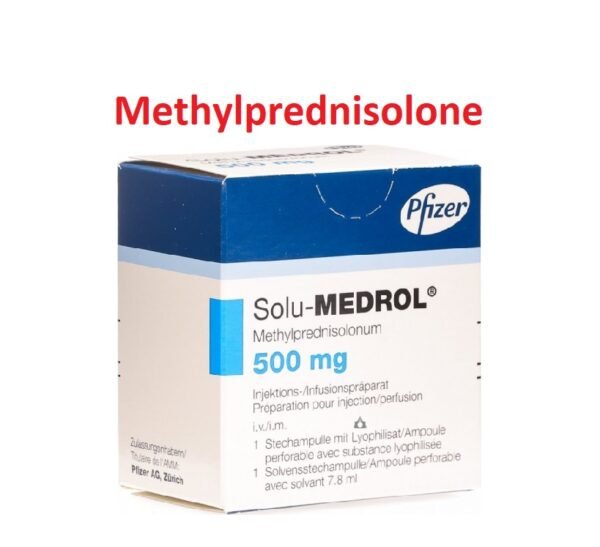
Methylprednisolone is an intermediate-acting corticosteroid that is 4 - 5 times more potent than hydrocortisone. It is used in the treatment of severe inflammatory, allergic, and autoimmune conditions.
Methylprednisolone Uses:
-
Oral, IM (acetate or succinate), and IV (succinate only) administration:
- Anti-inflammatory or immunosuppressant agent in the treatment of a variety of diseases, including:
- Hematologic (eg, warm autoimmune hemolytic anemia immune thrombocytopenia),
- allergic,
- gastrointestinal (eg, ulcerative colitis, Crohn disease),
- Inflammatory,
- neoplastic,
- neurologic (eg, multiple sclerosis),
- rheumatic (eg, antineutrophil cytoplasmic antibody-associated vasculitis, dermatomyositis/ polymyositis, gout, rheumatoid arthritis, mixed cryoglobulinemia syndrome, polyarteritis nodosa, systemic lupus erythematosus), and/or
- autoimmune origin.
- Anti-inflammatory or immunosuppressant agent in the treatment of a variety of diseases, including:
-
Intra-articular or soft tissue administration (acetate only):
- Gout (acute flare), acute and subacute bursitis, rheumatoid arthritis, acute nonspecific tenosynovitis, epicondylitis, and/or synovitis of osteoarthritis.
-
Intralesional administration (acetate only):
- Alopecia areata;
- discoid lupus erythematosus;
- keloids;
- lichen planus, lichen simplex chronicus (neurodermatitis),
- localized hypertrophic, infiltrated, inflammatory lesions of granuloma annulare, and psoriatic plaques; and
- necrobiosis lipoidica diabeticorum.
- It may be useful in the cystic tumor of an aponeurosis or tendon (ganglia).
-
Off Label Use of Adult
- Used in moderate to severe acute respiratory distress syndrome,
- Used in cardiac transplant: Treatment of acute cellular rejection
- Used in cardiac transplant: Treatment of Antibody-mediated rejection
- Used in the acute exacerbation of chronic obstructive pulmonary disease.
- Used in deceased organ donor management (hormonal resuscitation for the deceased organ donor)
- Used in the treatment of giant cell arteritis,
- Used in acute graft-vs-host disease,
- Used in-hospital cardiac arrest
- Used in severe/refractory nausea and vomiting of pregnancy,
- Used in adjunctive therapy for moderate to severe disease pneumocystis pneumonia,
- Used in metastatic castration-resistant Prostate cancer.
Methylprednisolone Dose in Adults:
Note:
- Dosing:
- Evidence to support an optimal dose and duration are lacking for most indications;
- In general, glucocorticoid dosing should be individualized and the minimum effective dose/duration should be used.
- For select indications with weight-based dosing, consider using ideal body weight in obese patients, especially with longer durations of therapy.
- Hypothalamic-pituitary-adrenal suppression:
- Although some patients may become hypothalamic-pituitary-adrenal (HPA) suppressed with lower doses or briefer exposure, some experts consider HPA-axis suppression likely in any adult receiving more than 16 mg per day (daytime dosing) or 4 mg or more than 4 mg per 24 hours (evening or night dosing) for more than 3 weeks, or with Cushingoid appearance;
- do not abruptly discontinue treatment in these patients; dose tapering may be necessary.
- Safety:
- Only the methylprednisolone succinate formulation (Solu-Medrol) may be given IV.
- Methylprednisolone acetate suspension (Depo-Medrol) is intended for IM or intra-articular administration only; do not administer the acetate preparation IV.
Methylprednisolone Usual Dosage Range:
- IV (succinate):
- 40 to 125 mg per day given in a single daily dose or in divided doses; rarely, for certain conditions, may go up to 1 to 2 mg per kg per day.
- Initial high-dose “pulse” therapy for select indications (eg, severe systemic rheumatic disorders):
- 7 to 15 mg per kg per dose (or 500 mg to 1 g/dose) given once daily for 3 to 5 days.
- Oral:
- 16 to 64 mg per day once a day or in divided doses.
The following dosing is from the commercially available tapered-dosage product (eg, dose-pack containing 21 × 4 mg tablets):
-
- Day 1:
- 24 mg on day 1 considered as 8 mg (2 tablets) before breakfast, 4 mg (1 tablet) after lunch, 4 mg (1 tablet) after supper, and 8 mg (2 tablets) at bedtime OR
- 24 mg (6 tablets) as a single dose or divided into 2 or 3 doses upon initiation (regardless of the time of day).
- Day 2:
- 20 mg on day 2 administered as 4 mg (1 tablet) before breakfast, 4 mg (1 tablet) after lunch, 4 mg (1 tablet) after supper, and 8 mg (2 tablets) at bedtime.
- Day 3:
- 16 mg on day 3 administered as 4 mg (1 tablet) before breakfast, 4 mg (1 tablet) after lunch, 4 mg (1 tablet) after supper, and 4 mg (1 tablet) at bedtime.
- Day 4:
- 12 mg on day 4 administered as 4 mg (1 tablet) before breakfast, 4 mg (1 tablet) after lunch, and 4 mg (1 tablet) at bedtime.
- Day 5:
- 8 mg on day 5 administered as 4 mg (1 tablet) before breakfast and 4 mg (1 tablet) at bedtime.
- Day 6:
- 4 mg on day 6 administered as 4 mg (1 tablet) before breakfast.
- Day 1:
- IM (acetate or succinate):
- 40 to 60 mg as a single dose.
Methylprednisolone Dose in the treatment of Intra-articular (acetate suspension):
Note: Dose ranges per manufacturer's labeling. The specific dose is determined based upon the joint size, the severity of inflammation, amount of articular fluid present, and clinician judgment.
-
Larger joint (eg, knee, shoulder, hip):
- 20 to 80 mg.
-
Medium joint (eg, wrist, ankle, elbow):
- 10 to 40 mg.
-
Small joint (eg, toe, finger):
- 4 to 10 mg.
Indication-specific dosing:
Methylprednisolone Dose in the treatment of moderate to severe acute respiratory distress syndrome (off-label):
Note:
- Some experts recommend against routine use but will consider on a case-by-case basis (eg, in patients refractory to other therapeutic strategies; glucocorticoids may have a mortality benefit if administered within 14 days of onset).
- Use ideal body weight to calculate dose.
- If the patient is extubated between days 1 to 14, advance to day 15 of therapy and taper according to the following schedule.
- Do not abruptly discontinue since this may cause deterioration due to inflammatory response.
- IV (succinate): A loading dose of 1 mg per kg over half an hour, followed by a gradual taper:
- Days 1 to 14:
- 1 mg per kg per day in divided doses or as a continuous infusion.
- Days 15 to 21:
- 0.5 mg per kg per day in divided doses or as a continuous infusion.
- Days 22 to 25:
- 0.25 mg per kg per day in divided doses or as a continuous infusion.
- Days 26 to 28:
- 0.125 mg per kg per day in divided doses or as a continuous infusion.
- Days 1 to 14:
Methylprednisolone Dose in the treatment of Allergic conditions:
-
Anaphylaxis (as an adjunct to epinephrine for prevention of late-phase/ biphasic reaction):
Note:
- Do not use for initial or sole treatment of anaphylaxis because corticosteroids do not result in the prompt relief of upper or lower airway obstruction or shock.
- Some experts limit use to patients with severe or persistent steroid-responsive symptoms (eg, bronchospasm in patients with asthma).
- IV (succinate):
- 1 to 2 mg per kg or
- 50 to 125 mg as a single dose.
- IV (succinate):
-
Angioedema (acute allergic) and/ or acute urticaria:
Note:
- For moderate to severe symptoms without signs of anaphylaxis.
- Use epinephrine if anaphylaxis symptoms (eg, risk of airway or cardiovascular compromise) are present.
- In patients with acute urticaria, consider reserving use for patients with significant angioedema or whose symptoms are unresponsive to antihistamines.
- IV (succinate):
- Initial: 60 to 80 mg;
- switch to an oral corticosteroid as soon as possible, tapering the dose for a total treatment duration of 10 days or less than 10 days.
- Oral:
- Initial: 16 to 32 mg per day in 1 to 2 divided doses for 3 to 4 days.
- Consider tapering the dose for a total treatment duration of 10 days or less than 10 days.
- IV (succinate):
Methylprednisolone Dose in the treatment of Acute exacerbation of Asthma:
Note: For moderate to severe exacerbations or in patients who do not respond promptly and completely to short-acting beta agonists; administer within 1 hour of presentation to the emergency department.
- Oral (preferred route), IV (succinate):
- 40 to 60 mg per day in 1 or 2 divided doses for 3 to 10 days.
- Doses up to 60 to 80 mg every 6 to 12 hours have been used in critically ill patients.
- If the symptoms do not resolve and peak expiratory flow is not at least 70 percent of personal best, then longer treatment may be required.
Methylprednisolone Dose in the treatment of acute exacerbation of Chronic obstructive pulmonary disease (off-label):
Note: In patients with severe but not life-threatening exacerbations, oral regimens are recommended. Use IV route in patients who cannot tolerate oral therapy (eg, shock, mechanically ventilated).
- Oral; IV (succinate):
- 40 to 60 mg each day for 5 to 14 days.
- Doses up to 60 mg every 6 hours have been used in critically ill patients, although outcome data are limited.
- Note:
- The dose is dependent on an equivalent dose of prednisone;
- The optimal dose has not been established.
- If patient improves with therapy, may discontinue without taper. If patient does not improve, a longer duration of therapy may be indicated.
Methylprednisolone Dose in the treatment of Deceased organ donor management (hormonal resuscitation for the deceased organ donor) (off-label):
Note: Data supporting benefit are conflicting; if given, it should be administered after blood has been collected for tissue typing.
- IV (succinate):
- Regimens include:
- 1 g (as an IV infusion) OR 15 mg per kg (as an IV infusion) OR 250 mg (as an IV bolus) followed by a continuous infusion at 100 mg per hour;
- It is usually given as part of combination hormone therapy.
- Regimens include:
Methylprednisolone Dose in the treatment of Giant cell arteritis (off-label):
Note:
- Due to the rapidly progressive nature of the disease, start treatment immediately once diagnosis is highly suspected.
- In patients presenting without threatened/evolving vision loss, an oral glucocorticoid is suggested as initial therapy rather than IV methylprednisolone.
- Initial pulse therapy in patients presenting with threatened/evolving vision loss:
- IV (succinate): 500 mg to 1 g daily for 3 days, followed by an oral glucocorticoid (eg, prednisone).
Methylprednisolone Dose in the treatment of acute flare of Gout:
-
- Oral: 24 to 32 mg per day in 1 or 2 divided doses until symptom improvement, followed by a 7- to 10-day taper (or 14- to 21-day taper in patients with multiple prior flares).
- A tapered (6-day) dose pack may be sufficient in some patients.
-
Unable to take orally, 1 to 2 joints affected, and no possibility of joint infection:
Note: Clinicians must have sufficient expertise to perform arthrocentesis and injection.
-
- Intra-articular (acetate):
- Usual dose:
- Larger joint (eg, knee): 40 mg;
- Medium joint (eg,ankle, elbow, wrist): 30 mg;
- Small joint (eg, finger, toe): 10 mg;
- a range of doses may be used dependent on patient factors and clinician judgment, see note at top of adult dosing section regarding intraarticular injection.
- may mix the glucocorticoid with an equal volume of local anesthetic.
- Usual dose:
- Intra-articular (acetate):
-
Unable to take orally and/or not an appropriate candidate for intra-articular injection:
- IM (acetate or succinate):
- Initial: 40 to 60 mg as a single dose;
- may repeat once or two times at 48 hour or more than 48 hours intervals if benefit fades or there is no flare resolution.
- Hospitalized patients:
- IV (succinate): 20 mg two times in a day until clinical improvement, followed by stepwise reduction in each dose by 50 percent until 5 mg two times in a day; then maintain a dose of 4 or more than 4 mg (or oral equivalent) two times in a day for 5 days.
- IM (acetate or succinate):
Methylprednisolone Dose in the treatment of acute Graft-vs-host disease (off-label):
Note:
- For grade 2 or more than 2 acute graftversus-host disease.
- An optimal regimen has not been identified; refer to institutional protocols as variations exist. Treatment is based on the severity and the rate of progression.
- IV (succinate):
- Initial: 2 mg per kg per day in 2 divided doses;
- The dose may vary dependent on organ involvement and severity. Continue for several weeks, then taper over several months.
Methylprednisolone Dose in the treatment of Immune thrombocytopenia (initial therapy):
Note: Goal of therapy is to provide a safe platelet count to prevent clinically important bleeding rather than normalization of the platelet count.
-
Patients with severe bleeding (in combination with other treatments):
- IV (succinate):
- 1 g once in a day for 3 doses.
- IV (succinate):
- Note: Due to the short term response, maintenance therapy with an oral glucocorticoid (eg, prednisone) may be needed.
Methylprednisolone (SOLUMedrol) Dose in the treatment of Inflammatory bowel disease:
-
Crohn disease, acute (eg, severe or fulminant disease and/or unable to take oral) (adjunctive agent):
Note:
- Not for long-term use.
- In patients with localized peritonitis, some experts conisdered against initiating corticosteroids due to the potential of masking further clinical deterioration; however, if already receiving corticosteroids, continued use may be appropriate.
- IV (succinate): 40 to 60 mg per day.
Note:
- For patients who have been receiving chronic treatment with a corticosteroid, a small increase in their daily dose may be required during an acute exacerbation.
- Steroid-sparing agents (eg, biologic agents, immunomodulators) should be introduced with a goal of discontinuing corticosteroid therapy as soon as possible.
-
Acute severe or fulminant Ulcerative colitis:
Note: Not for long-term use.
-
- IV (succinate):
- 60 mg per day in 1 to 3 divided doses.
- If response to treatment is inadequate after 5 days (severe) or 3 days (fulminant), second line therapy is initiated.
- IV (succinate):
Methylprednisolone Dose in the prevention of Iodinated contrast media allergic-like reaction:
Note:
- Generally for sufferer with a prior allergic-like or unknown-type iodinated contrast reaction who will be receiving another iodinated contrast agent.
- Nonurgent premedication with an oral corticosteroid is generally preferred when contrast administration is scheduled to begin in 12 hours or more than 12 hours; however, consider an urgent (accelerated) regimen with an IV corticosteroid for those requiring contrast in less than 12 hours.
-
Nonurgent regimen:
- Oral: 32 mg administered 12 hours and 2 hours before contrast medium administration in combination with oral diphenhydramine 50 mg (administered 1 hour prior to contrast).
-
Urgent (accelerated) regimen:
- IV (succinate): 40 mg every 4 hours until contrast medium administration in combination with IV diphenhydramine 50 mg (administered 1 hour prior to contrast).
Methylprednisolone Dose in the treatment of acute exacerbation of multiple sclerosis:
Note: For patients with an acute exacerbation resulting in neurologic symptoms and increased disability or impairments in vision, strength, or cerebellar function.
-
Initial pulse therapy:
- IV (succinate):
- 500 mg to 1 g daily for 3 to 7 days (5 days typically), either alone or followed by an oral taper with prednisone.
- IV (succinate):
Methylprednisolone Dose in the treatment of Myopathies (dermatomyositis and polymyositis):
-
Initial pulse therapy in patients presenting with severe systemic involvement or profound weakness:
- IV (succinate): 1 g daily for 3 to 5 days, followed by oral prednisone.
Methylprednisolone Dose in the treatment of severe or refractory Nausea and vomiting of pregnancy (off-label):
Note: Reserve use as an add-on therapy when all other pharmacologic regimens have failed.
- IV (succinate):
- 16 mg every 8 hours for 3 days.
- If no response within 3 days, discontinue treatment.
- If symptoms improve, complete 3-day course of treatment, then taper dose over 2 weeks.
Methylprednisolone (SOLUMedrol) Dose in the treatment of Pneumocystis pneumonia, adjunctive therapy for moderate to severe disease (off-label):
Note:
- Recommended when on room air PaO2 <70 mm Hg or PAO2 -PaO ≥35 mm Hg.
- Dosing is based on an equivalent dose of prednisone.
- IV (succinate):
- 30 mg twice daily on days 1 to 5 beginning as early as possible, followed by 30 mg once daily on days 6 to 10, then 15 mg once daily on days 11 to 21.
Methylprednisolone Dose in the treatment of metastatic, castration-resistant prostate cancer (off-label):
- Oral: 4 mg twice daily (in combination with micronized abiraterone acetate).
Methylprednisolone Dose in the treatment of organ-threatening or life-threatening systemic rheumatic disorders:
(eg, antineutrophil cytoplasmic antibody-associated vasculitis, mixed cryoglobulinemia syndrome, polyarteritis nodosa, rheumatoid arthritis, and systemic lupus erythematosus): Note:
- The following dosage ranges are for guidance only;
- Dosing should be highly individualized, taking into account disease severity, the specific disorder, and disease manifestations.
-
Initial pulse therapy (optional):
- IV (succinate):
- 7 to 15 mg/kg/day (maximum dose: 500 mg to 1 g/day) typically for up to 3 days, followed by an oral glucocorticoid (eg, prednisone);
- may be given as part of an appropriate combination regimen.
- Lower doses (eg, 250 mg/day) may be appropriate in some patients (eg, less severe manifestations).
- IV (succinate):
Methylprednisolone Dose in the treatment of Warm autoimmune hemolytic anemia:
- IV (succinate):
- 250 mg to 1 g daily for 1 to 3 days, followed by an oral glucocorticoid (eg, prednisone)
- a clinician experienced with the treatment of hemolytic anemia should be involved with therapy.
Methylprednisolone Dose in Childrens:
Note:
- Adjust dose depending upon condition being treated and response of patient.
- The lowest possible dose should be used to control the condition; when dose reduction is possible, the dose should be reduced gradually.
- In life-threatening situations, parenteral doses larger than the oral dose may be needed.
- Only sodium succinate salt may be given intravenously.
Methylprednisolone Dose in the treatment of acute exacerbation of Asthma:
-
Acute, short-course “burst”:
-
Infants and Children <12 years:
- Oral:
- 1 to 2 mg/kg/day in divided doses once or twice daily for 3 to 10 days;
- The maximum daily dose: 60 mg/day;
- Oral:
- Note:
- The burst therapy should be continued until symptoms resolve or the patient achieves peak expiratory flow 80% of personal best;
- Usually, it requires 3 to 10 days of treatment (~5 days on average); longer treatment may be required
- IM (acetate):
- Children ≤4 years:
- 7.5 mg/kg as a single dose;
- The maximum dose: 240 mg
- Children 5 to 11 years:
- 240 mg as a single dose.
- Children ≤4 years:
-
Note: This may be given in place of short-course “burst” of oral steroids in patients who are vomiting or if compliance is a problem.
-
Children ≥12 years and Adolescents:
- Oral:
- 40 to 60 mg/day in divided doses once or twice daily for 3 to 10 days;
- Note:
- The burst course should be continued until symptoms resolve and peak expiratory flow is at least 80% of personal best;
- Usually, it requires 3 to 10 days of treatment (~5 days on average); longer treatment may be required
- IM (acetate):
- 240 mg as a single dose;
- Note: This may be given in place of short-course “burst” of oral steroids in patients who are vomiting or if compliance is a problem
- Oral:
-
Hospital/emergency medical care doses:
- Infants and Children <12 years:
- Oral, IV:
- 1 to 2 mg/kg/day in 2 divided doses;
- maximum daily dose: 60 mg/day;
- continue until peak expiratory flow is 70% of predicted or personal best
- Oral, IV:
- Children ≥12 years and Adolescents:
- Oral, IV:
- 40 to 80 mg/day in divided doses once or two times daily until peak expiratory flow is 70 percent of predicted or personal best
- Oral, IV:
- Infants and Children <12 years:
-
Status asthmaticus (previous NAEPP guidelines; still used by some clinicians):
- Children:
- IV: Loading dose: 2 mg per kg per dose, then 0.5 to 1 mg per kg per dose every 6 hours;
- Note: See NAEPP 2007 guidelines for asthma exacerbations (emergency medical care or hospital doses) listed above
- Children:
Methylprednisolone Dose in the long-term maintenance treatment of Asthma:
-
Infants and Children <12 years:
- Oral:
- 0.25 to 2 mg per kg per day once in a day in the morning or every other day as required for asthma control;
- maximum daily dose: 60 mg per day
- Oral:
-
Children ≥12 years and Adolescents:
- Oral:
- 7.5 to 60 mg daily once in a day in the morning or every other day as required for asthma control
- Oral:
Methylprednisolone (SOLUMedrol) General dosing; as anti-inflammatory or immunosuppressive:
-
Infants, Children, and Adolescents:
Note: Dosing range variable; individualize dose for disease state and patient response;
- Oral, IM (acetate or succinate), IV (succinate):
- Initial: 0.11 to 1.6 mg per kg per day or 3.2 to 48 mg per m² per day;
- usual range: 0.5 to 1.7 mg per kg per day;
- for IM (acetate) administer as a single daily dose for oral, IM (succinate) and IV (succinate) administer in divided doses every 6 to 12 hours;
-
“Pulse” therapy:
- IV (succinate): 15 to 30 mg per kg per dose once in a day for 3 days;
- maximum dose: 1,000 mg
-
Long-acting:
- IM (acetate): 4 to 80 mg every 1 to 2 weeks
Methylprednisolone Dose in the treatment of Kawasaki disease:
-
Primary treatment, patients at high risk for coronary artery aneurysms:
-
Pulse dosing:
-
Taper dosing:
- Infants and Children:
- IV: 1.6 mg per kg per day in divided doses every 8 hours for 5 days or until afebrile, then transition to oral prednisolone;
- The maximum daily dose: 48 mg per day; give in combination with aspirin and an additional dose of IVIG.
- Note: Dosing based on use of IV prednisolone product (2 mg per kg per day) which is not available in US;however, clinical necessity of conversion is unknown. dosing converted to equivalent methylprednisolone dosing.
- Infants and Children:
-
-
Treatment-refractory or Treatment-resistant disease:
Note: Reserve use for patients who remain febrile after initial IVIG dose:
-
-
Pulse dosing:
- Infants and Children:
- IV: 30 mg per kg per dose once a day for 1 or 3 days;
- It may be given in combination with an additional IVIG dose.
- Infants and Children:
-
Taper dosing:
- Infants and Children:
- IV: 1.6 mg per kg per day in divided doses every 8 hours for 5 days or until afebrile, then transition to oral prednisolone;
- The maximum daily dose: 48 mg per day;
- Give in combination with aspirin and an additional dose of IVIG.
- Note: Dosing based on use of IV prednisolone product (2 mg per kg per day) which is not available in US; dosing converted to equivalent methylprednisolone dosing; however, clinical necessity of conversion is unknown.
- Infants and Children:
-
Methylprednisolone dose in the treatment of Lupus nephritis:
-
Children and Adolescents:
- IV (succinate): High-dose "pulse" therapy:
- 30 mg per kg per dose or 600 to 1,000 mg/m²/dose once in a day for 3 days;
- The maximum dose: 1,000 mg.
- IV (succinate): High-dose "pulse" therapy:
Methylprednisolone Dose in the treatment of acute spinal cord injury:
-
Children and Adolescents:
- IV (succinate):
- 30 mg per kg over 15 minutes followed in 45 minutes by a continuous infusion of 5.4 mg per kg per hour for 23 hours.
- Note:
- Due to insufficient evidence of clinical efficacy (ie, preserving or improving spinal cord function), the routine use of methylprednisolone in the treatment of acute spinal cord injury is no longer recommended.
- If used in this setting, methylprednisolone should not be initiated more than 8 hours after the injury; not effective in penetrating trauma (eg, gunshot).
- IV (succinate):
Methylprednisolone Dose in the treatment of moderate to severe Pneumocystis pneumonia infection:
Note: Within 72 hours of diagnosis starts the therapy, if possible.
-
Infants and Children:
- IV (succinate):
- 1 mg/kg/dose every 6 hours on days 1 to 7, then 1 mg/kg/dose twice daily on days 8 to 9, then 0.5 mg/kg/dose twice daily on days 10 and 11, and 1 mg/kg/dose once daily on days 12 to 16.
- IV (succinate):
-
Adolescents:
- IV (succinate):
- 30 mg twice daily on days 1 to 5, then 30 mg once daily on days 6 to 10, then 15 mg once daily on days 11 to 21.
- IV (succinate):
Methylprednisolone Dose in the treatment of acute Graft-versus-host disease (GVHD):
-
Infants, Children and Adolescents:
- IV (succinate):
- 1 to 2 mg/kg/dose once daily;
- If using a low dose (1 mg/kg) and no improvement after 3 days, increase the dose to 2 mg/kg.
- Continue therapy for 5 to 7 days;
- If improvement observed, may taper by 10% of starting dose every 4 days;
- If no improvement, then considered steroid-refractory GVHD and additional agents should be considered.
- IV (succinate):
Methylprednisolone Pregnancy Risk Category: C
- Methylprednisolone crosses over the placental boundary.
- Some studies show an association between systemic corticosteroid usage in the first trimester and oral clefts, or low birth weight.
- However, this information is contradictory and could be affected by maternal dose per indication.
- Hypoadrenalism is seen in infants after maternal use of corticosteroids during pregnancy.
- Systemic corticosteroids may be required in pregnancy to treat rheumatism disorders.
- It is recommended that you use the lowest effective dose for the longest time and avoid high doses during the first trimester.
- Systemic corticosteroids should not be used for dermatologic conditions in pregnant women.
- They should be used only during the second and third trimesters at the lowest dose.
- Women who have asthma that is not controlled or has exacerbations can be at greater risk of having their baby.
- Uncontrolled asthma can increase the risk of preterm birth, perinatal mortality, preeclampsia and low birth weight for infants.
- For the treatment of asthma in pregnancy, it is recommended to use inhaled corticosteroids.
- However, systemic corticosteroids should also be used to treat severe persistent asthma or acute exacerbations.
- For severe nausea or vomiting, pregnant women may consider Methylprednisolone as an adjunctive treatment.
- Refractory cases of women suffering from dehydration are not recommended due to the risk of adverse fetal outcomes.
- Transplant Pregnancy Register International (TPR), is a registry that tracks pregnancies in male transplant recipients and mothers of those recipients.
Use of methylprednisolone while breastfeeding
- It is excreted in breastmilk.
- The manufacturer points out that systemic maternal corticosteroids can cause adverse effects in breastfeeding infants (eg, growth suppression, interference with endogenous corticosteroid manufacturing). Therefore, it is recommended that the mother decide whether to stop breastfeeding or discontinue using the drug.
- When used in their usual doses, corticosteroids can be tolerated by breastfeeding mothers. However, it is recommended that the infant be monitored.
- Based on a study with prednisolone, there are some guidelines that recommend waiting to breastfeed for 4 hours after the maternal dose.
Dose in Kidney Disease:
The manufacturer’s labeling doesn't provide any dosage adjustments; use with caution.
Dose in Liver disease:
Manufacturer’s labeling doesn't provide any dosage adjustments; Use with caution.
Side effects of Methylprednisolone:
-
Cardiovascular:
- Bradycardia
- Cardiac Arrest
- Cardiac Arrhythmia
- Cardiac Failure
- Cardiomegaly
- Circulatory Shock
- Edema
- Embolism (Fat)
- Hypertension
- Hypertrophic Cardiomyopathy (In Neonates)
- Myocardial Rupture (Post MI)
- Syncope
- Tachycardia
- Thromboembolism
- Thrombophlebitis
- Vasculitis
-
Central Nervous System:
- Arachnoiditis
- Depression
- Emotional Lability
- Euphoria
- Headache
- Increased Intracranial Pressure
- Insomnia
- Malaise
- Meningitis
- Myasthenia
- Neuritis
- Neuropathy
- Paraplegia
- Paresthesia
- Personality Changes
- Psychic Disorders
- Pseudotumor Cerebri (Usually Following Discontinuation)
- Seizure
- Sensory Disturbance
- Vertigo
-
Dermatologic:
- Acne Vulgaris
- Allergic Dermatitis
- Alopecia
- Atrophic Striae
- Diaphoresis
- Ecchymoses
- Epidermal Thinning
- Erythema
- Exfoliation Of Skin
- Facial Erythema
- Hyperpigmentation
- Hypertrichosis
- Hypopigmentation
- Skin Atrophy
- Skin Rash
- Suppression Of Skin Test Reaction
- Thinning Hair
- Urticaria
- Xeroderma
-
Endocrine & Metabolic:
- Adrenal Suppression
- Calcinosis
- Cushingoid State
- Cushing Syndrome
- Decreased Glucose Tolerance
- Diabetes Mellitus
- Fluid Retention
- Glycosuria
- Growth Suppression (Children)
- Hirsutism
- HPA-Axis Suppression
- Hyperglycemia
- Hyperlipidemia
- Hypokalemia
- Hypokalemic Alkalosis
- Insulin Resistance (Increased Requirements For Insulin Or Oral Hypoglycemic Agents In Diabetes)
- Menstrual Disease
- Moon Face
- Negative Nitrogen Balance
- Protein Catabolism
- Sodium Retention
- Weight Gain
-
Gastrointestinal:
- Abdominal Distention
- Bladder Dysfunction (After Intrathecal Administration
- Including Bowel Dysfunction)
- Carbohydrate Intolerance (Increased)
- Gastrointestinal Hemorrhage
- Gastrointestinal Perforation
- Hiccups
- Increased Appetite
- Intestinal Perforation (Of Both Of The Small And Large Intestines; Especially In Patients With Inflammatory Bowel Disease)
- Nausea
- Pancreatitis
- Peptic Ulcer
- Spermatozoa Disorder (Decreased Motility And Number Of Spermatozoa)
- Ulcerative Esophagitis
-
Hematologic:
- Leukocytosis (Transient)
- Malignant Neoplasm (Secondary)
- Petechia
-
Hepatic:
- Hepatomegaly
- Increased Liver Enzymes
- Increased Serum Transaminases
-
Hypersensitivity:
- Anaphylactoid Reaction
- Anaphylaxis
- Angioedema
- Hypersensitivity Reaction
-
Infection:
- Increased Susceptibility To Infection
- Infection (Ophthalmic)
- Sterile Abscess
-
Local:
- Injection Site Infection
-
Neuromuscular & Skeletal:
- Amyotrophy
- Arthropathy
- Aseptic Necrosis Of Femoral Head
- Aseptic Necrosis Of Humoral Head
- Bone Fracture
- Charcot-Like Arthropathy
- Lipotrophy
- Osteoporosis
- Rupture Of Tendon
- Steroid Myopathy
- Vertebral Compression Fracture
-
Ophthalmic:
- Blindness
- Exophthalmoses
- Glaucoma
- Increased Intraocular Pressure
- Ophthalmic Inflammation (Ophthalmic)
- Subcapsular Posterior Cataract
- Visual Impairment
-
Respiratory:
- Pulmonary Edema
- Rhinitis
-
Miscellaneous:
- Anaphylactoid Reaction
- Anaphylaxis
- Angioedema
- Hypersensitivity Reactions
- Tissue Sloughing (Residue Or Slough At Injection Site)
- Wound Healing Impairment
Contraindications to Methylprednisolone:
- Hypersensitivity to methylprednisolone and any component of the formulation
- Systemic fungal infection is not included in intra-articular injections for localized joint conditions.
- Intrathecal administration
- Live or attenuated vaccines against viruses (with immunosuppressive doses corticosteroids);
- Use in infants who are premature (formulations containing benzyl Alcohol Preservative only);
- IM administration for patients with immune thrombocytopenia (formerly known idiopathic thrombocytopenicpurpura).
Additional contraindications:
- Only:
- Hypersensitivity to cow’s milk, its components or any other dairy products that could contain trace amounts (known or suspected)
Canadian labeling: Additional contraindications not in US labeling
- Methylprednisolone tablets:
- Varicella, herpes simplex, and vaccinia are all possible, except for emergency or short-term therapy.
- Methylprednisolone acetate injection:
- Inta-articular injections for unstable joints
- Intravascular or epidural administration
- Herpes simplex, eye, varicella and vaccinia are all symptoms of herpes simplex (except in emergency or short-term therapy).
- Methylprednisolone sodium succinate
- Administration of epidurals;
- Arrest for tuberculosis
- Acute psychoses
- Cushing syndrome
- Herpes simplex keratitis
- Varicella and vaccinia.
- Peptic ulcer
- Serum creatinine levels that are significantly elevated (except in emergency or short-term therapy)
Patients who have had hypersensitivity reactions to corticosteroids may experience cross-sensitivity reactions.
Warnings and precautions
-
Suppression of the adrenals:
- May occur hypercortisolism or suppression of hypothalamic-pituitary-adrenal (HPA) axis, particularly in adults or in patients having high doses for prolonged periods.
- Suppression of the HPA axis may cause adrenal crisis.
- It is important to withdraw and stop using a corticosteroid slowly and carefully.
- Patients who are being transferred from systemic to inhaled corticosteroids should be careful.
- This is because of possible adrenal insufficiency, withdrawal from steroids, and can cause an increase in allergy symptoms.
- Prednisone may make adult patients more susceptible if they are taking 20 mg or more of the drug (or an equivalent).
- Asthmatic patients who have been treated with systemic corticosteroids and aerosol steroids have suffered damage.
- Aerosol steroids are not sufficient to meet the systemic requirements for treating patients who have had surgery, trauma or infection.
-
Anaphylactoid reactions
- There have been some cases of anaphylactoid reactions.
- Monitor patients while treatment is underway and during drug administration (especially intravenously).
-
Dermal changes:
- Avoid injecting or leaking into the dermis. Subdermal and/or dermal skin depression could occur at the injection site.
- Restrict deltoid muscle injection; subcutaneous atrophy may occur.
-
Hepatic effects
- High doses (typically 1 g/day for adults) of methylprednisolone IV may cause a toxic form acute hepatitis.
- In rare cases, severe hepatic injury can occur. This could lead to acute liver failure or death.
- The time it takes for symptoms to appear can vary from several weeks to many months.
- Therapy has been terminated and the resolution of symptoms has been closely monitored.
- If toxic hepatitis develops, discontinue taking methylprednisolone.
- Patients with a history methylprednisone-induced toxic liver disease should not be given high doses.
-
Immunosuppression:
- Corticosteroids can increase the risk of secondary infections, activate latent infections, mask acute infections (including fungal infections), prolong and exacerbate viral or parasitic infection, and limit or even eliminate the effectiveness of inactivated or killed vaccines.
- Avoid exposure to measles or chickenpox. Corticosteroids should not ever be used to treat ocular herpes simplux.
- Corticosteroids shouldn't be used to treat cerebral malaria, fungal infections or viral hepatitis.
- Patients with latent tuberculosis or TB reactivity require close monitoring.
- Anyone who has recently traveled to the tropics or is suffering from undiagnosed diarrhea should be tested for amebiasis before initiating corticosteroids.
- Strongyloides patients should be treated with extreme caution. Hyperinfection, dissemination and even death have all been reported.
-
Kaposi Sarcoma:
- Kaposi Sarcoma has been linked to treatment with corticosteroids (case reports). Stopping treatment could lead to clinical improvement.
-
Myopathy
- High dose corticosteroids have been linked to acute myopathy in patients with neuromuscular transmissible disorders.
- Recovery may take longer and may result in ocular or respiratory muscle damage.
-
Psychiatric disorders:
- Corticosteroid abuse can cause psychotic manifestations such as euphoria and mood swings, personality change, severe depression, mood swings, and personality changes.
- Corticosteroid treatment can worsen pre-existing mental conditions.
-
Septic arthritis:
- Parenteral therapy can cause septic arthritis, especially if the drug is directly administered to the joint. If this happens, you should institute the appropriate antimicrobial treatment.
-
Cardiovascular disease
- Patients with heart disease (HF) or hypertension should be cautious.
- Fluid retention, electrolyte disturbances and hypertension have been reported to occur.
- Take care after an acute myocardial injury (MI); corticosteroids can cause myocardial damage.
-
Diabetes:
- In patients with diabetes mellitus use corticosteroids with caution in those patients; may alter glucose production/regulation leading to hyperglycemia.
-
Gastrointestinal Disease:
- Patients with GI conditions such as active or late peptic ulcers, ulcerative colitis or diverticulitis, fresh or modified intestinal anastomoses or abscesses, should be cautious due to the perforation hazard.
-
Head injury
- Patients receiving high-dose IV-methylprednisolone were found to have an increase in mortality. High-dose corticosteroids should be avoided for head injuries.
-
Hepatic impairment
- Patients with cirrhosis or hepatic impairment should be cautious. Long-term fluid retention has been reported.
-
Myasthenia gravis:
- Patients with myasthenia Gravis should be cautious when using corticosteroids, as they can cause exacerbation.
-
Ocular disease:
- Patients with cataracts or glaucoma should be cautious when using it; there have been cases of increased intraocular pressure, open angle glaucoma, cataracts, and prolonged use.
- Optic neuritis is not recommended for treatment; it may increase the number of episodes.
- Patients with a history ocular herpes severex should be cautious. If corneal perforation has already occurred, do not use this product in active ocular herpes.
- Routine eye exams are recommended for chronic users.
-
Osteoporosis
- Patients with osteoporosis should be cautious with corticosteroids.
- High doses and/or prolonged use have been linked to increased bone loss and fractures.
-
Renal impairment
- Patients with impaired renal function should be cautious as fluid retention could occur.
-
Seizure disorders:
- Patients with seizure disorders should be cautious when using corticosteroids. Seizures have been associated with adrenal crisis.
-
Sepsis or septic shock syndrome:
- In the absence of shock, corticosteroids should be avoided for treating sepsis.
- One study did not show any efficacy in treating sepsis or septic shock syndrome.
- Corticosteroids can increase mortality in certain populations, such as patients with high serum creatinine or patients with secondary infections.
-
Systemic sclerosis (scleroderma).
- Patients with systemic sclerosis should not be given higher doses of corticosteroid therapy (adults, >=15 mg/day prednisone equivalent).
- This can increase the risk of developing scleroderma renal crises.
-
Thyroid disease:
- This could lead to changes in the thyroid status.
- Because corticosteroids are more easily metabolized in hypothyroid patients than in hyperthyroid patients, it is possible to adjust drug dosages.
Methylprednisolone: Drug Interaction
|
Acetylcholinesterase Inhibitors |
Corticosteroids (Systemic) may enhance the adverse/toxic effect of Acetylcholinesterase Inhibitors. Increased muscular weakness may occur. |
|
Amphotericin B |
Corticosteroids (Systemic) may enhance the hypokalemic effect of Amphotericin B. |
|
Androgens |
Corticosteroids (Systemic) may enhance the fluid-retaining effect of Androgens. |
|
Antidiabetic Agents |
Hyperglycemia-Associated Agents may diminish the therapeutic effect of Antidiabetic Agents. |
|
Bile Acid Sequestrants |
May decrease the absorption of Corticosteroids (Oral). |
|
Bosentan |
May decrease the serum concentration of CYP3A4 Substrates (High risk with Inducers). |
|
Calcitriol (Systemic) |
Corticosteroids (Systemic) may diminish the therapeutic effect of Calcitriol (Systemic). |
|
Clofazimine |
May increase the serum concentration of CYP3A4 Substrates (High risk with Inhibitors). |
|
Coccidioides immitis Skin Test |
Immunosuppressants may diminish the diagnostic effect of Coccidioides immitis Skin Test. |
|
Corticorelin |
Corticosteroids may diminish the therapeutic effect of Corticorelin. Specifically, the plasma ACTH response to corticorelin may be blunted by recent or current corticosteroid therapy. |
|
Cosyntropin |
Corticosteroids (Systemic) may diminish the diagnostic effect of Cosyntropin. |
|
CycloSPORINE (Systemic) |
May increase the serum concentration of MethylPREDNISolone. MethylPREDNISolone may increase the serum concentration of CycloSPORINE (Systemic). MethylPREDNISolone may decrease the serum concentration of CycloSPORINE (Systemic). |
|
CYP3A4 Inducers (Moderate) |
May decrease the serum concentration of CYP3A4 Substrates (High risk with Inducers). |
|
CYP3A4 Inhibitors (Moderate) |
May decrease the metabolism of CYP3A4 Substrates (High risk with Inhibitors). |
|
Deferasirox |
May decrease the serum concentration of CYP3A4 Substrates (High risk with Inducers). |
|
Deferasirox |
Corticosteroids (Systemic) may enhance the adverse/toxic effect of Deferasirox. Specifically, the risk for GI ulceration/irritation or GI bleeding may be increased. |
|
Deferasirox |
Corticosteroids may enhance the adverse/toxic effect of Deferasirox. Specifically, the risk for GI ulceration/irritation or GI bleeding may be increased. |
|
Denosumab |
May enhance the adverse/toxic effect of Immunosuppressants. Specifically, the risk for serious infections may be increased. |
|
DilTIAZem |
May increase the serum concentration of Corticosteroids (Systemic). |
|
Duvelisib |
May increase the serum concentration of CYP3A4 Substrates (High risk with Inhibitors). |
|
Erdafitinib |
May decrease the serum concentration of CYP3A4 Substrates (High risk with Inducers). |
|
Erdafitinib |
May increase the serum concentration of CYP3A4 Substrates (High risk with Inhibitors). |
|
Estrogen Derivatives |
May increase the serum concentration of Corticosteroids (Systemic). |
|
Fosnetupitant |
May increase the serum concentration of CYP3A4 Substrates (High risk with Inhibitors). |
|
Indacaterol |
May enhance the hypokalemic effect of Corticosteroids (Systemic). |
|
Isoniazid |
Corticosteroids (Systemic) may decrease the serum concentration of Isoniazid. |
|
Ivosidenib |
May decrease the serum concentration of CYP3A4 Substrates (High risk with Inducers). |
|
Larotrectinib |
May increase the serum concentration of CYP3A4 Substrates (High risk with Inhibitors). |
|
Loop Diuretics |
Corticosteroids (Systemic) may enhance the hypokalemic effect of Loop Diuretics. |
|
Netupitant |
May increase the serum concentration of CYP3A4 Substrates (High risk with Inhibitors). |
|
Nicorandil |
Corticosteroids (Systemic) may enhance the adverse/toxic effect of Nicorandil. Gastrointestinal perforation has been reported in association with this combination. |
|
Nonsteroidal Anti-Inflammatory Agents (COX-2 Selective) |
Corticosteroids (Systemic) may enhance the adverse/toxic effect of Nonsteroidal Anti-Inflammatory Agents (COX-2 Selective). |
|
Nonsteroidal Anti-Inflammatory Agents (Nonselective) |
Corticosteroids (Systemic) may enhance the adverse/toxic effect of Nonsteroidal Anti-Inflammatory Agents (Nonselective). |
|
Ocrelizumab |
May enhance the immunosuppressive effect of Immunosuppressants. |
|
Palbociclib |
May increase the serum concentration of CYP3A4 Substrates (High risk with Inhibitors). |
|
Pidotimod |
Immunosuppressants may diminish the therapeutic effect of Pidotimod. |
|
Quinolones |
Corticosteroids (Systemic) may enhance the adverse/toxic effect of Quinolones. Specifically, the risk of tendonitis and tendon rupture may be increased. |
|
Ritodrine |
Corticosteroids may enhance the adverse/toxic effect of Ritodrine. |
|
Salicylates |
May enhance the adverse/toxic effect of Corticosteroids (Systemic). These specifically include gastrointestinal ulceration and bleeding. Corticosteroids (Systemic) may decrease the serum concentration of Salicylates. Withdrawal of corticosteroids may result in salicylate toxicity. |
|
Sargramostim |
Corticosteroids (Systemic) may enhance the therapeutic effect of Sargramostim. Specifically, corticosteroids may enhance the myeloproliferative effects of sargramostim. |
|
Sarilumab |
May decrease the serum concentration of CYP3A4 Substrates (High risk with Inducers). |
|
Siltuximab |
May decrease the serum concentration of CYP3A4 Substrates (High risk with Inducers). |
|
Simeprevir |
May increase the serum concentration of CYP3A4 Substrates (High risk with Inhibitors). |
|
Siponimod |
Immunosuppressants may enhance the immunosuppressive effect of Siponimod. |
|
Somatropin |
Corticosteroids (Systemic) may diminish the therapeutic effect of Somatropin. |
|
Tacrolimus (Systemic) |
Corticosteroids (Systemic) may decrease the serum concentration of Tacrolimus (Systemic). Conversely, when discontinuing corticosteroid therapy, tacrolimus concentrations may increase. |
|
Tertomotide |
Immunosuppressants may diminish the therapeutic effect of Tertomotide. |
|
Thiazide and Thiazide-Like Diuretics |
Corticosteroids (Systemic) may enhance the hypokalemic effect of Thiazide and Thiazide-Like Diuretics. |
|
Tocilizumab |
May decrease the serum concentration of CYP3A4 Substrates (High risk with Inducers). |
|
Trastuzumab |
May enhance the neutropenic effect of Immunosuppressants. |
|
Urea Cycle Disorder Agents |
Corticosteroids (Systemic) may diminish the therapeutic effect of Urea Cycle Disorder Agents. More specifically, Corticosteroids (Systemic) may increase protein catabolism and plasma ammonia concentrations, thereby increasing the doses of Urea Cycle Disorder Agents needed to maintain these concentrations in the target range. |
|
Warfarin |
Corticosteroids (Systemic) may enhance the anticoagulant effect of Warfarin. |
|
Risk Factor D (Consider therapy modification) |
|
|
Antacids |
May decrease the bioavailability of Corticosteroids (Oral). Management: Consider separating doses by 2 or more hours. Budesonide enteric coated tablets could dissolve prematurely if given with drugs that lower gastric acid, with unknown impact on budesonide therapeutic effects. |
|
Aprepitant |
May increase the serum concentration of Corticosteroids (Systemic). Management: No dose adjustment is needed for single 40 mg aprepitant doses. For other regimens, reduce oral dexamethasone or methylprednisolone doses by 50%, and IV methylprednisolone doses by 25%. Antiemetic regimens containing dexamethasone reflect this adjustment. |
|
Axicabtagene Ciloleucel |
Corticosteroids (Systemic) may diminish the therapeutic effect of Axicabtagene Ciloleucel. Management: Avoid use of corticosteroids as premedication before axicabtagene ciloleucel. Corticosteroids may, however, be required for treatment of cytokine release syndrome or neurologic toxicity. |
|
Baricitinib |
Immunosuppressants may enhance the immunosuppressive effect of Baricitinib. Management: Use of baricitinib in combination with potent immunosuppressants such as azathioprine or cyclosporine is not recommended. Concurrent use with antirheumatic doses of methotrexate or nonbiologic disease modifying antirheumatic drugs (DMARDs) is permitted. |
|
CYP3A4 Inducers (Strong) |
|
|
CYP3A4 Inhibitors (Strong) |
May increase the serum concentration of MethylPREDNISolone. Management: Consider methylprednisolone dose reduction in patients receiving strong CYP3A4 inhibitors and monitor for increased steroid related adverse effects. |
|
Dabrafenib |
May decrease the serum concentration of CYP3A4 Substrates (High risk with Inducers). Management: Seek alternatives to the CYP3A4 substrate when possible. If concomitant therapy cannot be avoided, monitor clinical effects of the substrate closely (particularly therapeutic effects). |
|
Desirudin |
Corticosteroids (Systemic) may enhance the anticoagulant effect of Desirudin. More specifically, corticosteroids may increase hemorrhagic risk during desirudin treatment. Management: Discontinue treatment with systemic corticosteroids prior to desirudin initiation. If concomitant use cannot be avoided, monitor patients receiving these combinations closely for clinical and laboratory evidence of excessive anticoagulation. |
|
Echinacea |
May diminish the therapeutic effect of Immunosuppressants. |
|
Enzalutamide |
May decrease the serum concentration of CYP3A4 Substrates (High risk with Inducers). Management: Concurrent use of enzalutamide with CYP3A4 substrates that have a narrow therapeutic index should be avoided. Use of enzalutamide and any other CYP3A4 substrate should be performed with caution and close monitoring. |
|
Fingolimod |
Immunosuppressants may enhance the immunosuppressive effect of Fingolimod. Management: Avoid the concomitant use of fingolimod and other immunosuppressants when possible. If combined, monitor patients closely for additive immunosuppressant effects (eg, infections). |
|
Fosaprepitant |
May increase the serum concentration of Corticosteroids (Systemic). The active metabolite aprepitant is likely responsible for this effect. |
|
Hyaluronidase |
Corticosteroids may diminish the therapeutic effect of Hyaluronidase. Management: Patients receiving corticosteroids (particularly at larger doses) may not experience the desired clinical response to standard doses of hyaluronidase. Larger doses of hyaluronidase may be required. |
|
Leflunomide |
Immunosuppressants may enhance the adverse/toxic effect of Leflunomide. Specifically, the risk for hematologic toxicity such as pancytopenia, agranulocytosis, and/or thrombocytopenia may be increased. Management: Consider not using a leflunomide loading dose in patients receiving other immunosuppressants. Patients receiving both leflunomide and another immunosuppressant should be monitored for bone marrow suppression at least monthly. |
|
Lorlatinib |
May decrease the serum concentration of CYP3A4 Substrates (High risk with Inducers). Management: Avoid concurrent use of lorlatinib with any CYP3A4 substrates for which a minimal decrease in serum concentrations of the CYP3A4 substrate could lead to therapeutic failure and serious clinical consequences. |
|
Mitotane |
May decrease the serum concentration of Corticosteroids (Systemic). |
|
Mitotane |
May decrease the serum concentration of CYP3A4 Substrates (High risk with Inducers). Management: Doses of CYP3A4 substrates may need to be adjusted substantially when used in patients being treated with mitotane. |
|
Neuromuscular-Blocking Agents (Nondepolarizing) |
May enhance the adverse neuromuscular effect of Corticosteroids (Systemic). Increased muscle weakness, possibly progressing to polyneuropathies and myopathies, may occur. |
|
Nivolumab |
Immunosuppressants may diminish the therapeutic effect of Nivolumab. |
|
Roflumilast |
May enhance the immunosuppressive effect of Immunosuppressants. |
|
Sipuleucel-T |
Immunosuppressants may diminish the therapeutic effect of Sipuleucel-T. Management: Evaluate patients to see if it is medically appropriate to reduce or discontinue therapy with immunosuppressants prior to initiating sipuleucel-T therapy. |
|
Stiripentol |
May increase the serum concentration of CYP3A4 Substrates (High risk with Inhibitors). Management: Use of stiripentol with CYP3A4 substrates that are considered to have a narrow therapeutic index should be avoided due to the increased risk for adverse effects and toxicity. Any CYP3A4 substrate used with stiripentol requires closer monitoring. |
|
Tisagenlecleucel |
Corticosteroids (Systemic) may diminish the therapeutic effect of Tisagenlecleucel. Management: Avoid use of corticosteroids as premedication or at any time during treatment with tisagenlecleucel, except in the case of life-threatening emergency (such as resistant cytokine release syndrome). |
|
Tofacitinib |
Immunosuppressants may enhance the immunosuppressive effect of Tofacitinib. Management: Concurrent use with antirheumatic doses of methotrexate or nonbiologic disease modifying antirheumatic drugs (DMARDs) is permitted, and this warning seems particularly focused on more potent immunosuppressants. |
|
Vaccines (Inactivated) |
Immunosuppressants may diminish the therapeutic effect of Vaccines (Inactivated). Management: Vaccine efficacy may be reduced. Complete all age-appropriate vaccinations at least 2 weeks prior to starting an immunosuppressant. If vaccinated during immunosuppressant therapy, revaccinate at least 3 months after immunosuppressant discontinuation. |
|
Vaccines (Live) |
Corticosteroids (Systemic) may enhance the adverse/toxic effect of Vaccines (Live). Corticosteroids (Systemic) may diminish the therapeutic effect of Vaccines (Live). Management: Doses equivalent to less than 2 mg/kg or 20 mg per day of prednisone administered for less than 2 weeks are not considered sufficiently immunosuppressive to create vaccine safety concerns. Higher doses and longer durations should be avoided. |
|
Risk Factor X (Avoid combination) |
|
|
Aldesleukin |
Corticosteroids may diminish the antineoplastic effect of Aldesleukin. |
|
BCG (Intravesical) |
Immunosuppressants may diminish the therapeutic effect of BCG (Intravesical). |
|
Cladribine |
May enhance the immunosuppressive effect of Immunosuppressants. |
|
Conivaptan |
May increase the serum concentration of CYP3A4 Substrates (High risk with Inhibitors). |
|
Desmopressin |
Corticosteroids (Systemic) may enhance the hyponatremic effect of Desmopressin. |
|
Fexinidazole [INT] |
Corticosteroids (Systemic) may enhance the arrhythmogenic effect of Fexinidazole [INT]. |
|
Fusidic Acid (Systemic) |
May increase the serum concentration of CYP3A4 Substrates (High risk with Inhibitors). |
|
Idelalisib |
May increase the serum concentration of CYP3A4 Substrates (High risk with Inhibitors). |
|
Indium 111 Capromab Pendetide |
Corticosteroids (Systemic) may diminish the diagnostic effect of Indium 111 Capromab Pendetide. |
|
Macimorelin |
Corticosteroids (Systemic) may diminish the diagnostic effect of Macimorelin. |
|
Mifamurtide |
Corticosteroids (Systemic) may diminish the therapeutic effect of Mifamurtide. |
|
MiFEPRIStone |
May diminish the therapeutic effect of Corticosteroids (Systemic). MiFEPRIStone may increase the serum concentration of Corticosteroids (Systemic). Management: Avoid mifepristone in patients who require long-term corticosteroid treatment of serious illnesses or conditions (e.g., for immunosuppression following transplantation). Corticosteroid effects may be reduced by mifepristone treatment. |
|
Natalizumab |
Immunosuppressants may enhance the adverse/toxic effect of Natalizumab. Specifically, the risk of concurrent infection may be increased. |
|
Pimecrolimus |
May enhance the adverse/toxic effect of Immunosuppressants. |
|
Tacrolimus (Topical) |
May enhance the adverse/toxic effect of Immunosuppressants. |
|
Upadacitinib |
Immunosuppressants may enhance the immunosuppressive effect of Upadacitinib. |
Monitoring parameters:
- Blood glucose,
- electrolytes,
- Blood pressure;
- weight;
- intraocular pressure (use more than 6 weeks);
- growth and development in children;
- bone mineral density;
- HPA axis suppression
How to administer Methylprednisolone?
Oral:
- Administer tablets after meals or with food or milk to decrease GI upset.
- If prescribed once a day, administer the dose in the morning.
IM (acetate, succinate):
- Restrict injection into the deltoid muscle due to a high risk of subcutaneous atrophy.
- Restrict injection or leakage into the dermis. Do not put into areas that have evidence of acute local infection.
IV (succinate):
- Rate dependent upon dose and severity of the condition; typically, the intermittent infusion is administered over 15 to 60 minutes.
- Administer large doses over at least 30 to 60 minutes;
- Do not administer large doses as IV push;
- Severe adverse effects, including hypotension, cardiac arrhythmia, and sudden death, have been reported in patients having methylprednisolone doses of 250 or more administered over less than 30 minutes.
- Note: In some spinal cord injury trials, bolus doses (30 mg/kg) have been administered over 15 minutes.
Do not administer acetate form IV.
Intra-articular or soft tissue (acetate):
- See manufacturer's labeling for details.
Intralesional:
- Inject directly into the lesion.
- For large lesions, administer multiple small injections (20 to 40 mg) into the area of the lesion.
- Avoid injection of sufficient material to cause blanching because this may be followed by a small slough.
Mechanism of action of Methylprednisolone (SOLUMedrol):
- Corticosteroids regulate gene expression in tissue-specific ways.
- They do this by binding intracellular receptors and translocating into the nucleus.
- Corticosteroids have a variety of physiological effects, including modulation in carbohydrate, protein and lipid metabolism, as well as maintaining fluid and electrolyte balance.
- Corticosteroids also influence cardiovascular, immunologic and musculoskeletal, neurologic, and endocrine physiology.
- It decreases inflammation through the suppression of polymorphonuclear lymphocyte migration and reverses increased capillarypermeability.
The beginning of action:
- IV (succinate): Within 1 hour;
- Intra-articular (IV acetate): 1 week
Duration:
- Intra-articular (IV acetate): 1 to 5 weeks
Absorption:
- Oral: Well absorbed
Bioavailability:
- Oral: 88 percent ± 23 percent
Metabolism:
- Hepatic to metabolites.
Half-life elimination:
- Adolescents: IV: 1.9 ± 0.7 hours (age range: 12 to 20 years)
- Adults:
- Oral: 2.5 ± 1.2 hours;
- IV (succinate): 0.25 ± 0.1 hour
Time to peak, plasma:
- Oral: 2.1 ± 0.7 hours.
- IV (succinate): 0.8 hours.
Excretion:
- Urine (1.3% [oral], 9.2 percent [IV succinate] as unchanged drug).
International Brand Names of Methylprednisolone:
- DEPO-Medrol
- Medrol
- P-Care D40
- P-Care D80
- ReadySharp methylprednisolone
- SOLUMedrol
- Uni-Med
- Adrelan
- Advantan
- Adventan
- Cipridanol
- Comedrol
- Cryosolona
- Depo Medrol
- Depo-Medrol
- Depo-Medrone
- Epizolone-Depot
- Flason
- Flumethyl
- Lexcomet
- Lexxema
- M-Nisol
- M-Prednihexal
- Madomed
- Meapron
- Medason
- Medexa
- Medisolu
- Medixon
- Medlon
- Mednin
- Medrate
- Medrol
- Medrone
- Melone 16
- Melsone
- Menisone
- Meprednisona All Pro
- Mepresone
- Mesolone
- Metcor
- Metcort
- Methylon
- Methylpred
- Methylprednisolone David Bull
- Methysol
- Metrite
- Metypred
- Neo-Drol
- Nisolon-M
- Predlitem
- Prednivex
- Prednol
- Prednox
- Prena
- Pretilon
- Prolon
- Sanexon
- Sol-U-Pred
- Sologen
- Solomet
- Solu Medrol
- Solu-Medon
- Solu-Medrol
- Solu-Medrone
- Solu-Moderin
- Solu-Pred
- Somidex
- Sonicor
- Thimelon
- Thylmedi
- Tisolon-4
- Tropidrol
- Urbason
- Urbason Retard
- Yalone
Methylprednisolone Brand Names in Pakistan:
Methylprednisolone Injection 1 g in Pakistan |
|
| Methypred | Haji Medicine Co. |
| Solu Medrol | Pfizer Laboratories Ltd. |
Methylprednisolone Injection 40 Mg in Pakistan |
|
| Ceta-Medrol | Mediceena Pharma (Pvt) Ltd. |
| Co-Sterol | Cirin Pharmaceuticals (Pvt) Ltd. |
| Depo Medrol | Pfizer Laboratories Ltd. |
| Solu Medrol | Pfizer Laboratories Ltd. |
Methylprednisolone Injection 125 Mg in Pakistan |
|
| Solu Medrol | Pfizer Laboratories Ltd. |
Methylprednisolone Injection 500 Mg in Pakistan |
|
| Methypred | Haji Medicine Co. |
| Solu Medrol | Pfizer Laboratories Ltd. |
Methylprednisolone Oint 0.1 %W/W in Pakistan |
|
| Advantan | Bayer Health Care |
| Advantan Fatty | Bayer Health Care |
| Avate | Pearl Pharmaceuticals |
Methylprednisolone Cream 0.1 %W/W in Pakistan |
|
| Advantan | Bayer Health Care |
| Avate | Pearl Pharmaceuticals |
.png)